Masako Miki’s Felt Sculptures Carry Serious Weight
The Japanese artist’s cheerful wool figures are rooted in Shinto beliefs, and hold deeper meaning about the myths that divide us.

Craft has always been an integral part of Vacheron Constantin’s identity. Since its founding in 1755, the Swiss watchmaker has dedicated itself to the practice and preservation of these intricate traditions. Its Les Cabinotiers department, for example, creates one-of-a-kind, bespoke watches using gem setting, enameling, and engraving techniques that have been passed down from generation to generation. The results speak for themselves: The Solaria Ultra Grande Complication La Première, released in 2025 with 41 complications, is the most complicated wristwatch ever made.
That dedication to precision and craft led the brand to create a residency program in partnership with The Metropolitan Museum of Art in New York. Now in its second year, the residency brought together three artisans from disparate backgrounds. Over the course of the 18-month program, the trio visited and immersed themselves in The Met’s collection in New York, as well as Vacheron’s headquarters in Geneva. The Met, after all, spotlights craft both ancient and contemporary. “We preserve objects, but we also need to think about what comes next,” says Heidi Holder, the museum’s Frederick P. and Sandra P. Rose Chair of Education.
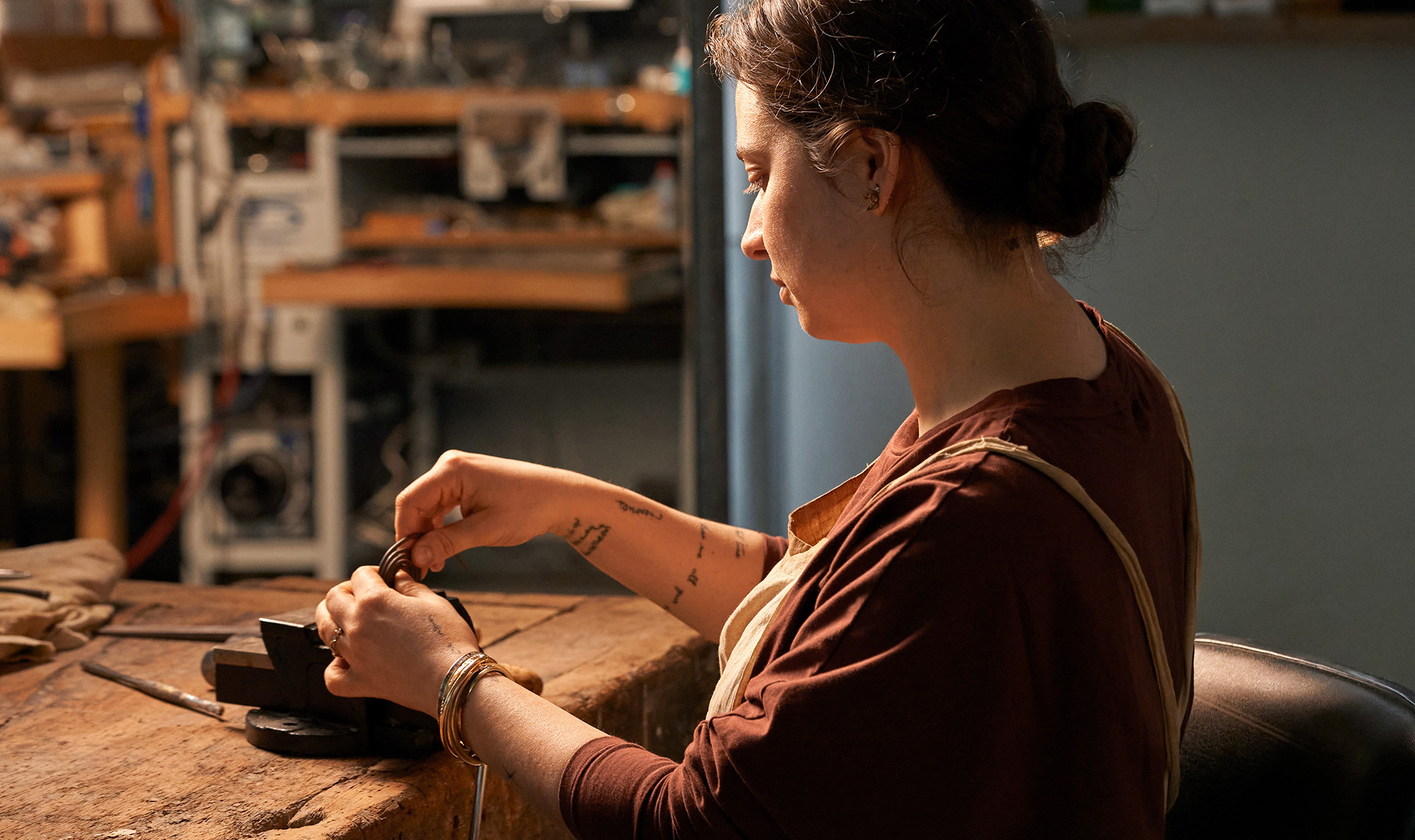
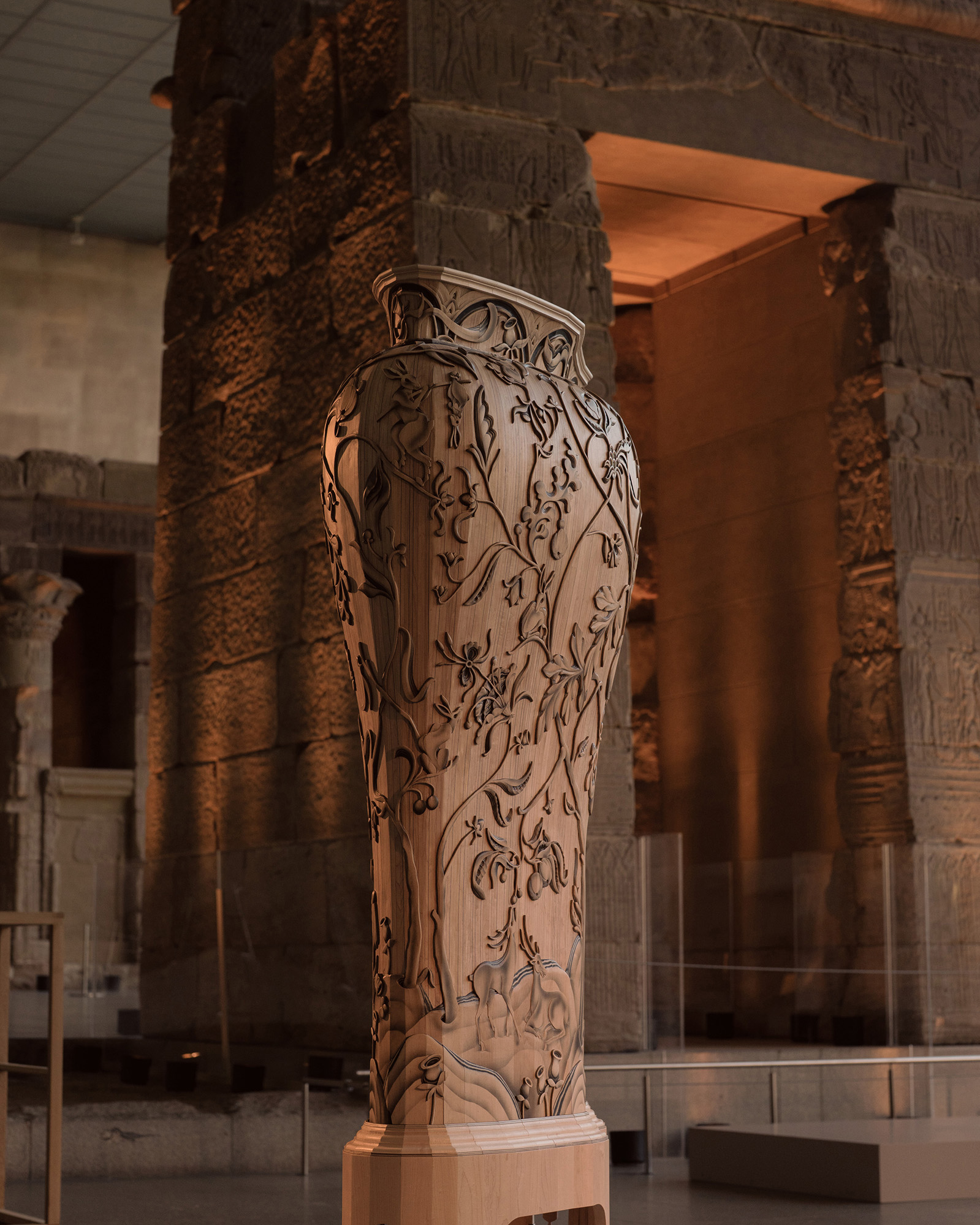
Vacheron selected three artisans who work in different mediums for the program: Aspen Golann, an American woodworker; Joy Harvey, a British goldsmith based in Italy; and Ibrahim Said, an Egyptian-American ceramicist. Golann created a massive, five-foot-tall wooden vessel that was inspired by the 17th- and 19th-century American furniture at the Met. During her visit to Vacheron Constantin, she was especially interested in the enameling and engraving techniques. That level of detail is something she carried over to Vessel, carving intricate unicorns, flowers, and fruits into the wood.
Harvey drew upon her background in traditional Florentine jewelry, as well as her chemistry schooling, to create Ruined Splendor. While exploring The Met, she stumbled across a gold headdress from China’s Song Dynasty and a pair of gold earrings from 1st-century India. An unfinished painting by Théodore Rousseau instilled a somber and peaceful feeling, an emotion that she sought to capture in her final piece. She went to great lengths to create a diadem with delicate, seed-shaped pendants like those seen on Greek necklaces, and with custom alloys recalling ancient bronze. At Vacheron’s workshops, she learned guillochage, an engraving technique which now adorns the crown’s tiny flowers. The final step was to pierce the diadem with machine-made rods, effectively “ruining” it, and demonstrating how beauty is fleeting.
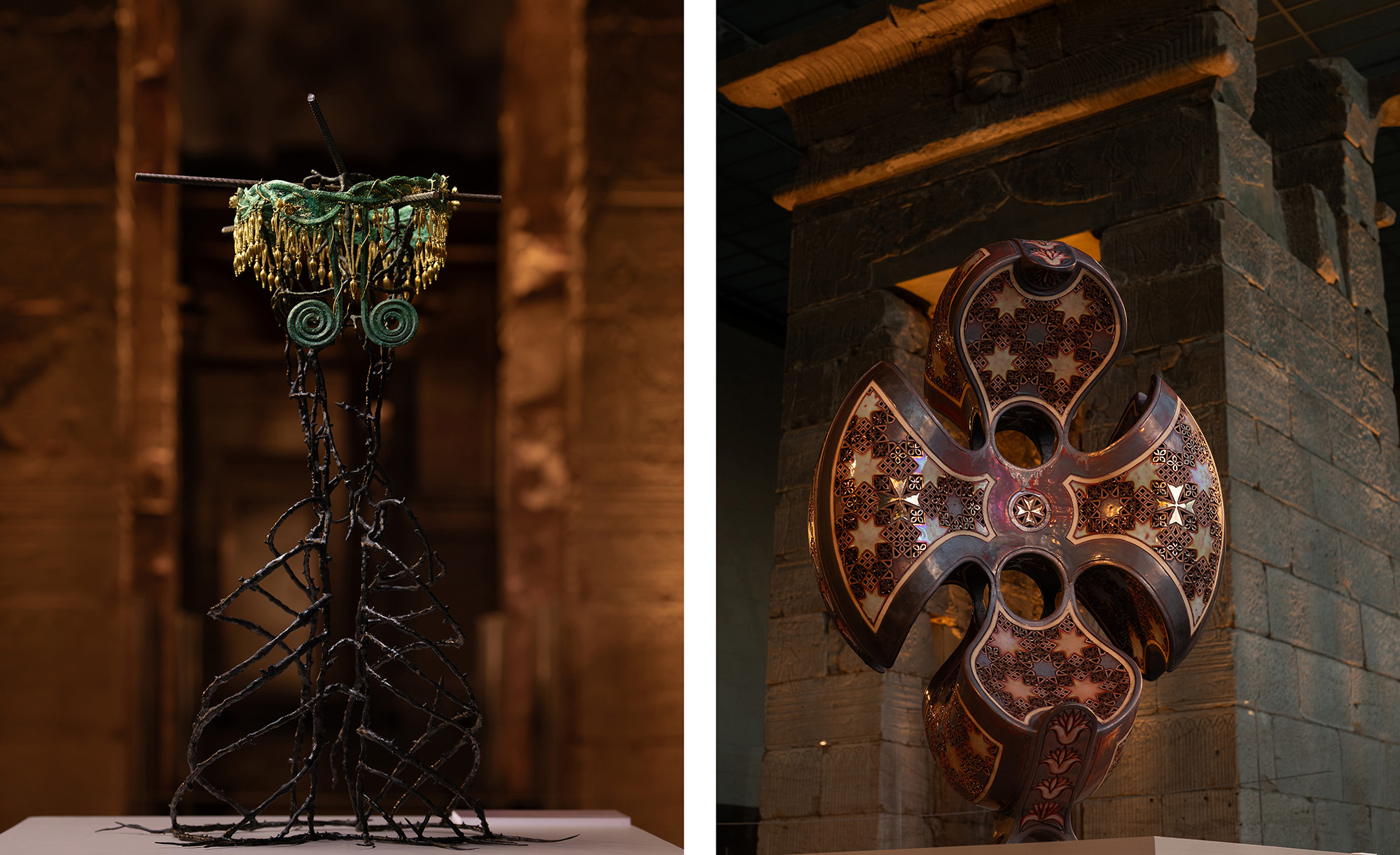
Said’s piece, Shaping Time, was created in his North Carolina studio. Raised in Cairo, he was drawn to The Met’s sprawling collection of Egyptian antiquities, like a floral necklace found in Tutankhamun’s embalming cache. The intricacies of these pieces—and Vacheron’s incredible enamelling and lacquer painting traditions—inspired him to create a monumental, three-tiered ceramic structure reminiscent of the brand’s cross emblem. Here, it’s rendered in vivid color, with beautiful glazes and motifs evoking ancient Egyptian and Islamic cultures.
Ultimately, these three works demonstrate the program’s commitment to expanding traditional craftsmanship, and directing it into new forms. Christian Selmoni, the style and heritage director at Vacheron Constantin, believes that there is a growing demand for things made by hand. “You’d be surprised how much the new generation is interested in watchmaking,” he says. “I think we’re living in a digitized world, but as humans we are analog. We’re reconnecting to where we come from.”
The Japanese artist’s cheerful wool figures are rooted in Shinto beliefs, and hold deeper meaning about the myths that divide us.
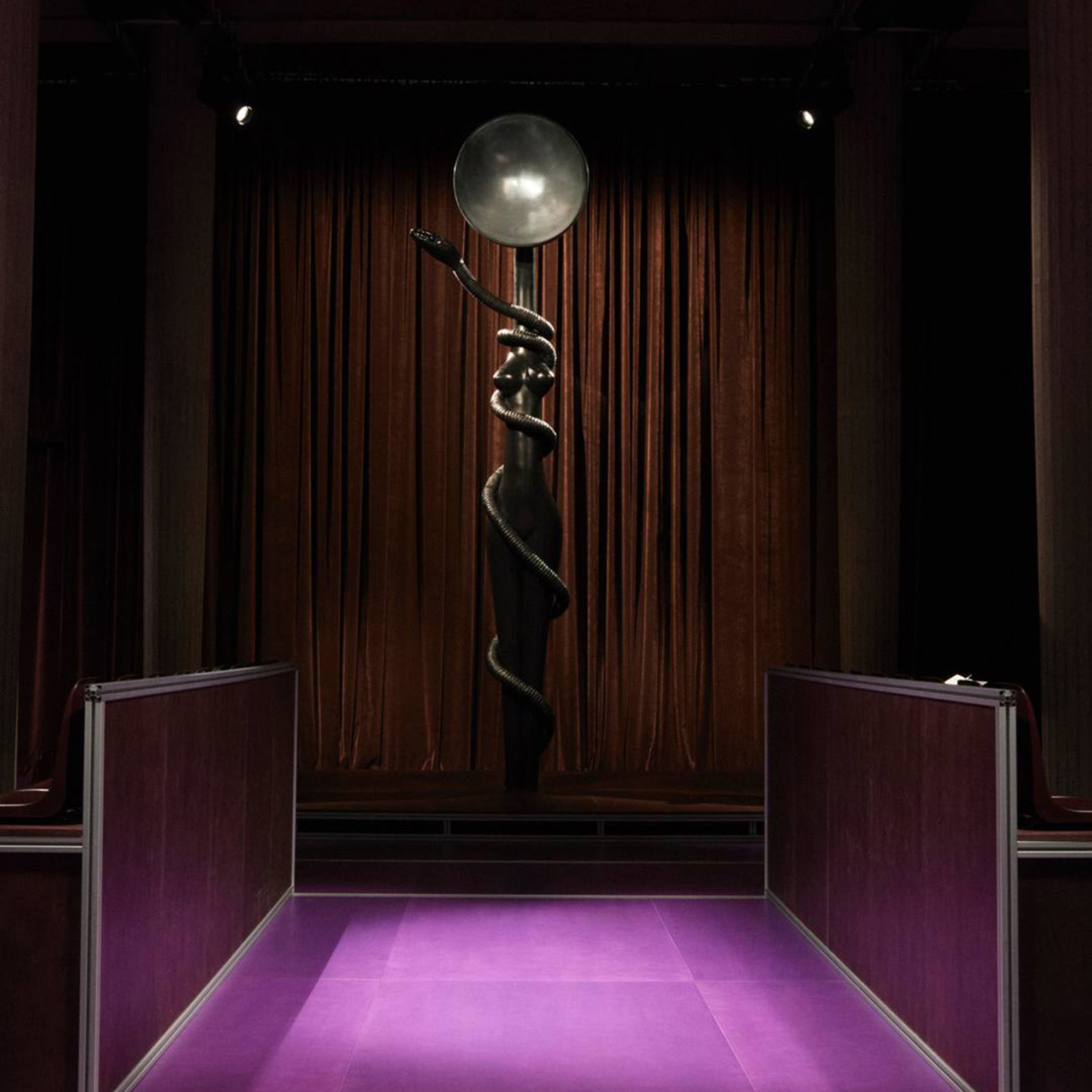
Go to the fair, but the rest of the city is putting on a show, too. Whether it’s a sprawling exhibition at the Fondation Cartier or an artist’s debut in a de Gournay apartment, here’s what to add to your list.
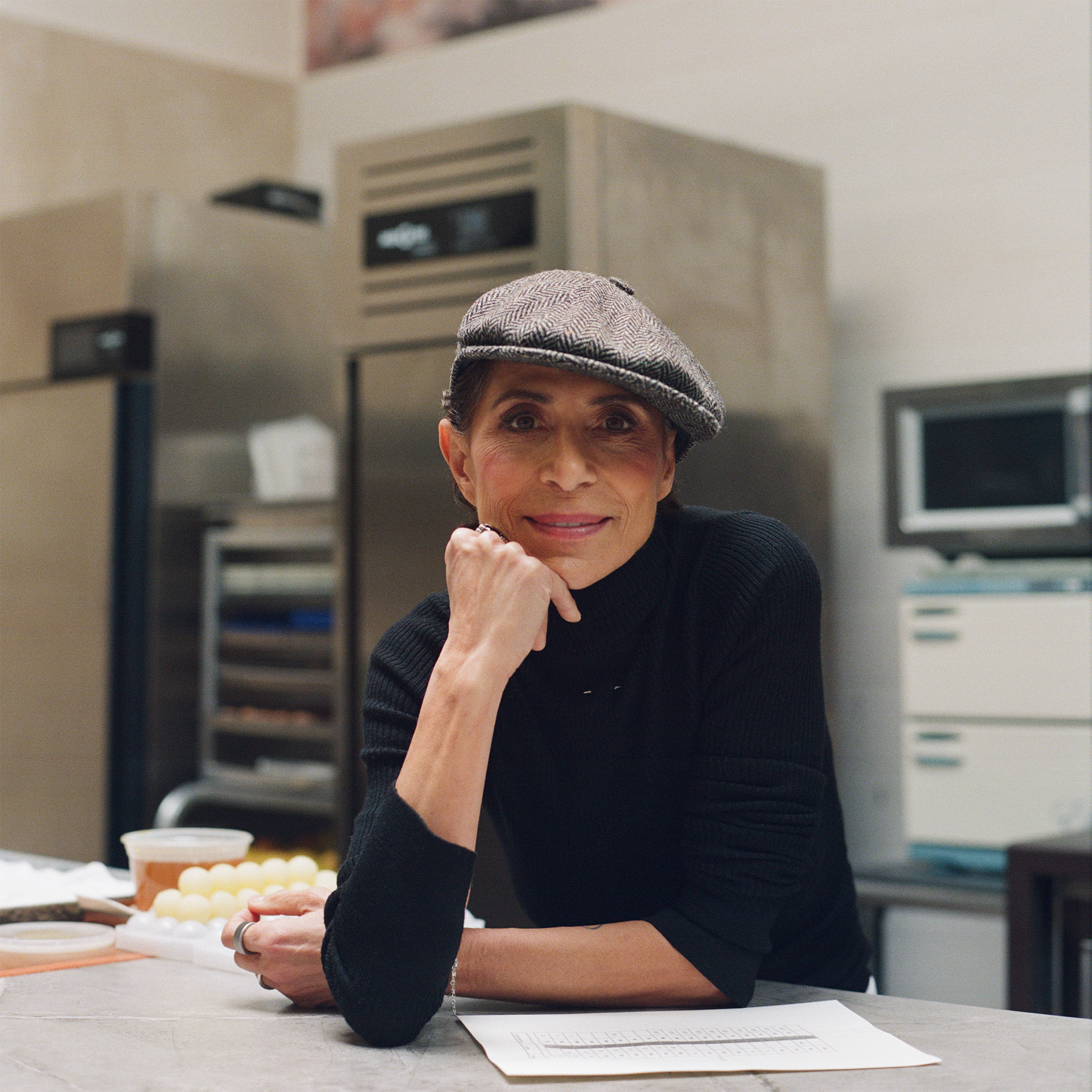
The trailblazing chef has been a creative force in food for decades. As she launches a new venture with Belmond, we stepped inside her renowned San Francisco kitchen.