The Japanese artist’s cheerful wool figures are rooted in Shinto beliefs, and hold deeper meaning about the myths that divide us.
October 21, 2026By
VASILISA IOUKHNOVETS
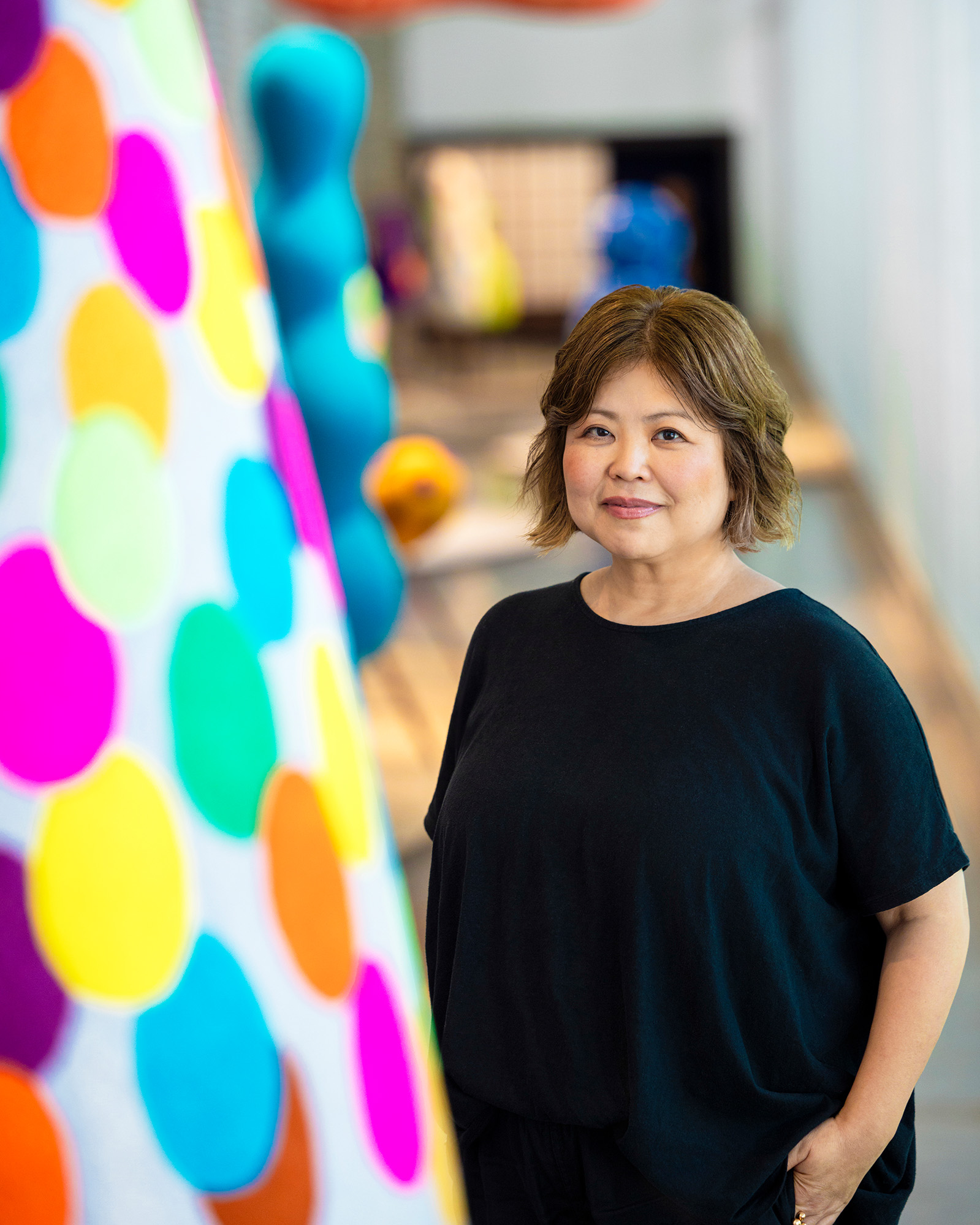
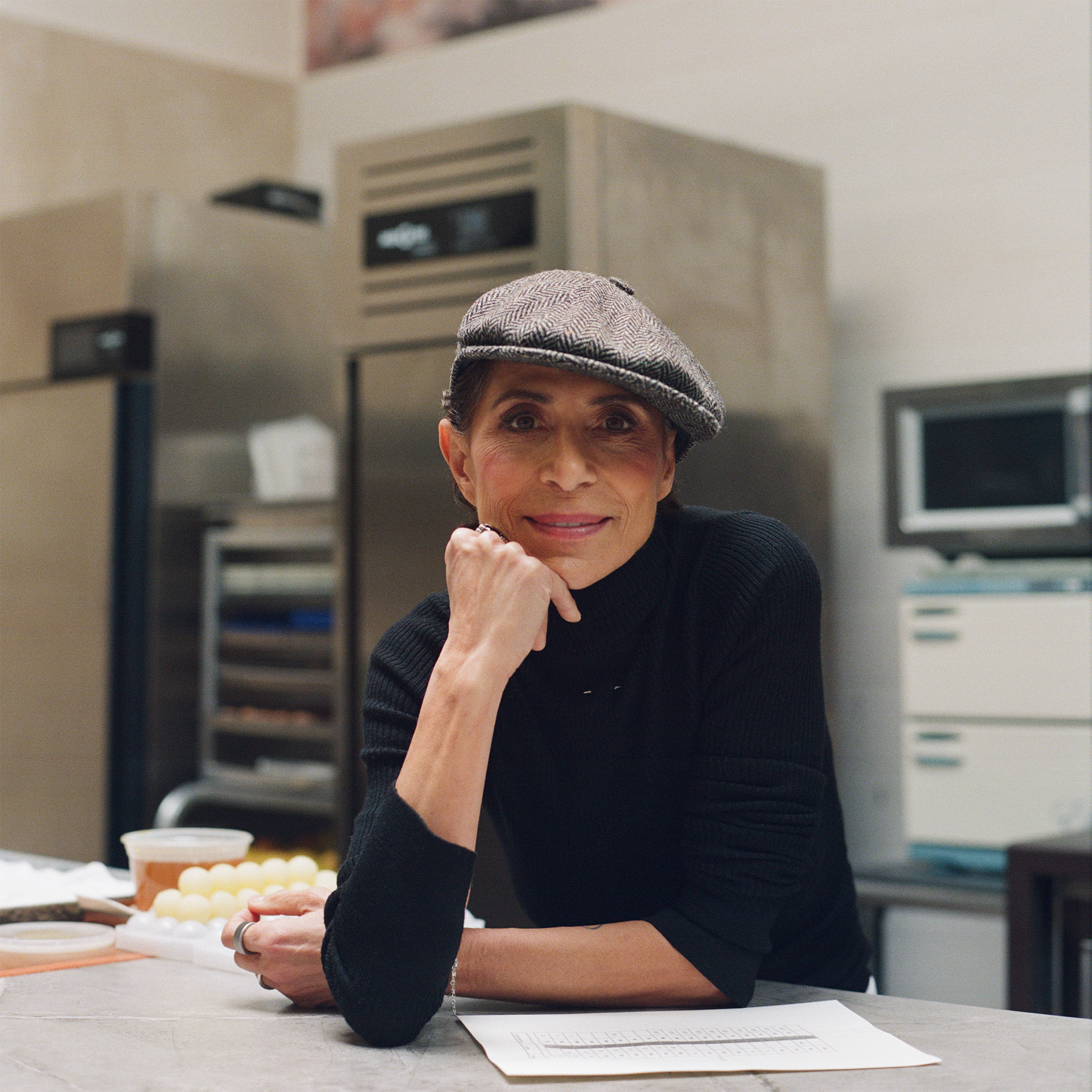
Artist Masako Miki with her colorful wool sculptures. Photo: Courtesy of SCAD
When Masako Miki started felting wool sculptures, they were small enough to hold in her hand. Over the last decade, these whimsical creations have ascended in tandem with her career. Now, the plushy forms—decorated with bright colors and patterns—are big enough to hug.
Miki was born in Osaka, and moved to the Bay Area to study abroad when she was 19. Early on, art became a lifeline back to her culture. Her anthropomorphic characters spring from the Shinto belief that spirits inhabit all things, from clouds to umbrellas. Many years later, at 52, the artist has attracted a wide-ranging audience. She had a pivotal first solo show at The Berkeley Art Museum in 2019, and has since exhibited across the States, even decorating the windows of Maison Hermès in Tokyo.
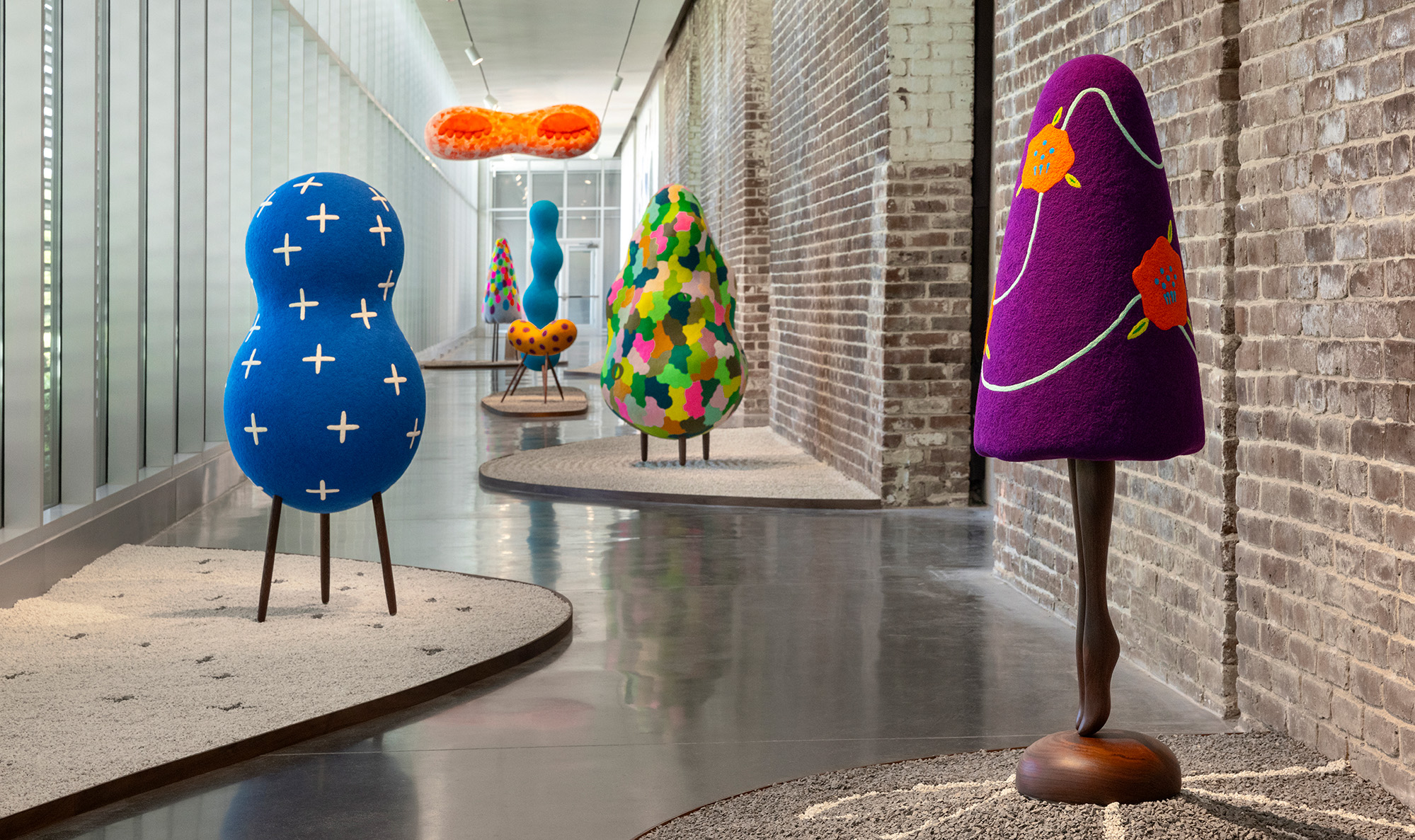
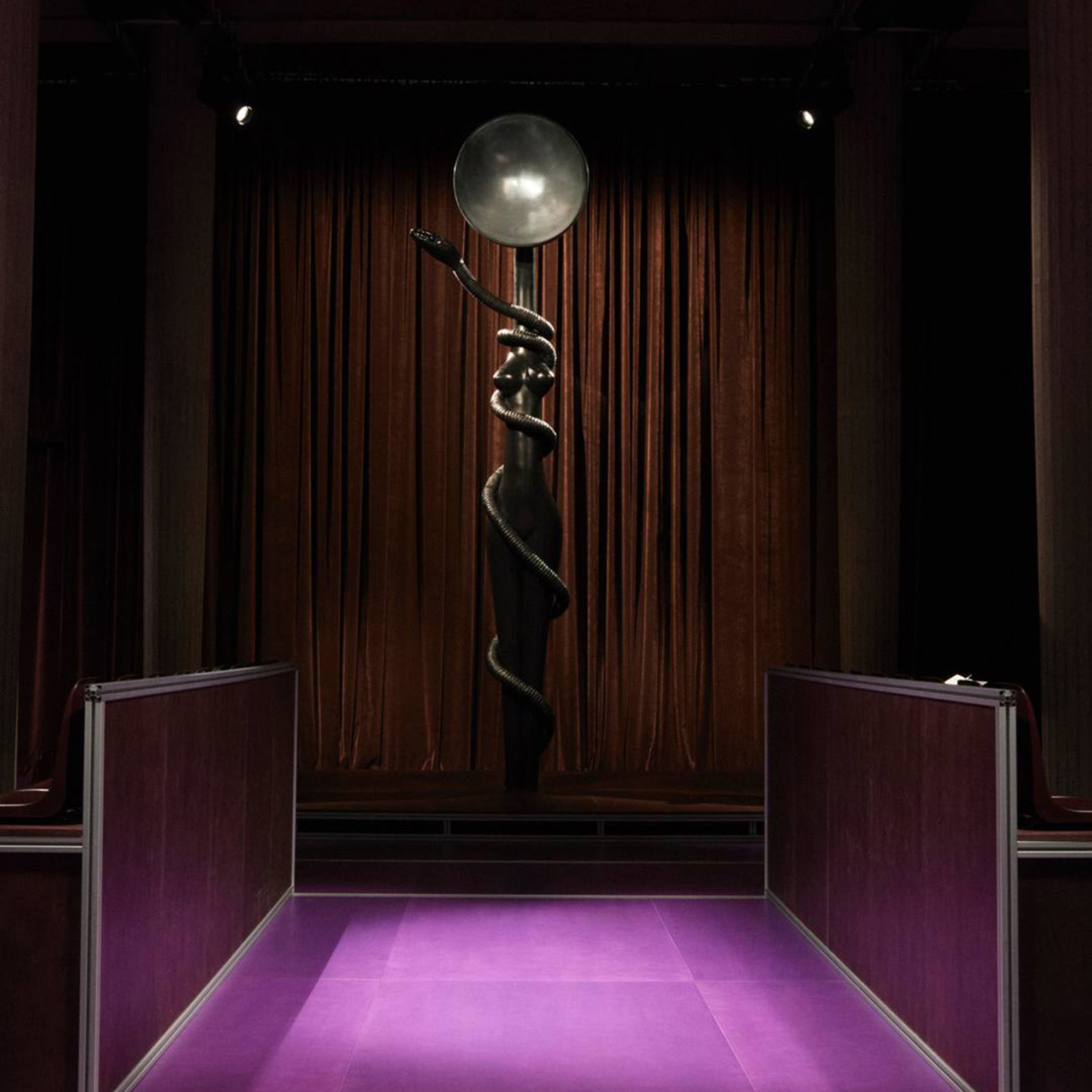
In her latest show, “The Garden of Wandering Spirits,” which runs through December 13 at the SCAD Museum of Art, over a dozen adorable works populate an indoor Japanese zen garden in what may be Miki’s most poetic installation yet. I sat down with the artist to ask how her upbringing informs her work, the painstaking process of felting her creatures, and the deeper meaning they hold.
For the exhibition, Miki imagined an indoor Zen garden populated by her large-scale, six-foot-tall sculptures. Photo: Courtesy of SCAD
How did growing up in Japan and studying in California influence your work? Japanese aesthetics are rooted in me from growing up in Japan. I’m obsessed with Japanese history, and history in general. Coming here, there were a lot of struggles, and I questioned myself. But as I’m getting older and maturing as an artist, I’ve started to feel like it had to be this way. The hybridity of different backgrounds and cultures—that’s really a place where I see something new, or I discover something from the process.
How long have you been working with felt? And how did that come about? Since 2016, so it’s been 10 years. The first encounter was when I took a very simple needle felting workshop. I wasn’t really thinking about making that medium my primary one, but I had a really good connection with the craft. I can’t really explain it, I just really liked it. I was making miniatures, and then I had the opportunity to do a show at The Berkeley Art Museum, and they gave me one of the biggest rooms. So, I had to fill it. But this is what artists do. There’s an opportunity, and I really wanted to have a show. So I had to make them big.
How long does each sculpture take? It’s a long process. I would say three to four months. The piece looks very simple, but there’s a lot of engineering and felting—I have a love and hate relationship with felting.
Can it be a meditative process? It’s definitely meditative. Making is about the process, but my work especially is very labor intensive. Time becomes a part of the work, so the figures have a sense of time and weight. That’s something we talk about with AI, that nowadays we have everything done very quickly. The way that I work, I feel like those thousand hours I spend are not replaceable. I’m hoping that comes through.
What was it like installing your works in a Japanese garden for the first time? That was something I was excited about, but it’s always a mixed emotion, because at the same time I didn’t know how it was going to turn out. I had a vision and we all planned really well, but it was also a mix of spontaneity. There were a lot of things that emerged just from being here myself.
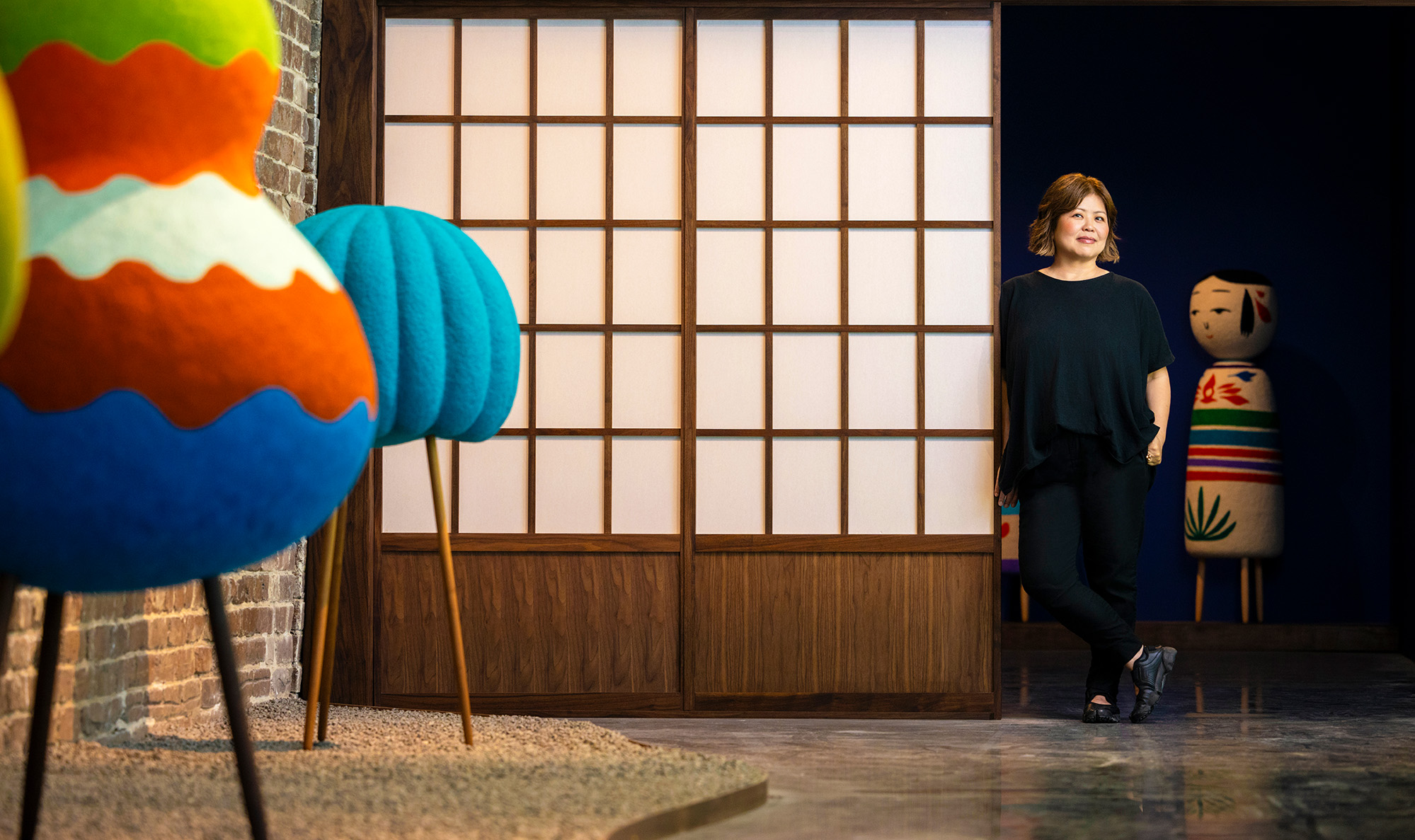
Miki’s whimsical characters hold a much deeper meaning. Photo: Courtesy of SCAD
Who were your early influences? I definitely am influenced by Noguchi, but I’m more influenced by his park design. I love his sculptures too, but with Play Mountain he had an idea about how the space itself becomes an artwork. He had this enormous vision about how nature becomes art and art becomes nature.
There are only a few of his playgrounds in the U.S. They were designed to be spaces for people to explore. But when it becomes real, and the government is involved, it becomes an issue of liabilities. That wasn’t his intention. There are a lot of interesting conversations around that. Like, what does it really mean to explore something?
I thought you were going to say it was his abstract sculptures, not playgrounds, that influenced you. I think that idea about exploration, especially from Noguchi, is a big inspiration for me. The reason it’s so important is because it has to come from yourself. When you’re exploring, you’re following your curiosity. No one’s telling you where to look and where to go. You’re self-directed, and that leads to new discoveries. I feel that my work as an artist, especially when I’m creating these installations, is thinking about how visitors will react to these installations.
I’m also hoping visitors will take their own direction about the particular narrative that I’m referring to, or the characters coming from Japanese history, and what it means in a contemporary setting. That’s possible in art because we have such a diverse language. It’s not scripted all the way through.
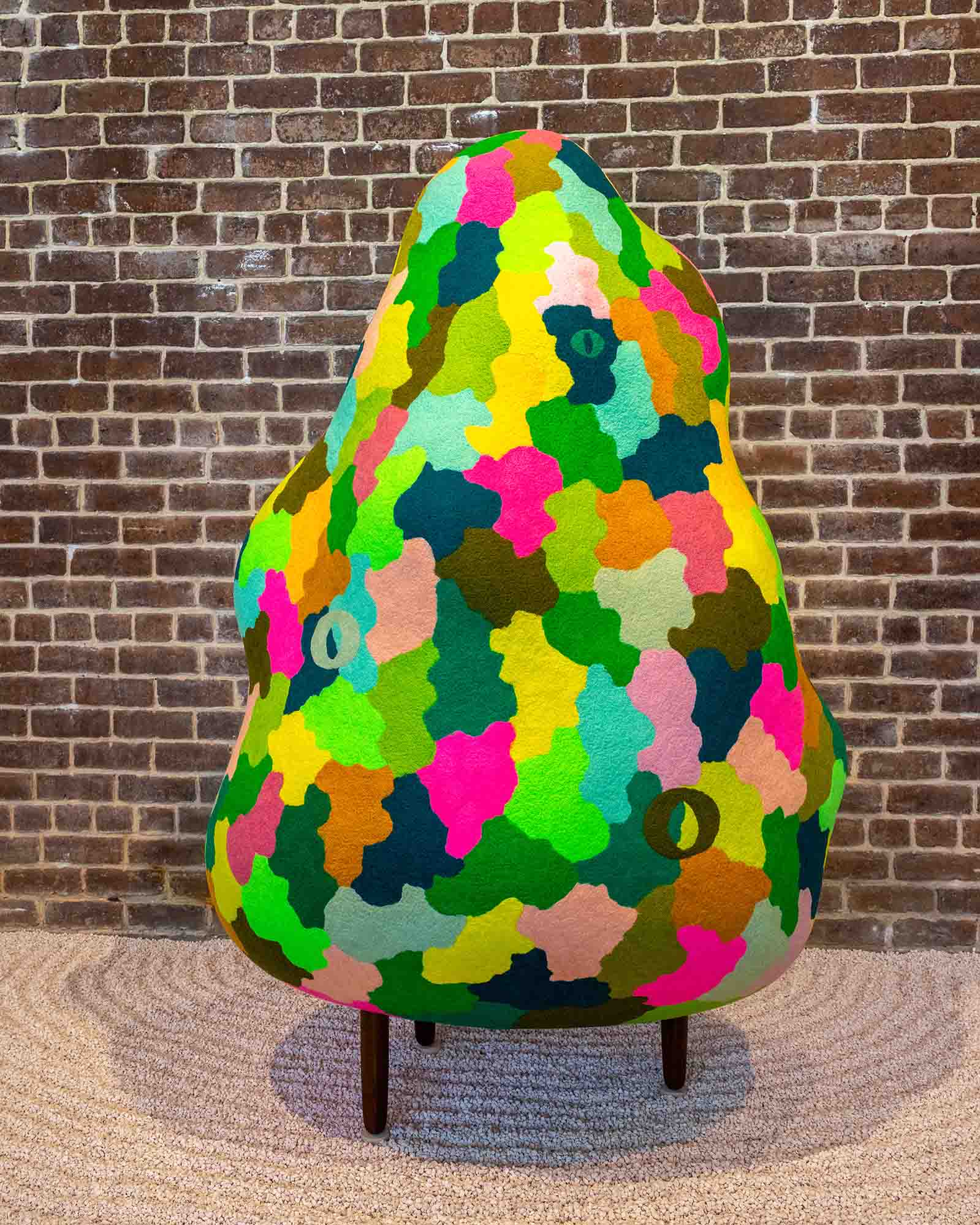
Some of the artist’s wool sculptures lean more abstract, like Ancient Tree Witness (2023), an organic form marked with eye-like shapes. Photo: Courtesy of SCAD
There’s something refreshing about how cheerful and joyous your works are. Is that intentional? It’s definitely intentional. My work, deep down, is really about questioning old myths that are not even true. There’s a lot of systemic racism that we live in, and myths that bring chasms between us. Once you believe in one, that becomes your reality. I’m really interested in how we need to deconstruct these myths that are negatively affecting our lives.
You can talk about the dark history of the United States, of the history of slavery. In Japan, we have a lot of atrocities that have been done to other South Asian countries. And we have Hiroshima and Nagasaki and all these things. I don’t want that to happen again. So how do I create a context where I can still talk about these difficult, dark issues that we live in? It has to be the opposite.
I need to invite people to have these conversations. These characters, these shapeshifters, are spirits that continue to live in Japanese culture from ancient Shinto concepts that have survived throughout history. They have very diverse characteristics, and they’re also anonymous. It’s intentional that I want people to start wondering about who they are. Where do these stories come from? We made them.