Piero Lissoni: The Humanistic Approach
The architect's signature has helped to define Italian design today. As the artistic director of B&B Italia, he's guided the brand into a new era of innovation and boundary-pushing style.

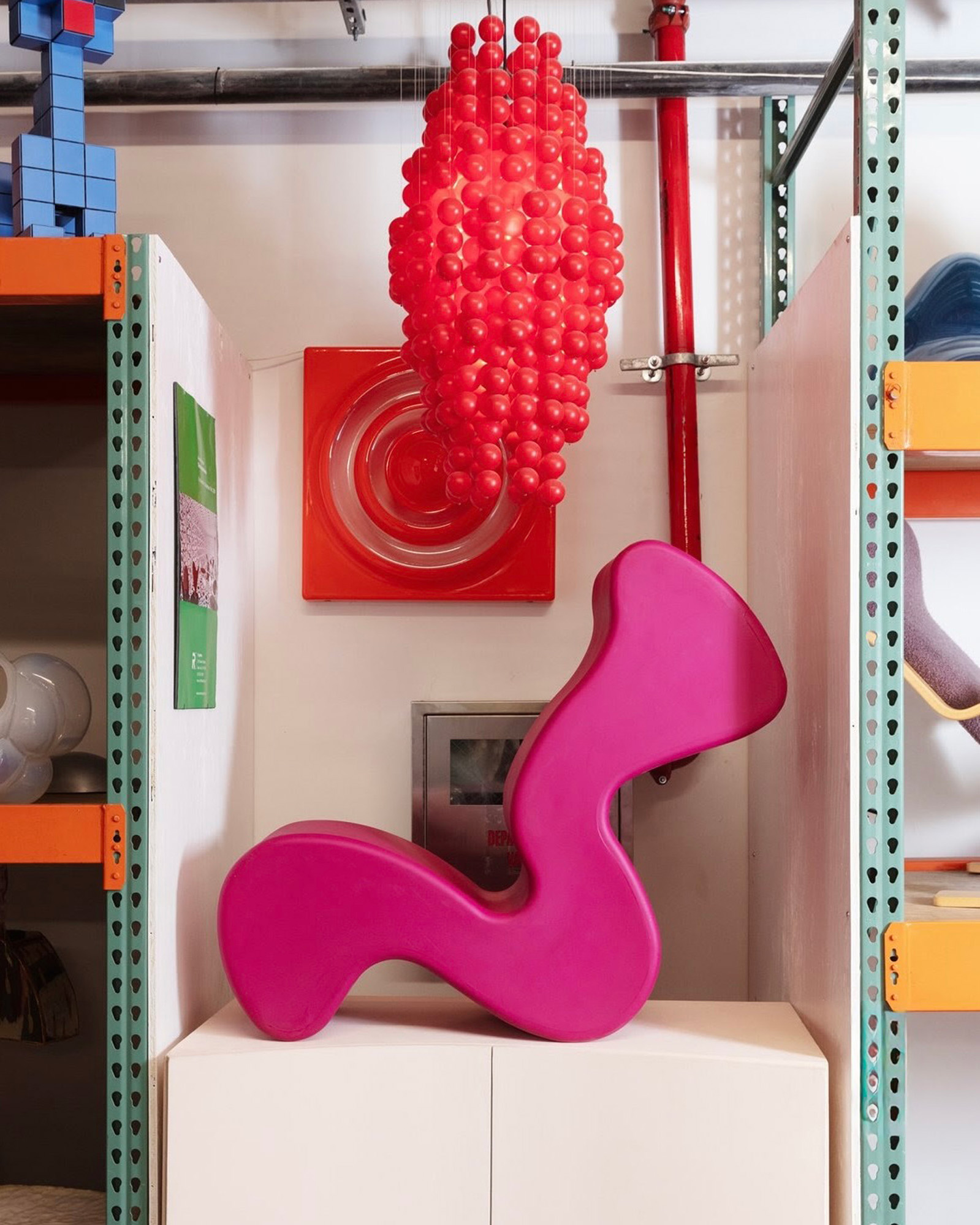
“We just had to dig in. There was no other way to do it,” says Evan Snyderman. “We had to start opening some boxes.” Snyderman co-founded R & Company, a collectible design gallery that has elevated a bevy of contemporary designers to global stardom—and boasts an impressive collection of 20th-century pieces to boot. But the creative director wasn’t cracking open boxes for another solo show at R’s downtown location. This time, the team had its sights set on something far more ambitious: transforming its Brooklyn Navy Yard warehouse into a by-appointment-only space for visiting clients. Called Building 86, the hidden enclave is part gallery, part museum, and, of course, part point of shipment.
It was an idea that Snyderman and Zesty Meyers, co-founder and CEO, had been kicking around for years. The duo had moved R & Co.’s various collections to the current space 10 years ago, but it was a rushed job. “We unexpectedly lost our other warehouse that we’d had for 15 years,” says Snyderman. “We had to move out in a very short time, and we had just bought the White Street gallery, so we were in the process of moving in there. That caused us to just throw everything in here.” Now, the duo have parted with their White Street outpost—they still have a footprint nearby, on Franklin Street—and are focusing on developing Building 86 as a fully fledged gallery of its own.
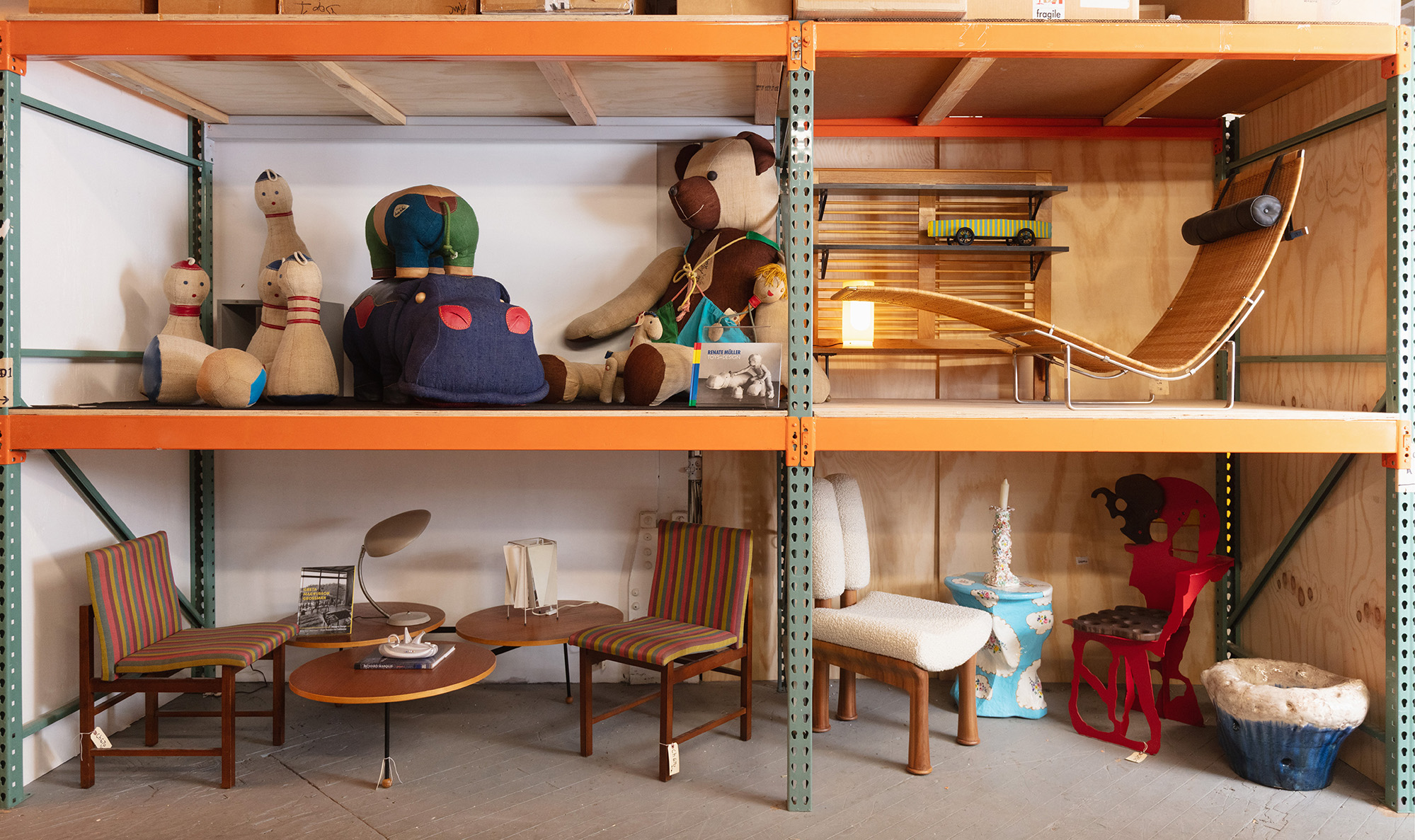
The space is set up as a series of vignettes showcasing design both storied and contemporary. One shelf holds early stools and lamps from the Haas Brothers, nearby, there’s a display of stuffed toy animals from the 1960s by German designer Renate Müller. A separate space is lined with shelves upon shelves of chairs from need-to-know design world names like Lina Bo Bardi, Wendy Moriyama, and the Campana Brothers. And while the warehouse is meant to be traversed by clients, not everything is for sale—some pieces are part of Snyderman and Meyers’ personal collections. There are plastic Wendell Castle pieces that were one-offs made in the 60s, as well as early prototypes from Poul Kjærholm and Greta Magnusson Grossman. Some pieces, such as the nest-like La Cova by Gianni Ruffi, have never before been shown at the gallery. “It’s been wrapped in plastic and buried back there forever,” says Snyderman. “There are five of these in the world.”
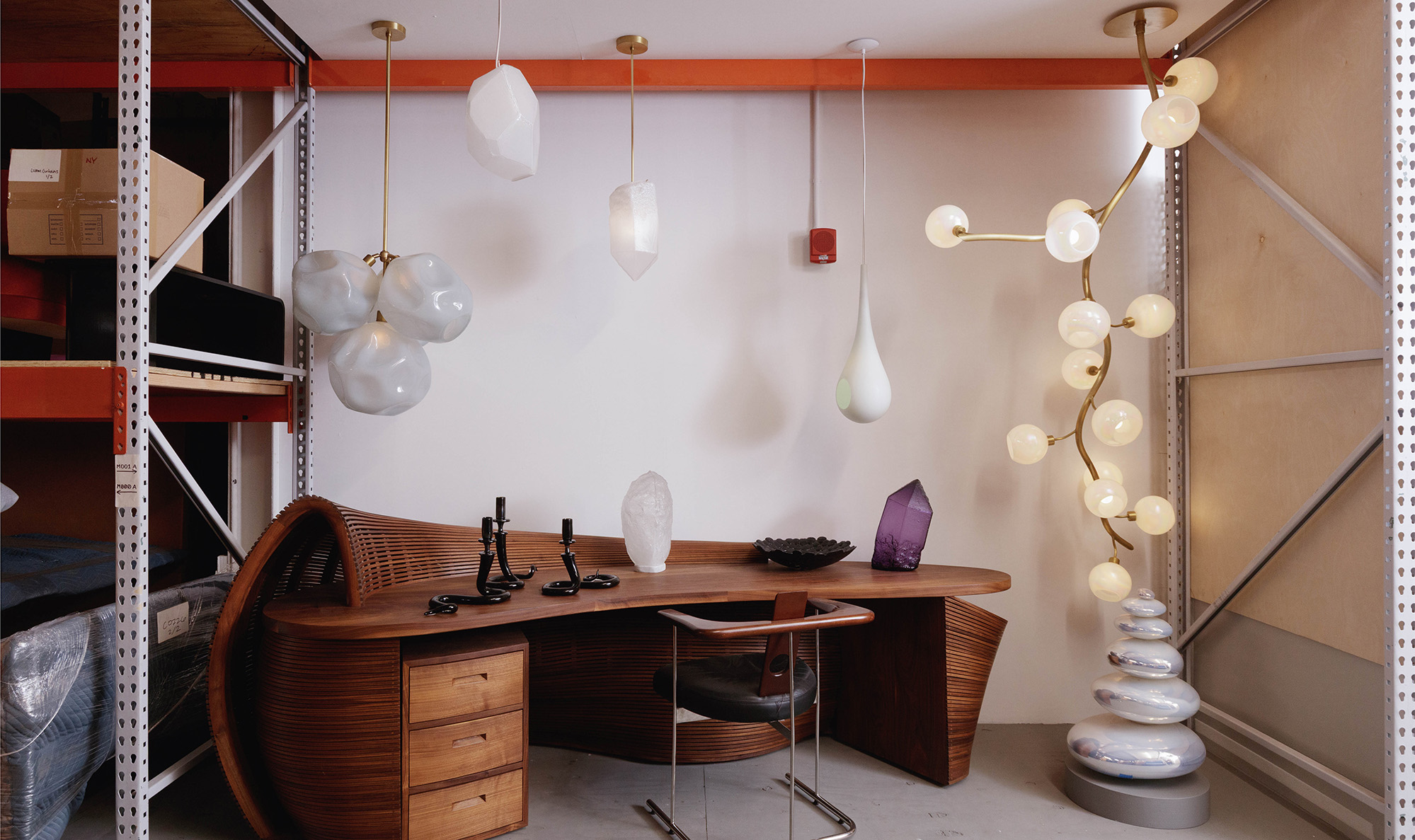
The warehouse’s various “rooms” and vignettes will change as the days pass and clients purchase the for-sale work. Snyderman estimates that they have three to five appointments per day, and that R & Co. will eventually start using Building 86 for events. But the work’s not done—only about half of the boxes have been opened, a project that he hopes to complete over the next six months. Unearthing these tucked-away treasures is an act of discovery even for the gallery’s founders. “Everything is in our database, but we might have bought a piece 25 years ago, taken a picture on some who-knows-what kind of phone or camera, and buried it in the back,” Snyderman says. “So we’re rediscovering things that are really awesome, and that we could never get to.”
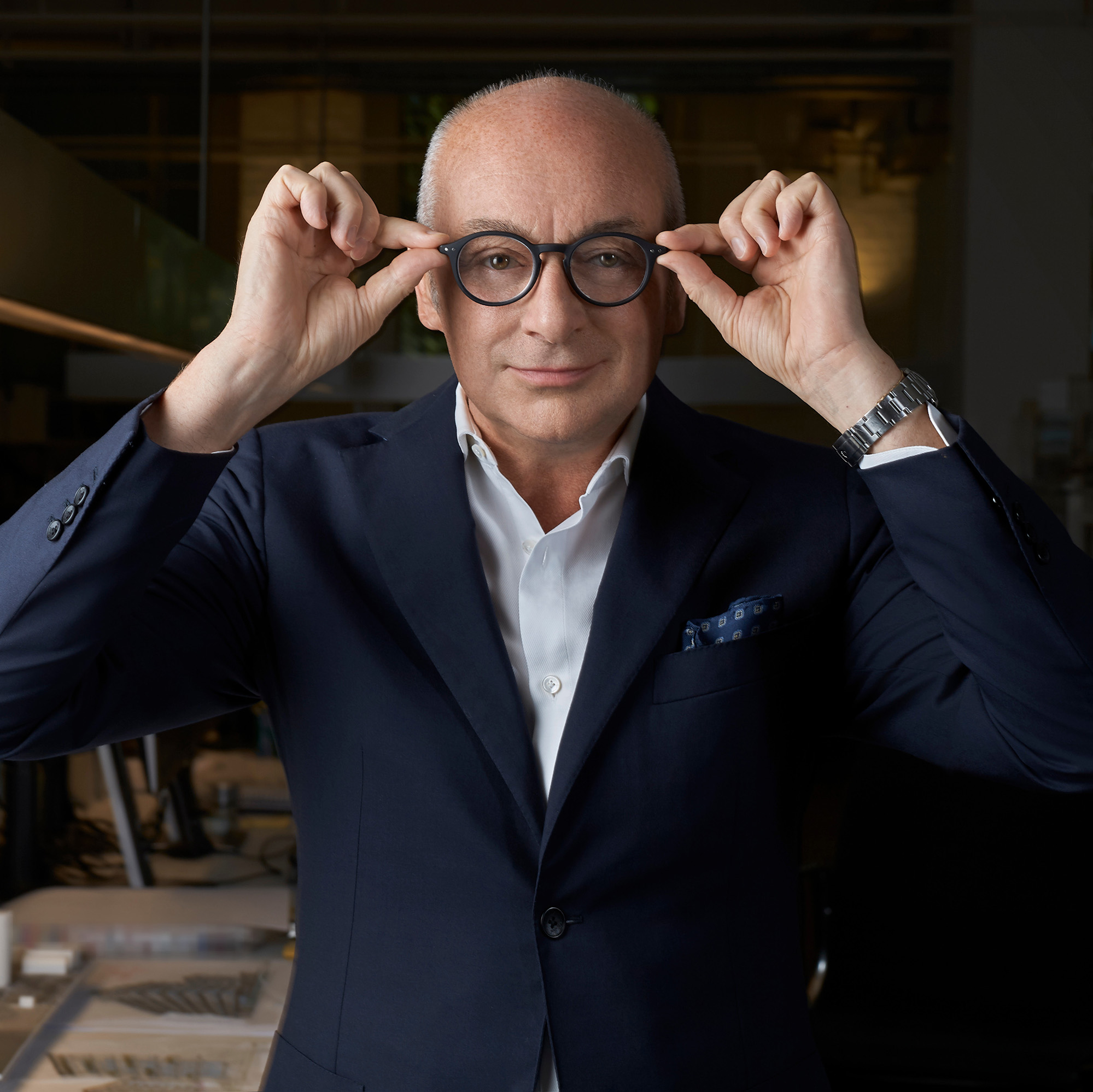
The architect's signature has helped to define Italian design today. As the artistic director of B&B Italia, he's guided the brand into a new era of innovation and boundary-pushing style.
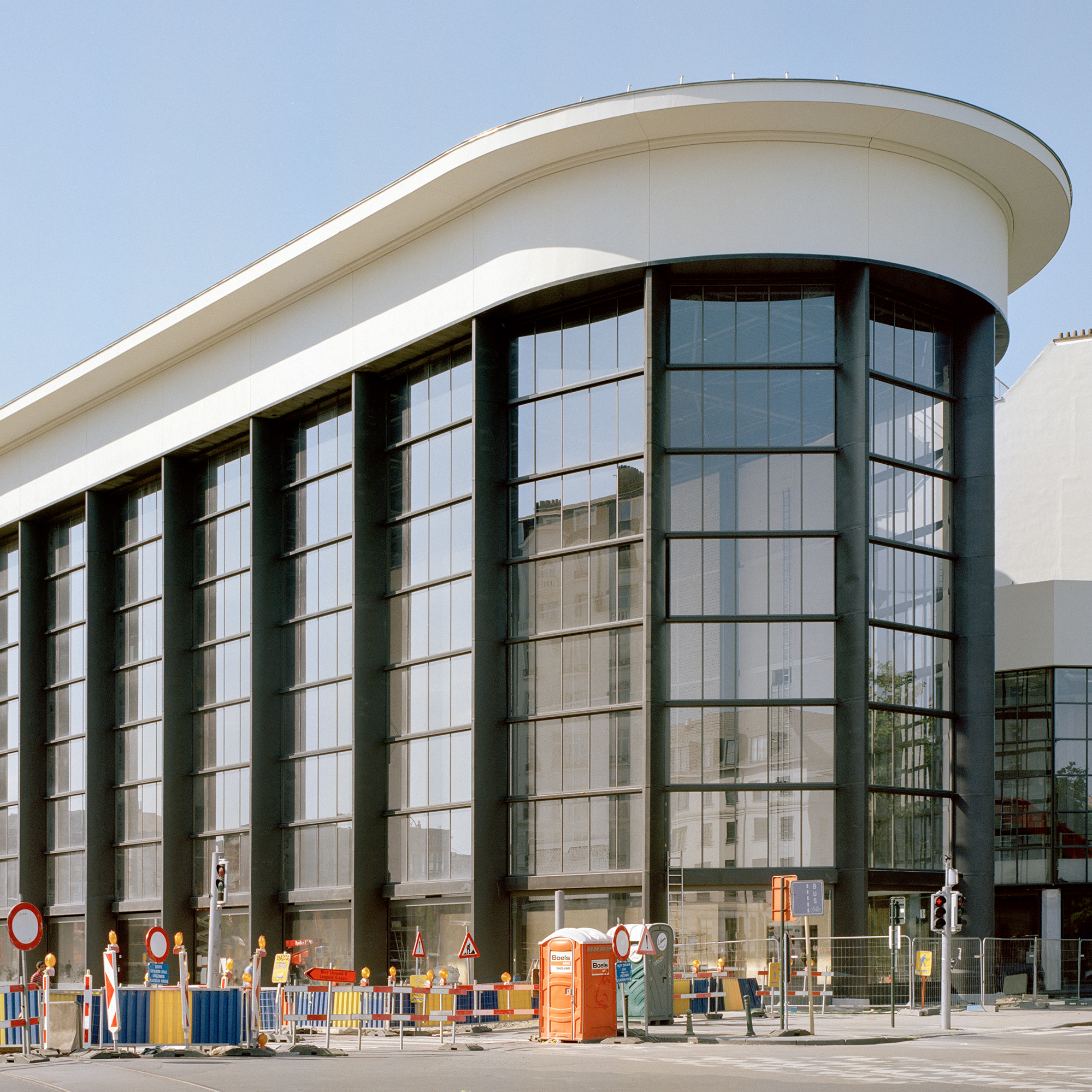
Long overlooked by the art world, the capital of Belgium is emerging as a design-driven mecca for art and culture, thanks in part to the latest outpost of the Centre Pompidou.
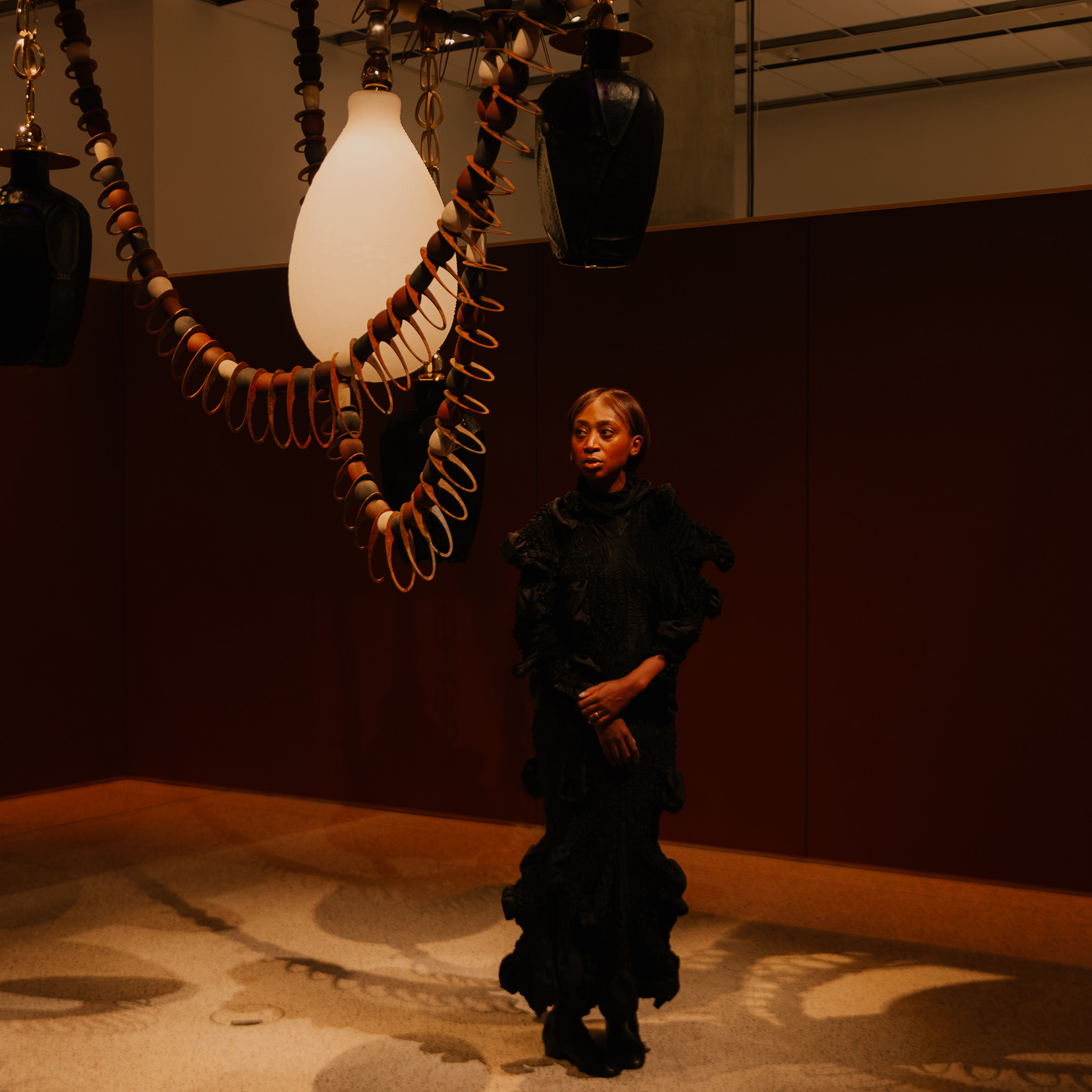
With more than 100 objects spanning architecture, fashion, and furniture, Charlene Prempeh’s exhibition maps a global, nuanced picture of Black design—and invites others to keep the story going.