Boucheron Showcases Nearly 170 Years of High Jewelry at Christie’s
The renowned house looks back on its vibrant history and its incredible pieces that have pushed the boundaries of craftsmanship.

This article is from our Spring 2026 print issue, available online now.
Kelly Wearstler is one of the most influential interior designers in the world—known for her fearless more-is-more aesthetic, blending vintage with contemporary, old-school Hollywood glamour with a modern twist, masculine heft with feminine flair. Over the past three decades, the Los Angeles–based designer has built a multifaceted product empire, as well as residences for the likes of Cameron Diaz and Gwen Stefani, and hotels for Viceroy and Proper. She’s penned several books, been a TV judge, and even writes a Substack called Wearstlerworld, a newsletter “about design, fashion, travel, influences, rationales, and limitlessness.”
So it’s no surprise that this creative polymath has recently launched Side Hustle, a new multidisciplinary, curatorial platform to champion everything from sculpture and design to performance and digital media. Wearstler, who describes it as a “creative playground,” collaborates with a wide range of artists and designers—both established and emerging—from all over the world. The first show, “Again, Differently,” debuted last fall at the pool house at her Beverly Hills home. “It was the former screening room of the Broccoli family, who produced all the James Bond movies,” says Wearstler. “It’s a 1,700-square-foot space with an amazing garden. People can make an appointment and come by and experience the physical space.” There are not many A-list designers who would open their own home to visitors or even take a chance on so many fledgling creatives. But this native Southerner exudes a warmth and optimism that’s so refreshing.
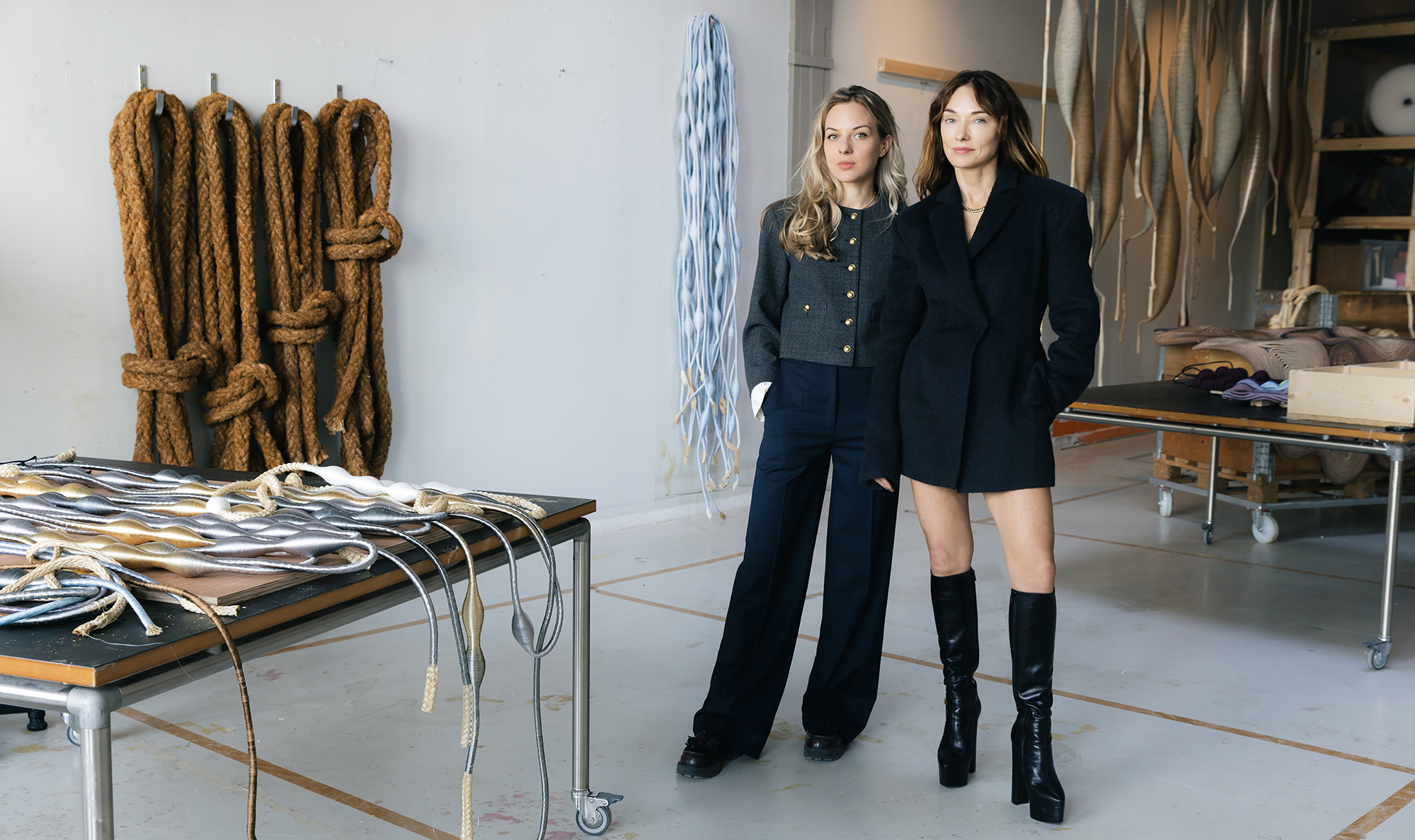
As part of her new platform, we asked Wearstler for some of her favorite independent makers and artists in a city she loves to visit: Amsterdam. With her as our guide, she let us tag along to three studios: Bibi van der Velden, a jewelry designer known for her levels of craft and hidden details; David Laport, a fashion designer known for his expressive forms who has a background in performance; and Joana Schneider, a textile and fiber artist who creates two- and three-dimensional works of wonder. We spoke to Wearstler recently at home during some rare downtime—she had just finished a session in the sauna—to learn about her greater Side Hustle aspirations, and more.
How do you find your artists and designers? How did you curate this show?
You know, through word of mouth. I’m really curious. And I always like looking, going to museums and galleries. Many of our clients are art collectors. So I was introduced to some of the artists by our clients. For this first show, we are featuring Sonia Gomes, a Brazilian artist who participated in the Venice Biennale two years ago for France. And I saw the installation where she sewed and wrapped different colorful fabrics and hung them from the ceiling. I was just blown away, so I got in touch with her. For our show, she wrapped different textiles on gourds, and then she cast them in bronze. They’re actually candlesticks. Kenneth Blume, formerly known as Kenny Beats, a DJ and music producer here in L.A., designed one final edition of a custom guitar collaboration with Fender Japan, which was originally released as a drop tied to his album Louie. I also did a studio visit with Nynke Koster in Amsterdam. She works in rubber. I flew her out to L.A. so she could cast all the architectural moldings in our home, which is 1920s Georgian style. And then we made rubber furniture from that, and I worked on the color theory with her. So it’s a collaboration with these artists, which is really fun. You learn so much from them and how they think. Working through their process lets me get to know the artist more intimately.
How did you come up with the name Side Hustle?
Well, for some artists, their art practice was their side hustle at first. And now they’re working fully in those side hustles. Another artist in the show is Mariko Makino. She used to be a chef, but she just felt so removed from seeing people enjoy what she was creating. She wanted to do something different and started making art. She ended up making these light sculptures out of timber and neon. And if you truly believe and want to make it happen, these are incredible stories for people to be inspired by.
How often will you change things up on the platform?
I don’t want to feel too much pressure. We had 10 artists in the first show. There’s amazing work to really talk about and tell their stories over the next six months. Maybe we’ll do something in late spring, early summer. We might do a drop with an artist during Frieze in L.A. But there’s no agenda. I just want it to happen when I feel like it’s the right time and the artists are ready. Obviously, we’re looking at it from a business perspective, too. I want to have conversations with artists, and just by doing that we can spread the word and grow the awareness.
You’re also not doing the typical traditional gallery, so it feels approachable.
I want it to be a friendly platform. You hear about people going to white-box galleries, and you don’t get a warm welcome sometimes. I just bring people to my home, an environment where they can spend an hour and enjoy the experience.
Who else have you collaborated with?
I worked with Perfumehead, a fragrance brand created by Daniel Patrick Giles, who is based here in L.A. It’s available at our online gift shop. It feels very L.A., with notes of orange blossom, Indian jasmine, Japanese quince, maté absolute, and palo santo. Only 50 bottles were made. I also worked with Karl Holmqvist, a Swedish artist based in Berlin. He made a T-shirt with hand-drawn text that says: Don’t Quit Your Day Job, 2025, which is cool. So we have some good merch.
You also have a section on the site called Collected Finds. How do you curate this?
I think that there’s really something for everyone. They’re collected works, which can be really rare vintage. When I travel and see all these unusual things, I pick them up along the way. They’re really special finds, whether they’re one of a kind or a rare version of something that a known artist has done.
Tell me about the Hustle Culture section of the website. It has a very strong aesthetic and point of view.
It’s like a mood board. It looks different than if you go to the Kelly Wearstler website. It really has its own voice. It’s very much a free spirit. It’s just inspiration—from a really beautiful selection of antique music books by a Russian graphic designer to a cool classroom chair by Stefan Wewerka from 1970 to a Sex Pistols T-shirt designed by Malcolm McLaren and Vivienne Westwood. The idea is you can just go and play around and explore.
There’s also an impressive roster of contributors to the site.
Jeffrey Deitch wrote a piece for the site. Zélika García, who is the founder of Zona Maco, also contributed.
What do you think is the future of design, especially with AI technology and all these capabilities now that everyone can kind of be a creative director?
I was an early adopter. We’ve been using AI for three years in our studio. We were even getting the beta versions of Sora, and we were experimenting with it and then reporting back to them. We use a lot of tools in the studio, and it’s been unbelievable. It opens up the creative floodgates. I think that AI is going to fuel so much creativity on so many levels, and it’s going to make people evolve. It’s going to make people obviously smarter and more efficient and give us more free time, which I think everyone wants.
But does it feel like it could swallow up a lot of the creative process that is important to art and design?
There’s so much sameness out there, and the sameness comes from Pinterest and Instagram—people seeing something and re-creating it. There are so many more fashion brands, furniture brands, and lighting brands because everyone knows where everything is made. I think AI is just going to help push people to do things more creatively. I think we’re going to see incredible architecture emerge from this. I think if you’re creative, this is just a tool, not a substitute for you. You’re still curating and creating. And you then have to execute. It’s like, okay, I’m going to come up with this crazy design for this chair. And here’s a great photo of it. What do I have to do now to get it made? So much of the success of something has to do with the execution, assembly, craftsmanship and the storytelling. It doesn’t just end with the photo.
Besides Side Hustle, what are the major projects you are working on?
We’re working on a really big project in Lake Tahoe, on the border of California and Nevada. It was an existing hotel that was owned by Frank Sinatra in the 60s. And it has a Frank Sinatra theater. There are six food-and-beverage outlets, a membership club, a wellness facility with racket sports, and a beach club. There’s also a casino, which is going to be very chic. We’ve been working on it for three years now. It’s going to open in another two years.
Aside from Amsterdam, I know travel is very important to your work. Where are you traveling next?
I’m actually going to Mumbai. I’ve never been to India before, so I’m really excited. We just partnered with a really well-known gallery in Mumbai. We designed a nine-piece collection made of bronze and enamel. So I’m going there, and we’re shooting the cover of Architectural Digest India. I’m going to visit the workshops we’ve been working with. We used a lot of traditional Indian methods, but the works are very modern.
Are you going alone?
I’m so excited because my husband’s coming with me. He never goes anywhere!
BIBI VAN DER VELDEN
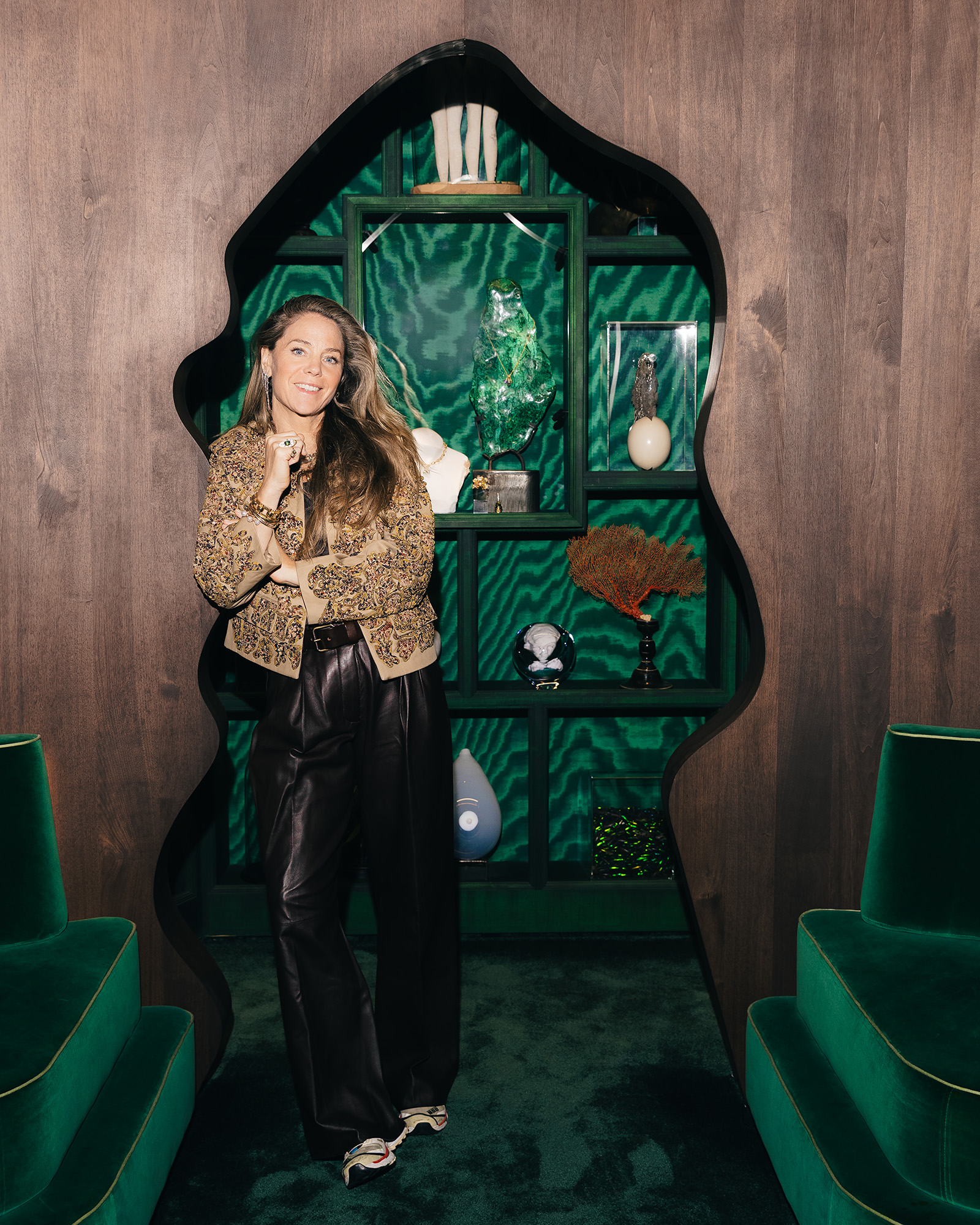
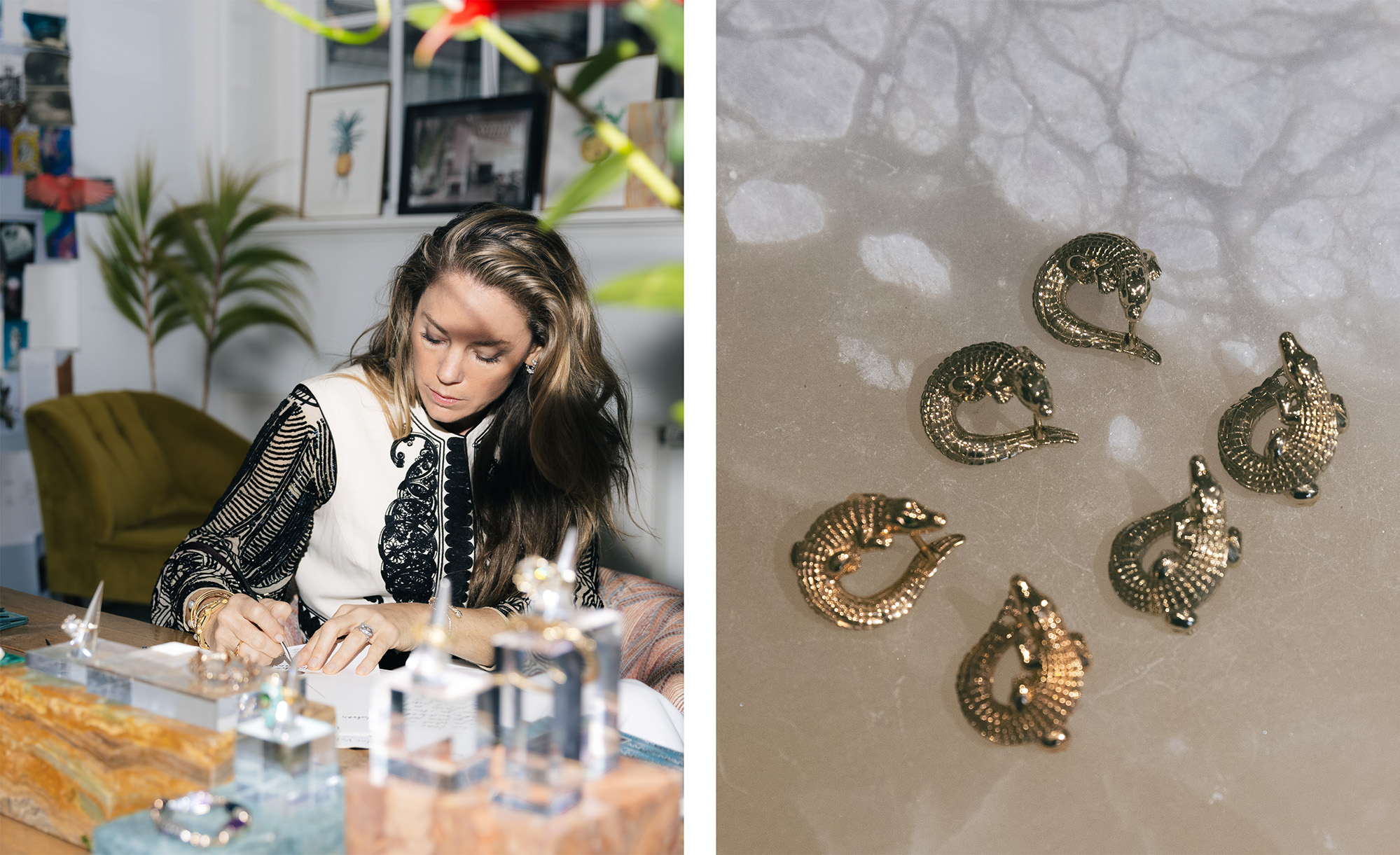
When Bibi van der Velden launched her namesake jewelry brand from Amsterdam in 2005, it seemed like the obvious extension of sculpture, a passion she’d inherited from her mother and honed in art school. The only difference was that these sculptures had to be small enough to be worn on an ear and forged out of 18-karat gold. But much like with Wearstler, it would be a mistake to try to pigeonhole the Dutch jeweler. Over the past 20 years, van der Velden has reinvented the wheel of fine jewelry with animal-inspired pieces that regularly feature mammoth tusks, ostrich eggs, and scarab beetle wings.
Perhaps the success of Wearstler and van der Velden’s brands is owed to a shared understanding of, as van der Velden puts it, “what it means to balance intuition, ambition, and creativity.” The two women juggle motherhood and business while making time to create across different disciplines. Van der Velden’s studio and brand office, located just off of Amsterdam’s Prinsengracht canal, also houses an art gallery called BibiMichèle that showcases white alabaster sculptures she carves with her mother. It was through the art world that van der Velden became acquainted with Wearstler. “There’s a real creative kinship,” she explains. “We’re drawn to many of the same ideas, materials, and stories.”
That they are similarly fond of Amsterdam—“a small city with a big creative spirit”—is apt. Just last fall, van der Velden opened a flagship boutique a 20-minute walk from her studio that’s designed to be full of surprises, like showrooms hidden behind bookcases. “I wanted it to feel like a place where you’re constantly stumbling upon hidden wonders, just as you would with one of my pieces,” she says. —Vasilisa Ioukhnovets
DAVID LAPORT
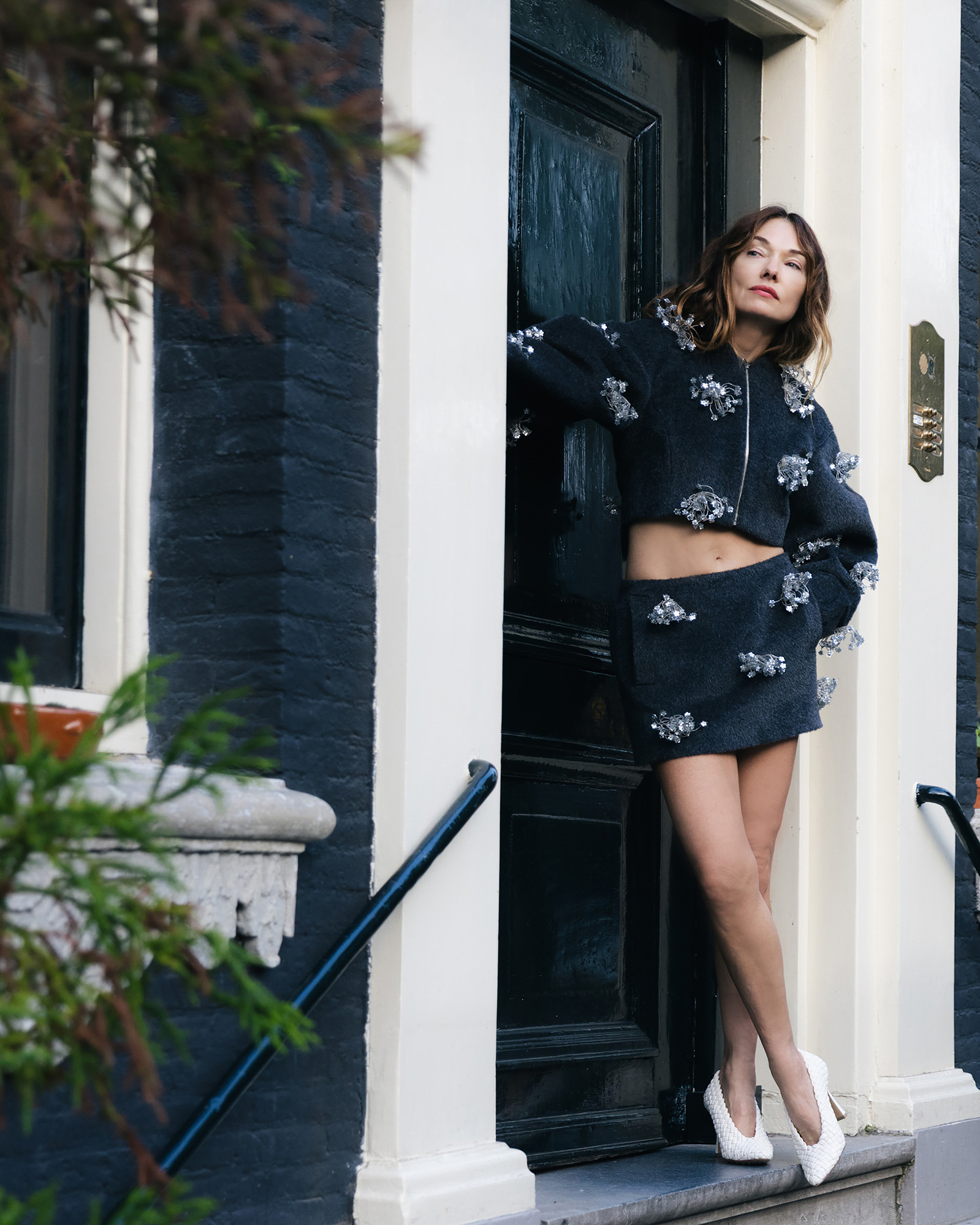
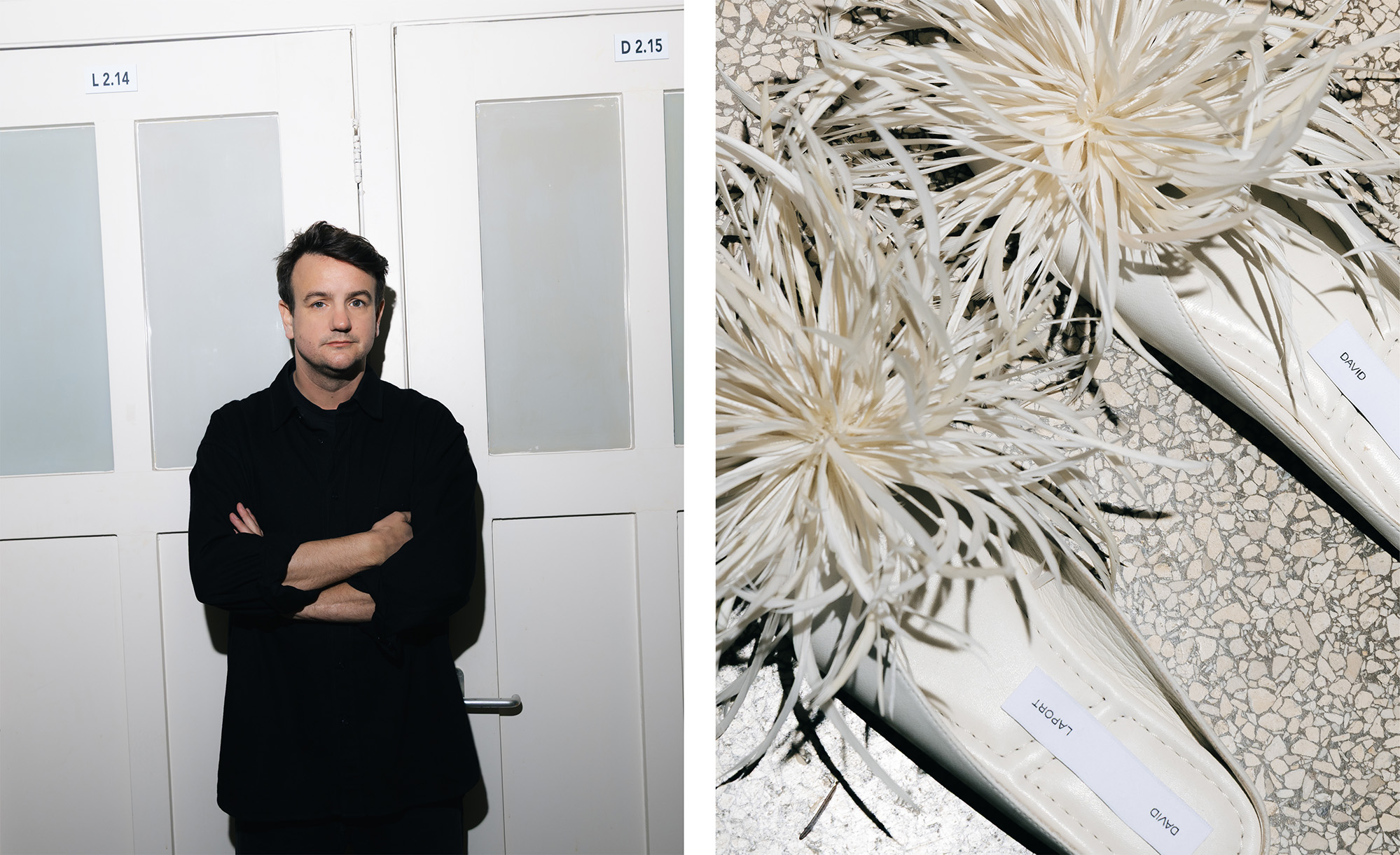
In 2023, Kelly Wearstler appeared on the cover of Harper’s Bazaar Nederland wearing a look from David Laport’s latest collection: a lime-green blazer dress that suited the bold taste the designer is known for. Wearstler’s keen eye was something that had inspired Laport. “It is amazing to dress her,” says the fashion designer. “She has a very strong and unique vision.” The two stayed in touch after the cover shoot, and last year, Laport’s studio customized a few looks from their new collection for her (one she wears on the first page).
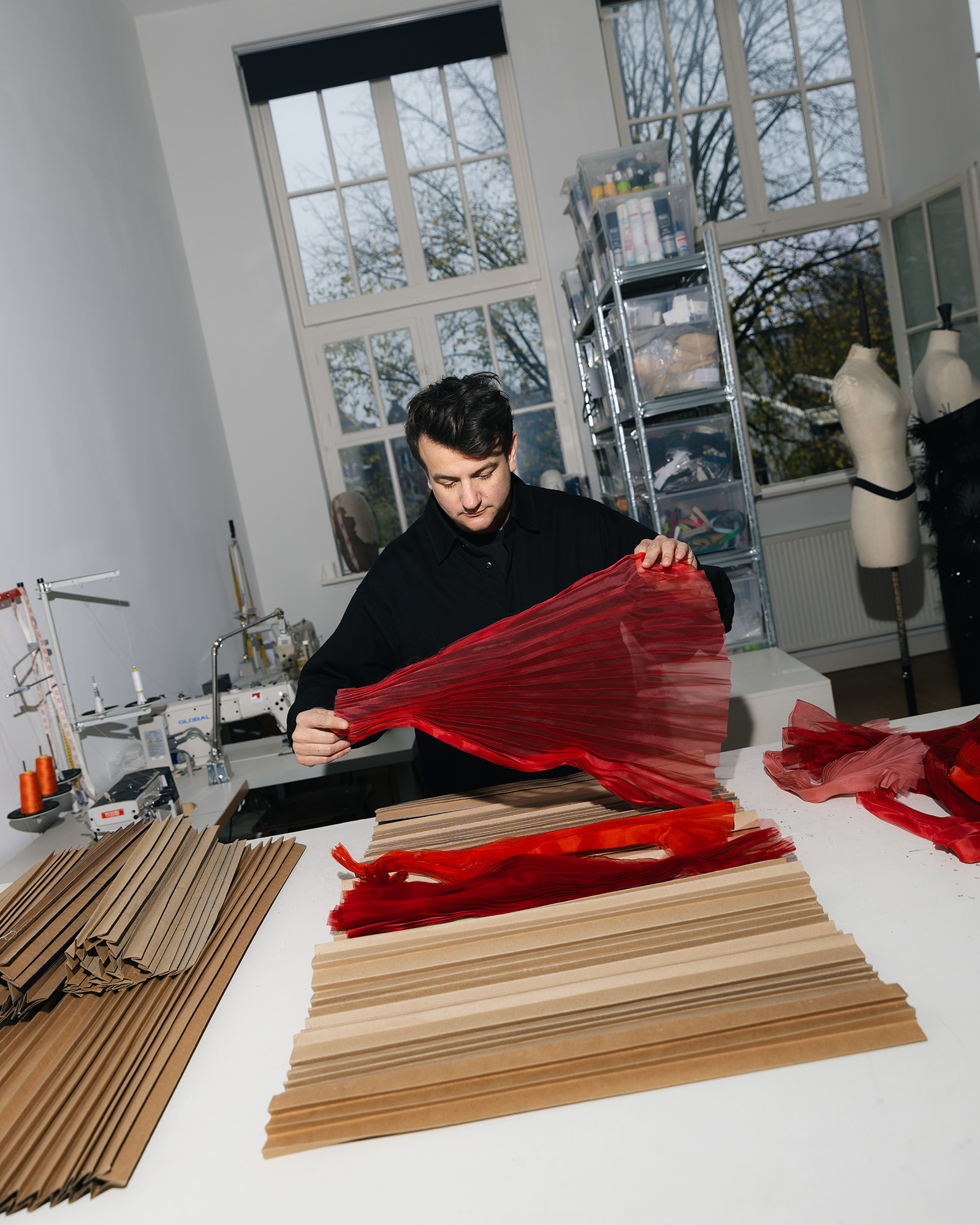
Laport started his womenswear label after graduating from the Royal Academy of Art in the Hague in 2012, and two years later he won the International Woolmark Prize. His studio is known for producing remarkable texture and shape, specifically pleats, a technique they taught themselves when ateliers were closed during the pandemic. In Laport’s hands, pleats are nothing like you’d see in a schoolgirl’s skirt. They are refreshingly light and airy, and made into voluminous flowers. “My work has a classical foundation,” he says, “with an edge.” Laport has dressed Rihanna in flamingo feathers and the corps de ballet of the Dutch National Ballet in reimagined tutus.
These days, Laport splits his time between his Amsterdam studio in one of the oldest parts of the city and a studio in New York’s restless East Village. The combination of worlds, he finds, is especially energizing. Especially this year because, alongside his fashion label, he is launching a new design studio called DLP Studio to formalize his product design work, such as a 30-foot-high Christmas tree for the Pulitzer Amsterdam hotel he designed this winter. “The most important thing for me,” he says, “is that I want to create beautiful things in freedom.” —V.I.
JOANA SCHNEIDER
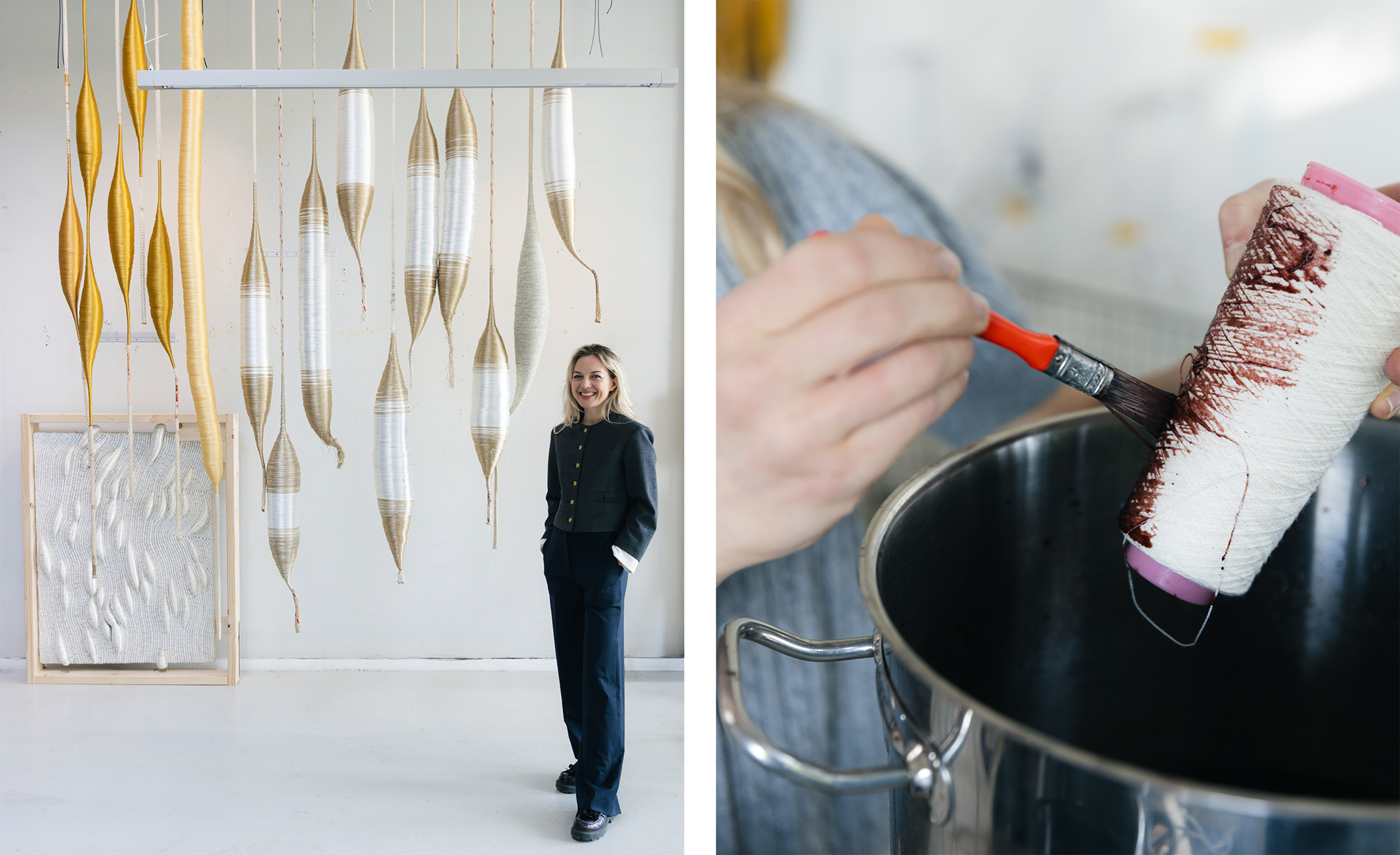
You would never guess that Joana Schneider’s art is upcycled, though it’s made from old fishing rope and netting she salvaged herself from harbors in the Netherlands. In her studio in Amsterdam, the artist painstakingly wraps the discarded pieces in thousands of layers of thread, often deadstock silk that she collects and dyes gorgeous hues before coiling into large-scale patterns.
When Wearstler started Side Hustle last year, it was this dichotomy of materials that attracted her to Schneider’s work. Together, they combed through Schneider’s vast archive of materials and samples, and Wearstler pinpointed samples that would inspire a new series for Side Hustle’s first exhibition, “Again, Differently,” hosted in Wearstler’s Beverly Hills home in October. “Kelly somehow manages to push the artists she works with to jump to that next creative level,” she describes. “She does it by paying attention to the most inconspicuous details.” Sometimes, she fell in love with a small piece of yarn dyed years earlier or a minute detail that would make its way into a new piece. “This way of working allowed for a collection of works unique to Side Hustle but authentic to my practice,” says Schneider. She created three works with Wearstler, oversize wall hangings of glistening and rippling silk.
The Netherlands, with some of the biggest harbors in the world, provides plenty of material for Schneider’s art, while inspiration thrives in Amsterdam. “I love how fluid the Dutch are in their approach to art and design,” says Schneider. “Many artistic worlds and languages are appearing throughout the city, with no restriction to material, form, or function. It is an exciting time to create.” —V.I.
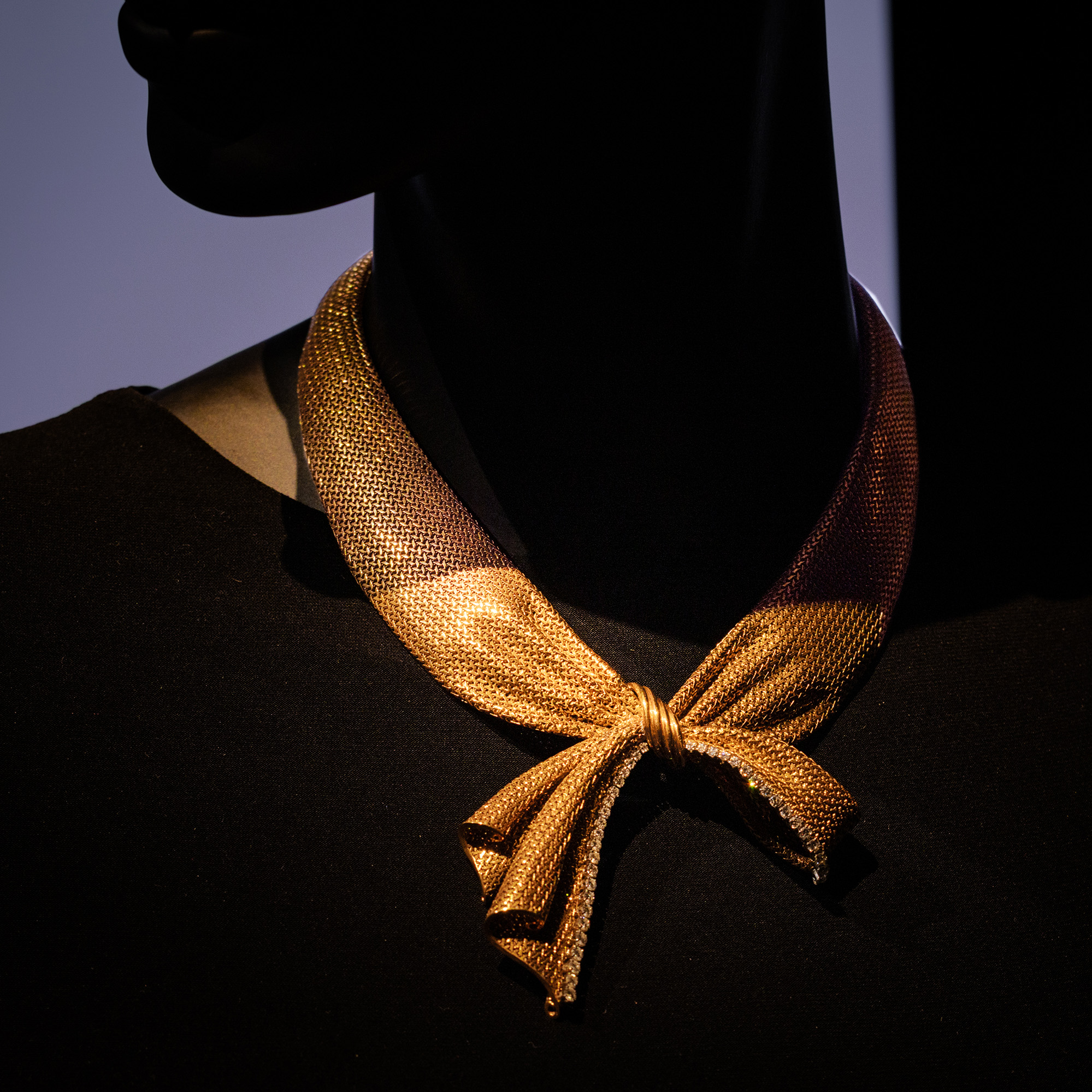
The renowned house looks back on its vibrant history and its incredible pieces that have pushed the boundaries of craftsmanship.
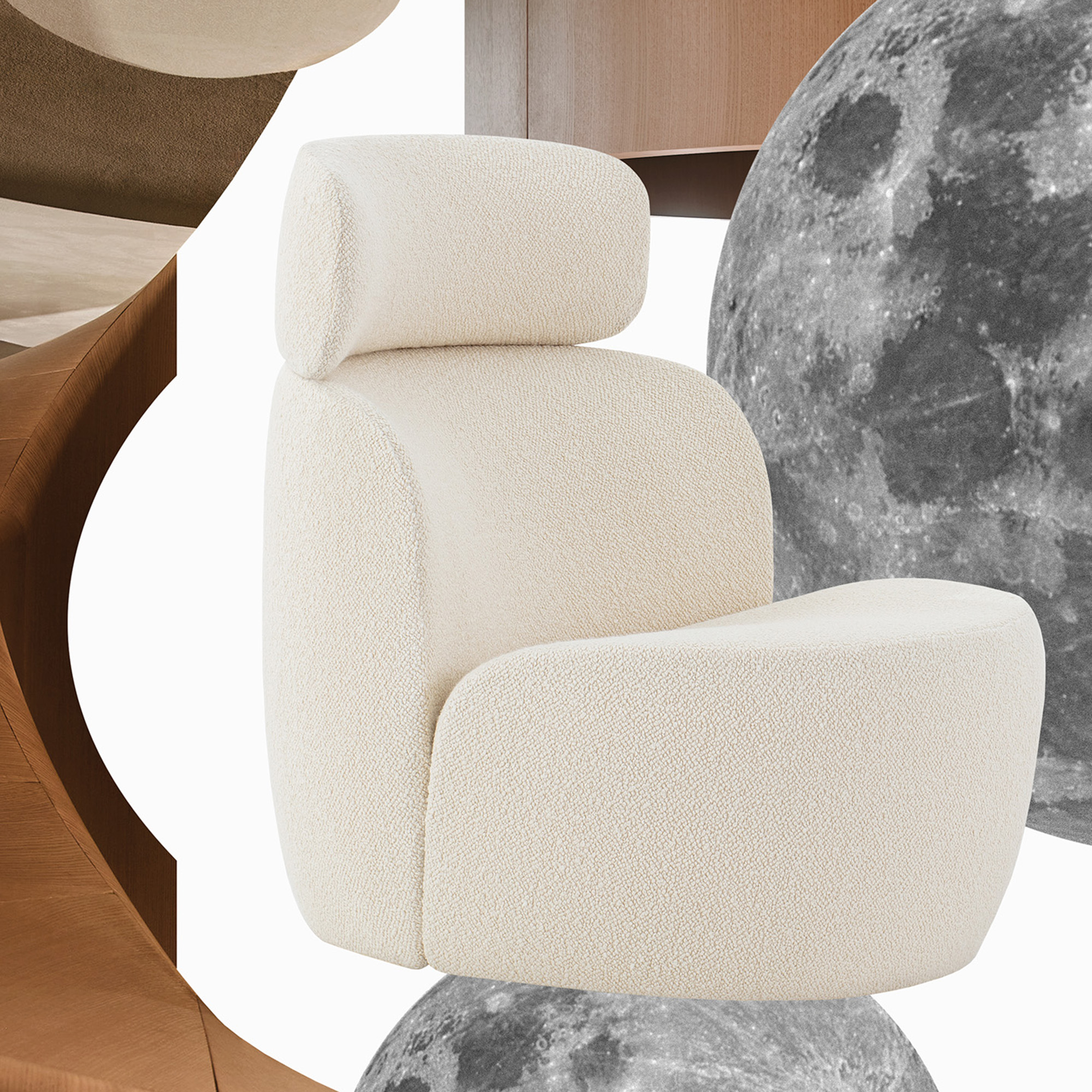
In Milan, we sat down with the brand's Laura Anzani to discuss the family business over coffee, and what it has planned for New York and beyond.
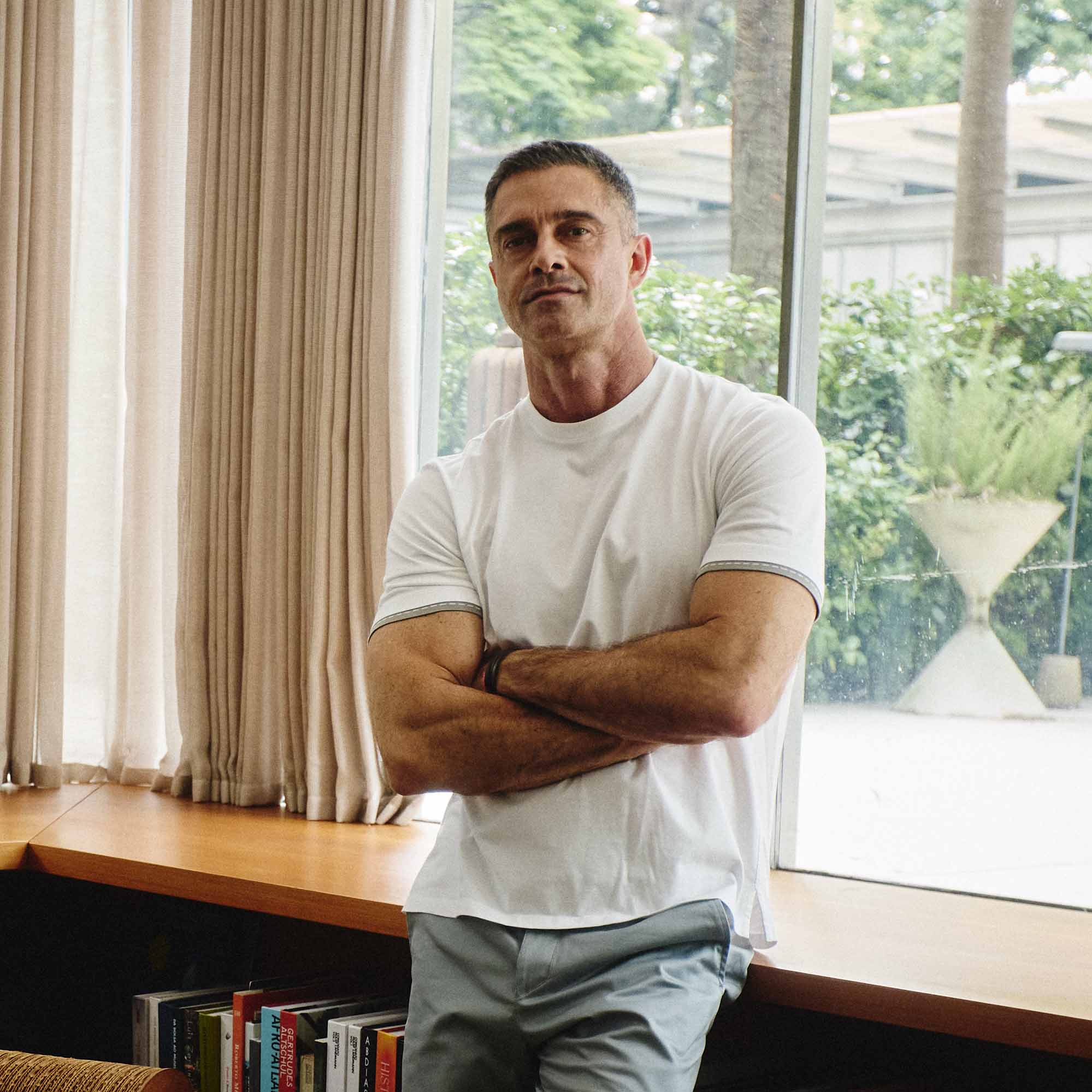
The Brazilian interior designer has quickly risen the ranks of New York design with a vision shaped by his father, the celebrated product designer Oswaldo Mellone, his first job with Robert A.M. Stern, and much more.