This German Watchmaker Proves That Less Can Be More
Two of A. Lange & Söhne's recent releases strike the perfect balance between technical innovation and elegant aesthetics.


This article is featured in our Fall 2026 print issue, available now.
One of the more remarkable aspects of design’s evolution in the past decade has been its sheer relative growth in the culture. For years, curators, journalists, and makers would sometimes lament the fact that what we understood to be “real design” was a world that few cared about, appreciated, or even knew about. Fast-forward to 2026 and this spring’s Milan Design Week, and you’d think that everyone and their mother had completely oriented their entire way of thinking to the virtues of design: fashion labels installed experiential attractions that lured in hordes of tourists, democratically priced brands launched collaborations with Instagram influencers and flashy names, and even Chiquita (yes, the banana people) opened its doors for an ebullient pop-up aimed toward the masses for the third year in a row.
In other words, design—and Milanese design in particular—has been victorious. And one of the central protagonists in this battle is the family-run brand of Molteni&C. While many installations may have seemed a little frivolous, theirs was one of pure design delight. Called Responsive Nature, it featured a lush garden scene on Via Senato, where little moments were created with nothing but outdoor furniture and copious amounts of greenery: hedgerows, grasses, and the like.
Molteni&C has been uniquely positioned to take advantage of this moment: a little more than a decade ago they began their collaboration with Belgian architect Vincent Van Duysen, who helped to create a coherent design language not only in the products they designed but also in how they communicated it all to the broader world. As you’ll learn in the following pages from my discussion with Giulia Molteni (granddaughter of the company’s founder and chief ambassador for the brand today), the company has ridden the wave of design success to bring their craftsmanship and sensibilities to the world. The result is a stark evolution of Molteni&C from its humble prewar origins as a furniture workshop into a powerhouse company that can outfit a truly comprehensive interior universe.
It’s been a little over a year since the launch of Palazzo Molteni in the heart of Milan. How has it performed, and what has the response been?
Palazzo Molteni was conceived as a true manifesto of the Molteni&C vision—more than just a store, it’s an urban pavilion that fully expresses our DNA and lifestyle. This isn’t just about Molteni’s products or ideas, but also—thanks to the top two floors—the strong link between the brand and culture. At the moment in these gallery-like spaces, we’re hosting “The Architect’s Relief,” an exhibition about Michele De Lucchi, showcasing the artistic facets of his work.
The project has boosted our international visibility and brand image, establishing itself as a landmark of Italian design and lifestyle. It also marks an important step in innovating Molteni’s retail formula. Beyond just being a large flagship where all our collections are displayed, it embodies the idea of a collector’s home, curated by our artistic director Vincent Van Duysen, celebrating his 10th year of collaboration with us.
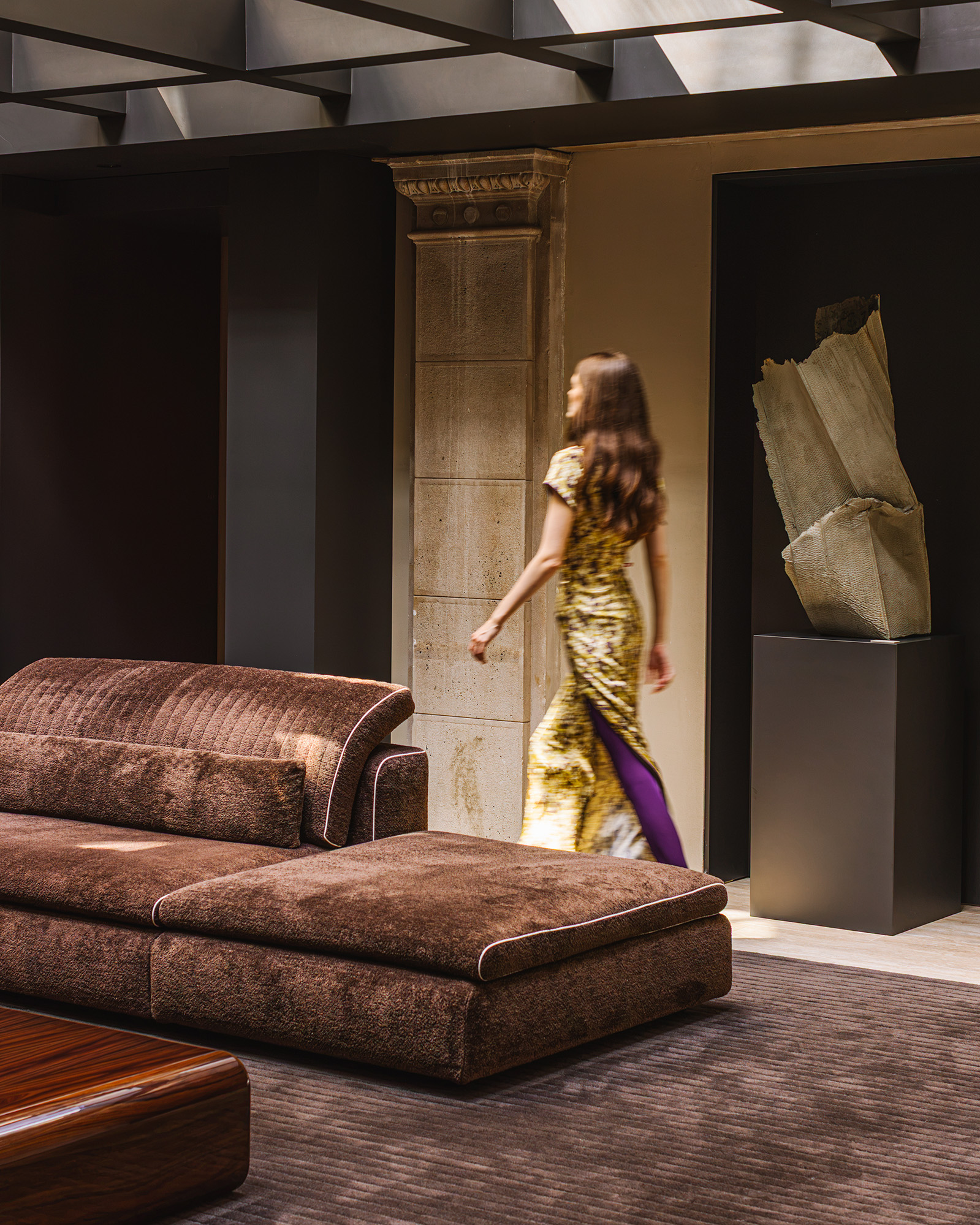
Was illustrating how to live with your products something you were looking to communicate?
Absolutely. Each floor functions like a small apartment, complete with a kitchen, wardrobe, bedroom, bathroom, and integrated storage system. This provides a realistic impression of a home, unlike simply viewing products in a showroom. Each floor also offers a sense of intimacy, as there are no street-facing windows, truly making you feel at home. This was our primary goal, to make us stand out as a unique voice in design.
How would you describe that uniqueness?
It’s the concept of a real home where you can find contemporary pieces alongside classics from the 50s by designers like Gio Ponti, Werner Blaser, and Ignazio Gardella. This combination of past and present—and a touch of the future, as we constantly innovate with new materials and production processes—is what differentiates Molteni from any other brand. Our pieces are also designed for comfortable living, which is core to who we are.
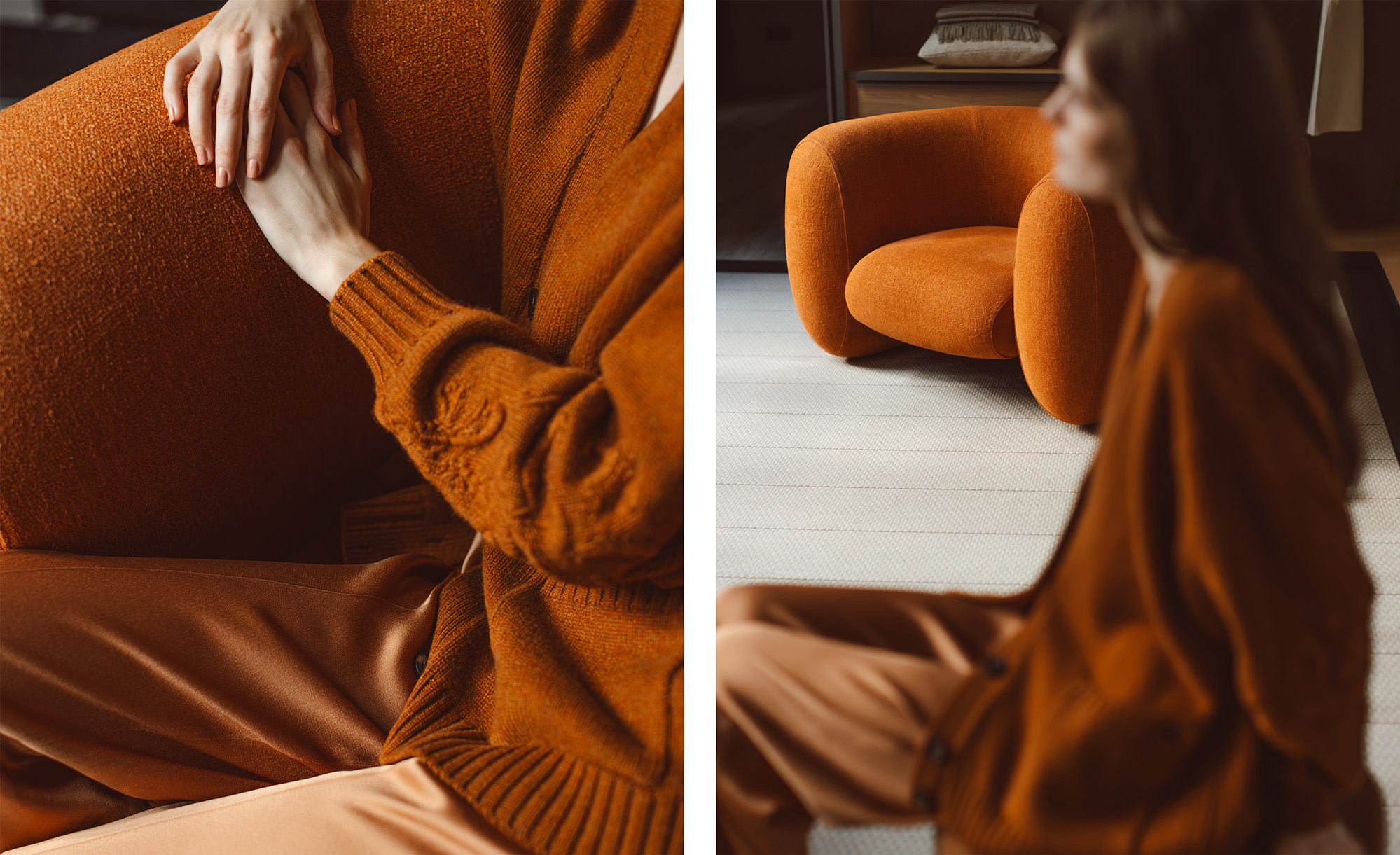
When you create these intimate spaces, does it influence your thinking about how to approach designing the next collection with Vincent?
Yes, it’s incredibly helpful. The store’s layout is always evolving. This year, for example, we introduced a bathroom, which required us to change the layout and adapt to new needs, creating new product configurations. It sparks creativity, even if reconfiguring the store is sometimes a bit tricky because we have to close for a few weeks.
This shift toward lifestyle has happened all over the design industry. Obviously, you’ve been a leader in that. Why do you think this is happening?
Brands want to connect with their clients and showcase real life rather than just an idea of a product. This creates a more approachable feel, even for high-end brands and top international architects. We want people—even those without an architectural or interior design background—to understand what we do. It’s working; people feel comfortable. It also reflects our values, identity, and the Italian way of living.
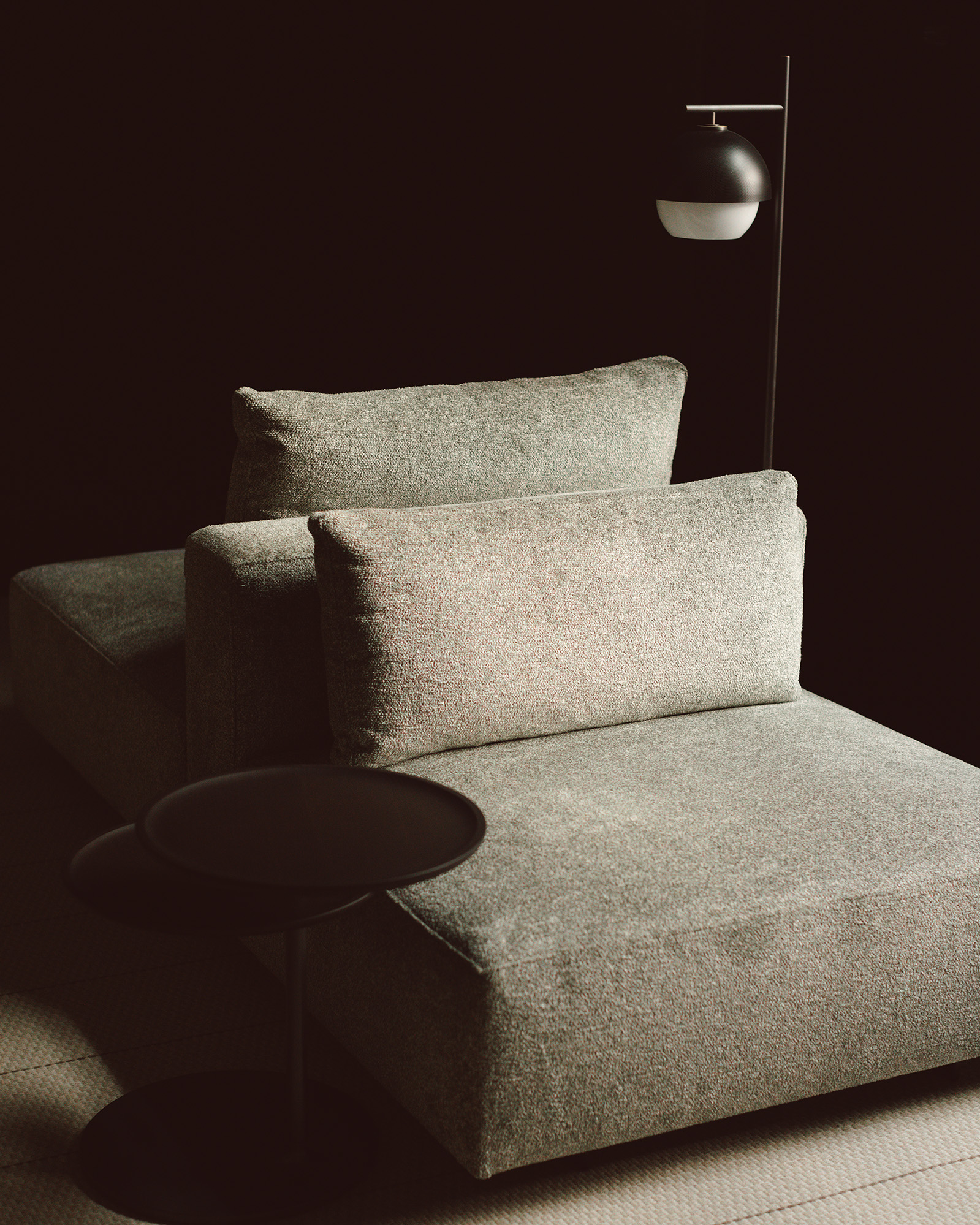
This change toward lifestyle was also a necessity because the business has grown quite a lot in recent years, no?
It’s doubled. We’ve significantly expanded our geographical reach versus 15 years ago. Our product range has also grown to include outdoor furniture, wall partitions, and bathrooms. Naturally, revenues increased. We also saw substantial growth in our hospitality division. After the pandemic, a major renovation in hospitality was needed, especially in Europe and the US. We collaborated with leading international luxury groups and now have deep expertise in that area, too. Having such a vast international network of showrooms—130 monobrand locations, for example—requires a consistent image that can be easily exported everywhere.
Can you tell me when this shift to lifestyle began?
It began 10 years ago when we started working with Vincent Van Duysen, actually. First, he designed the Paul sofa and the Ribbon bed. Soon after, he designed our booth at the Cologne Furniture Fair. That was the first time we had to combine different products to create the idea of a home for us. He began advising us, starting with wall colors. These small changes significantly transformed our image. The image was very strong and well-received, so we decided to replicate it everywhere, from catalogues to photo shoots. We invested in finding new talent in photography, art, and graphics.
What was your impression of Milan Design Week this year, and what everyone did?
I believe Design Week is now a new ecosystem capable of generating economic impact across the entire city of Milan, making it definitely successful and more than just an exhibition. It engages the whole city and transforms Milan into an international stage for design and innovation. It remains a key moment for our business, a time to launch new ideas. I think that’s the most important aspect of Milan Design Week.
Of course, there’s a lot happening. Quality isn’t ubiquitous, so you need to know where to go. Our strength lies in our global, high-end audience with a genuine interest in design, alongside a large group of design enthusiasts—people who may not know much about design but are curious. Public installations, like the one we created, are crucial for communicating who we are. That’s why we commissioned Elisa Ossino to interpret our outdoor collection in Responsive Nature, a site-specific installation, this year. It was well received, effectively connecting humans and nature. She selected six diverse landscapes, from the Botanical Garden to the Garden of Eden and the Lunar Garden, to showcase the creative vision behind every Molteni product. It was more than just a display; it was engaging.
How many people visited Responsive Nature?
Over 40,000. A significant number of visitors, many of whom were new to us. This suggests that Milan is attracting a growing number of younger designers, architects, interior designers, and design enthusiasts who may not yet be familiar with us but are interested in discovering our established brand for the first time. I imagine for smaller brands, the percentage of new visitors is even higher. This fascinating data indicates a shift in Milan’s design community. Given the geopolitical situation, this wasn’t entirely expected. We had been a bit more pessimistic.
You were surprised?
We were very surprised by the results of Salone at the Rho fairgrounds, and Fuorisalone [the events in town during design week] in Milan. The combination of the two creates the best possible scenario for our city. No other city in the world experiences such a significant moment.
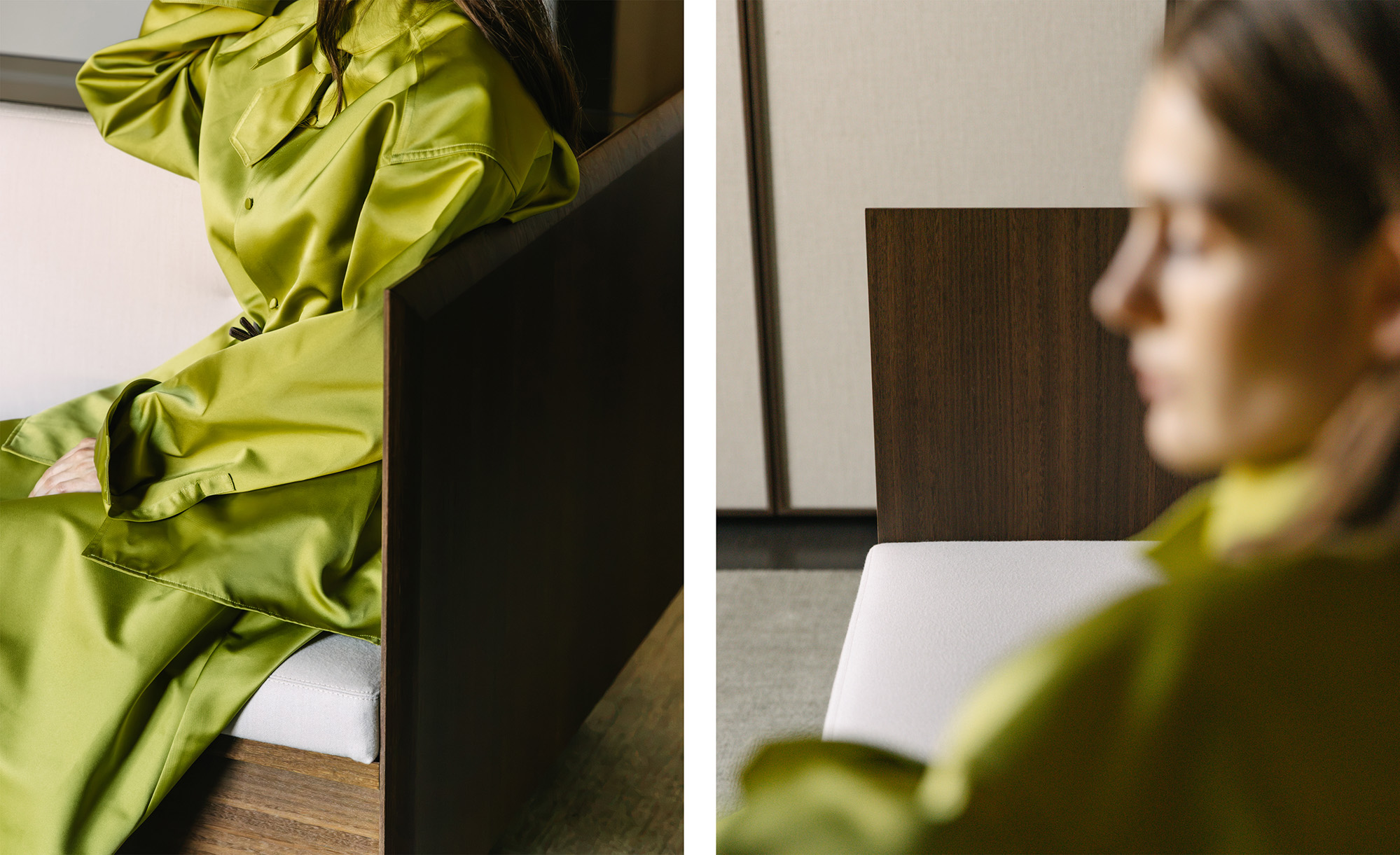
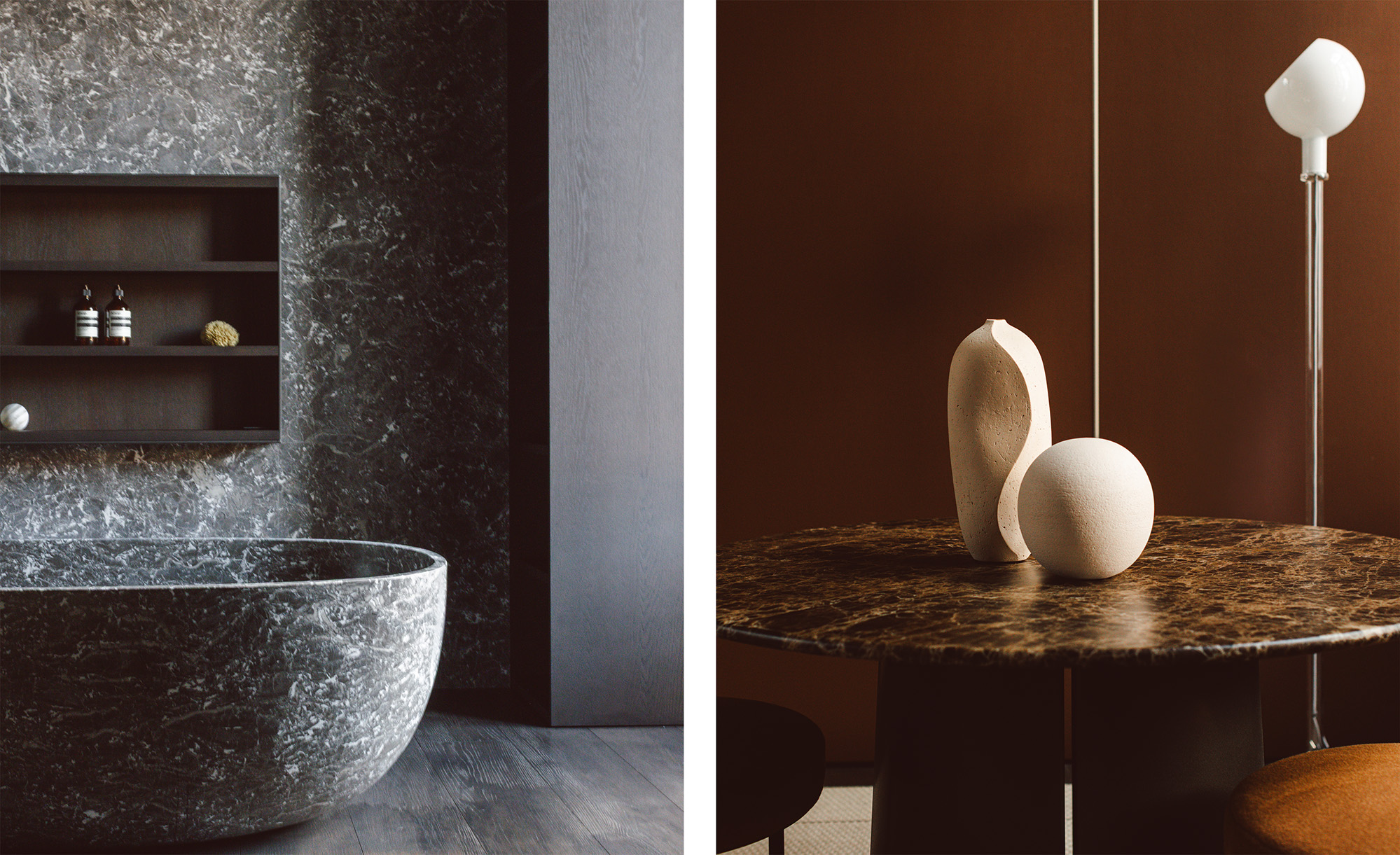
We got a preview this week of the Molteni bathrooms at the Palazzo. Seems like a natural progression if the goal is to touch every part of the household.
The bathroom line aligns with our expertise in kitchens, as bathrooms are essentially an evolution of kitchens, though slightly less complex due to the absence of appliances. We already possessed this expertise internally, having developed custom bathrooms for our contract division for 20 years, for projects like 53 West 53rd in New York, which is the MoMA Tower by Jean Nouvel, for example. We understood the complexities of the work, and production-wise, it was straightforward. So, we decided to dedicate a product line to bathrooms.
The bathroom becomes integral to a sophisticated vision of living. But this is just the first step. We launched three different lines, but this concept of well-being will evolve in the near future to expand the brand’s offerings.
This wide assortment of products shows that Molteni is succeeding in helping people achieve this look, and I know you offer many interior design services. How are clients living differently with your products today compared to 10 or even five years ago? What have you been hearing from your interior designers?
They are more frequently requesting entire projects from us. I think they want something coherent with that look, adapted to different tastes. For this reason, we have a huge selection of finishes, colors, and materials. But in the end, they really like the aesthetic of the boiserie integrated with the lights and the door system. These elements are being requested more and more because we also have a stronger dialogue with architects compared to 15 years ago. We are also more global and international, so people have more international tastes.
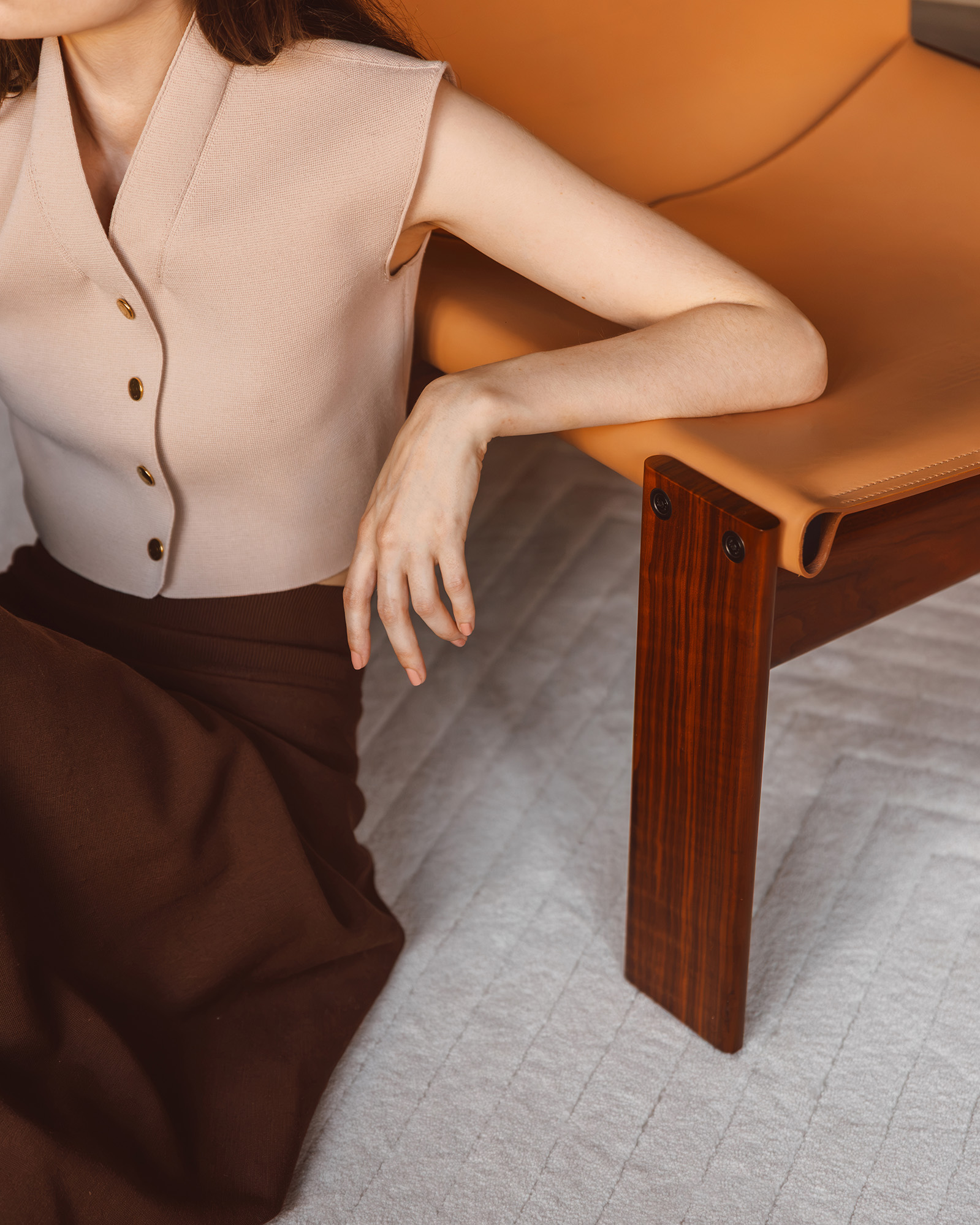
One trend that’s risen lately, which I witnessed in Milan, is a continued revival of the 70s aesthetic. Are we looking for a little bit of glamour in our lives?
I think so. The 70s and this vintage look, which you can find in the Julian sofa by Vincent, for example, is something that sophisticated and high-end people are seeking. For me, the 70s weren’t that long ago, but for younger people especially, it feels farther away. The sofa is very intimate and gives you an idea of comfort, which is what people are looking for, perhaps because we are in such difficult times. So, maybe people want to experience calm and comfort more than other design aspects.
The trend of reviving design classics doesn’t seem to be slowing down. How do those pieces, like the ones by Gio Ponti, fit in with your new vision for the brand?
They’re true icons that are naturally integrated into our contemporary living ecosystem. They give timeless elegance to a room, with a balance of classic and contemporary, beauty and functionality. The Gio Ponti collection re-editions are especially linked to the DNA of the brand. Every year we try to launch two or three design pieces and an entire line of objects to truly highlight the role of the Milanese architect and the Milanese design of the 50s in the world.
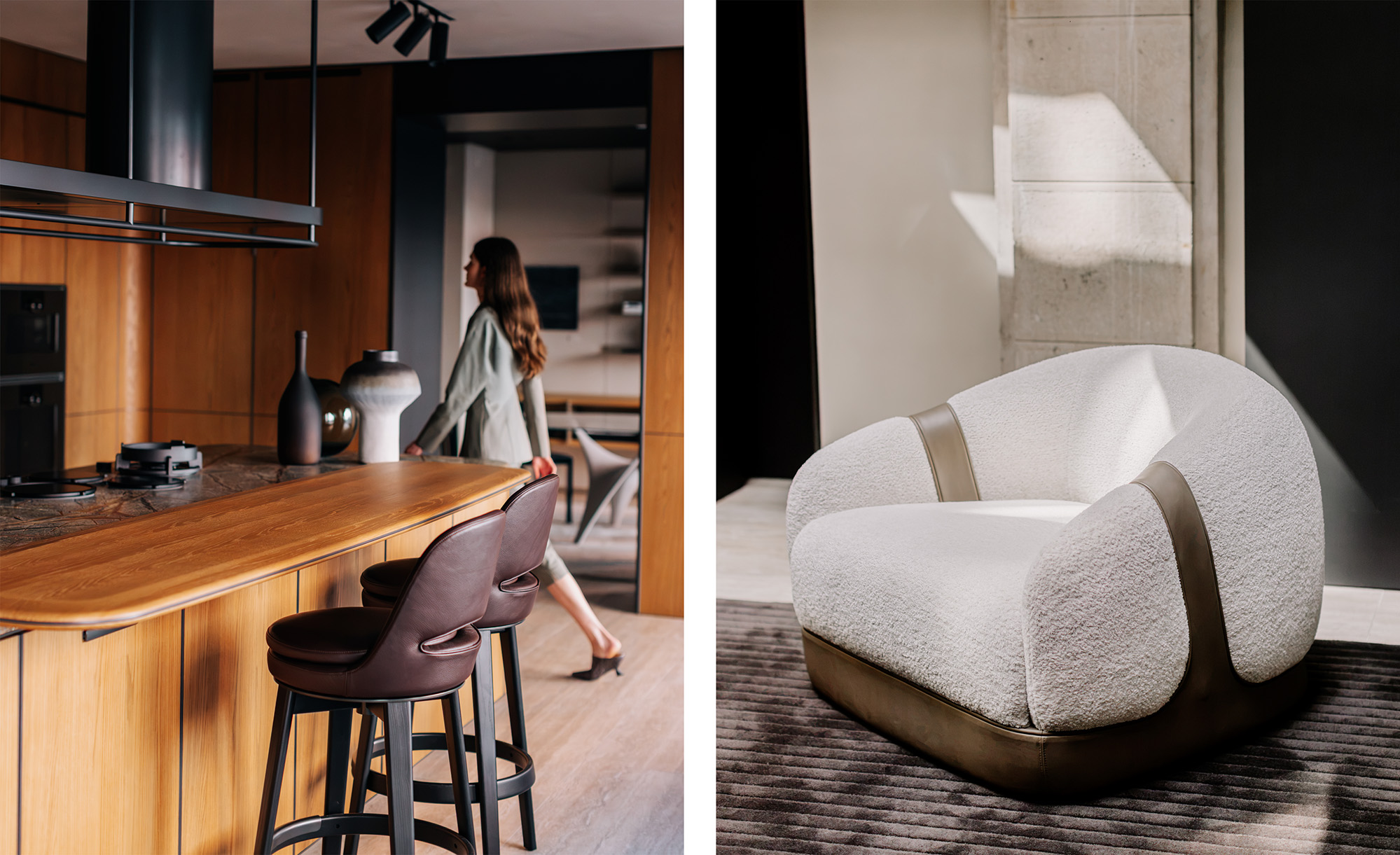
You also recently launched small decorative accessories. Why?
We have a huge archive of 250 design objects we can choose from every year. We started by selecting eight pieces that we think express Gio Ponti’s capability to reproduce architecture on a small scale, in just one object. That’s not very easy to do.
Now, the collaboration with the Gio Ponti Archives, which began in 2012, has matured, leading to this recent collection where the objects are very poetic, but less functional. In my mind, they are truly more art pieces. And because of the price point, it’s also a way to introduce design to a broader audience.
What can you tell me about the Gio Ponti Archives?
The Gio Ponti Archives are extensive because he was a very diligent worker, and thanks to his nephew, Salvatore Licitra, we have every last bit of material he drafted or object he created. Everything is meticulously stored. For some pieces, we only have drawings, not the actual objects. In those cases, it takes a little longer to produce a prototype, but we’re progressing step by step.
With expansions into categories like accessories and bathrooms, is there anything you don’t want to venture into? How would you expand from here?
We definitely aim to increase our geographic scope worldwide. There are entire regions that don’t know us yet. We are also deeply committed to the design project itself. We don’t want to just launch beautiful things that lack innovation. That’s paramount. Molteni is known for its innovation, and needs to stay that way.
What’s next for Molteni in 2027?
We launched in Sydney this year, and next year we’re opening in Riyadh, Hong Kong, and Singapore. We want to continue investing in our culture, research, and development. We’re preparing a new exhibition with Ron Gilad for our museum that will open next April. It’s a very innovative show because it’s not only about pieces from the past, but a reinterpretation of existing products by the same designers—rethinking a table, for example. And these unique pieces will only be shown at our museum. So, we continue to invest in ourselves, and our people.
MODEL Vilde S., Team Models
STYLIST Ilaria Di Gasparro
PRODUCTION 2DM Management
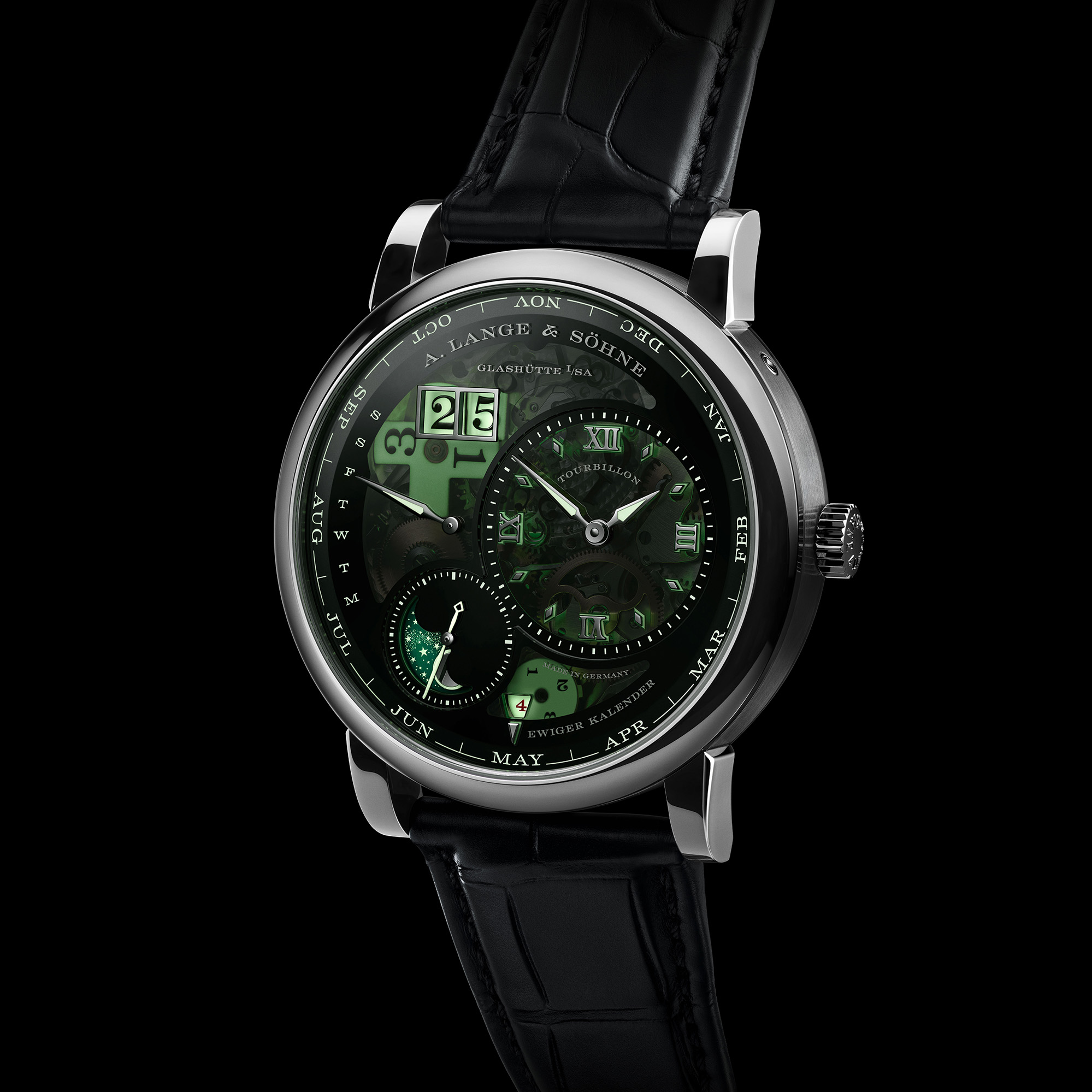
Two of A. Lange & Söhne's recent releases strike the perfect balance between technical innovation and elegant aesthetics.
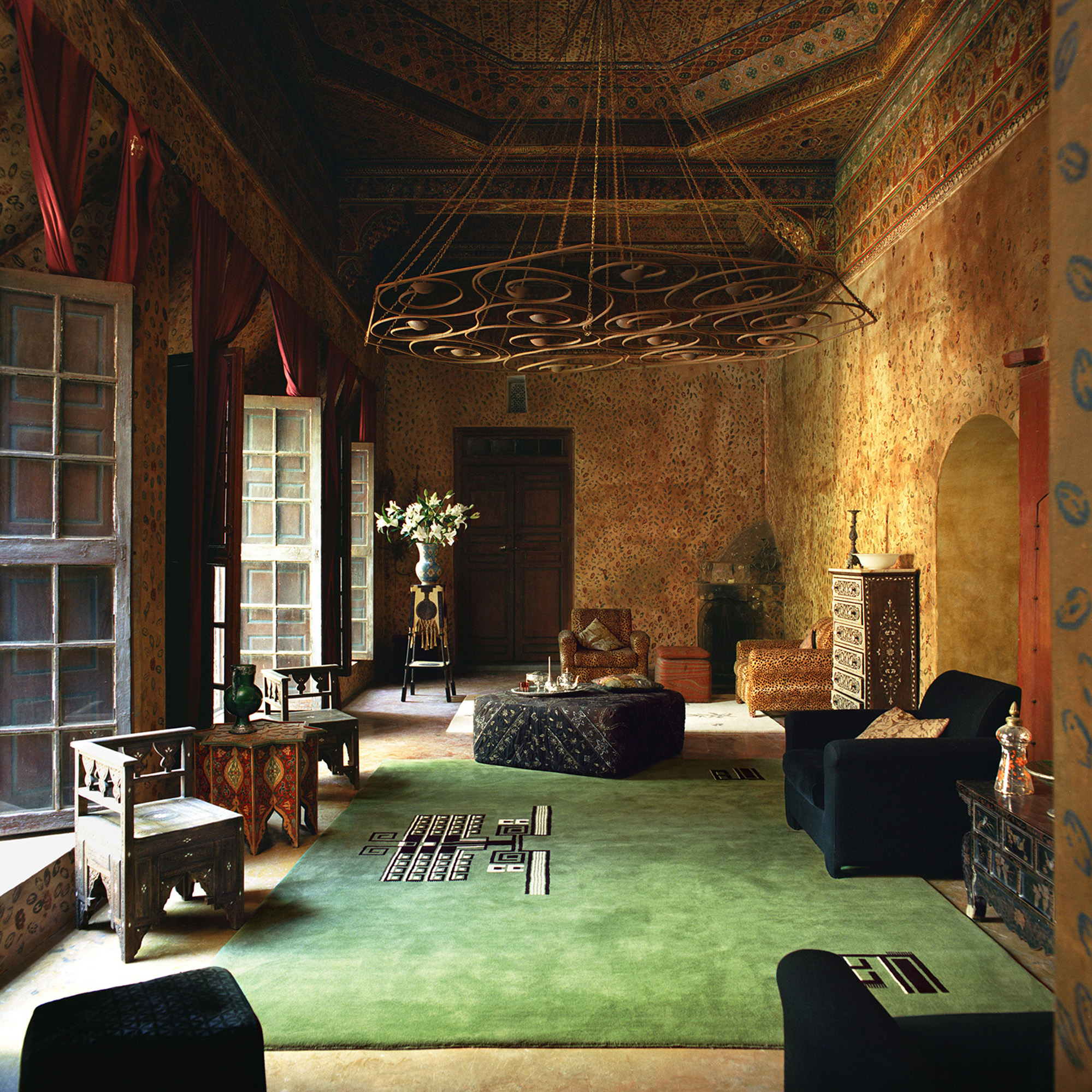
Beni Rugs artistic director Colin King lived with the finely woven Chelsea collection while developing it. Each is made using an incredibly intricate technique that is said to have been reserved for Moroccan nobility.
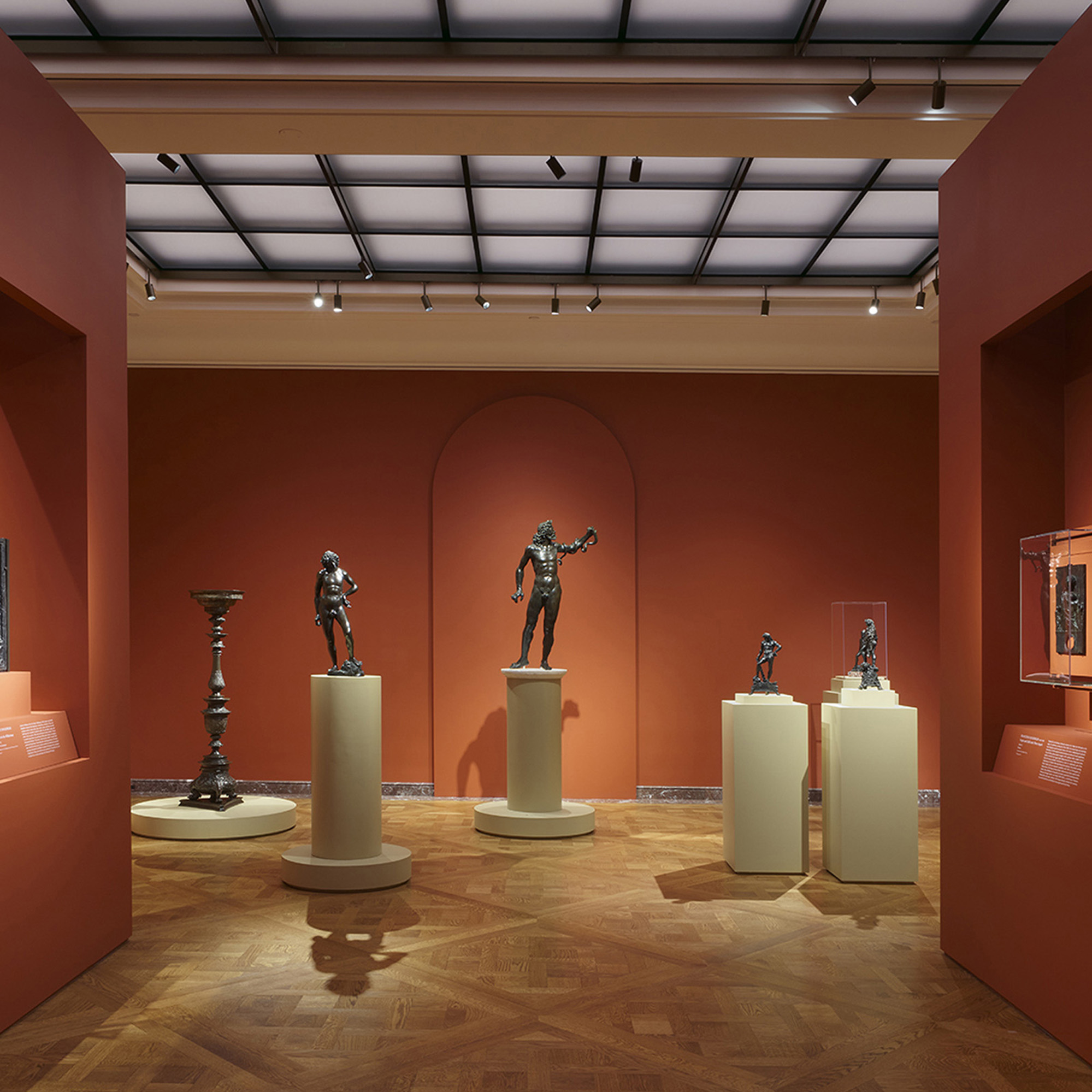
The show brings together about 40 Renaissance masterworks, many of which have never been presented outside of Tuscany.