This French Chef Discovered Ramen Through Naruto. Now He Has a Michelin Star.
Mory Sacko’s unique blend of French, West African, and Japanese gastronomy has made him a star. His first cookbook divulges some of his beloved recipes.

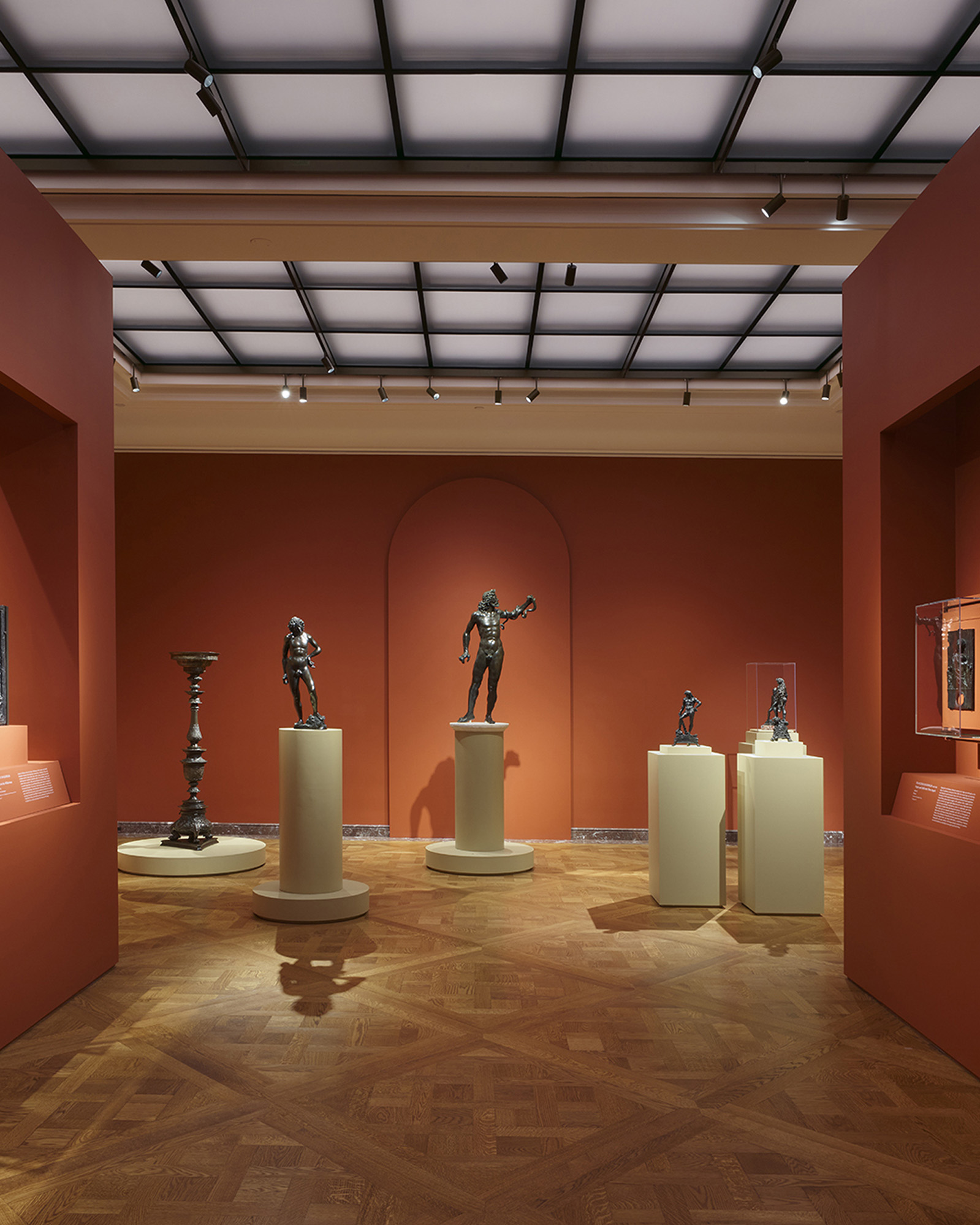
When most travelers visit Siena, it’s for a short day trip following time spent in nearby Florence. However, while it’s certainly a smaller city today, during the Renaissance period, Sienese artisans created some of the most remarkable bronze statues, reliefs, medals, and more. It’s an oft-forgotten story, but one that The Frick Collection is shedding light on in “Siena: The Art of Bronze.” It’s the first exhibition to spotlight Siena’s long history and its mastery of the bronze craft; it’s sponsored by Louis Vuitton as part of a three-year partnership with The Frick.
“The Art of Bronze” is presented in three rooms within the Ronald S. Lauder Exhibition Galleries. It’s not staggering in terms of its scale, but it features many exceptional objects that have never been shown outside of Tuscany. The first section explores how bronze was used in 15th-century Siena, as well as the craftsmanship behind it. It tells the story of how bronze was an incredibly complex material to work with, requiring expertise from engineers, goldsmiths, sculptors, and others in the foundry. Objects range from utilitarian to decorative—from a horse ring to a gilded trefoil relief.
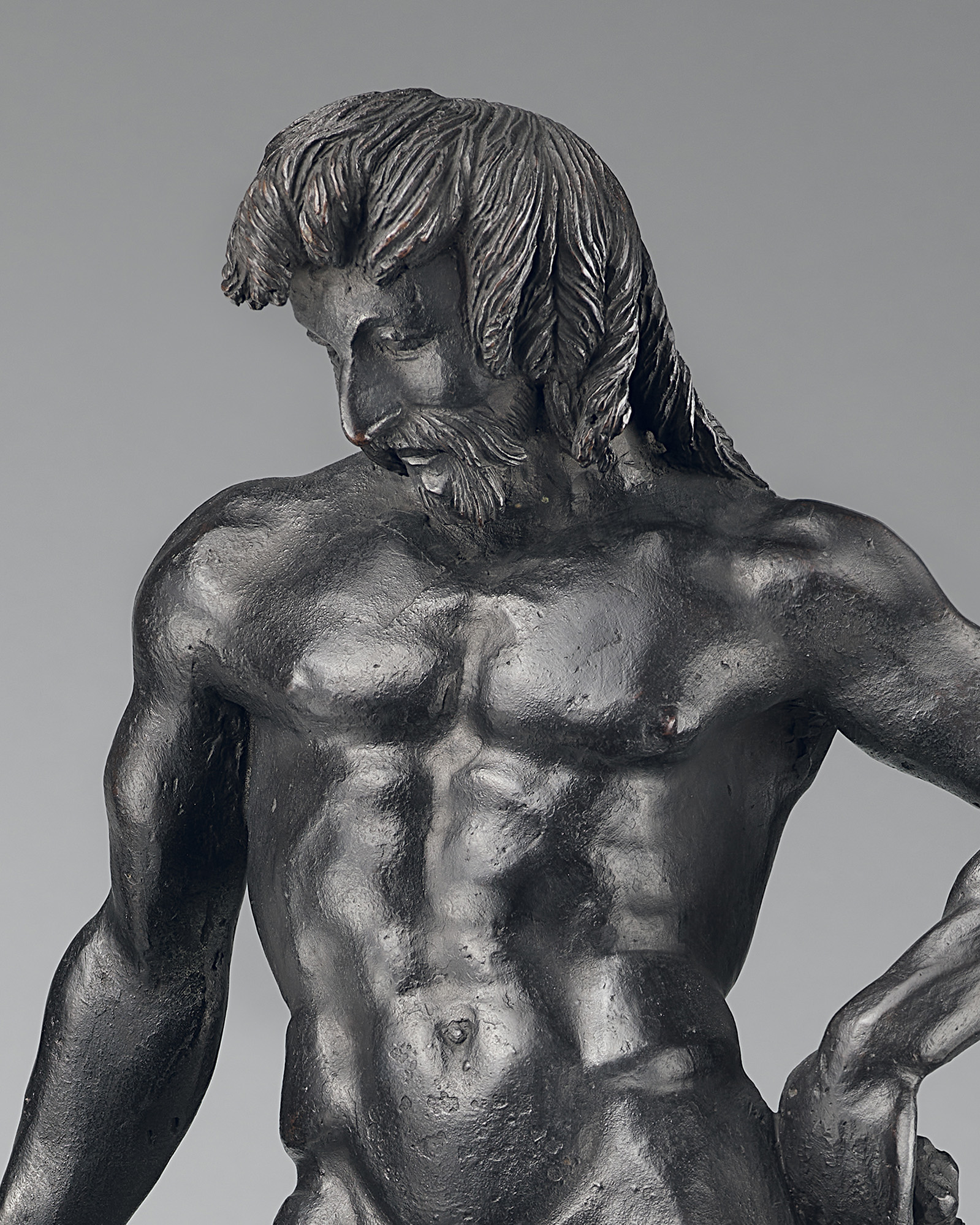
Perhaps the most noteworthy piece on display is the tomb slab of Giovanni di Bartolomeo Pecci. It comes from the great Donatello, who was met with a muted response upon his arrival in Siena due to local anti-Florentine sentiment. The life-size bronze is one of only eight of his works that he signed. For many years, it was embedded in the Siena Cathedral’s pavement and walked across by countless passersby. Never before shown outside of Tuscany, it takes center stage at the Frick’s show.
Following the tomb slab, the third section of the show is the largest, and explores how bronze was used in funerary sculptures. One of the most incredible examples is an unfinished monument to Mariano Sozzini the Elder, a friend of Pope Pius II. It’s thought to be the only bronze effigy of a layman to survive from 15th-century Italy. Another grouping brings together bronze portrait medals—unlike the funerary sculptures, these were meant to capture someone’s identity in life.
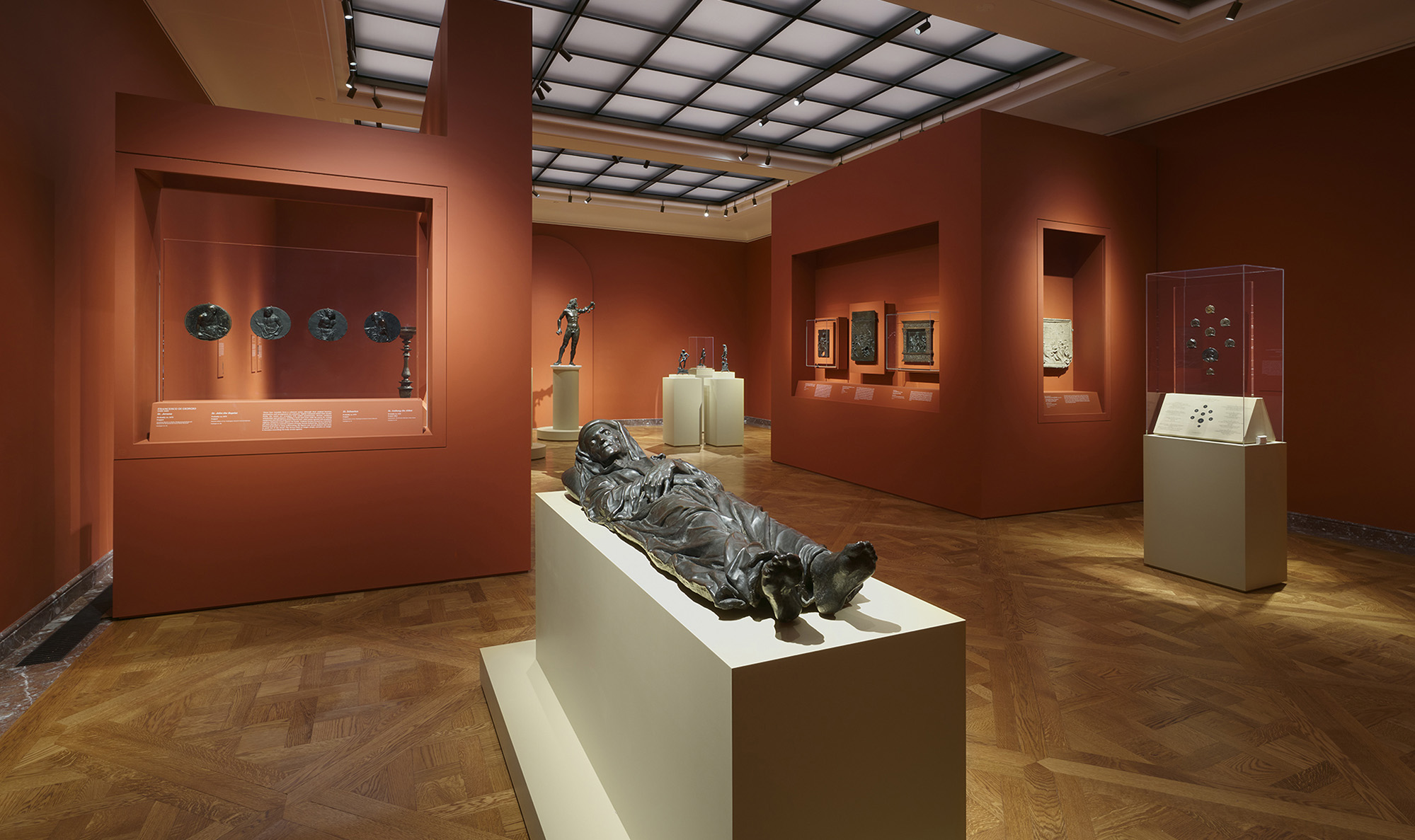
Altogether, the exhibition unites about 40 masterworks for the first time, according to associate curator Giulio Dalvit. These revelatory achievements, he says, represent a golden age of bronze sculpture. The show is open now and runs through January 18.
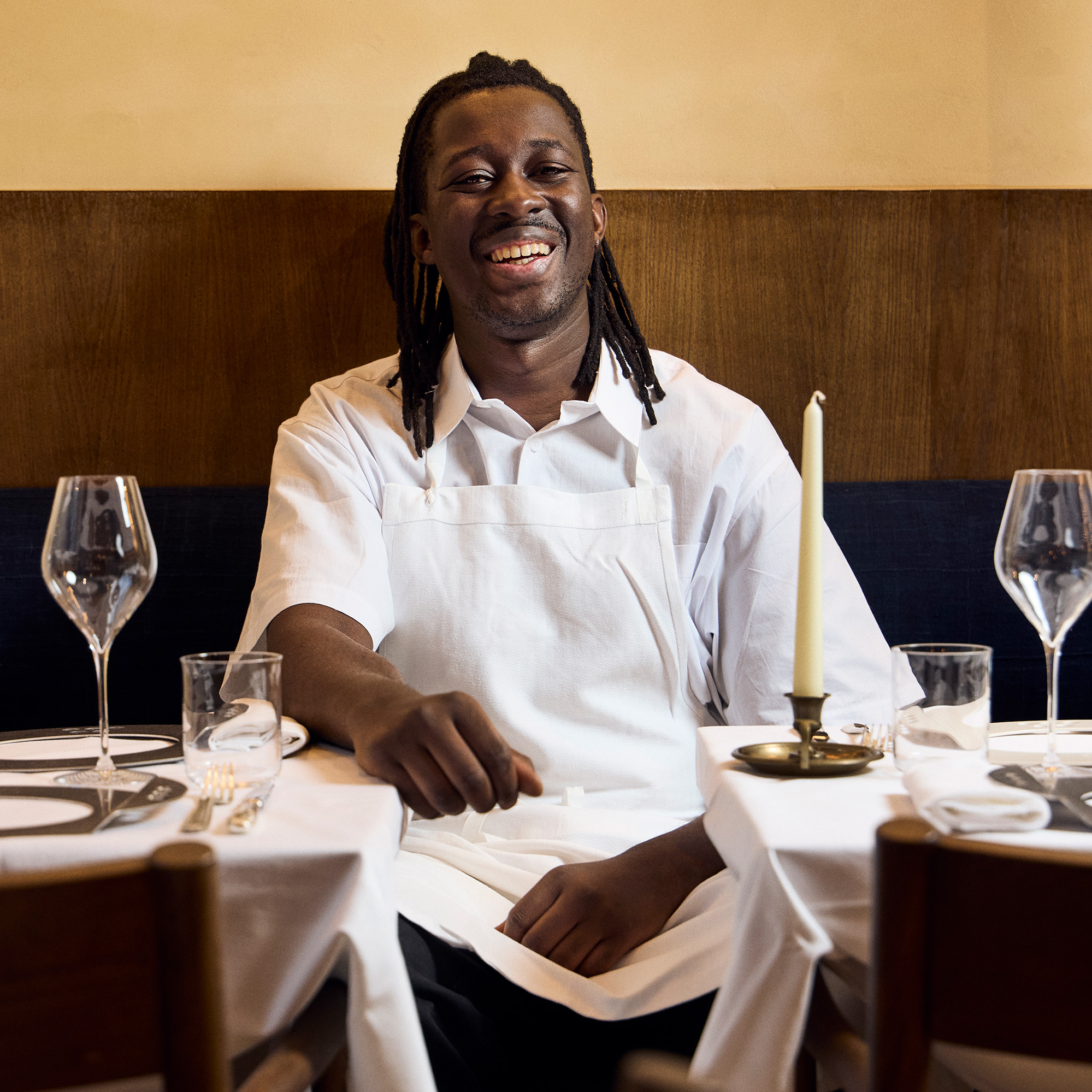
Mory Sacko’s unique blend of French, West African, and Japanese gastronomy has made him a star. His first cookbook divulges some of his beloved recipes.
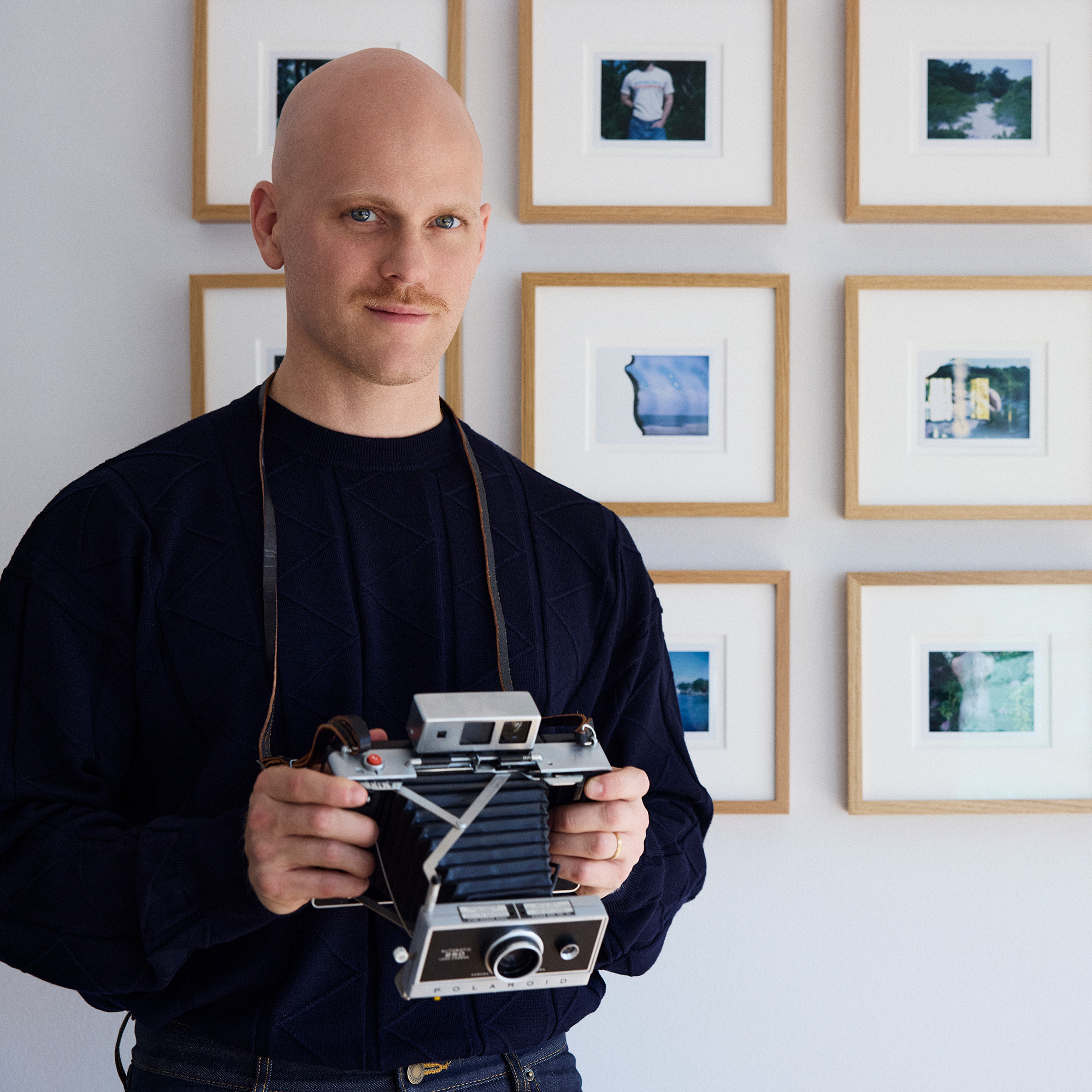
For the New York artist’s first solo show on the West Coast, Venturelli presents a series of paintings and photographs. Blue is the common thread—the disparate mediums explore how color can hold and evoke cherished memories.

Artist Bruno Aveillan brought his Alzer 75 with him throughout his travels, and photographed it in far-flung locales around the world. These images are the subject of a new book, as well as an exhibition in Paris.