“I’m Not interested in Painting Ideal Bodies”: Emil Sands on the Human Form
With their own unique blend of alluring glances and melancholic scenes, Sands' paintings pour forth from the artist's everyday struggles.


Azzedine Alaïa had little interest in fashion’s sense of time. The Tunisian couturier, who died in 2017, famously rejected the industry’s unrelenting tempo, releasing collections when he felt they were ready, rather than obeying the traditional show calendar. His clothes existed outside of the realm of trends; in the 1980s, his tightly sculpted dresses, dramatically contoured coats, and slinky knits helped usher in a new era of women’s fashion. “The clothes I make cannot be dated,” he once said. “They are made to last.”
This idea is at the heart of “Sculpting Fashion,” his first major American retrospective at San Francisco’s Legion of Honor. On view through next spring, the exhibition shines new light on over 80 garments from across four decades of Alaïa’s storied career. “His uncompromising methods foreshadowed 21st-century critiques of fashion’s overproduction and its devastating environmental toll,” says show curator Laura L. Camerlengo. “By prioritizing enduring artisanship over disposable trends, Alaïa proved that true luxury requires patience and intentionality.”
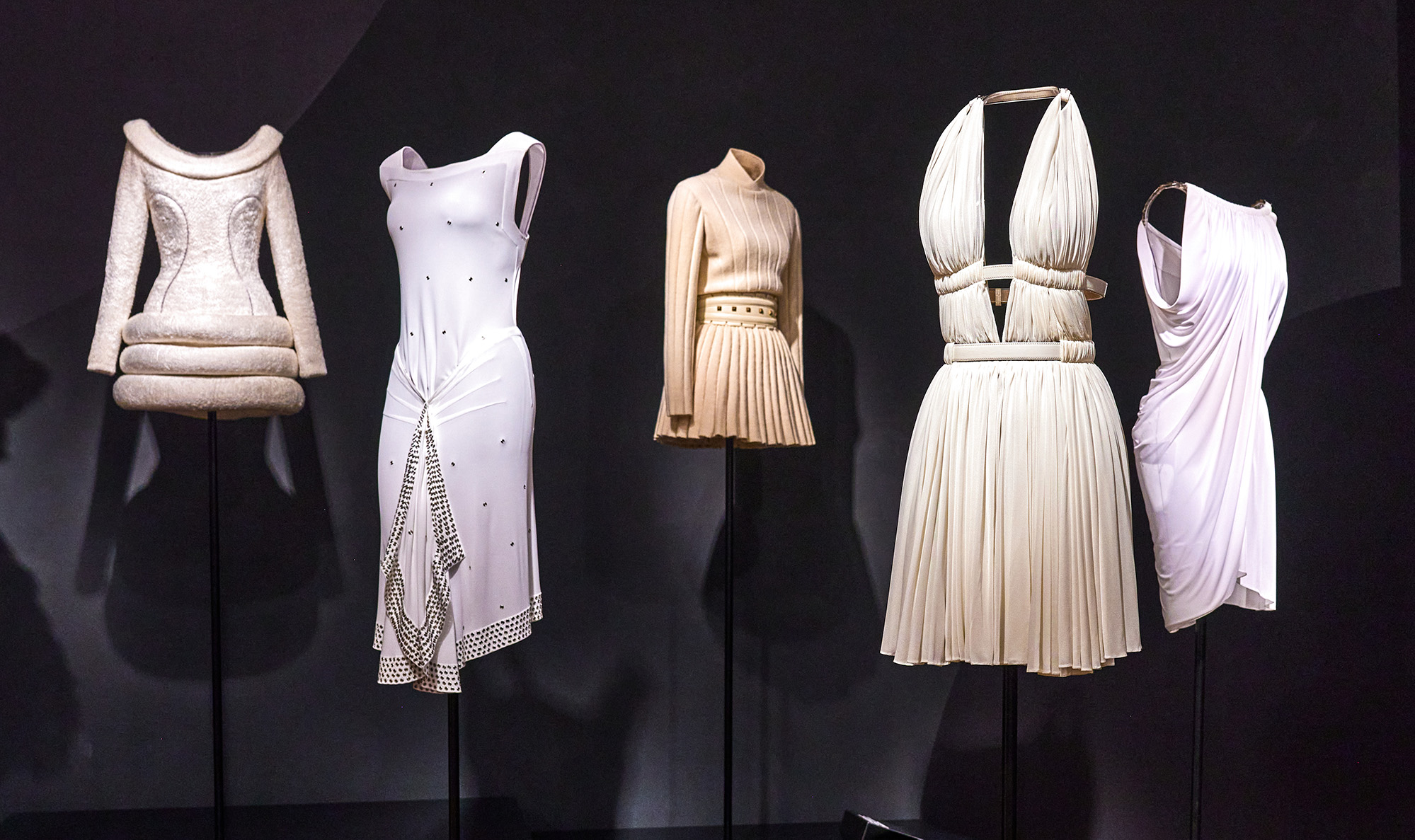
Born in Tunisia in 1935, Alaïa came to fashion by way of art. He studied sculpture at the École des Beaux-Arts in Tunis, where he acquired a rigorous knowledge of form and anatomy before moving to Paris in 1956. Living in the foreign city, he found refuge in the Louvre, and frequented the museum’s Egyptian and Greek sections. These influences are evident in his designs. A white bandage dress on view from his spring/summer 1990 collection, for example, takes inspiration from Egyptian mummies. “The dress appears carved from the cloth and molded onto the wearer’s body,” says Camerlengo.
Rather than arranging the garments chronologically, “Sculpting Fashion” presents Alaïa’s work across the Legion of Honor’s galleries, and organizes them around major themes from throughout his career: bandage dresses, sculpture and shape, silhouettes and suiting, black and white, and construction and craftsmanship. Among these selections are some of his most famous designs, including a lilac hooded dress worn by Grace Jones and a silk-organza dress with gold beads worn by Tina Turner.
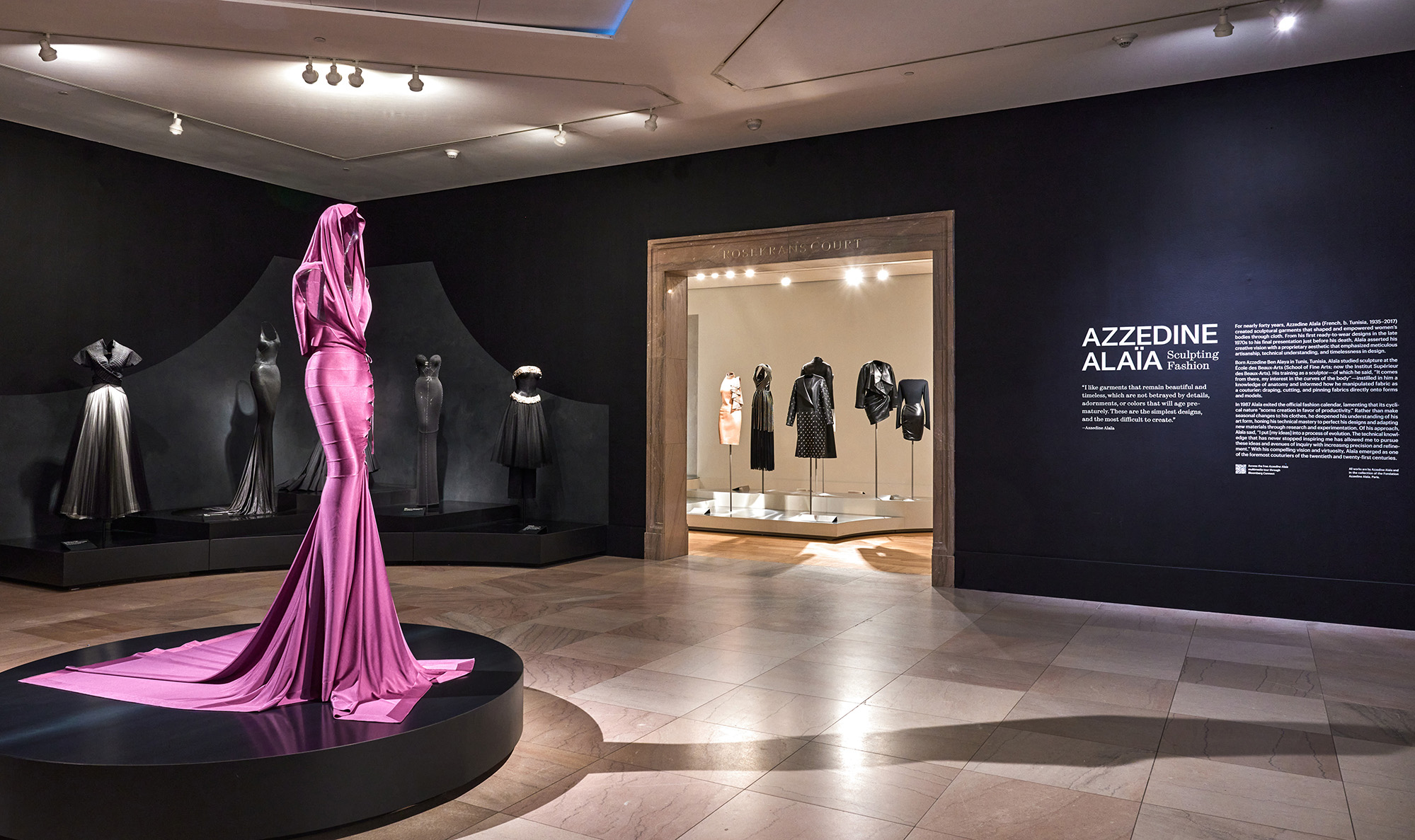
The Legion of Honor’s Beaux-Arts setting is particularly compelling, and creates a natural dialogue between Alaïa’s garments and the museum’s permanent collection. His spring/summer 1992 collection updated 18th-century men’s riding coats and women’s hoop skirts, and pairs wonderfully with the museum’s collection of European paintings from the same time period. In the museum’s Rodin gallery, two straight-cut Alaïa column dresses sit adjacent to the French sculptor’s work.

The importance of presentation was not lost on the designer, who enforced strict protocol for exhibiting his garments that the museum followed. For example, Alaïa designed a clear, headless mannequin modeled after Naomi Campbell, which he used to display his clothes without artifice. In the same vein, he avoided introducing distracting ephemera, like magazine clippings or photographs, effectively severing his garments from time.
A separate gallery presents selections from Alaïa’s private collection of about 15,000 garments, including works by Cristóbal Balenciaga, Madame Grès, Charles James, and Madeleine Vionnet. The designer studied, collected, and sometimes dissected these pieces to understand their construction. Largely kept from public knowledge during his lifetime, these pieces provide a rare glimpse into how closely Alaïa studied the work of earlier designers, and how that research informed his radical approach. It argues that, to move forward, we must first look to the past.
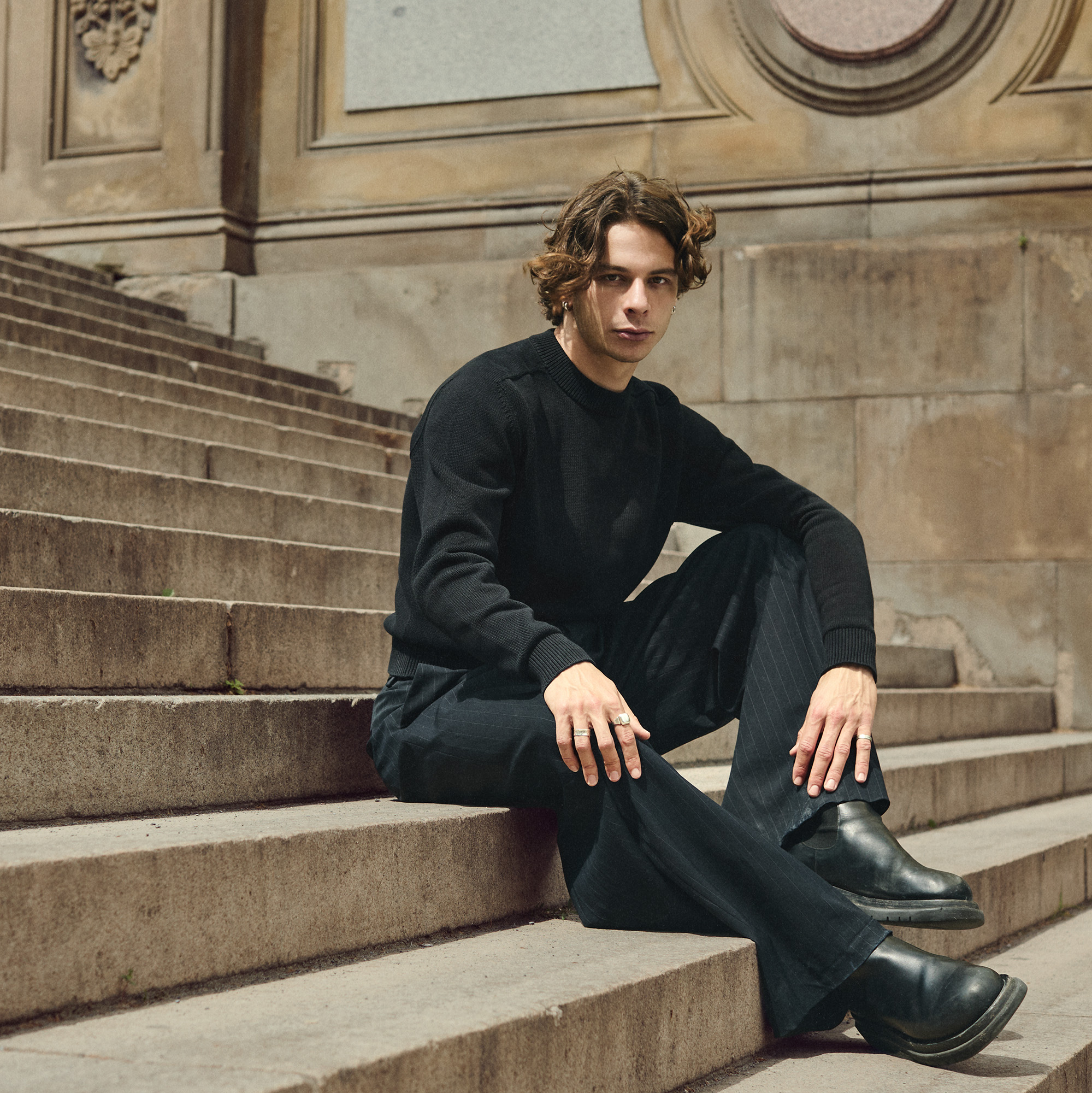
With their own unique blend of alluring glances and melancholic scenes, Sands' paintings pour forth from the artist's everyday struggles.

The Danish starchitect has become a household name with mind-boggling projects like a spiraling Audemars Piguet museum, a series of wildly shaped apartment buildings, and a power plant that doubles as a ski slope.
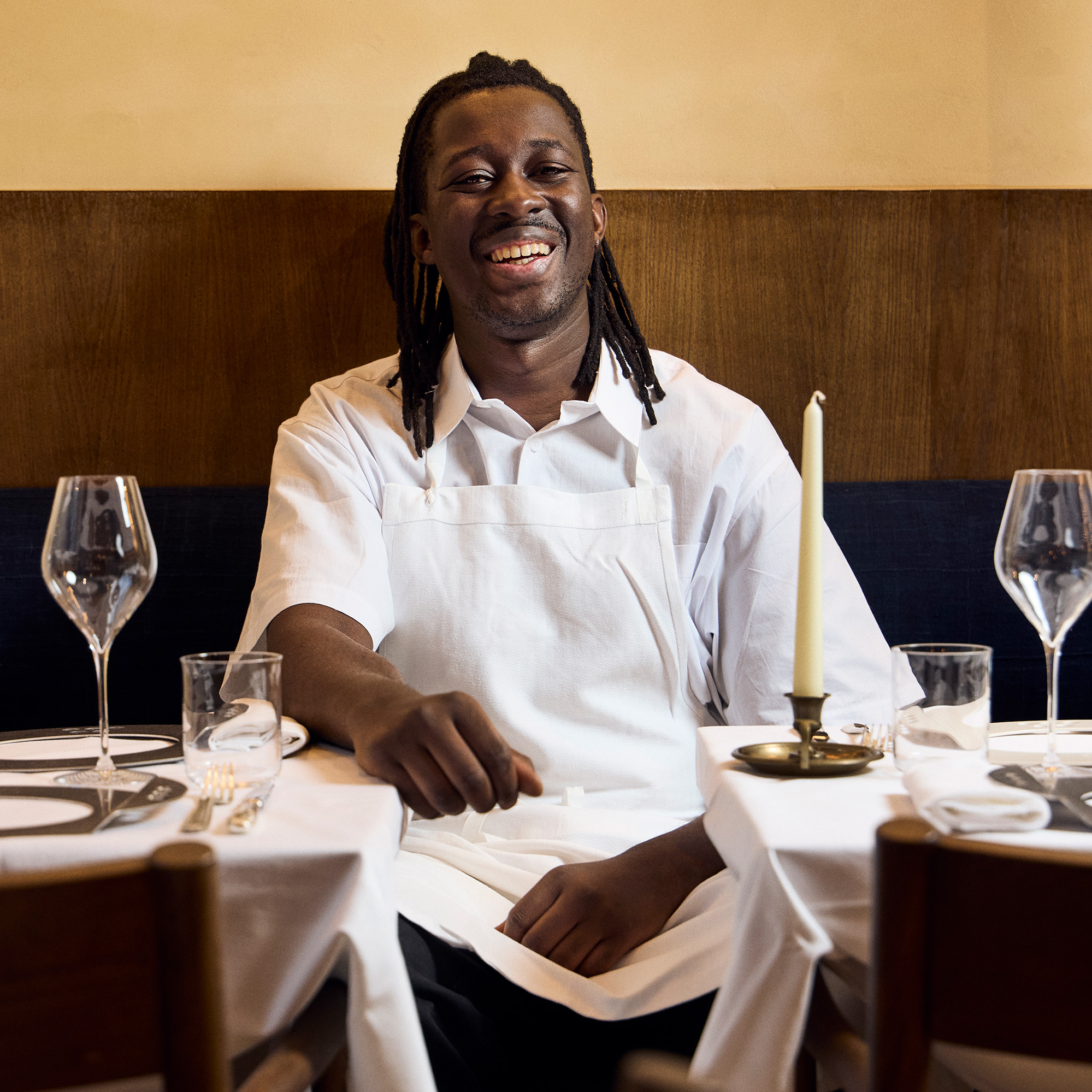
Mory Sacko’s unique blend of French, West African, and Japanese gastronomy has made him a star. His first cookbook divulges some of his beloved recipes.