This French Chef Discovered Ramen Through Naruto. Now He Has a Michelin Star.
Mory Sacko’s unique blend of French, West African, and Japanese gastronomy has made him a star. His first cookbook divulges some of his beloved recipes.
November 21, 2026By
VASILISA IOUKHNOVETS
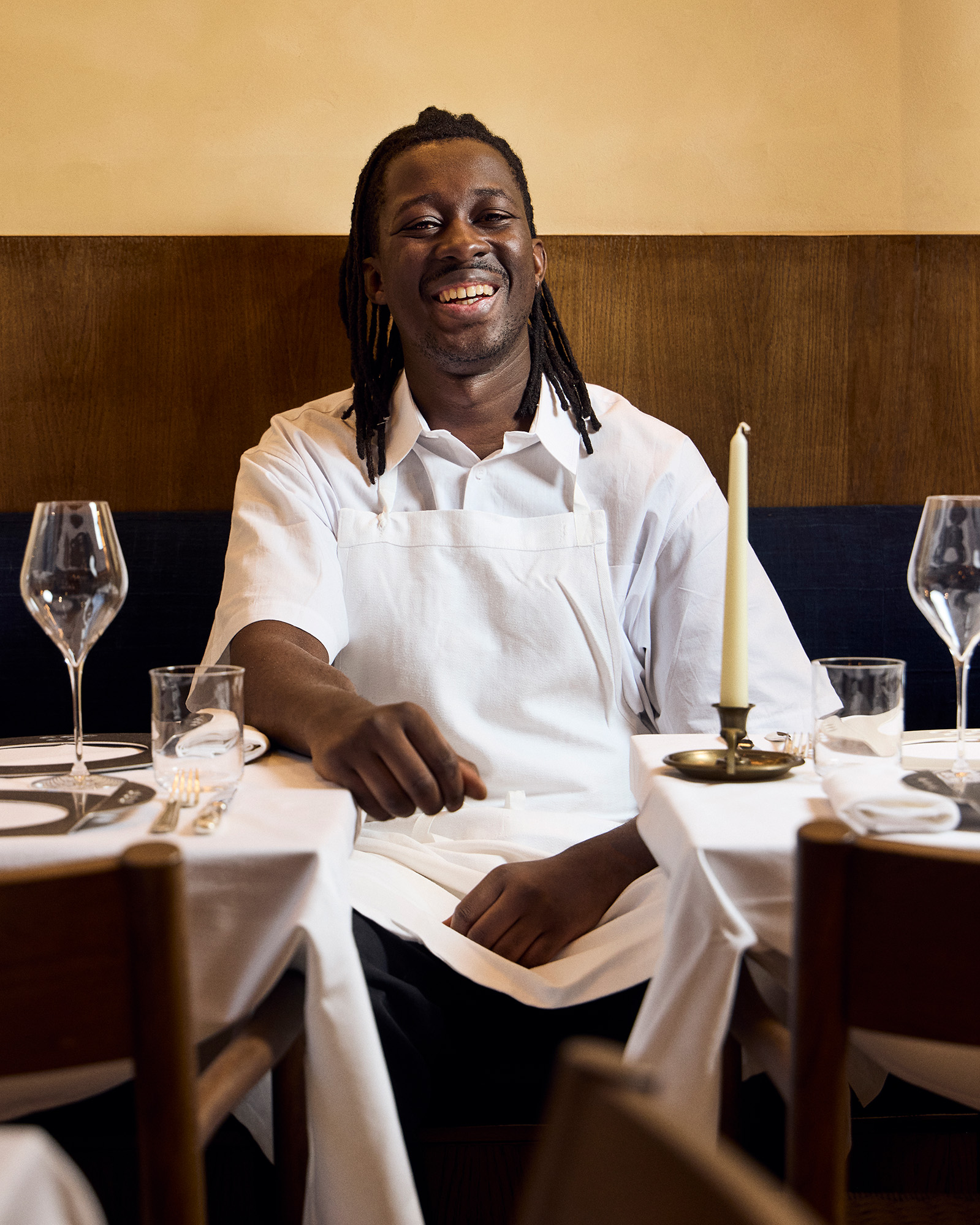
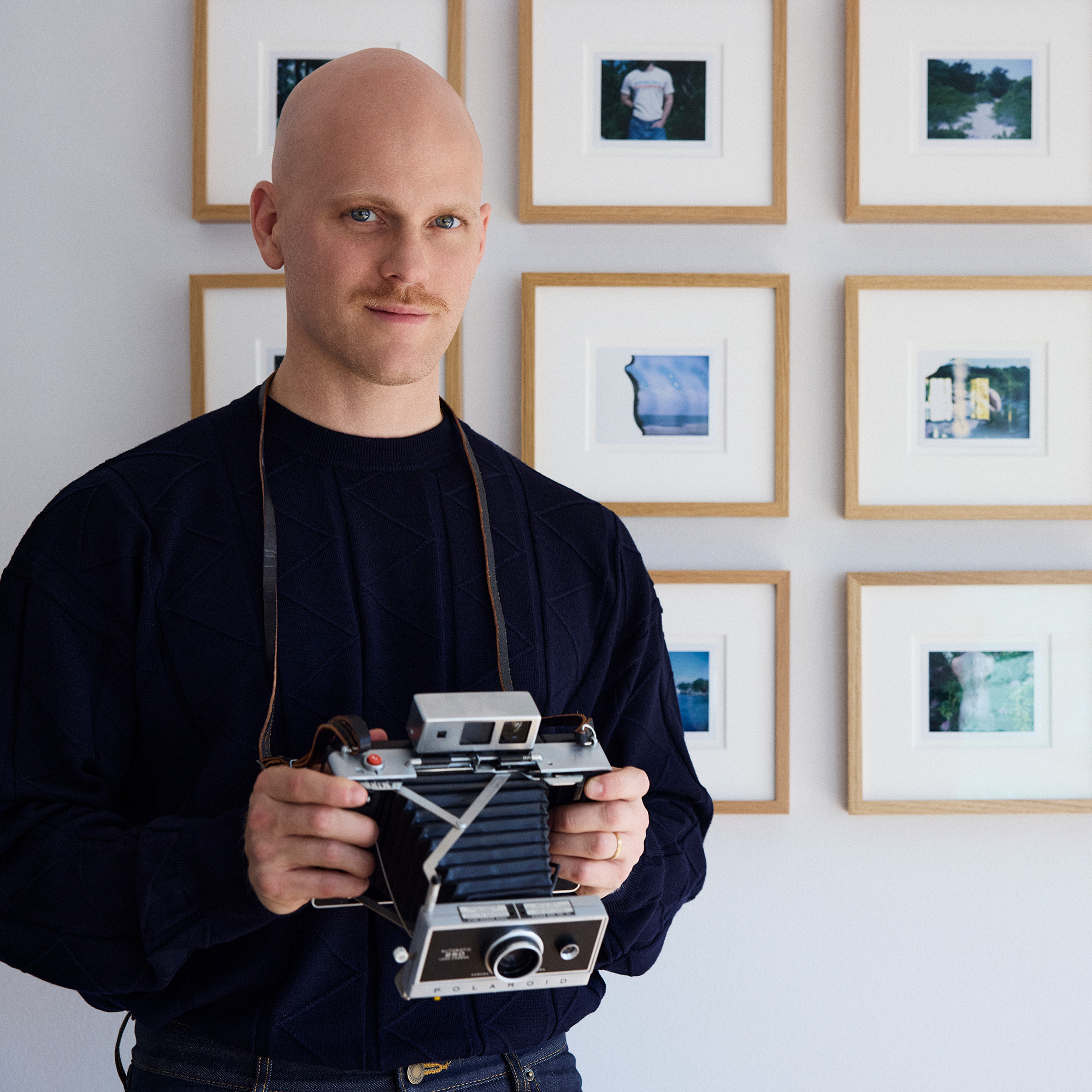
Mory Sacko at his new restaurant, Ikasso, in Paris. Photo: Chris Saunders
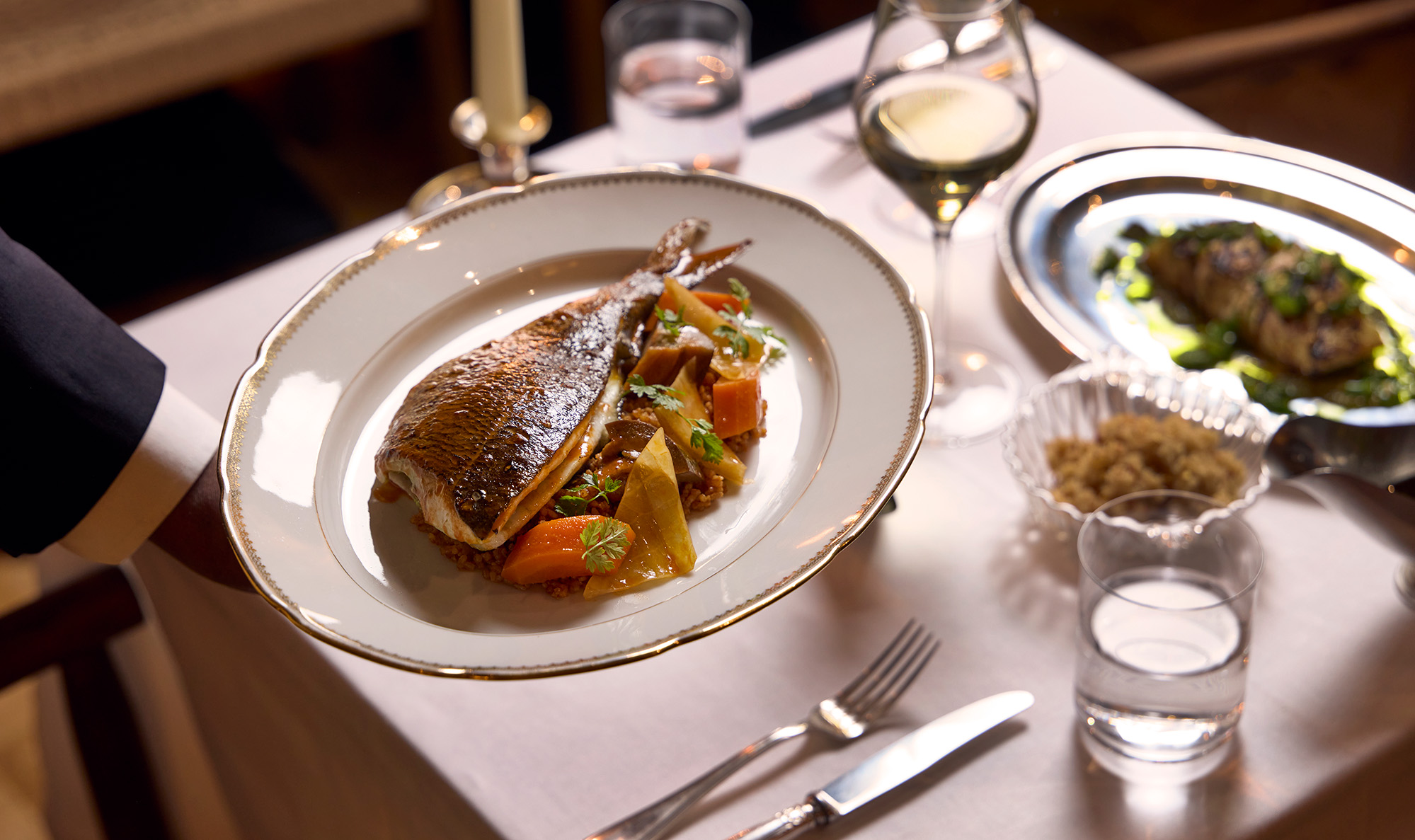
Among the young chefs shaping France’s culinary landscape, Mory Sacko has emerged at the forefront. The 33-year-old has redrawn the boundaries of the country’s traditional cuisine, like coq au vin and salade niçoise, with recipes that incorporate West African and Japanese ingredients and techniques. Sacko rose to prominence on Top Chef France, and subsequently opened MoSuke, a Michelin-starred restaurant in Paris’ 14th arrondissement. His unique blend of culinary influences come from his West African heritage, his French culinary education, and his deep passion for Japan. Signature dishes include Mediterranean fish with West African pepper soup and an infusion of katsuobushi and mentsuyu, or a dark chocolate mousse paired with wasabi. “We don’t mix French cuisine with Japanese cuisine in a way we don’t really understand,” says the chef. “We do something more sensitive.”
Sacko’s approach seems to have resonated. Not only do reservations at MoSuke sell out months in advance, but the chef has expanded his culinary universe with MoSugo, his take on French comfort food, which now has three Paris locations. He’s become a go-to collaborator for fashion brands as well. Sacko worked with Louis Vuitton on the brand’s first restaurant in France, and he’s also teamed up with Ralph Lauren, Loro Piana, and Berluti for various initiatives.
But Sacko is just getting started. His first book, Mory Sacko: A Cook’s Journey (Phaidon) features more than 60 never-before-seen recipes from MoSuke, and explains the techniques that home chefs should use to achieve certain flavors and textures. I caught up with the in-demand chef to speak about his rise to stardom, his love for Japanese cuisine, his next restaurant in Paris, and more.
Growing up in a Malian and Senegalese household in Paris, what was your first introduction to French food?
I didn’t know that much about French cuisine growing up. At home, we were eating dishes from West Africa. French food was something I discovered when I went to cooking school. I learned the cuisine first, but the older I got, I began to enjoy the way of life too: staying at the table for two or three hours, the long menus, and discussing everything over a meal. So it’s really important to me now.
When did you decide to pursue cooking?
When I was a teenager. I wasn’t as interested in cuisine—what I was really interested in was food. I just loved to eat, and that’s still the same today! When I started culinary school, I had never prepared a dish in the kitchen. Everything was really new to me. But I wanted to discover the universe of cuisine. I was really curious.
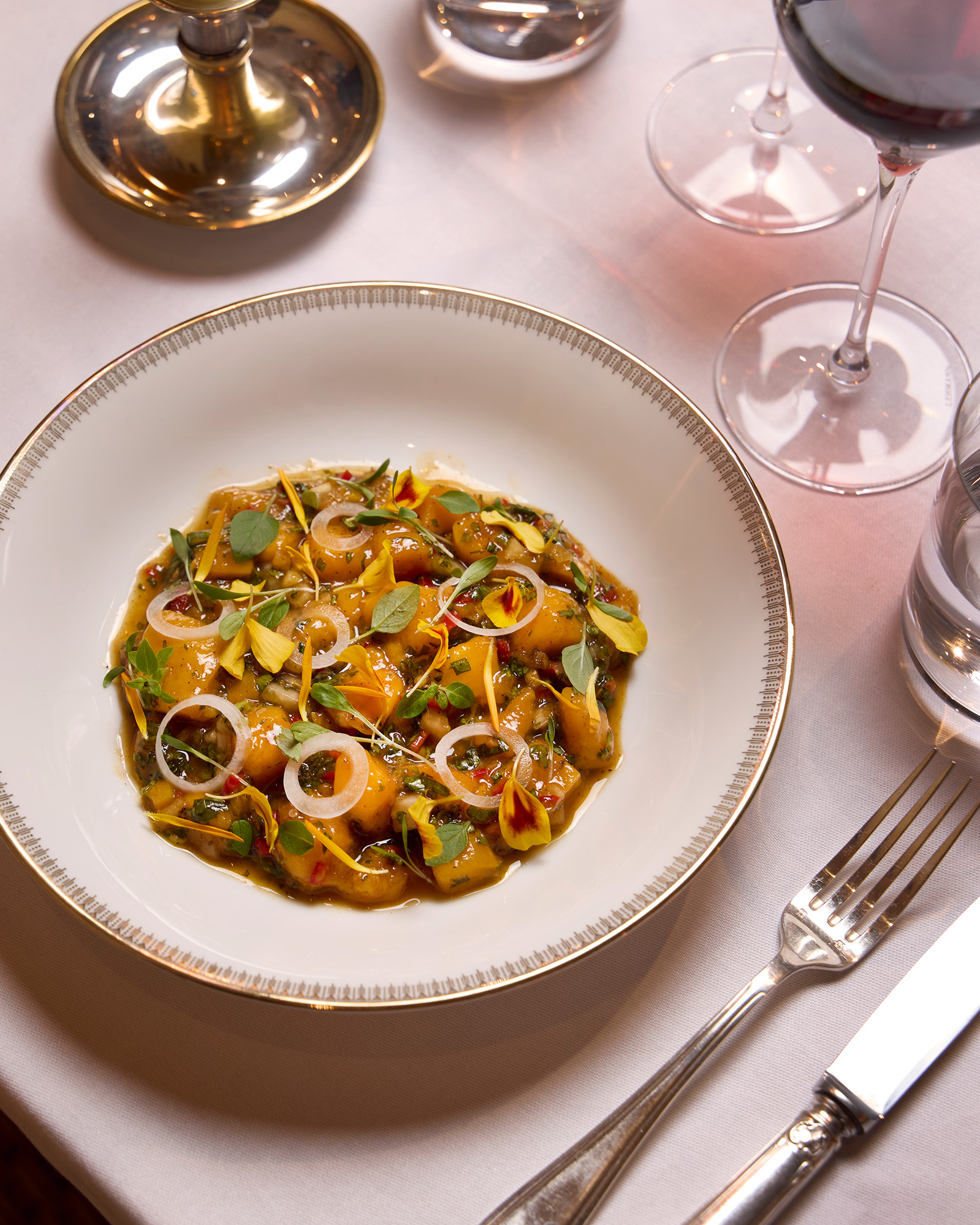
Sacko’s recipes blend elements of French, Japanese, and West African cuisine. Photo: Chris Saunders
Japanese food has one of the strongest influences on your cooking. How did you discover these dishes, and why did you fall in love with them?
I stepped into Japanese culture through manga. I was, and still am, a big fan. The first dish I ever had was ramen, because Naruto always ate it, and I wanted to try it and see if the flavor was really that good. I loved it. Then I kept craving more Japanese food. So when I became a chef, I wanted to know how they prepare the fish, and different Japanese recipes.
When I worked at Le Royal Monceau, I had the opportunity to work at the Nobu pop-up in the restaurant. I really loved the approach of Nobu’s cuisine, because it’s a mix between Japanese and Peruvian food. It was surprising to me. I had taken Japanese cuisine as something quiet, with things like sushi and dashi. There I discovered something really fun.
After that I worked with chef Thierry Marx at the Mandarin Oriental Paris. He’s known in France as the most Japanese French chef. He’s a huge fan of Japan. 80 percent of the team at the restaurant, Sur Mesure, was Japanese. I would go to the people I was working with and ask them where in Japan they were from, and how to make different dishes. They showed me how to make dashi and miso soup, how to cut fish, and all the techniques. I learned through people, which I think is the best way to discover culture and recipes.
Let’s talk about the cookbook. How did you approach putting your recipes out in the world?
It was really important for people to understand my vision of cuisine first before the recipes. Because we don’t just make Asian food. We don’t mix cuisines in a way we don’t understand. We do something more sensitive, where we use a Japanese product to do a West African recipe. Sometimes it’s mostly about the technique; sometimes it’s about texture. The approach is more intellectual.
That’s why the book is written in three parts. The first part tells the story of how I made my way to this type of cooking, where we started, and the people who helped me get here. For me, my cuisine is not a performance—it’s just me. The second portion is about what I do with a product—my approach and my philosophy. Take beef, for example. We can cut it in a French way, but we can cook it in a Japanese way and use African seasoning. The third part is really about the recipe, and that’s the end of the story.
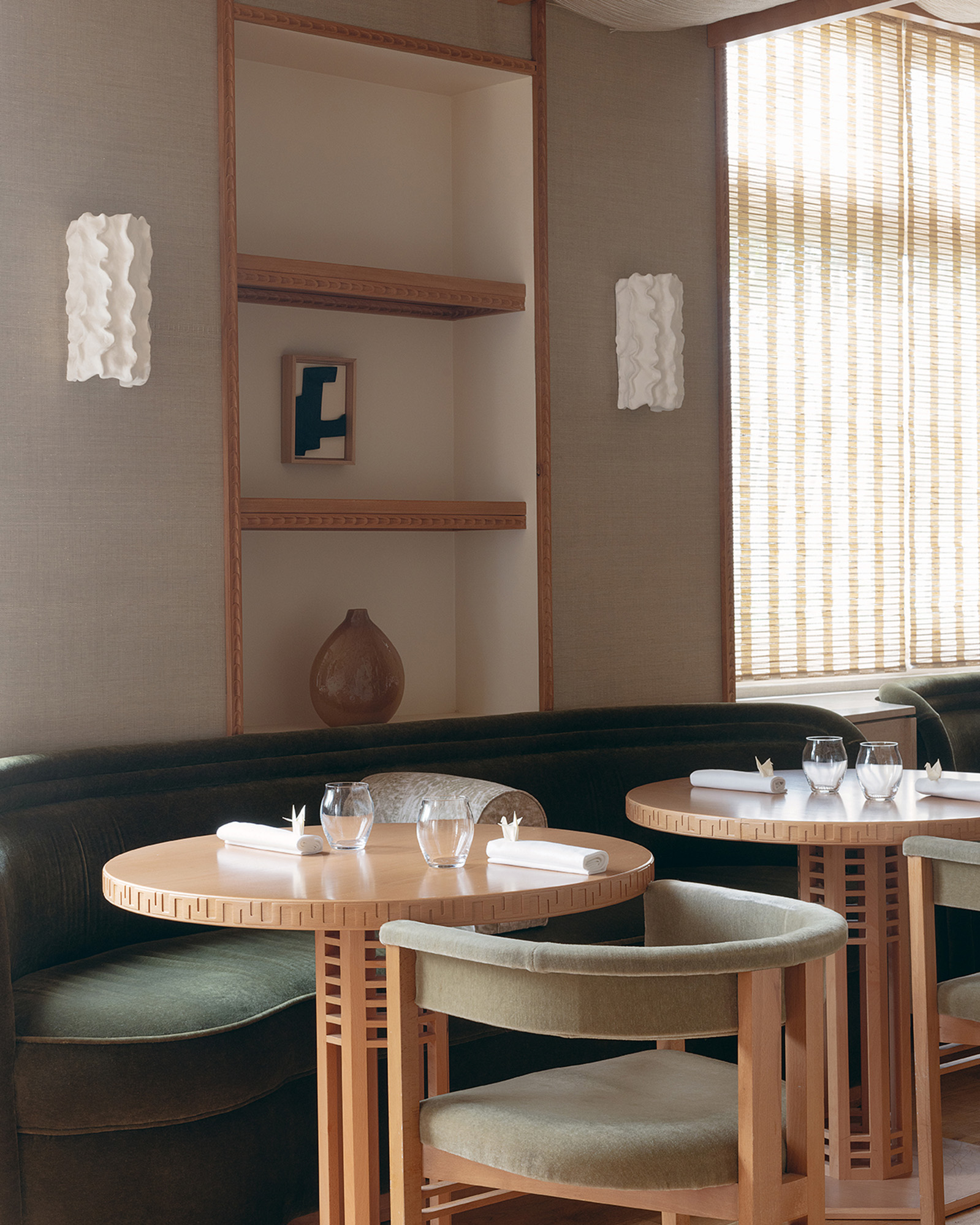
Inside MoSuke, Sacko’s Michelin-starred restaurant. Photo: Courtesy of Phaidon
You seem averse to the word fusion.
Yes, because in my view, fusion food is a mix of French, Japanese, and African cuisine in every single dish. This is not what we do. Some dishes are truly Japanese and some are truly West African. We don’t try to mix them every time. If the dish is good in the Japanese way, we’ll keep it like that, and we’ll add a technique or maybe a seasoning. We want to achieve a balance.
For example, one of the recipes in the book is for chawanmushi, Japanese egg custard. We added some truffles on top. In France, we have truffade, a scrambled egg with truffles inside. So for me the egg and the truffle work together. It’s not French and Japanese. It’s a Japanese dish with some truffles inside.
So the cuisine isn’t losing anything. It’s not becoming something else.
Yes. We don’t change the heart of the cuisine. When we do the peanut maafe sauce, one of the most well-known dishes in West Africa, we do it conventionally. It’s my mom’s recipe. The only difference is we don’t use salt in the sauce. We use some miso at the end, which gives the sauce saltiness, but also gives it some umami. We don’t have umami in the original maafe sauce, so I am just adding something extra. But we don’t add the miso just because it’s Japanese—it’s because the miso and peanuts work perfectly, and it gives the recipe something more.
Someone coming to your cookbook from, say, a French culinary background might not be familiar with West African cooking. What might surprise them?
We know Japanese food is umami, but most people don’t know that West African cuisine is also very umami. They first think about the spice, chili, and pepper, but not every dish has those things. When my mom cooks, her food is really umami. We find umami in tomatoes, so we use a lot of tomato concentrate in our recipes, like the meats and the fish broth.
Sacko’s beloved recipes are being published for the first time in his new book. Photo: Chris Saunders
Two years after opening your first restaurant, you helmed Louis Vuitton’s first restaurant in Saint-Tropez. What was that experience like?
Working with Louis Vuitton was exceptional because they are so creatively minded. There were no limits to what we imagined. We made a restaurant where people would feel like they were traveling when they tried the food. They’re also really open to Japanese influences, so we made a Louis Vuitton bento.
You’ve become quite a star in France, collaborating with brands like Ralph Lauren, Berluti, and Loro Piana. How does all of this factor into your restaurants?
It’s good for me to use my creativity for something besides food. I can take a break from the kitchen and have discussions with creative minds who are not in the food business, and who have different perspectives. Every time I go back to my restaurant, I hold onto these perspectives, and I see things differently.
What’s next for you?
I’m opening my fifth restaurant soon, Ikasso, a Parisian brasserie serving West African cuisine. We’re making the food in a more classic way. It’s something that’s really important to me.