Five Emerging Designers to Watch From Collectible New York
The contemporary design fair returned to Manhattan for its third edition with an international roster of emerging designers. We perused opening day and found five names to keep an eye on.

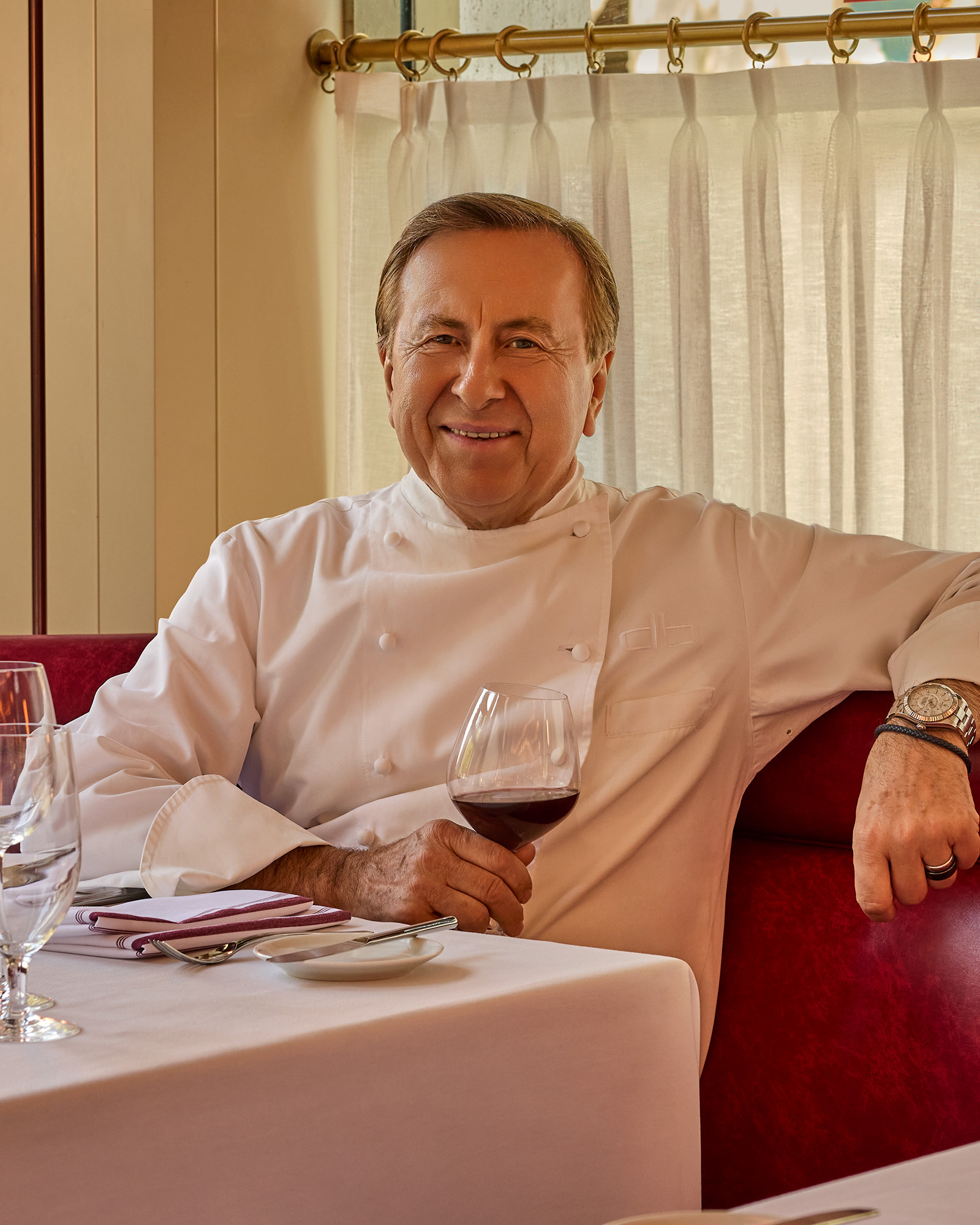
Chef Daniel Boulud is one of the leading names in food today, with an empire of restaurants and businesses that have spread his brand of French cooking around the globe. On this episode, Dan speaks with Boulud about his childhood on his family’s farm in France, what it was like running Le Cirque in the 1980s, and what makes a great burger.
This interview originally aired in season three of The Grand Tourist with Dan Rubinstein podcast on April 27, 2022. Its transcript appears here for the first time as part of The Grand Tourist Classics, our ongoing series bringing conversations with tastemakers in fashion, design, food, and travel from our archive to the website.
TRANSCRIPT
Daniel Boulud: You know, I’ve been in New York celebrating my 40 years, and I think I’ve had twelve food critics at The New York Times that have went through while I’ve been cooking. And I’m still standing, and I’m still waiting to see what’s next. So, they’re all doing their job. I’m doing my job. I believe that I never made a restaurant for the critic, but I made sure that the critic could really find something that is good for the community, for the city, for the level of work we tried to do as well, and for mentorship. That does not mean that opinions are equal. It’s just like art and architecture, music and everything else. It’s subjective.
Hi, I’m Dan Rubinstein. And this is The Grand Tourist. I’ve been a design journalist for nearly 20 years, and this is my personalized guided tour through the worlds of fashion, art, architecture, food, and travel, all the elements of a well-lived life.
A quick programming note. This is the last episode of season three, but we’ll be back in June with more episodes, so stay up to date by signing up for your email at thegrandtourist.net.
In the world of food and fine dining, my guest today is a household name, Daniel Boulud. Born in France and raised on his family farm nearly all, he would rise to the top of his craft at an early age. After cutting his teeth working for some of the top names in Europe, he got a choice position cooking for diplomats in Washington DC, and soon moved on to New York. Later on, in the mid-80s, a young Boulud would take the reins at the legendary restaurant, Le Cirque and he quickly became a central figure in the Manhattan dining scene. As a New York Times review said, “If a generalization can be made about the changes on this awesomely varied menu, it is that on the whole, the approach is lighter, more rustic provincial, than polished Parisian.”
It was that new, approachable point of view on French cuisine rooted in his youth on the family farm which connected with diners, and the rest is food history. Boulud opened his famous Michelin star restaurant Daniel on the Upper East Side in the 1990s, and today he runs a food empire from the Bahamas to Singapore. His latest is Le Pavillon, a restaurant in a midtown skyscraper with soaring ceilings, where customers are surrounded by greenery and dine on a menu with a heavy emphasis on vegetables and seafood. It was named after a famed French eatery that opened at the 1939 World’s Fair and became a classic until its closure in the early 70s.
Marking his 40 years as a New Yorker, I spoke with a reflective Boulud from his headquarters in New York about his early life, what made him the chef he is today, and just what makes a great burger.
I wanted to start from the beginning. You grew up on a farm near Lyon and your family had a small cafe attached to it. Can you tell me a little bit about your earliest memory of your life living on a farm?
Well, it was a busy farm, a very busy farm. Both my parents, my grandmother, my uncle, and my cousin were all working with my father and the composition of the farm was done because we weren’t living in the plains of Lyon, we were more living in the hills of Lyon so we could not do just grain or focus on one particular thing, and have a bunch of tractors and just do grains and wheat and corns and things like that. So, we had a multitude of application crops we had at the farm. So of course crops were very important because we had live animals, we had cows. We had about 20 cows, about 40 or 50 goats. We had three pigs which we raised and killed every year for our own goods and having our supply of charcuterie for the year and supply of ham, charcuterie, and sausage. You can imagine the saucisse and the confit. And the pigs, they were fed every day with the buttermilk coming from the cheese we were making from the goat milk. And so that was quite nutritious.
What was amazing is that you know, we talk about waste, and we talk about zeroing down to a cycle that keeps things recycled with the purpose of doing more things. And I think the farm was the typical example of that from the bottom meal to the manure to everything else, everything gets used.
Usually, life on a farm is pretty tough, but do you have good memories of your childhood there, like was it a nice childhood?
Yeah, very much. There was so much. I take my son there sometimes and I explain to him what I used to do on that farm and show him the old equipment, what we used to do with it and explain to him, you know, how to catch birds, how to catch animals.
Is the same farm still in your family?
Yeah. That’s where my parents still live and my brother and sister all around, and that’s where I have my house there in France. I have my own house next to my parents’ home. And that’s where Café Boulud was. Also, we had a cafe on that farm, but then it closed in the early 60s so I didn’t really know the cafe too well. But the heirloom of the family and the business was that we had this cafe. So, in New York when I had the opportunity, I created Café Boulud here.
And so, you left home at the age of 14 to go and work. What was that like?
Helping my grandmother in the kitchen definitely gave me the bug that cooking was a big interest, a passion, but I didn’t know much other than my grandmother’s cooking, which was delicious, and she will always make stew and roast and we will eat the strangest thing sometimes. Like for example, Saturday was the market day. So, we will kill maybe 20, 25 chickens for the market that were pre-ordered by our customers there. You kill them, save the blood, you pluck them, you gut them, and you get them ready for the guest. And so that’s a lot of work to do on Thursday and Friday to prepare all that. But often on Friday night, we would eat this sanquette, and it’s basically a chicken blood omelet, where we whip the chicken blood with a little bit of vinegar and salt and pepper and a little bit of milk. And then we will pour that into a large pan and make a tortilla of chicken blood, and then sauté like a flat omelet and then cut that in a wedge like a cake. And that was Friday night dinner.
What did it taste like?
It tastes like a blood sausage a bit, but you know, good irons. So, consciously we knew what good nutrition was and how important it was to have balanced nutrition between calf liver and blood sausage and all kinds of things that we always kept. And we were making the cheese, we were doing all that, and our table was always at lunch with a roast and with vegetables and all that. Breakfast was with a pork belly, eggs, and cheese. Of course, my parents had an early breakfast at 4:35 in the morning. They had coffee and a little dotting, and then at 7:30 that was breakfast, like breakfast of champions. Then at noon we always started with the salad, and the salad was coming from the garden and the dressing was unmistakably the garlic dressing, our own garlic, with the mustard, vinegar, and oil. And the salad will vary with the season, from winter salads, to like chicory family, to the spring salad and to the field salad, the one we were going to go on the field, like the mash salad. We’ll have to go to the field and pick it up, or the dandelion. Foraging was a very big thing as well besides the garden for mushroom, for salad, for greens, for nuts, for all that. Of course, after the salad was the roast and there were always at least two vegetables with that. Then we’ll have cheese, and then we’ll have either a fruit or a dessert or something simply made, a little sample dessert and then at night, we would have a soup.
So, at lunch, the salad to start, at night the soup, always a soup. It doesn’t matter if it’s winter or summer. In Lyon, we didn’t care much. Cold soup was not always the thing. Even in the summer, we eat hot soup, and the hot soup was often either made with the vegetable of the garden, or some leftover stock we had, or leftover vegetable we had. There was always a way to transform either trimmings or other things, and it was super delicious. That is something that always stays with me. And at night we will eat a little lighter, in a way, there could be all kinds of pasta or things like that or grains.
And when you left home to go be an apprentice, you must have had these skills already.
Not the skill, but the knowledge of ingredients and the knowledge of taste and flavor that, you know, home cooking. Basically, my parents tried to put me in a cooking school at 14 when I decided that I wanted to be a chef, and I stayed only three weeks at the school. Three, four weeks maximum and I quit. I told my parents that the food was much worse than at home, because maybe my taste was developed already to know that bad food is bad food, and the teachers were not good cooks.
What did you do after you quit?
Well, that was the dilemma. We had this very wealthy lady. She was not wealthy, but she lived life and was burning all her money, so she was a contessa from Italy that married a noble in Italy. She must have been beautiful young, she was not very young anymore, but she was still driving a Mustang convertible. So yeah, talking like the late 60s and she was smoking two packs of cigarettes, drinking two bottles of whiskey a day with her friends. And she had a racehorse and was gambling on that, and she was going to the casino all the time, but she was going to the best restaurant in the city. She knew every chef in the three star, two star, and one star, of the entire region of Lyon and Lyon itself.
And when one day she came home to pick up cheese, eggs, or chickens, because she was living maybe less than a mile away, half a mile away from us. And when she was alone, she never wanted to sleep alone in her house so I would go as a kid and sleep there in case, you know, something happened. I don’t know, maybe to keep the dog quiet. I was a little protégé, she always loved me. She bought me my first watch when I was 12 years old. She was always taking care of me, and taking care of the family. And when my parents see her and said, you know, we don’t know what to do with Daniel because he doesn’t want to go to school anymore. He doesn’t like the school where he is cooking, and he wants to be a chef, but we don’t know what to do with him. And so, in the beginning, she suggests, oh, maybe he wants to be a jockey. Because she had a lot of horses at the racetrack, so maybe he wants to be a jockey. And so for five minutes coming home to the farm, taking care of the horse, again, that wasn’t my thing. The animals, I gave it enough. And I knew then I had to get up at 4:30 or 5:00 in the morning and clean up the horse for a couple of years. And then she says, well, if you want to be a cook and a chef, I will knock at every 3-star and 2-star restaurant in Lyon and ask them if they want a young apprentice. And she went around, and she went to the top three stars and the two stars and one of them said, yes, I will take one under your recommendation, I will take the kid. And so at fourteen, I went to Lyon and started my apprenticeship.
What was it like as a young apprentice in a Michelin star restaurant?
It was a two-star Michelin, and it was definitely the best restaurant in Lyon because the whole society of Lyon was sitting there. It was a destination restaurant, but it was also a true Lyon restaurant. And in that restaurant, we were also doing catering for the town hall, for the City Hall, but also for the state hall, and also, we were doing the big trade fair and many other things, going to private clients as well.
I don’t know, it was very strange at the beginning because I entered this restaurant and I’m a very young kid. My parents brought me, and we met the owner. So, the owner looks at you up and down, asks you a few questions, and then “comes and follow me,” and then goodbye to my parents. And now I’m going to see you every week. And the rest of the week, I’m going to be leaving by myself and Lyon. So, I was living in an uncle’s house and then a cousin’s, but, you know, I was kind of living by myself. I was doing whatever I wanted in the afternoon, during the break and all that. The apprentice is almost the responsibility of the owner to take a sort of a fatherhood responsibility to make sure that they take care of that kid, and the owner was fantastic.
Were you paid at all?
Yeah, well, I was paid a dollar a month. My first salary was a dollar a month because I compared it with five francs, so five francs at the time was barely a dollar. And then gradually I went up to, maybe after three years, maybe I made $15 a month. So that was really not worth anything. My parents helped me of course.
Were you a good apprentice at first? Did you show up on time and had a clean apron and the whole thing?
Sometimes, but the biggest problem was not to be a good apprentice, it was to be able to get along with the guy, the apprentice of the second year and the third year and the chef de partie was just crushing on you, crushing on you all the time, because you are the youngest, you got to get beat up in order to lear. Not beat up, but you know, they put pressure on you.
They hazed you.
Yeah. Pretty much. But so, you know, I had my challenge, but I wasn’t going to give up, neither cry nor be upset. I just fight. But I was very lucky that I got a chance to meet some of the greatest chefs in France and Lyon. And it was in a time when there was a huge transformation, a generational transformation of chefs.
There was a new generation coming in, but also this new generation was forming a new club of these young chef who were ambitious to transform French cuisine into nouvelle cuisine. And so it was amazing to be able to witness the evolution around what was happening in French cooking, and also the media marketing and the attention the chef was having at the time there, through the media and through the campaign of this fraternity among chefs. And also, they were starting to make cookbooks a lot. And they really defined a whole new chapter in French cuisine that, you know, we knew in the past from Escoffier and Carême and all that. And then when Paul Bocuse started to lead the pack of this new generation of chefs, that became really a generation of chefs led by Paul Bocuse that really transformed the landscape of dining in France at that time and internationally as well.
That’s really when they started to go international and come to cook in America with like, you know, older French chefs were starting to cook at Robert Mondavi in California, or in Tokyo at the Tsuji Culinary Institute in Tokyo, or in Australia, or in South America, in Rio de Janeiro, in Caracas, in New York, they were starting to create outpost and consulting opportunity there to start to make their cooking. And for me, it was eye-opening. Also in Lyon, we were doing the State Hall, and I served my first president in France at the age of 15. At the time, for security reasons, we all had to have clearance, and part of that clearance was they gave you a card with, you know, the blue, white, red, and the stamp and all that with your name on it, that you could get into the state hall to do the party and at 15 you are like, whoa!
(SPONSOR BREAK)
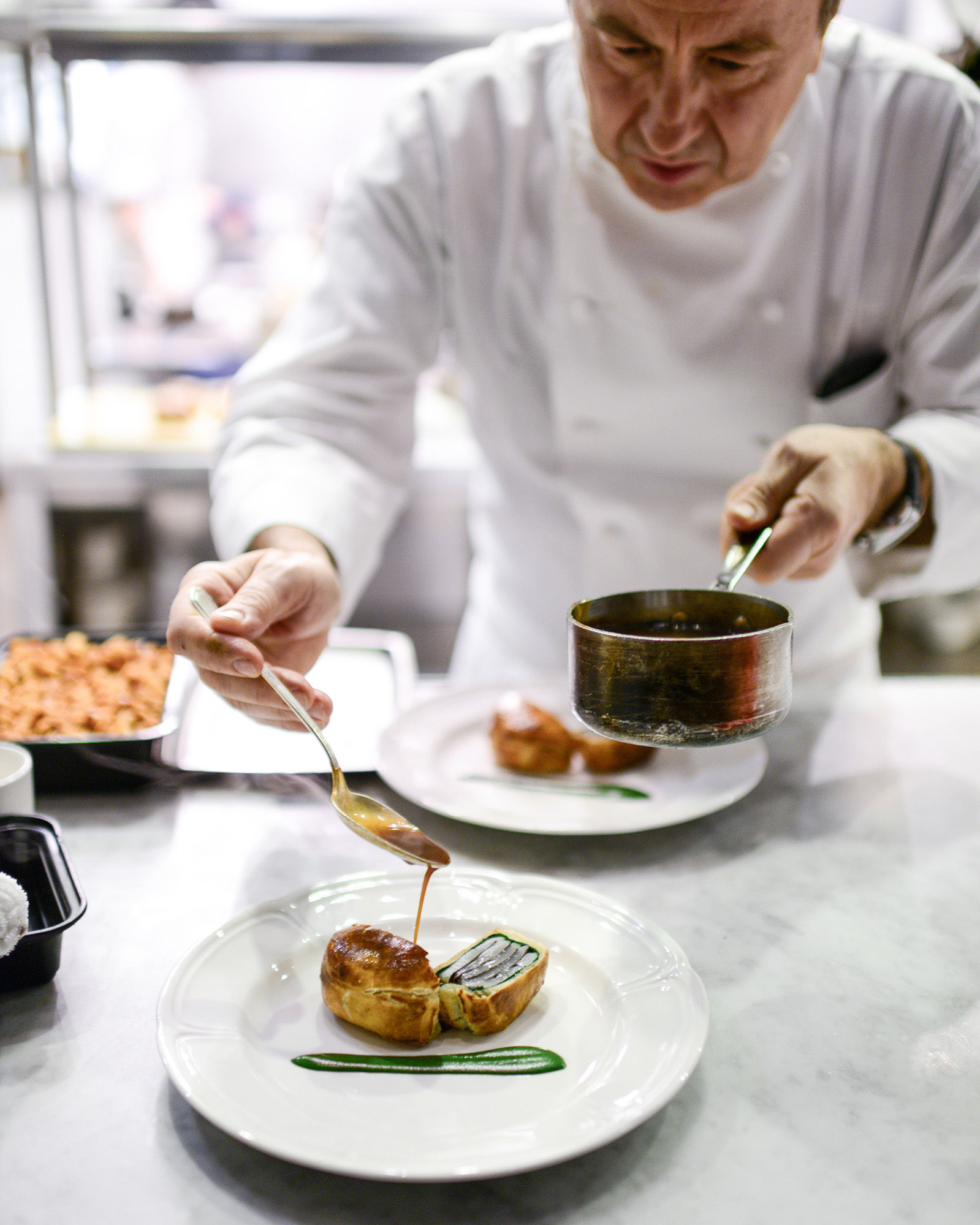
So, after you started your career in Europe, you rose quickly through the ranks. You were learning from legends, like Roger Vergé. How did you first find your way to the United States?
I was offered to go to Washington and be a private chef, and they were going to pay me for the trip, the apartment, and give me a car.
Was it for a politician?
Yeah, for the European Economic Community. They had a delegation in DC, so it was a diplomatic position. The head of the delegation was French and he wanted to have a young French chef. He wanted to make sure his table in DC was the best table to be at, and they proposed me to go there, and I felt like, well, why not? So, they were not entertaining too much, but even the wife of the ambassador was calling the media, inviting the media to come, something the embassy had never done before. She was trying to promote me and promote the fact that her table was the best table in DC. I worked there for two years and then after the family went back to Europe, that’s when I decided to stay in America. I tried to be in a restaurant in DC, but I didn’t like it.
So, I wanted to come to New York, and I asked one of the chefs in DC, Jean-Louis Palladin at the time, the best chef in DC. I say, you know, I want to go to New York, and he says, I have this opportunity because they’re redoing the Westbury Hotel and it’s the same management as the Watergate in DC. Watergate Hotel and Westbury Hotel in New York is the same management, Trusthouse Forte and they’re looking for a chef. Go and check it out and present yourself. So he sent me there and I did an interview and they liked me very much, but they also liked a chef from France that was sent by Roger Vergé, my old mentor, who I was not talking to at that moment and I didn’t know he was also sending another chef. So bottom line, we decided to work together, the chef from Verge, plus me and take over that because they were giving me the Plaza Athénée in New York, the opening, and the restaurant there within two years after. So, for me, it was a perfect opportunity to come to New York and see if that city was what I like. You know, I have always dreamt of coming to New York, and I had the chance to come many times when I was in DC.
What year was that when you moved to New York?
November 1982.
I mean, to be running a major restaurant in the 80s, in New York. I mean…
It was amazing. Crazy time, and yet amazing time. Many of the young chefs, I mean in the kitchen at the Westbury Hotel in 83, I had a chef like Alfred Portale in the garde manger, Bill Yosses, who was the pastry chef at the White House for many years and a very close friend, amazing pastry chef. At the time he was a cook in the garde manger. We had Thomas Keller in the fish station. And I had many others like David Chuck and Robert Bradley. I had Ralph Scamardella who is a partner at Tao today. We had Frank Crispo, a chef from New York. We had Danny Russo, the chef at the barbecue place in Midtown, one of the big barbecue places, and all that. So, 20 or 30 years later, they’re still active, those chefs, but we all started together almost 40 years ago.
Who were some of the people like some of the clients that came in through the doors in those early 80s?
Yeah, we had people like Andy Warhol who was always hanging out in the Upper East Side because there were all the galleries, the art world was up here. We had Richard Nixon because Richard Nixon’s daughter was living on 70 and Madison, and the restaurant was on 69 and Madison. We had Kissinger, we had Jackie Kennedy, we had all the people of the 80s, the socialites of the 80s, Bloomingdale’s, and Mrs. Loader, the ladies and gentlemen who made that world at the time. And even actors like Al Pacino. One time Al Pacino was there at the bar, and I was there, and somebody told me that we looked so much alike, at that time, at that moment, I don’t know. But we had a lot of actors, artists, singers, and locals. A lot of businesspeople, it was the Upper East Side so it was quite social and it was kind of a wealthy neighborhood as well.
(SPONSOR BREAK)
And how long were you in New York before you went to Le Cirque?
Well, I went to Le Cirque in ’86, so that was four years. I was four years in New York already when I decided to go to Le Cirque. Three and a half or four years.
And for those who maybe don’t remember the restaurant then, and weren’t in New York at the time, can you explain to people what Le Cirque was at that time?
Of course. So arriving in New York, when you go to a city you don’t know, you must learn the landmarks of New York city’s dining. What is the history behind New York city dining? Who is our competition? Who are we? Who is our benchmark? And who do we want to be compared to? And of course, each restaurant has a reason. You know, we love the flowers at La Grenouille, but we love the clientele at Le Cirque, but we love sort of the business side of the Four Seasons. And each restaurant had this particular pitch that they were strong at. And of course, Le Cirque, when I first opened the Westbury, which was only 10 blocks away, we had a lot of cooks coming from Le Cirque, and he was not too happy about the cooks moving and all that, but life went on. And then after I opened the Plaza Athenée and I was the chef, basically, if you opened the window of the kitchen of Le Cirque you could pass something to the kitchen of the Plaza Athenée at the back. That was my kitchen there. So we were butting buildings in the corners of the kitchen here.
While the Plaza Athénée’s Le Régence was not a competition to Le Cirque, Sirio Maccioni knew that the food was better there than in his restaurants, but still, Le Cirque was more successful than the restaurant there. So, you know, sometimes it’s not all about the food. It was a lot about Sirio as well.
One time there was this big event in New York where Paul Bocuse came, he was celebrating his 60th birthday at Le Cirque. Andy Warhol was there and we organized that with Absolut Vodka because at the time a French guy, Michel Roux was importing Absolut Vodka to America and made this huge campaign with the artist Basquiat and Warhol and all that.
Sure, now famous today.
Absolutely. And so we threw a big party at Le Régence at the Plaza Athenée and that was also the birthday of Paul Bocuse. All the great chefs of France were there, and they were all at lunch. And I remember that lunch, I served them even the fry bass from the Hudson River. I tried to really play local, but very classic, good, and my style of cooking but they all loved it. And at night, after, they were all going to have dinner at Le Cirque and after that big lunch, they say, oh, Daniel, you have to come and join us at Le Cirque for dinner. And actually, I was busy at the restaurant so I could not, but I said, okay, I’ll come later to have a drink with you at the end. So, I went to join them there and I didn’t know, Le Cirque too well because you know, by intimidation and having this problem with the cooks who came from Le Cirque to work for me, I didn’t want to go to Le Cirque and get, you know, crucified so I kind of avoided it.
And did you get to meet Bocuse?
Of course, because I have known Paul Bocuse since the age of 14 and he has always followed me everywhere I go. And I knew him at the Westbury, and I knew him at the Plaza Athenée and him and Roger Vergé, and Gaston Lenôtre, the famous pastry chef, in 1981 just before I moved to New York, they were opening in Orlando, the great chef of France there in Orlando at Disney World. And so, at the time, there were no direct flights from Paris to Orlando, so they had to do a hub, and they were always doing a hub in New York. So they would stay with us and then go to Orlando and then come back here and stay with us, so we’ll see each other all the time.
And so, we had this birthday lunch, which I still have pictures of, and at night we all met at Le Cirque, and that day, Paul Bocuse told Sirio that another chef made a comment that they all love Sirio, but they felt that the cooking could advance more. The cooking should be better in your place for the reputation you have, for the clientele you have, and for who you are. And Paul Bocuse says, you should take Daniel next door to run the restaurant.
And you said yes, I’m sure. Did you say yes right away?
Well, no, because that was not negotiated that way. Nobody told me anything, but after that night, I heard that Sirio wanted to talk to me. So, we had a secret meeting here in the building coming from the Park Avenue entrance that nobody sees, and we were sitting in a back room, which they used to call it the backgammon room in the building. There was a backgammon room in the hotel. So, we were sitting there and I had the first meeting with Sirio. And Sirio is telling me that the chef wants to move on, Alain Sailhac, he has been there for six and a half years, and he wants to move on. And he wants to bring a new chef. And of course, Sirio had come with his family to have lunch for Mother’s Day. He came to also have dinner at Le Régence, and he saw the quality of work I was doing. Even his youngest son Mauro, who was 10 years old or 12, sent me a two-page letter criticizing his dinner because that was kind of a school thing. I will never forget. No, he didn’t send it to me, he sent it to the manager of the hotel.
Sirio was so embarrassed by his kid. But anyway, at the first meeting with Sirio we discuss, and he would like me to come and join him eventually in the fall. And we were talking before the summer. So I went through the negotiation, and I felt that this was going to be the biggest challenge in my life because I’m taking a restaurant that is not an opening. Neither is it a small countryside restaurant that gets busy once in a while, this is a runaway train that you have to jump in, and it’s busy lunch and dinner, and it never stops. And the pressure, the clientele is the highest clientele. I mean the clients are powerful, the business is very powerful, the wine program is amazing, the service is amazing, the product we can buy, it’s amazing here, the cooks, the team we have to work with. So, it was really jumping into the big league. And as a very young chef, proving that I can do it.
How old were you?
So, I was 30 or 31. But to take this place that had been already in business for 17 years. And that’s one thing Sirio had many accolades, but Sirio never had four-star in The New York Times. And for him, that was his dream to be able to have four stars. And after maybe six months that I was there, not even, we got the four stars in The New York Times, and there was a lot of transformation and that kept transforming. And then five years later, The New York Times came back and gave us four stars again to reconfirm.
Le Pavillon, one of your new restaurants, opened at a very difficult time. Can you explain a little bit about the history of the name and the concept behind this new restaurant?
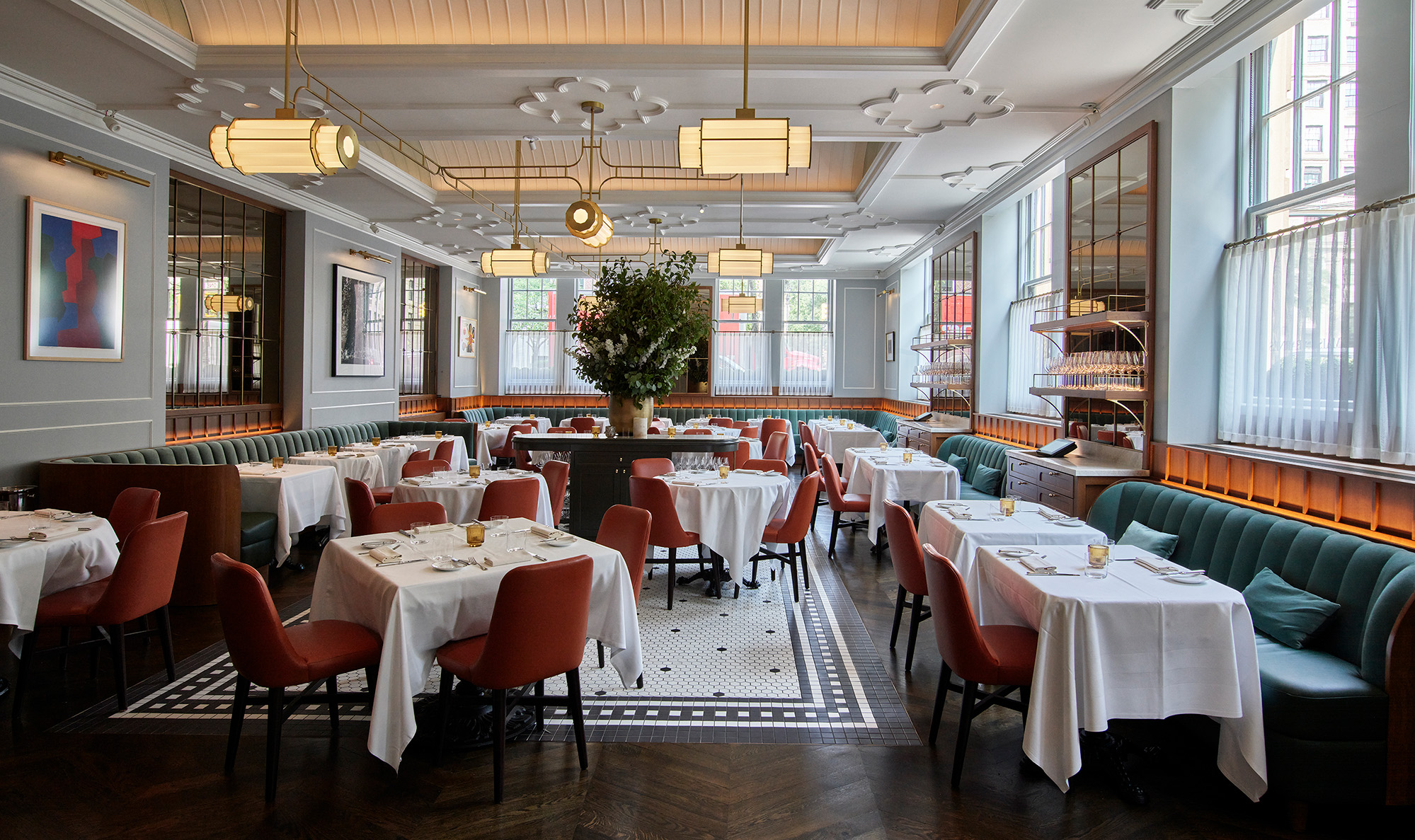
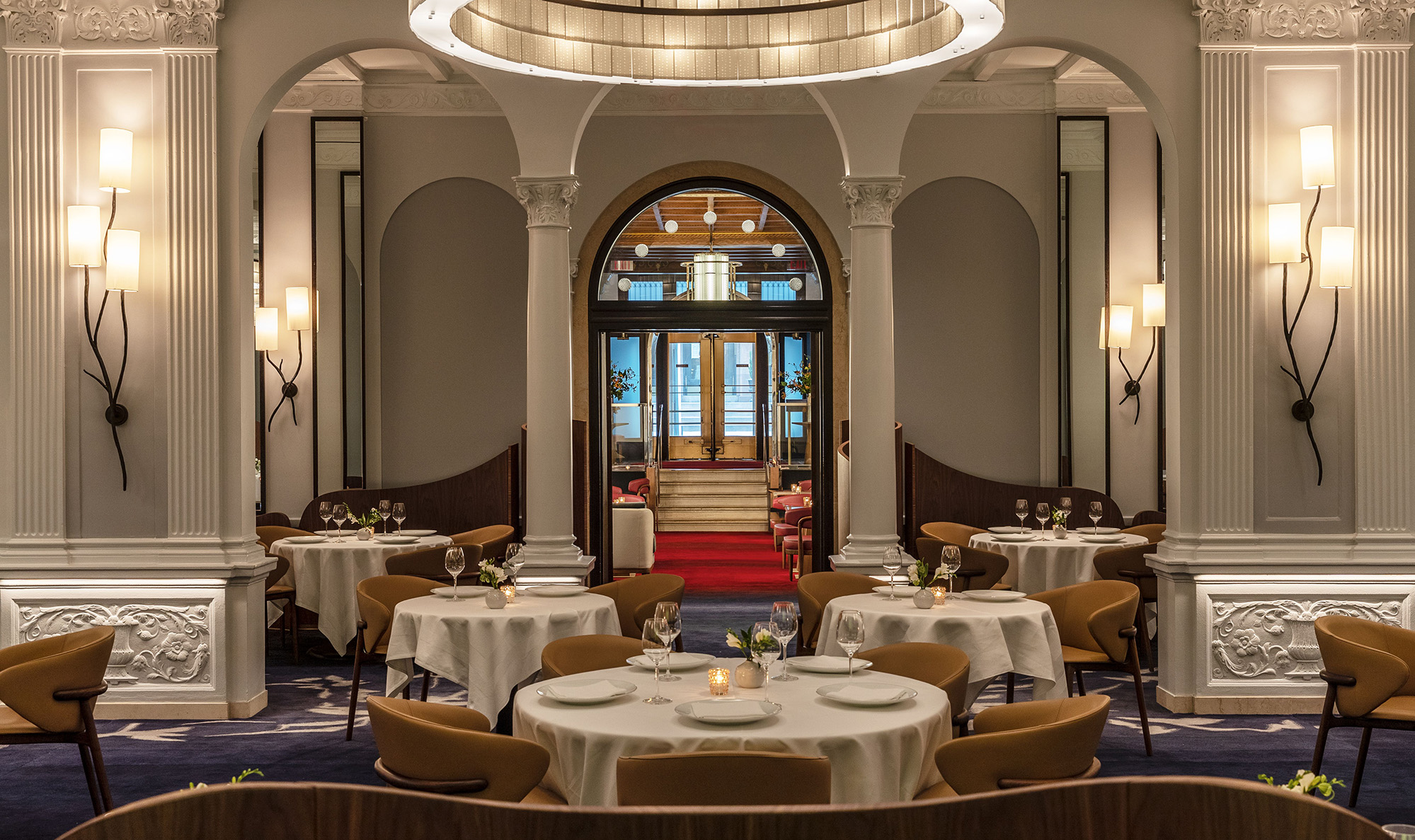
Coming in the early 80s in New York, Le Pavillon closed in the late 60s, early 70s. And it was a restaurant that lasted almost 30 years, from 1942, I think 43, to 1970. It was still so vivid in the minds of people, customers, employees, suppliers. And the history of New York City dining, when I came as a young man, I wanted to know what the past was made of and who was cooking where and what. They were many characters in New York at the time who were young, but still had the chance to work at Le Pavillon such as Pierre Franey, Jacques Pépin, and many other chefs around town, that came from that generation of Le Pavillon, and opened their own restaurants and had worked there as a captain, as waiters, as a cook, as a chef, maître d’. And when I opened the Westbury Hotel at the Polo Lounge, last year when I opened the Le Pavillon, I found some old menus and I see the name of the maître d’ of the Westbury, which I totally forgot that he worked there, and it was there for more than a decade, or two. William Massarotti was the maître d’ at Le Pavillon, and he was my maître d’ at the Polo Lounge for two and a half years! And so totally soaked into this story of Le Pavillon, that was the reference in French dining and that was the foundation of all the other restaurants that were opened in New York City.
Having worked at Le Cirque, having admiration for what French cuisine was in New York City in all those years, and having respect for what the French had done in New York before, I felt that we had fifty names to choose from. At the end of all these meetings, and these round tables and all that, I came up with Le Pavillon and it felt like maybe it should be brought back, not for what it was, not for what it represents, but more for what it represented for New York. Today French restaurants are in much less quantity, today you have equally good Korean restaurants, Italian, Japanese, Spanish, Mexican that are equally good as a French restaurant. To be able to bring back a piece of French history in New York. If it’s available, why not use it again.
Did you need permission to use the name?
Well, we made sure we made a survey that it was not held by anyone and it’s also a name. I mean, of course, there’s pavilion and there’s a Pavillon Hotel and all that but it’s a common name, so it is not a problem.
So, this one is Le Pavillon by Daniel Boulud. And I think it’s funny because I have customers, even Mr. Kissinger, who came to Le Pavillon the other day and I know Mr. Kissinger for 40 years for having cooked for him. I was telling him you used to go to Le Pavillon. And he said, yeah, we used to go there. At the time with the Rockefellers, and with the Kennedys. And so because of the history of Vanderbilt, the Pavillon, this era of New York right after the war and the name of the restaurant was named after the original French pavilion at the world fair in 1939. I thought, this is really New York, and yet this is very French.
And when did you set out to open this restaurant, it couldn’t have been during the pandemic?
Yes. I’ve been working for five years on it and developing the design and all that. And SL Green, Marc, the CEO has been fantastic. His team, they’re an amazing partner to develop this restaurant with us, and of course, because of the pandemic, we lost three months in our calendar.
We were supposed to open in December of 2020 and because of the lost time—we were ready in March, April because they couldn’t put all the trades together when we started to really build the restaurant. By March, we knew that we could get ready to open anytime soon, but we wanted the city to reopen at hundred percent. We didn’t want to open a new restaurant at fifty percent. So, we made sure and put pressure on the mayor and said, we want to open our restaurant in May. We want the city to reopen mid-May. And we decided on the date of May 19 and the mayor decided to reopen the city on May 19.
Well, we’ll give you the credit for that, actually.
Yeah. And to Marc Holliday, and to the fact that we have to support a city and we have to sometimes give it a kick. And I think it was a good opportunity to be able to show to New York that it’s a good time to open a restaurant, even in the bad time.
And so much of your life, when you’re working in restaurants, there’s such an entrepreneurial part to it, there sort of has to be. You know, where restaurants can come and go, and you recently announced Boulud Privé with Michael Shvo, can you tell me a little bit about what that is and what that’s going to be like?
Well, this is going to be a private residence restaurant. So you know, doing restaurant business, we know well what it is. I also have a catering company and the catering company, we know very well how to deal with private homes and dinners in private homes. I have a catering company for 28 years now, so Boulud Privé is sort of an extension between a restaurant and private dining. And we also have a lot of private dining rooms in each of our restaurants, and so it will be a limited à la carte, but convenient for people who live in the building and don’t want to go out, and entertain in their own building, of course, and also convenient if you want to have lunch, you want to have dinner, and you want to throw little parties. Then we can always have the support of our catering companies and our restaurants when they want to have a meal from Daniel in their home, if they want to have a meal from Le Pavillon in their home or something like that.
Before my time with the chef comes to an end, I wanted to ask him a bit about his life today, how to cook for friends for a country weekend, and what makes a great burger.
And my last question is, if you had to spend a weekend in the country or a week in the country with some family or some friends, and you only had one opportunity to go to the store to pick up ingredients to cook and eat for a week, what would that menu for the week look like?
I think I will definitely buy eggs, because eggs I can cook a different way every day, for lunch and dinner, from custard to all kinds of preparation. Cheese, a big piece of cheese because I can cook that every day in one way or the other.
With the omelet, if you need to?
Absolutely. And I will buy a big roast that can also be transformed into many different recipes from burgers to meatballs, to pot pie, to whatever. I mean, of course, it could be pork, it could be beef, it could be lamb for that, but a lot of vegetables, a lot of vegetables and why? Because I can live on vegetables. I can make all kinds of meals with vegetables, cured meats, and cured fish. And of course, fish. I like cured fish. I have my own smoke salmon branded, which is a recipe from Denmark when I used to live in Denmark, and it’s done by a company called Catsmo and distributed by Solex and you can have that in many of the Whole Foods all over the East Coast but also online at danielboulud.com. And so smoked salmon will always be in my refrigerator in a small package, just ready to go.
If you have to buy one bottle of wine?
Burgundy and Rhône. Mostly burgundy and Rhône for me, and white and red.
Why do you like burgundy? For that one bottle choice, why burgundy?
I was born near Burgundy, and I was born near Rhône as well because Lyon is the anchor city between north in the north Beaujolais and Burgundy, and in the south Côte-Rôtie, Hermitage, and Côtes du Rhône and Du Rhône Châteauneuf-du-Pape. So basically, as a true Lyon, you don’t even know where Bordeaux is. You don’t even know what Bordeaux is, you only know Burgundy and Rhône.
And going back to your roots if someone visits Le Pavillon, or Daniel or anything like that, do you think that there’s a little part of you from your youth on the farm that you can recognize in your restaurants?
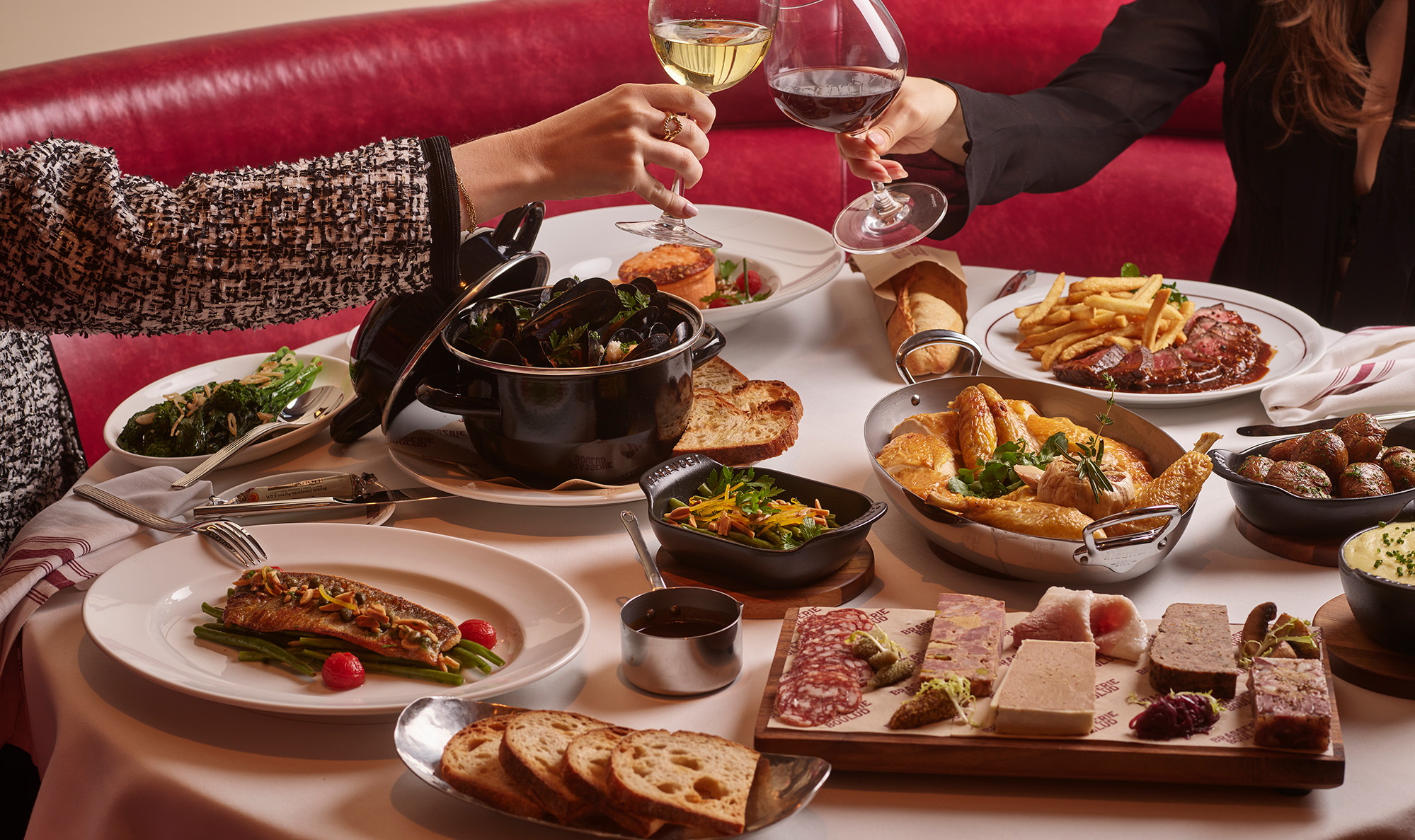
It’s hard to find sometimes, but you can find that at Bar Boulud because it’s a little bit more modest and it’s more classic. Also, it’s a wine bar bistro based on the Lyon idea of the wine list, it’s made with Rhône and Burgundy for the most part. And at Bar Boulud, we have charcuterie and we have boudin blanc, and boudin noir and we do coq au vin. We do all kinds of meals that you could find on the new table at home in Lyon. We are doing a cassoulet right now, which is fantastic in the winter.
And then of course at Daniel theirs is gougères, sometimes we do gougères for a special event. We do madeleines which are something that I grew up with, the madeleine, the little cookies. So, there are sometimes things that are reminiscent of maybe my youth, or a specialty that we do.
And at Le Pavillon, again maybe because great memories are often sweet, we do the choux à la crème because I remember as a kid to go down to the bakery and buy the choux à la crème wrap where, you dig your teeth in and all that cream goes into your mouth. And so the choux à la crème, you pop it in and it explodes with the cream inside.
So that’s on the menu at Le Pavillon, amazing.
Well, it comes for free at the end of the meal.
So, when you spend a few weeks in France and you come back to New York, now that you’re a true dyed-in-the-wool New Yorker after 40 years, when you come back to New York, what is the first thing you like to do that you feel like is something that is part of your life in New York?
Well, when I come from France, I’m not so deprived. But still, I want to, of course, visit my restaurant and I think what I like to do the most is to also go to the country and cook for the family. Routine of Sunday brunch or Sunday dinner, and to make myself you know maybe a nice fish because when I go to France with my family and I cook there and I stay with them, I don’t really cook. Well, I cook seafood because I go to the market and buy seafood a lot. But coming back to New York, going back to the food we make here, this is so different from what I eat in Lyon with my family. But when I come back from Asia, I am craving American food. And if I come back from Singapore or China or Japan and all that, I’m craving a good burger, I’m craving a good steak. Coming back from France, I don’t have that craving the same way.
What is a good burger to Daniel Boulud?
Well, I would say officially that I am one who launched the gourmet burger by launching DB Burger 20 years ago, and selling it at 30 bucks a burger or $28 a burger at the time, with foie gras, black truffle and braised short ribs inside. And the DB Burger was a work of art. The DB Burger was a chef burger. It was engineered by a chef, which had the element of a Tournedos Rossini in a way, but in a burger. It was a blend of what the best French dishes are with the beef tournedos, with the foie gras slice on top and the truffle sauce, and what the best American burger is and the two together.
But when you fly home from a week in Japan, a couple of weeks in Asia—
I crave the DB Burger, but I also crave the Frenchie that we do at the Bar Boulud, or at DBGB we used to do the Yankee, the piggy, the Frenchie, and all those burgers. I crave them because to me, we make our own buns, we grind our own meat, we do so many things that it’s like the Jambon Beurre where we make the ham, the bread you know, it’s a lot of those things that I crave because you know the Jambon Beurre is one of the best jumbo burgers in New York. Then I hope to meet many of your listeners here in New York.
Yes, absolutely. And I’m going to run down there as well.
And I will say that in New York City, people sometimes worry about making reservations. I would say that in many restaurants, they all have bars, and they all have a lounge. And like at Le Pavillon, or at Daniel or at Bar Boulud or at Boulud Sud. And the best entry to a restaurant is to go to the bar and either have your dinner there, or wait for your tables, have a drink, and look forward to seeing many of you.
Thank you to Chef Daniel Boulud and his entire team for making this episode happen. The editor of The Grand Tourist is Stan Hall. To keep this going, please follow me on Instagram @danrubinstein to learn more, and sign up with your email for updates at thegrandtourist.net. And don’t forget to follow The Grand Tourist on Apple Podcasts, Spotify, or wherever you like to listen, and leave us a rating or comment. Every little bit helps. Til next time!
(END OF TRANSCRIPT)
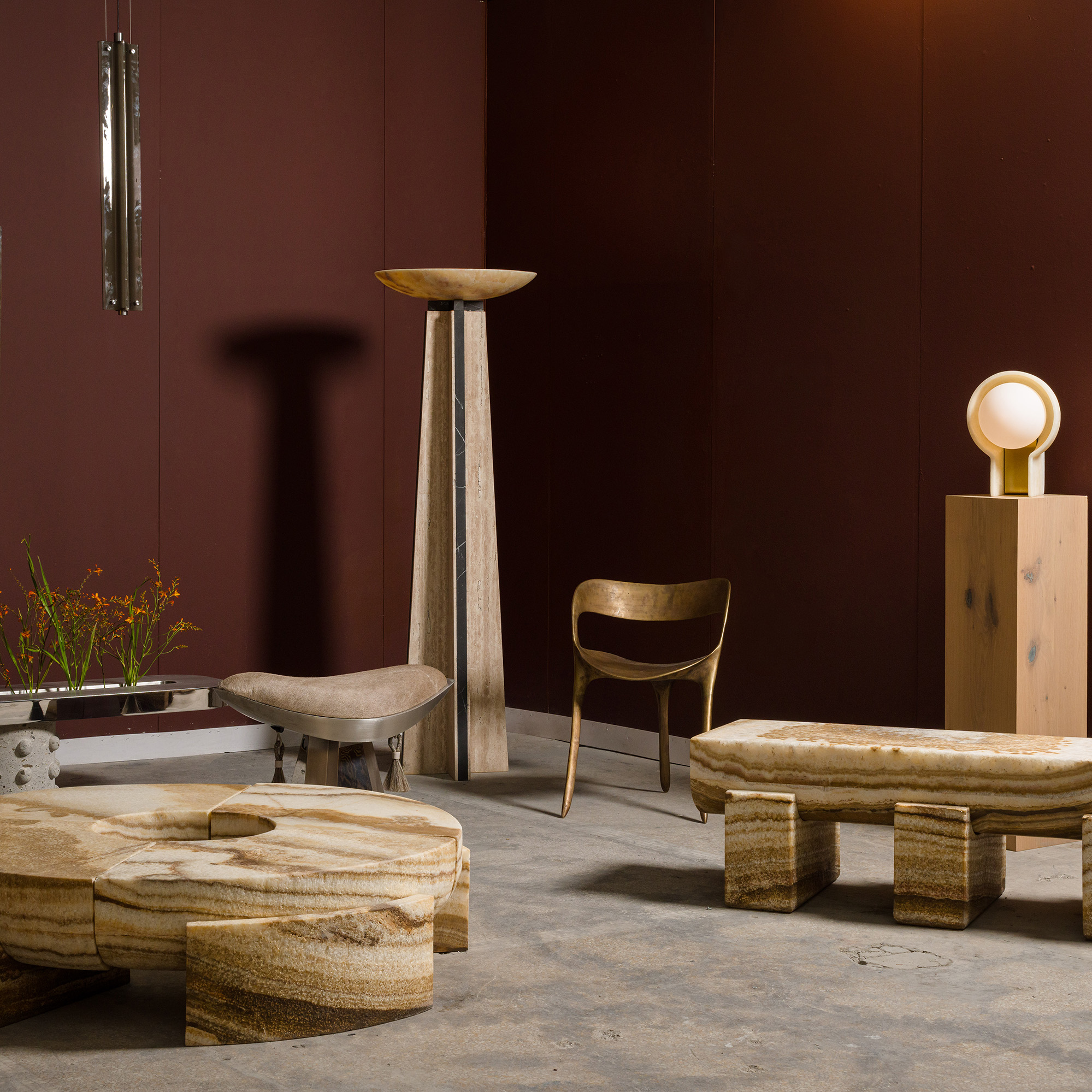
The contemporary design fair returned to Manhattan for its third edition with an international roster of emerging designers. We perused opening day and found five names to keep an eye on.
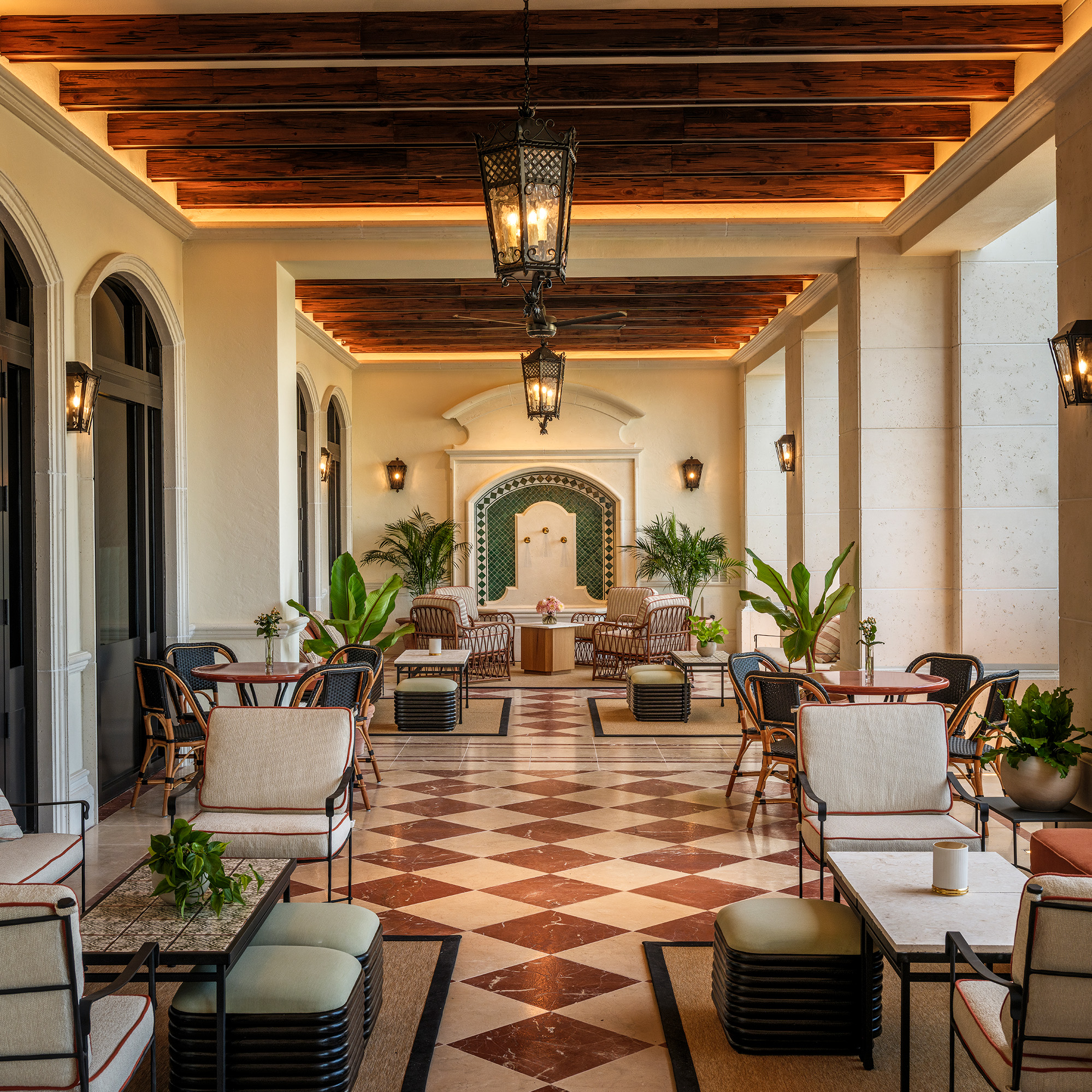
The property was designed by Gachot Studios, and includes Florida’s first Sisley Spa. 201 rooms are available for guests to book, providing a welcome respite from South Florida’s hustle and bustle.
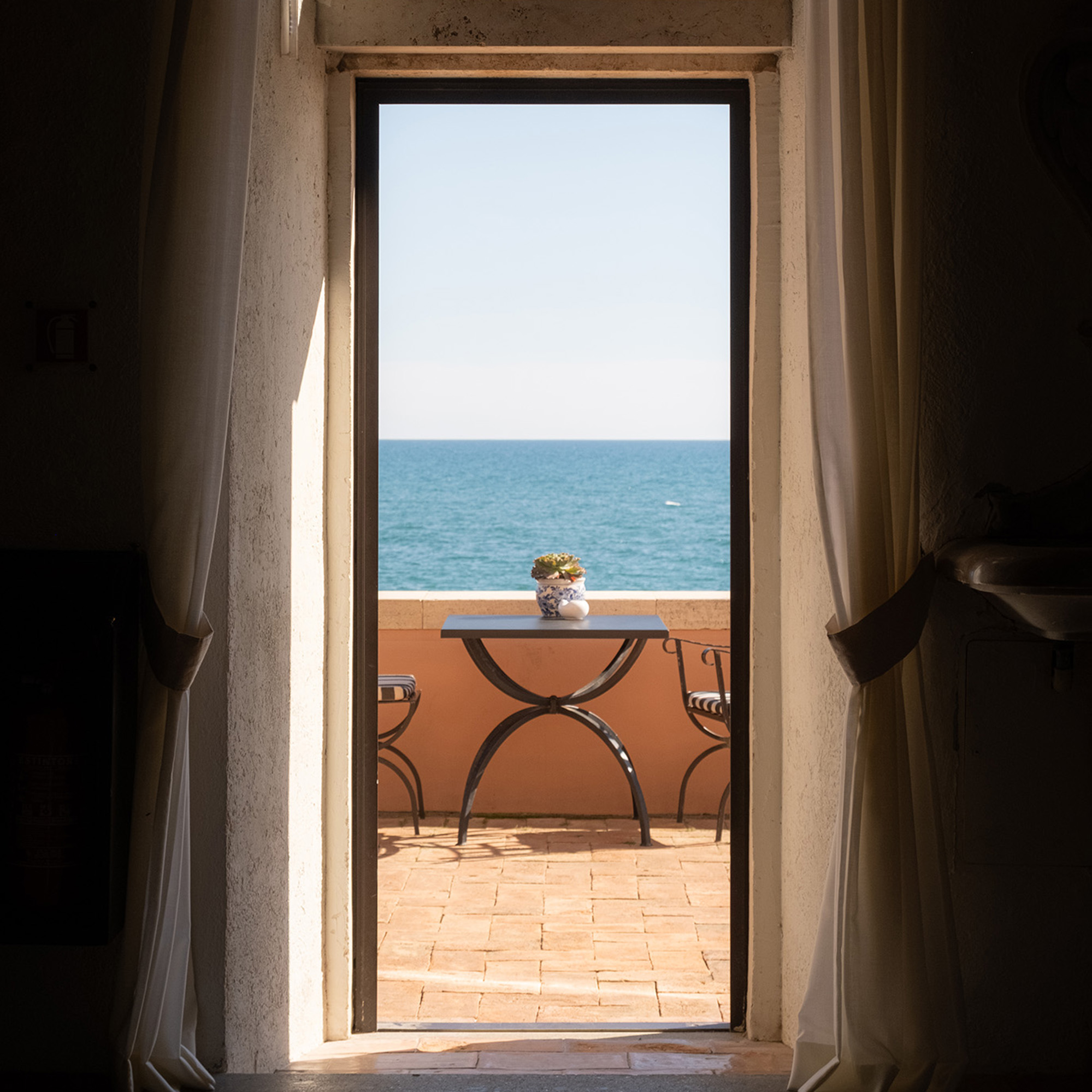
One of the crown jewels of Pellicano Hotels, La Posta Vecchia is a picture-perfect retreat by the sea. The woman behind it all reveals why it's Pellicano's "mischievous child," and why the greatest luxury of all is time.