Daniel Boulud: One Delicious Life
The legendary chef has brought his signature spin on French cooking around the world. We spoke to him about growing up on a farm in France, moving to New York, and how he'd prepare the perfect meal for friends.

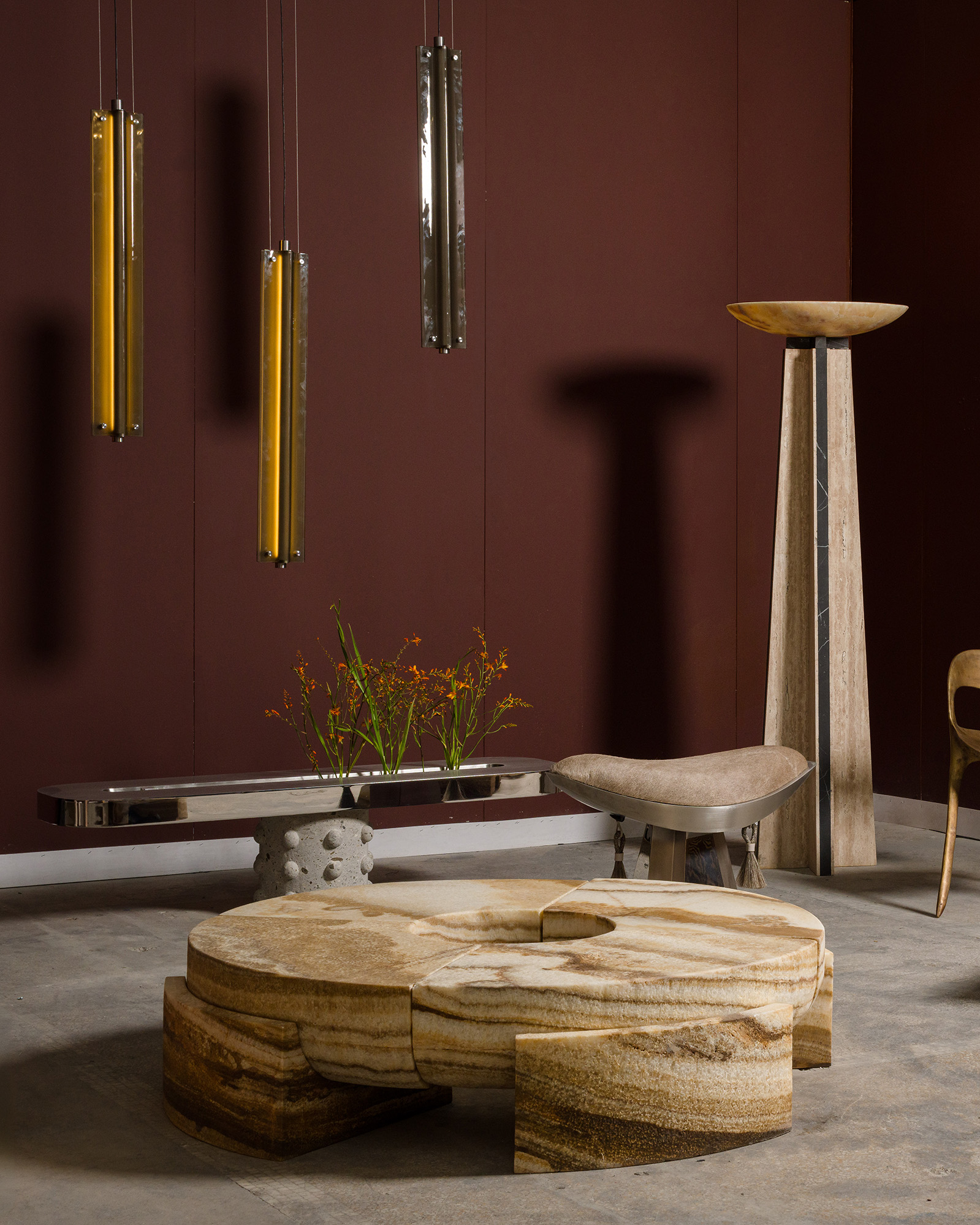
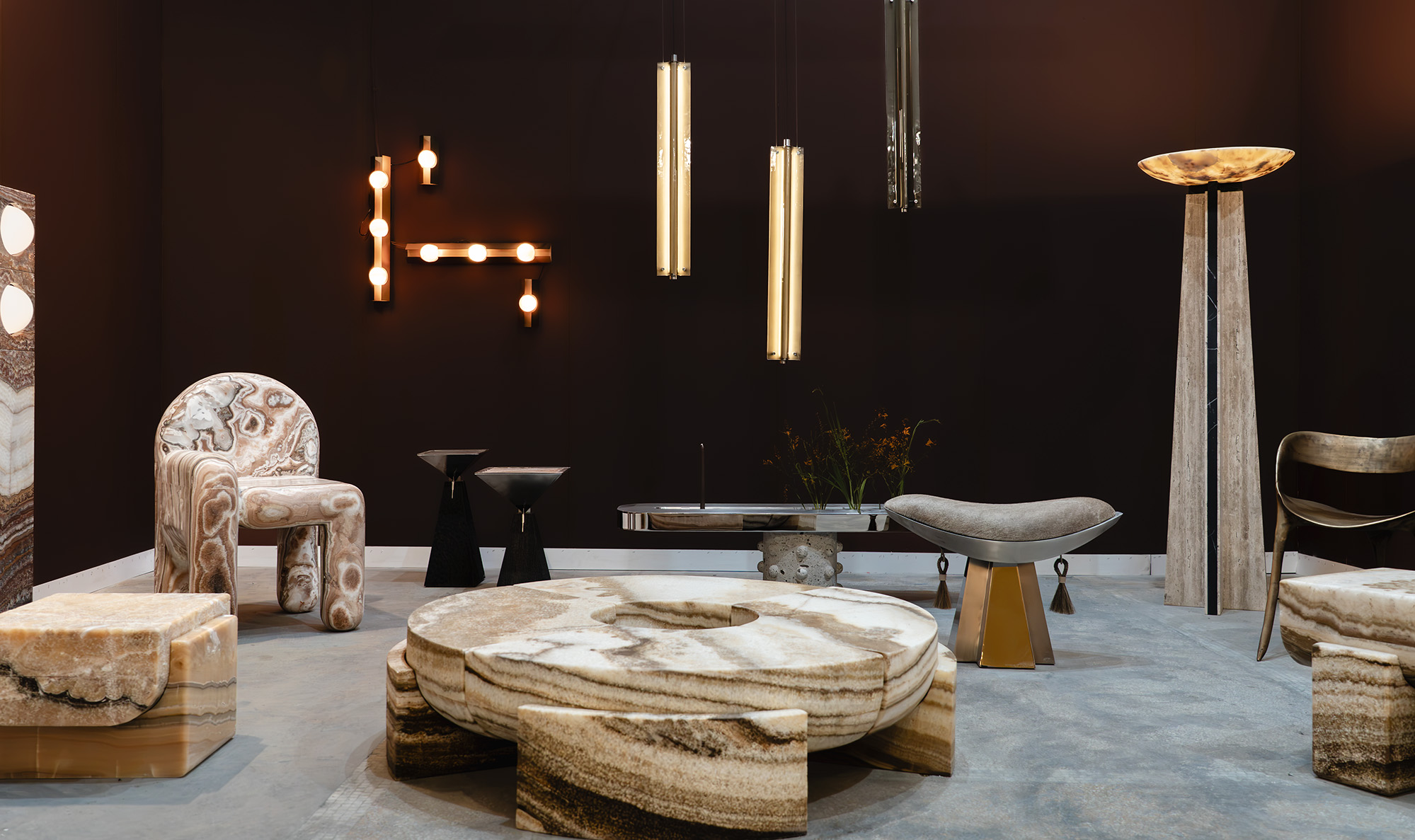
The first edition of Collectible launched in Brussels in 2018; the fair quickly became one of the foremost world stages for emerging contemporary designers to show their work. Now, the show returns to Manhattan for its third edition, this time making its way from the WSA building in the Financial District to a former movie theater on the Upper East Side—a location that neighbors Salon Art + Design, and that places it among the neighborhood’s prestigious cultural institutions. This year’s edition brought together a roster of 110 exhibitors from 27 different countries, some debuting their work in the city for the first time. We attended the fair’s opening day, and found the five designers that you should watch.
Brooklyn design studio Ollin’s four pieces of furniture were shown by Mexican gallery K’aab Juun, and move deftly across a wide range of influences. Founders Noel Hernández and Viktoria Luisa Barbo mix references from their Mexican and German backgrounds, a cross-cultural approach that’s evident in pieces like the new Cenit side table. Here, a mirrored metal pyramid balances nose-to-nose on a wood base, recalling the forms of Mesoamerican temples—albeit with a distinct Modernist twist.
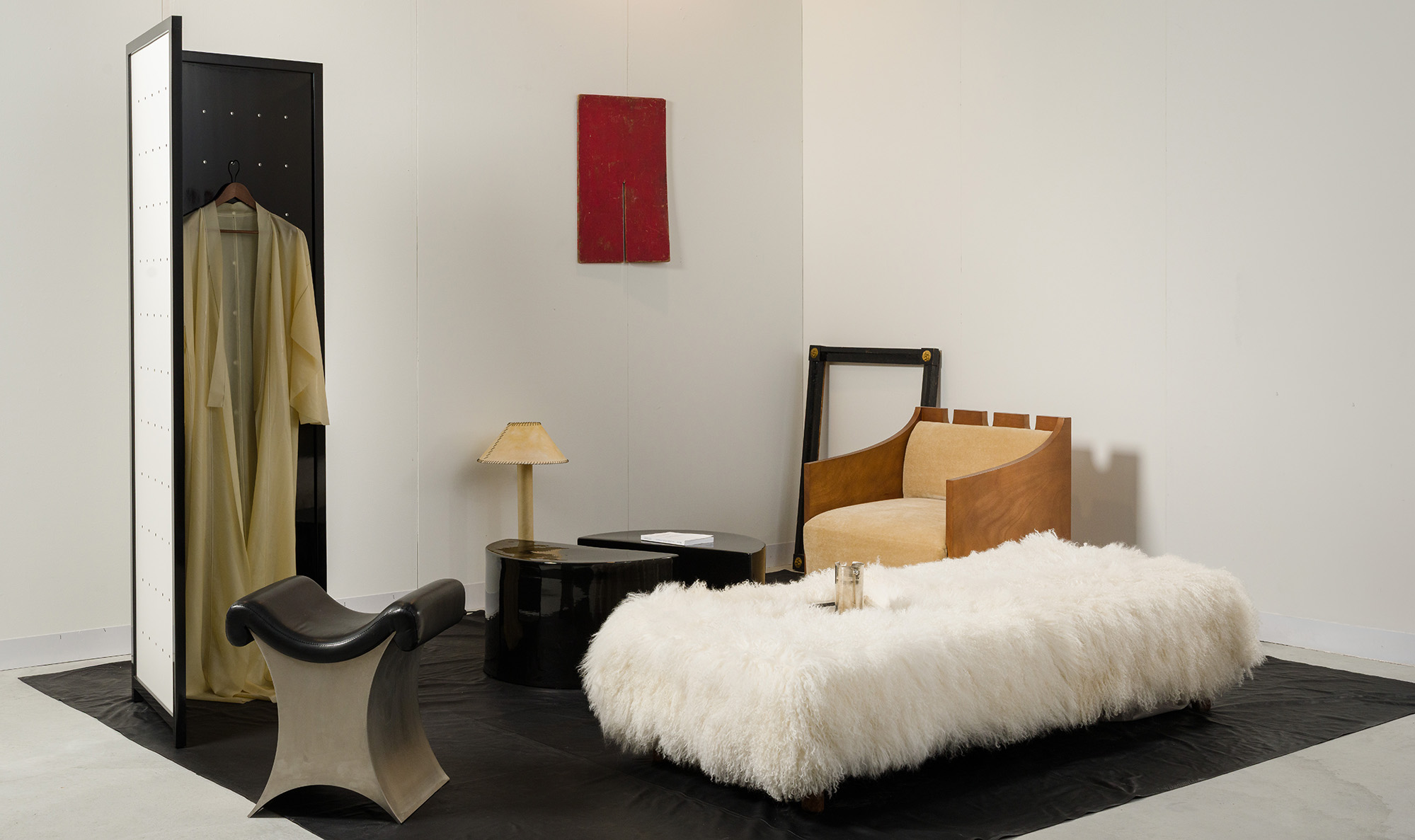
A goatskin parchment lamp with black stitching is just one of the striking pieces in Katja Pargger’s Skin furniture series, an extension of the Austrian architect’s Paris-based architectural practice. In the limited-edition series, the contrast between materials like leather, curly lambskin, plywood, and stainless steel are intensified by monotone coloring and robust form. The imposing black ceramic Half Moon tables, for example, serve as a sleek counterpoint to the papery lamp.
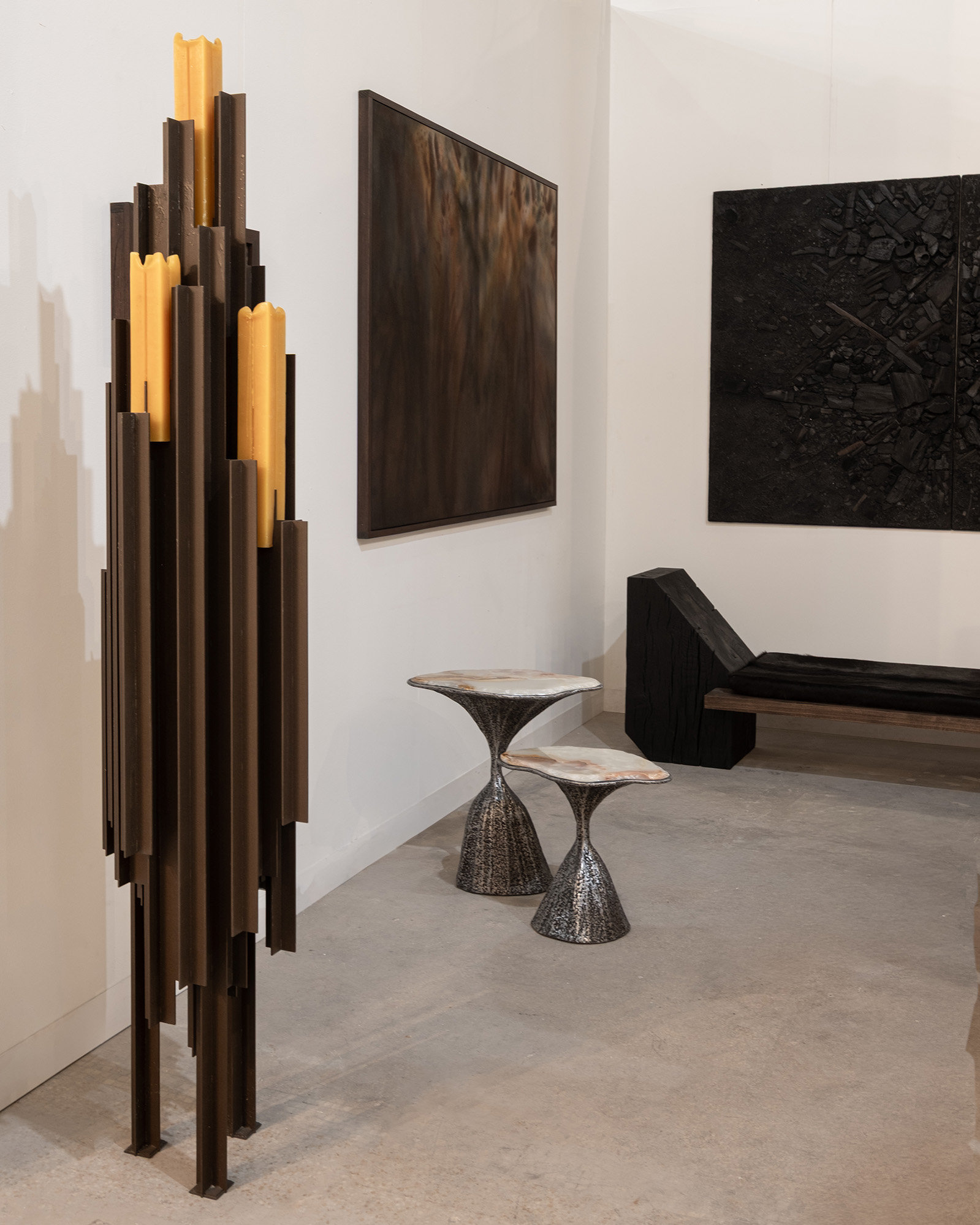
Presented as part of Paris-based contemporary design gallery SM Bureau’s international selection, Lebanese-Italian studio AB + AC’s 6-foot-tall iron Totem candlestick juxtaposes a blocky, Antony Gormley–esque silhouette with towers of fragrant gold beeswax. Founded in 2020 by husband-and-wife architects Arianna Bavuso and Andre Chedid, the studio has created installations for brands like BMW Middle East and Fantini Mosaici. Totem is part of their Alma Mater collection—it also includes a similarly brutalist daybed and mirror—and marks the duo’s first foray into collectible design.
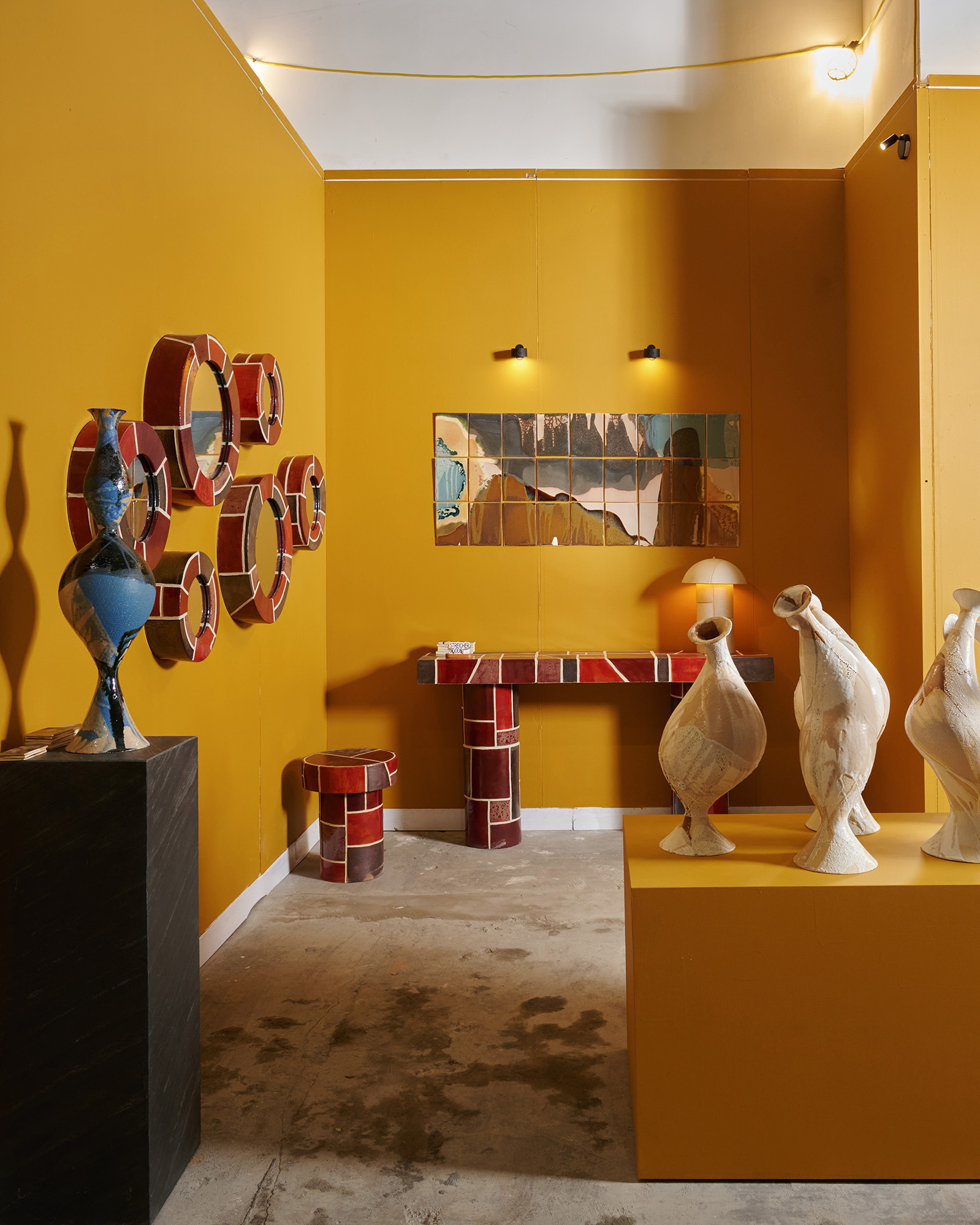
Streicher Goods, a Brooklyn-based studio founded by Ethan Streicher, presented a series of ceramic furniture and mirrors with a tiled look achieved via meticulous glazing. It’s some of the designer’s most ambitious work, and is presented alongside bulbous, splattered ceramic vessels by fellow Brooklynite Jesse Shaw. Together, their work represents how a growing number of young, independent ceramicists are experimenting with the medium in new ways in the collectible design market. Streicher’s furnishings, for example, come in a cacophony of shapes and textures, from glossy yellow tables to dimpled lamps.
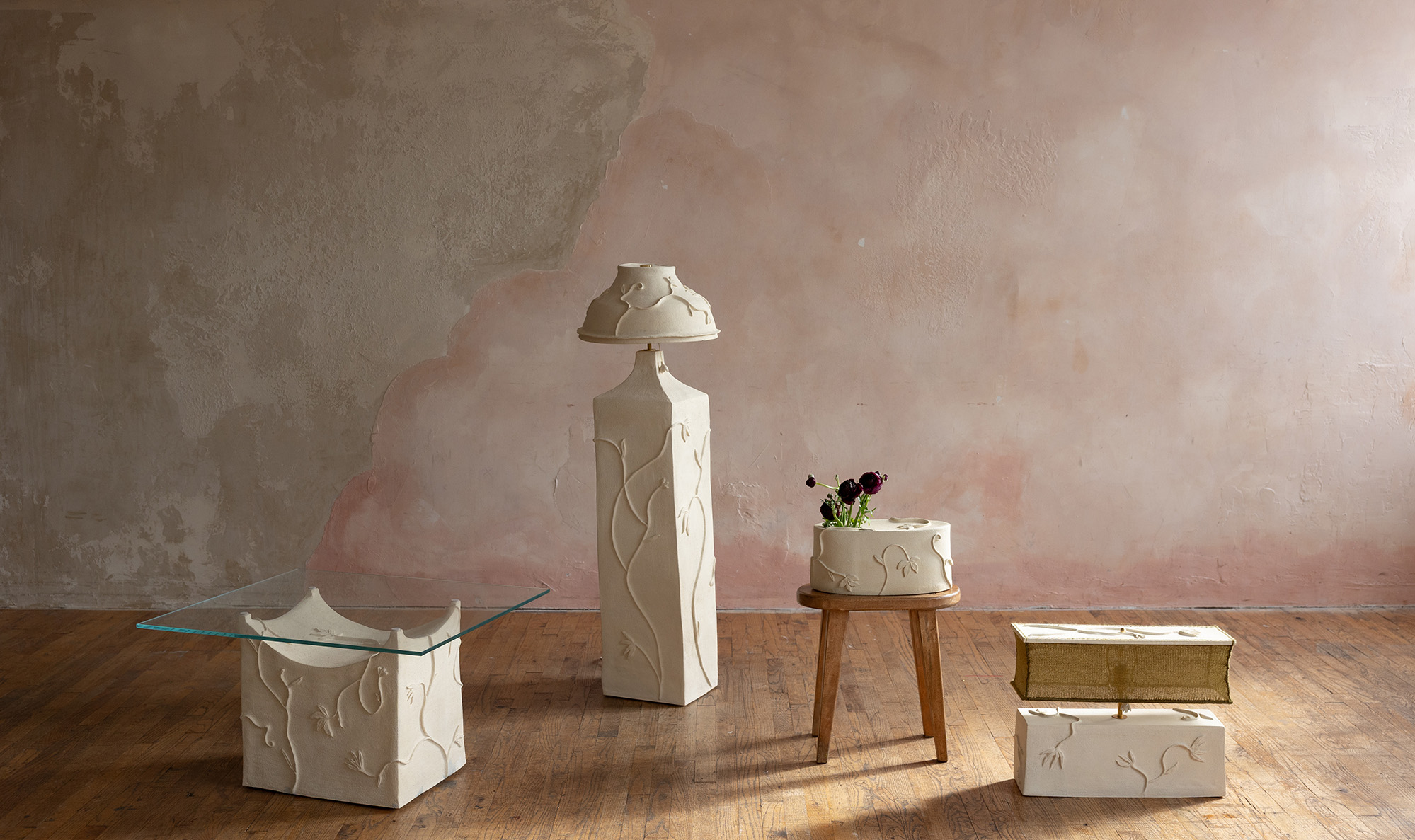
Founded by friends Josie Cross and Erin White, Brooklyn studio Small Things has amassed a dedicated Instagram following for their playful table objects, dishware, and vases. A new coffee table and lamps, presented at Collectible by New York interiors firm and art advisory Salon 21, take a more austere approach. The ceramic bases were left raw and unglazed, and floral appliques give the tables the look of ancient stone carvings.

The legendary chef has brought his signature spin on French cooking around the world. We spoke to him about growing up on a farm in France, moving to New York, and how he'd prepare the perfect meal for friends.

The property was designed by Gachot Studios, and includes Florida’s first Sisley Spa. 201 rooms are available for guests to book, providing a welcome respite from South Florida’s hustle and bustle.
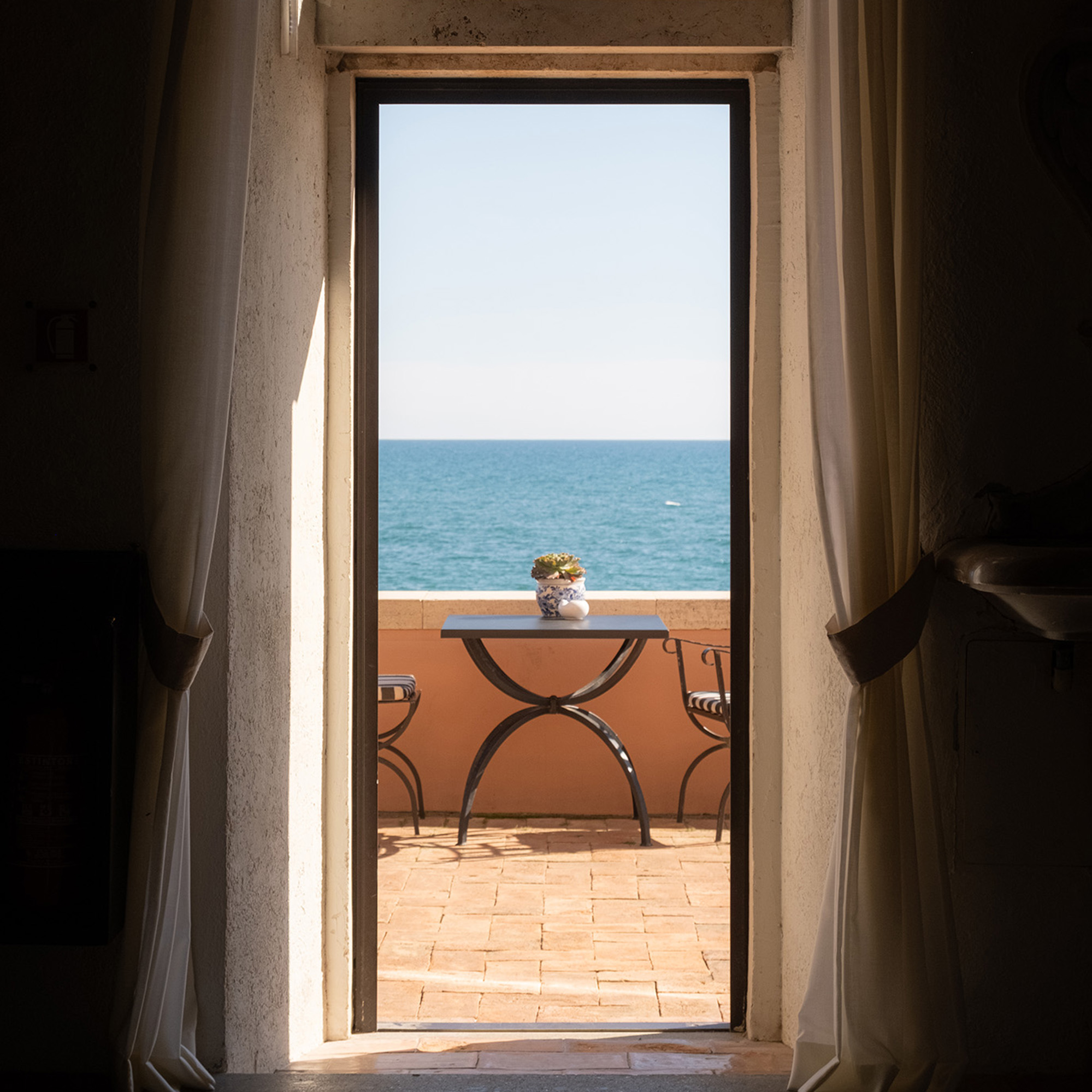
One of the crown jewels of Pellicano Hotels, La Posta Vecchia is a picture-perfect retreat by the sea. The woman behind it all reveals why it's Pellicano's "mischievous child," and why the greatest luxury of all is time.