Boucheron Showcases Nearly 170 Years of High Jewelry at Christie’s
The renowned house looks back on its vibrant history and its incredible pieces that have pushed the boundaries of craftsmanship.


This article is from our Spring 2026 print issue, available online now.
Designer Sander Lak remembers the moment a palette became too beautiful. While developing his first collection with Maharam—surveying a line of wool felts in soft, impeccably balanced shades—he paused, frowned, and said the whole thing needed “something gross.” Something slightly off that would keep the eye awake. “When something is too perfect,” he said at the time, “you need a little acid.” It was a telling instinct for a designer returning to work through color—and for a century-old textile company eager to be pushed somewhere new.
For Maharam, known for its Modernist lineage and meticulously rational design culture, Lak’s emotional approach to color was exactly the disruption they had hoped for. As Allyn Yu, design manager for the brand, recalls, “Sander came in with this fashion approach to color that was totally different from how we typically think. He pushed us to put something uncomfortable in when the palette was too pretty.”
It’s not difficult to see where that instinct was honed. Across a childhood spent in Brunei, Ma-laysia, Africa, Europe, and later the U.S.—and through his years leading Sies Marjan, the New York clothing brand celebrated for its relaxed fits and sensuous color stories—Lak built a practice defined by chromatic sensitivity. The label’s closure during the pandemic left him momentarily unmoored, despite being nominated for the CFDA Fashion Award for Womenswear Designer of the Year in 2019, and winning the CFDA Swarovski Award for Emerging Talent the year before. “You go from everything moving at hyper speed to a full stop,” he says. “It forces a reset.” Yet from that rupture came continuity: Maharam, already in conversation with him, chose to proceed. “It felt like a hand reaching out at exactly the right time,” he adds.
“I’m so used to selecting color in the context of the body—skin tone, silhouette, hair,” says Lak, 42, who has also worked for 3.1 Phillip Lim and Balmain, and served for five years as head of design at Dries Van Noten. “For the first time, I didn’t have to think about any of that. I could imagine color purely in relation to material and space. It was incredibly liberating.”
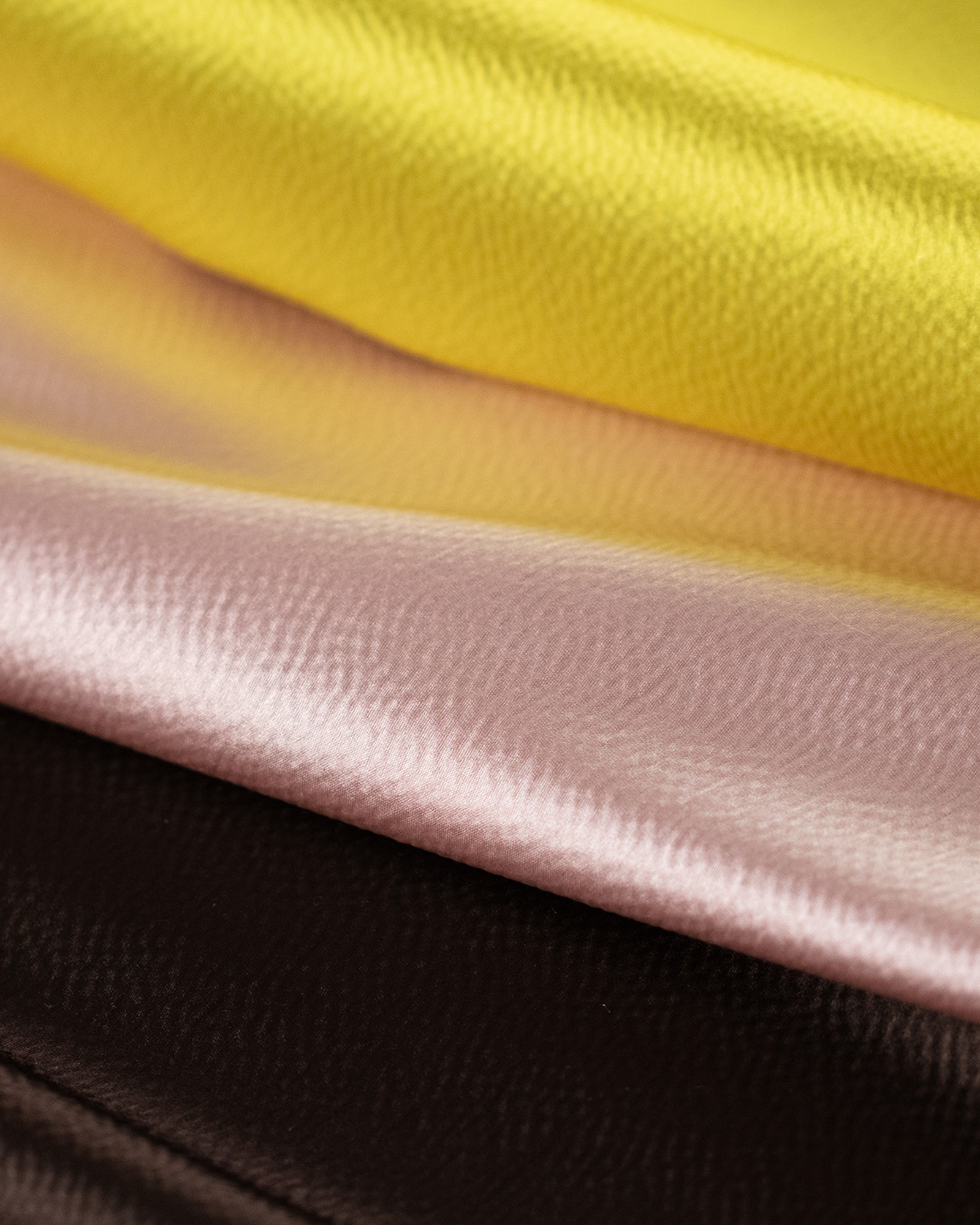
The first collaboration for Maharam—featuring fabrics with names like Gemma, Gemma Multi, and Terra—launched in 2021, using felt, the oldest of textiles, as a stage for Lak’s sensibility: classic materials recast through unexpected harmonies. The second collaboration, Nova, released in 2025, expanded the idea into a pattern: a large-scale, atmospheric gradient that looked less like upholstery and more like a wash of color drifting across a surface. It quickly became a bestseller. Lak used the fabric in his first garments under his new fashion label, Sanderlak (one word), producing coats and jackets designed entirely around the textile’s behavior; they sold out within 24 hours.
The third collection, launching this summer, turns toward amplified texture. Bolero, a curled, woolly surface, and Arcana, a subtle hammered satin, continue his investigation of color as an atmospheric condition. Even the names emerge from sensation rather than narrative: Bolero sounding round and expansive; Arcana smaller, quieter, a shimmer held close.
His new fashion label reflects the geography of Lak’s upbringing. Instead of seasonal themes, the brand “lives” in a city for a year—not literally, but atmospherically. Year 01 drew from Los Angeles—not the cliché of palm trees or Hollywood iconography, but an abstraction: the feeling of the place, its tastes, its light. “It’s about what a place feels like,” Lak says. “If you walked into the showroom, I want you to sense where we are without me telling you.”
The Sanderlak collections are also genderless, rooted in menswear-leaning silhouettes but designed to move fluidly across identity. Net-A-Porter bought the line as womenswear, Bergdorf Goodman as menswear. Lak prefers the ambiguity. “People live that way already,” he says. “Why shouldn’t clothes?”

Pressed to describe the Maharam/Lak customer, he avoids the familiar luxury shorthand. “It’s not just the Upper East Side person with the Paris apartment,” he says. “It’s about character and sophistication, but also joy.”
Yu sees the same connection—and a bridge from fashion to interiors. “The designs aren’t typical,” she says. “They ask a little more from the customer—the willingness to think beyond the familiar. But once you do, they feel surprisingly intimate.”
Lak treats color as a composer treats sound: finite notes remixed into endless symphonic possibilities. His references are democratic: a 60s Italian graphic novel found in a shop, a speckled cup from Morocco, or a surprising harmony glimpsed in the background of a scene on The Real Housewives of Beverly Hills. “No reference is too high,” he says, “or too low.”
He gravitates toward milkshake tones—colors softened with white, sun-bleached in feeling—but he is equally drawn to deep reddish browns that hover between the unbeautiful and the luxurious. “In the wrong context, it could be baby shit; in the right one, the most beautiful, expensive wood,” he says. The tension is the point.
In Maharam’s slower, steadier world, Lak has found something he never had in fashion: the freedom to let a color sit, shift, and eventually reveal itself. “That would never happen in fashion,” he says. “It’s a real luxury.”
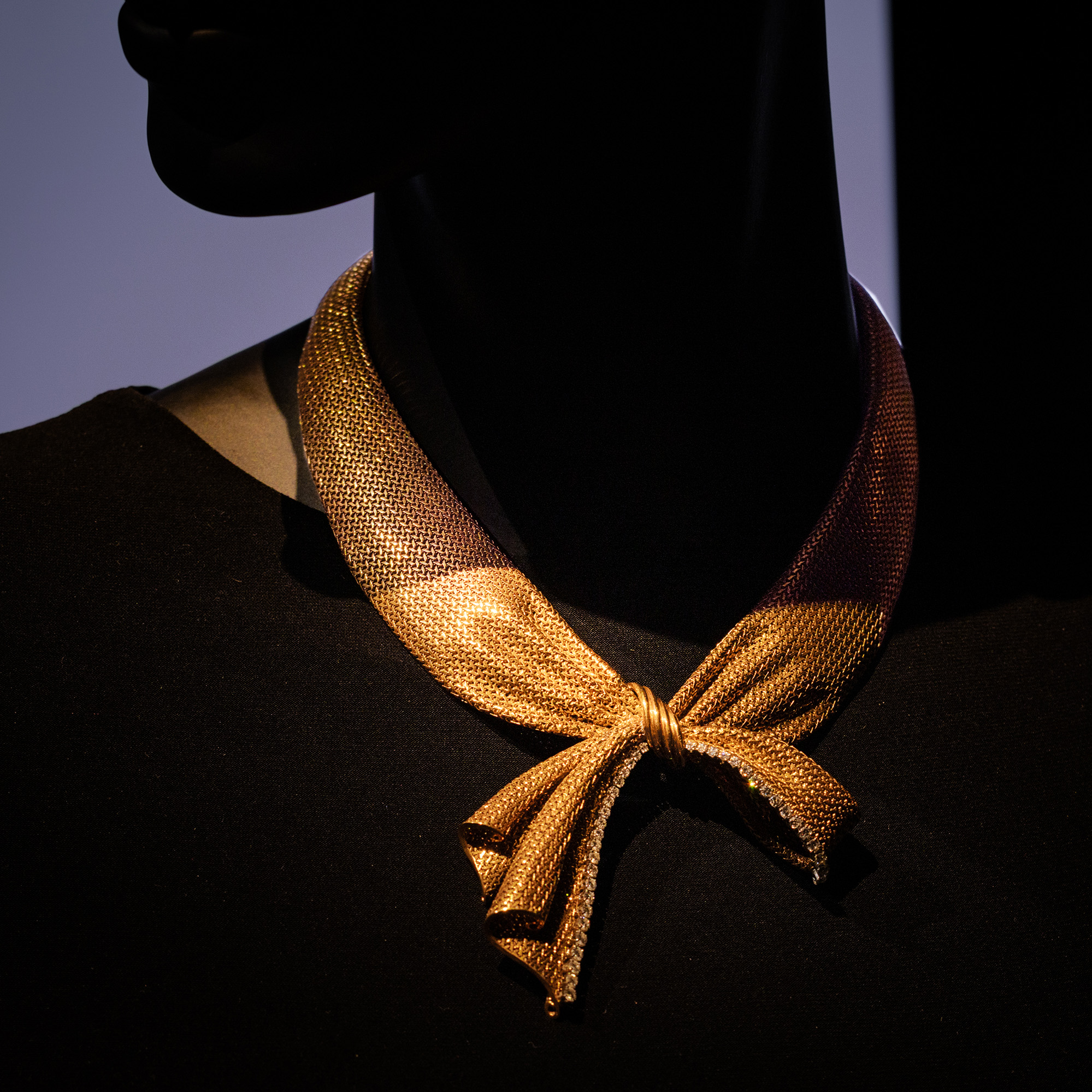
The renowned house looks back on its vibrant history and its incredible pieces that have pushed the boundaries of craftsmanship.
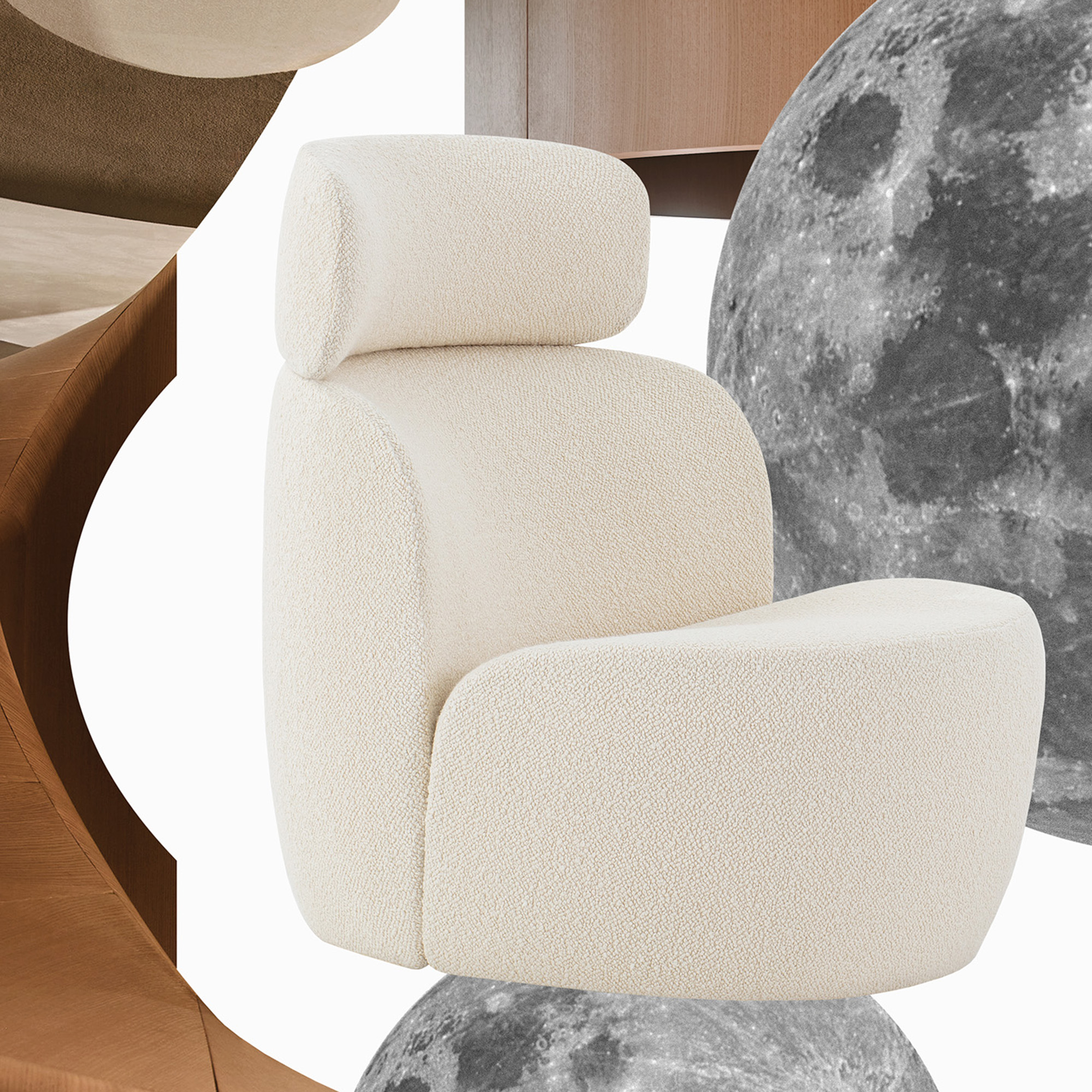
In Milan, we sat down with the brand's Laura Anzani to discuss the family business over coffee, and what it has planned for New York and beyond.
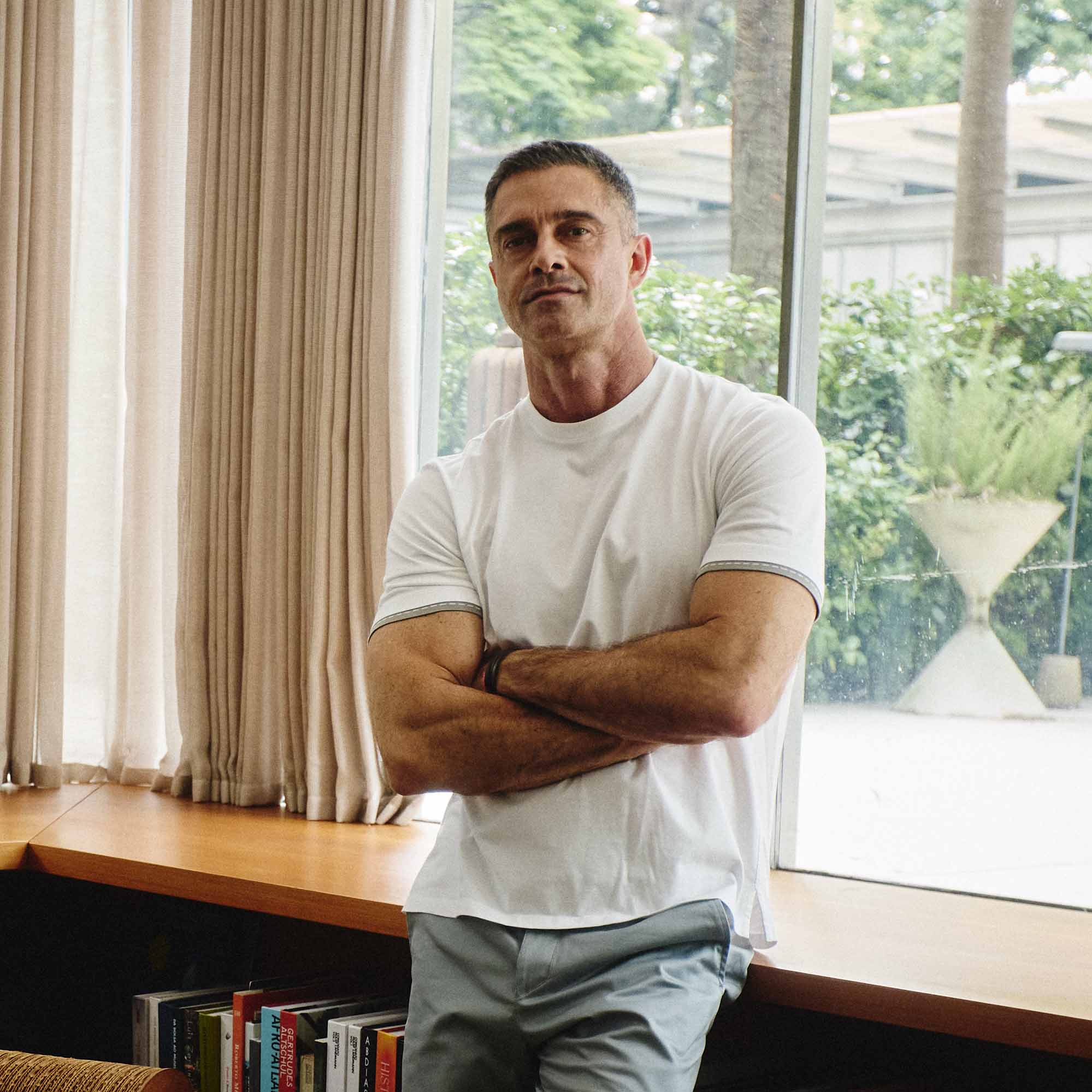
The Brazilian interior designer has quickly risen the ranks of New York design with a vision shaped by his father, the celebrated product designer Oswaldo Mellone, his first job with Robert A.M. Stern, and much more.