Masako Miki’s Felt Sculptures Carry Serious Weight
The Japanese artist’s cheerful wool figures are rooted in Shinto beliefs, and hold deeper meaning about the myths that divide us.

This article is featured in our Fall 2026 print issue, available soon.
The address stuck out in Edgar Jayet’s mind immediately: 22 Rue de Provence. The 28-year-old designer—a rising star in the interior design scene—was sure he recognized it, like an old tune he hadn’t heard in a while. “I thought, I know this address. I know it,” he says.
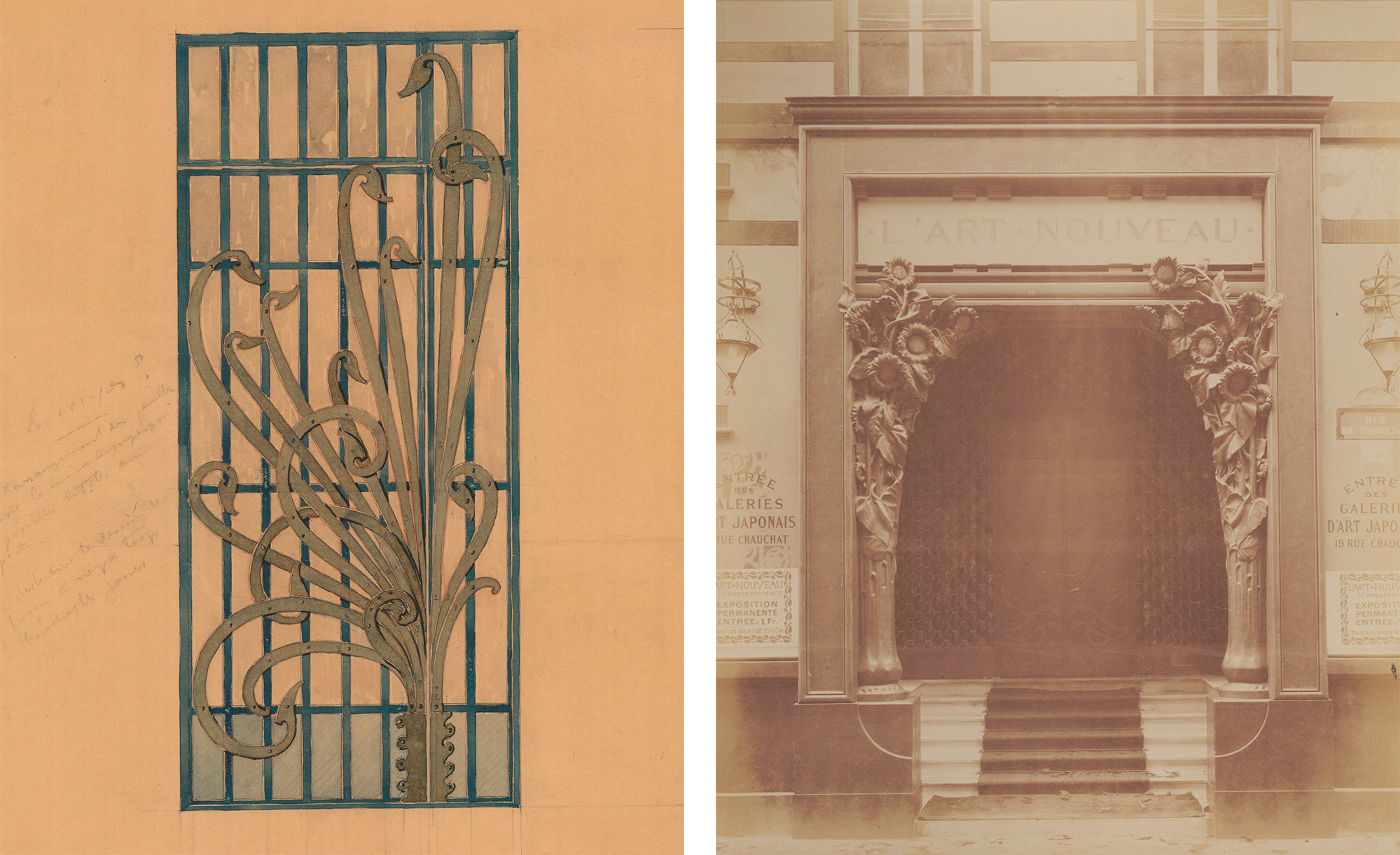
Jayet was studying the building’s historical documents, which didn’t reveal much. They were provided to him by his clients, who owned the building and had hired him to redesign it into a corporate office for future rental. Then Jayet realized it was lacking a few decades of documentation. “There was a huge missing fact in the historical report they gave me,” he says: on December 26, 1895, a japonisme advocate named Siegfried Bing had opened the gallery La Maison de l’Art Nouveau at that very address—and given a name to a burgeoning movement.
It wasn’t an obvious conclusion at the time. Though the gallery was a cornerstone of the Art Nouveau genre, it had operated for only around a decade, and was eventually demolished. The gallery’s Henry van de Velde furniture and millwork was gone; so were the paintings by Maurice Denis, an artist whose philosophy helped define the Nabis movement, and wall decorations by Paul-Élie Ranson. For many years, the Art Deco building erected in its place was a post office—a far cry from the bohemian cultural enclave Bing had established at the turn of the 20th century. More than a century after the closure of La Maison de l’Art Nouveau, Jayet’s clients were hoping he might uncover some compelling narrative for the building that could play out in a new interior scheme. But nobody was expecting this.
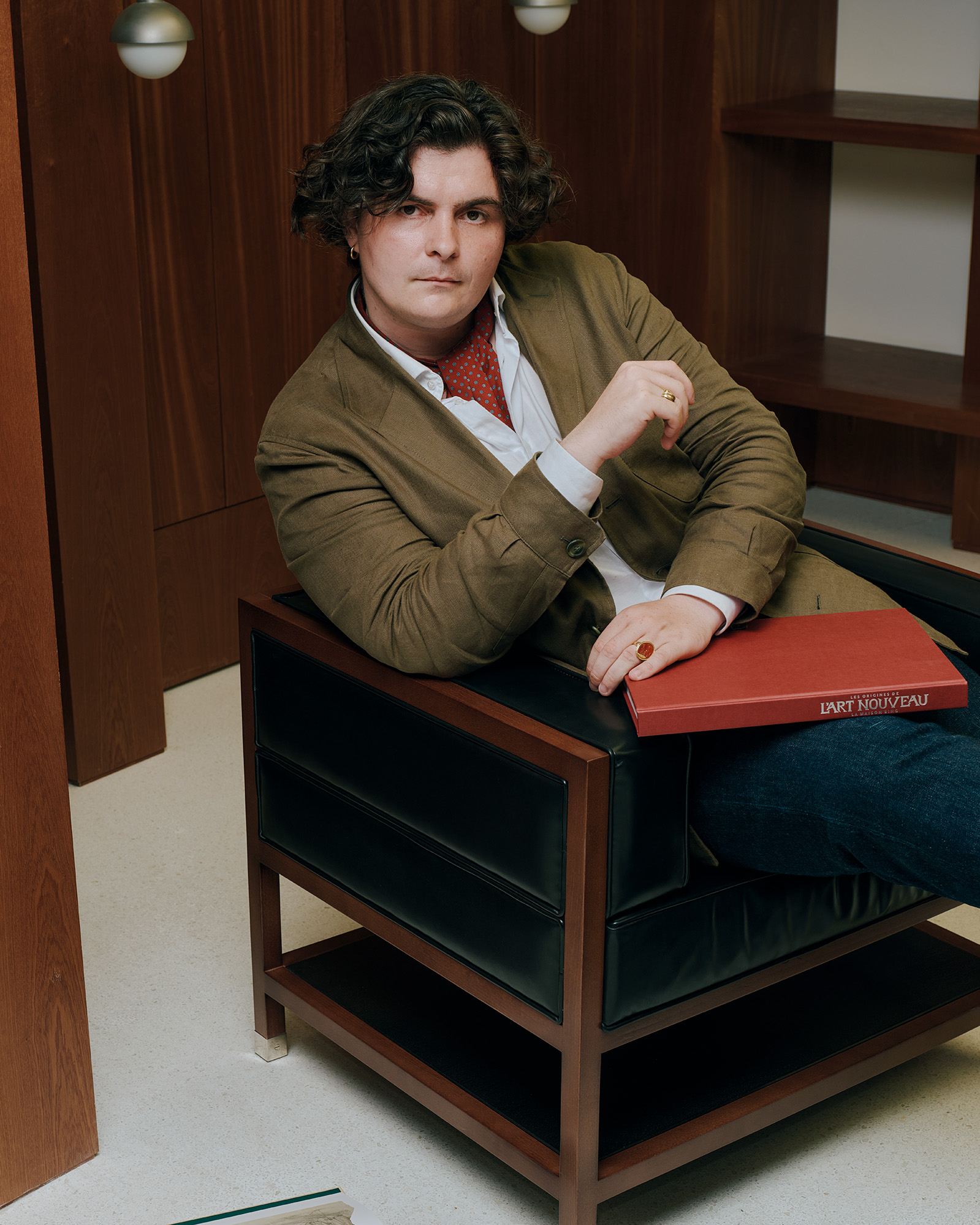
“I was given this incredible gift, and an incredible surprise, to find out that in this exact location was the invention of a style that literally defines Paris,” Jayet says. And it wasn’t just a gift for his client, the investment group Weinberg Capital Partners, but for him, too. Jayet, who was raised in Paris and fell in love with the city while touring its monuments as a child, goes electric when he discusses art and design history. “To be surrounded by historical things is important to me,” he says. “I’ve always felt connected to my ancestors and the people who were there before us.”
But don’t confuse that with nostalgia. Jayet sees the past as something to learn from, not to pine for. “I’m trying to find a style of our time,” he says, acknowledging that it’s an ambitious goal. He doesn’t expect to find it without looking in the rearview mirror. A thread of historicism weaves in and out of his body of work—a prodigious portfolio for any designer, but particularly for one of his age: in 2021, while studying interior architecture at École Camondo, he won the Grand Prix Van Cleef & Arpels at Design Parade Toulon alongside Victor Fleury Ponsin; three years later, France’s Mobilier National acquired his Unheimlichkeit armchairs for its permanent collection. By the time Jayet established his own firm in 2021, he’d already worked as an interior architect for French designer Noé Duchaufour-Lawrance, assisted production for Atelier Xavier Veilhan, and assisted the designer David Trubridge during a stay in New Zealand. Four years ago, he opened a satellite studio in Venice—it sits within a 14th-century palazzo.
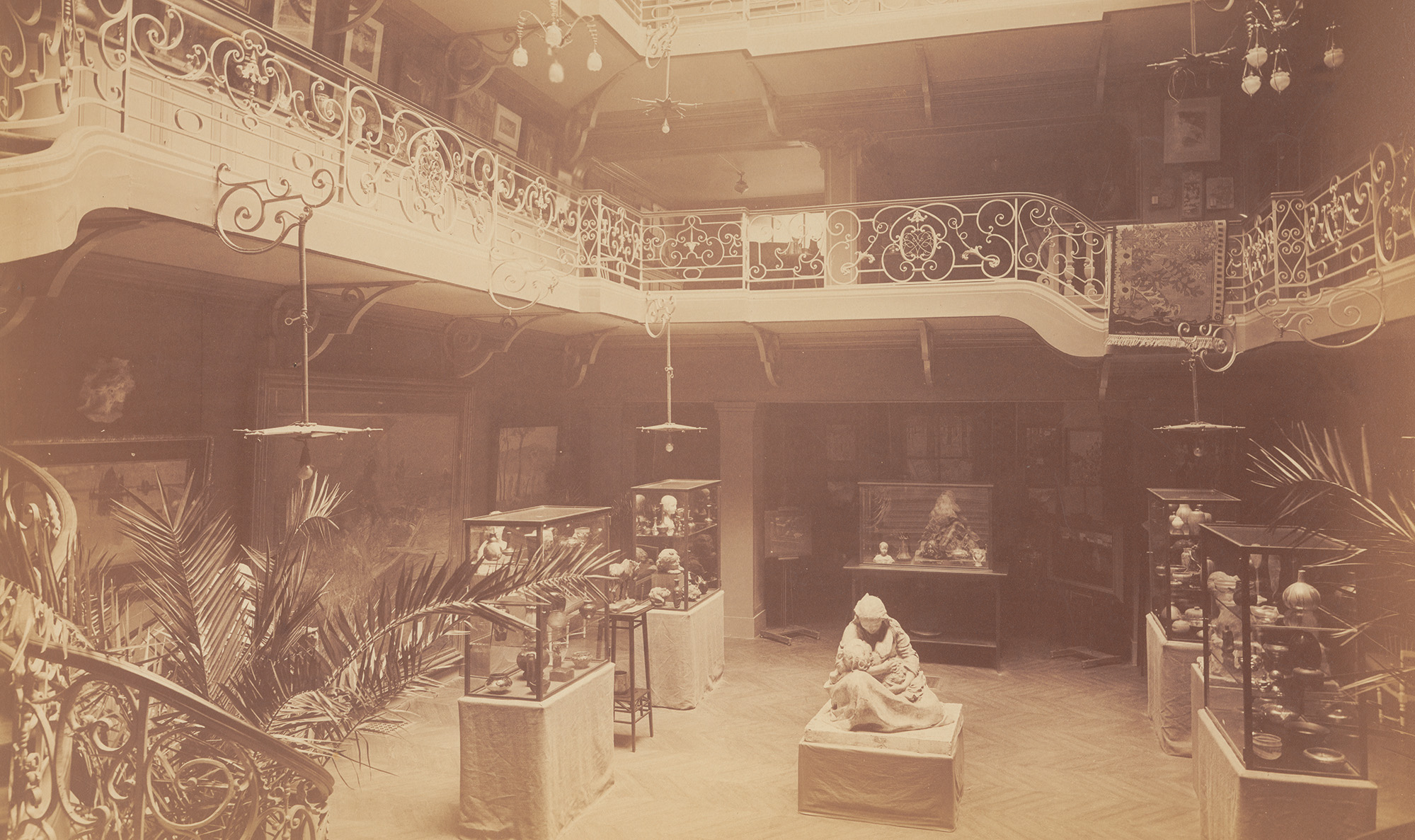
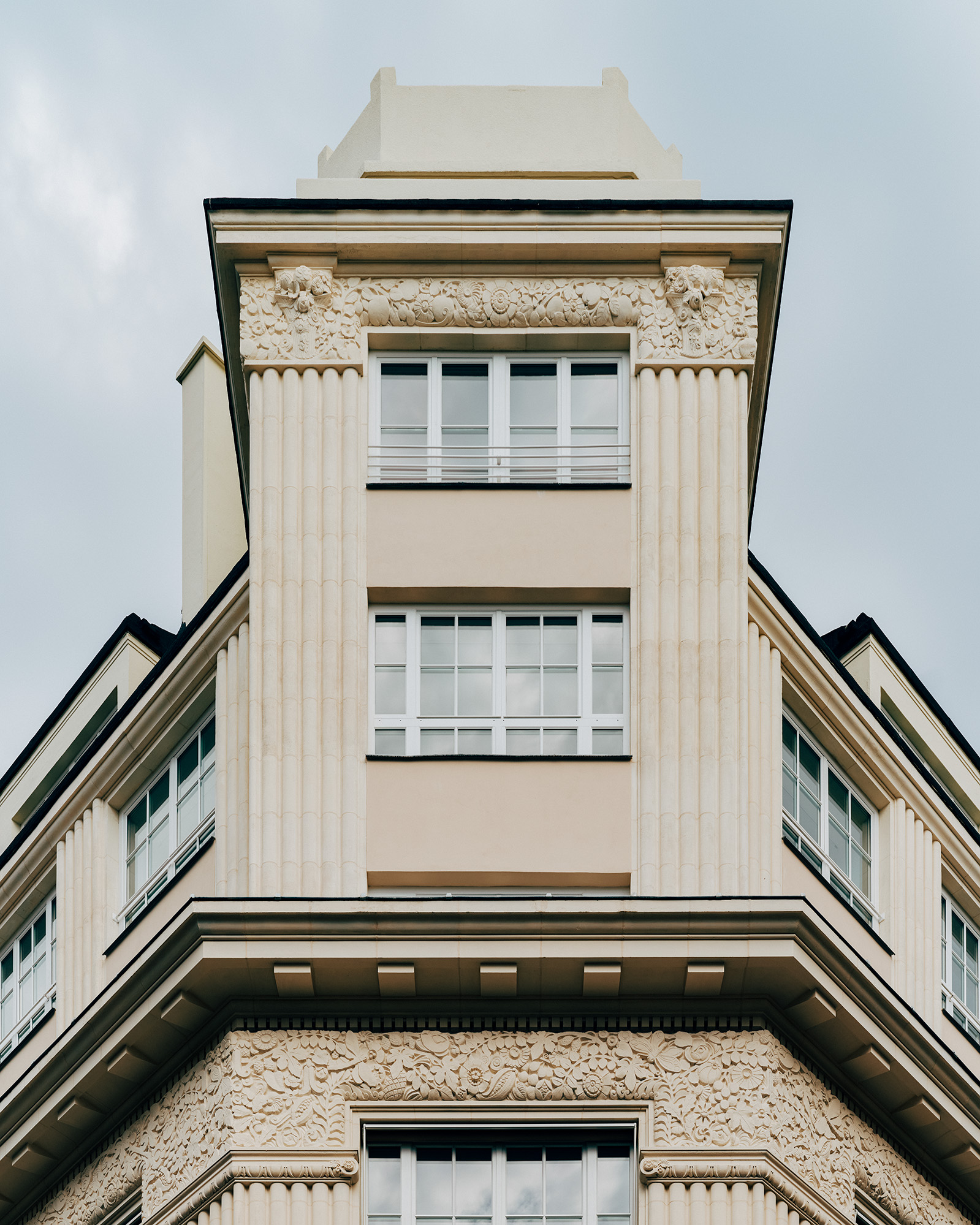
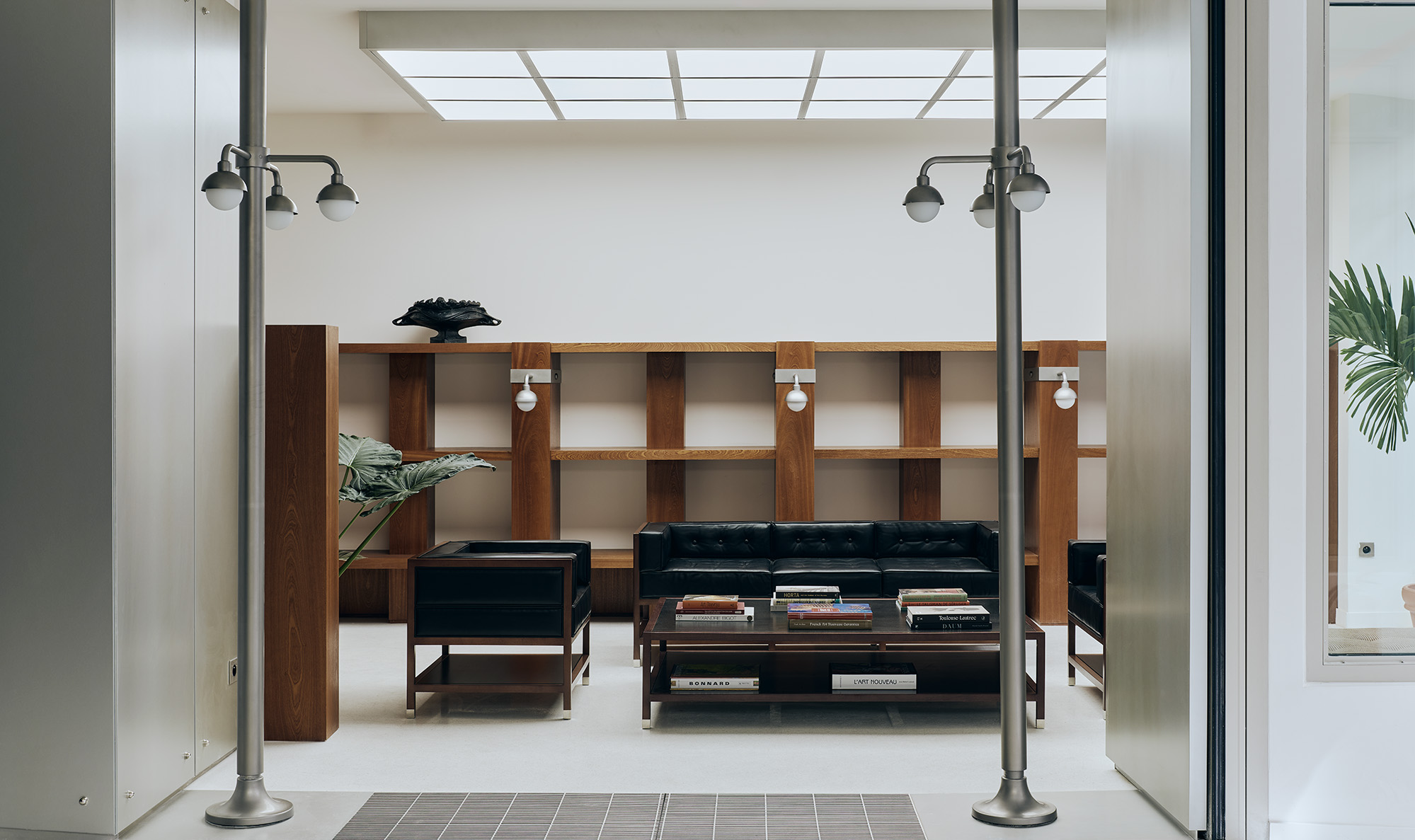
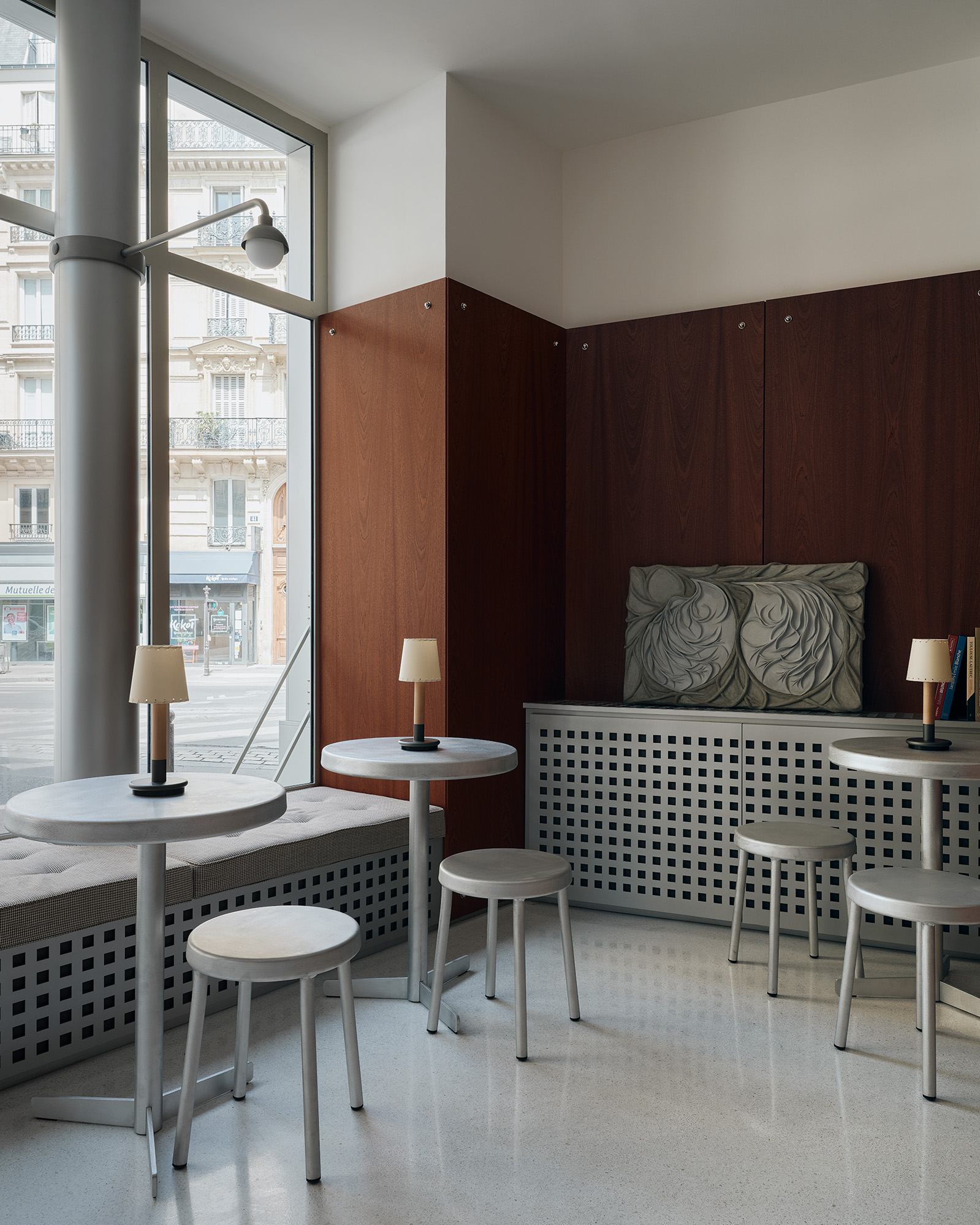
Jayet’s zeal for history shines through at 22 Rue de Provence, where the young gun has treated Art Nouveau as a kind of raw material rather than something to be remade wholesale. “Art Nouveau has always been thought of as a dead end in the history of decorative arts, because there is no direct translation of Art Nouveau into Art Deco,” he says. This reimagined 22 Rue de Provence complicates that narrative, propelling it into dialogue with contemporary design. Though the original gallery building (designed by Louis Bonnier and informed by drawings by Victor Horta) is long gone, architectural archives held photos and other documentation of the site as it was in Bing’s day. Jayet selectively used these elements as creative fodder: detailing on windows, for instance, draws on what was once part of Bing’s gallery; a pair of entry doors recasts the serpentine, iris-like flourishes of original door hardware. (Those looping tendrils are a good reminder of why the French have sometimes called Art Nouveau style nouille, or the “noodle style.”) Passing through that entrance—which occupies the site where Bing once kept his in-house workshops—a visitor finds another homage to the City of Light: an interior passageway that recalls 19th-century passages couverts,with streetlamp-like fixtures made by Atelier François Pouenat flanking the sides.
Knowing that his client would ultimately lease the space for offices, Jayet sought to reconcile its impressive past with the reality of its future use. To that end, he created what he calls “an ode to the best of the corporate world”; a place where every stereotype gets pushed to the maximum, then remixed with Art Nouveau detail. Mies van der Rohe’s Seagram Building was a North Star. “The office market in Paris is always about the same thing,” Jayet points out. “Very playful—what we in France call ‘startup nation.’” This would be different.
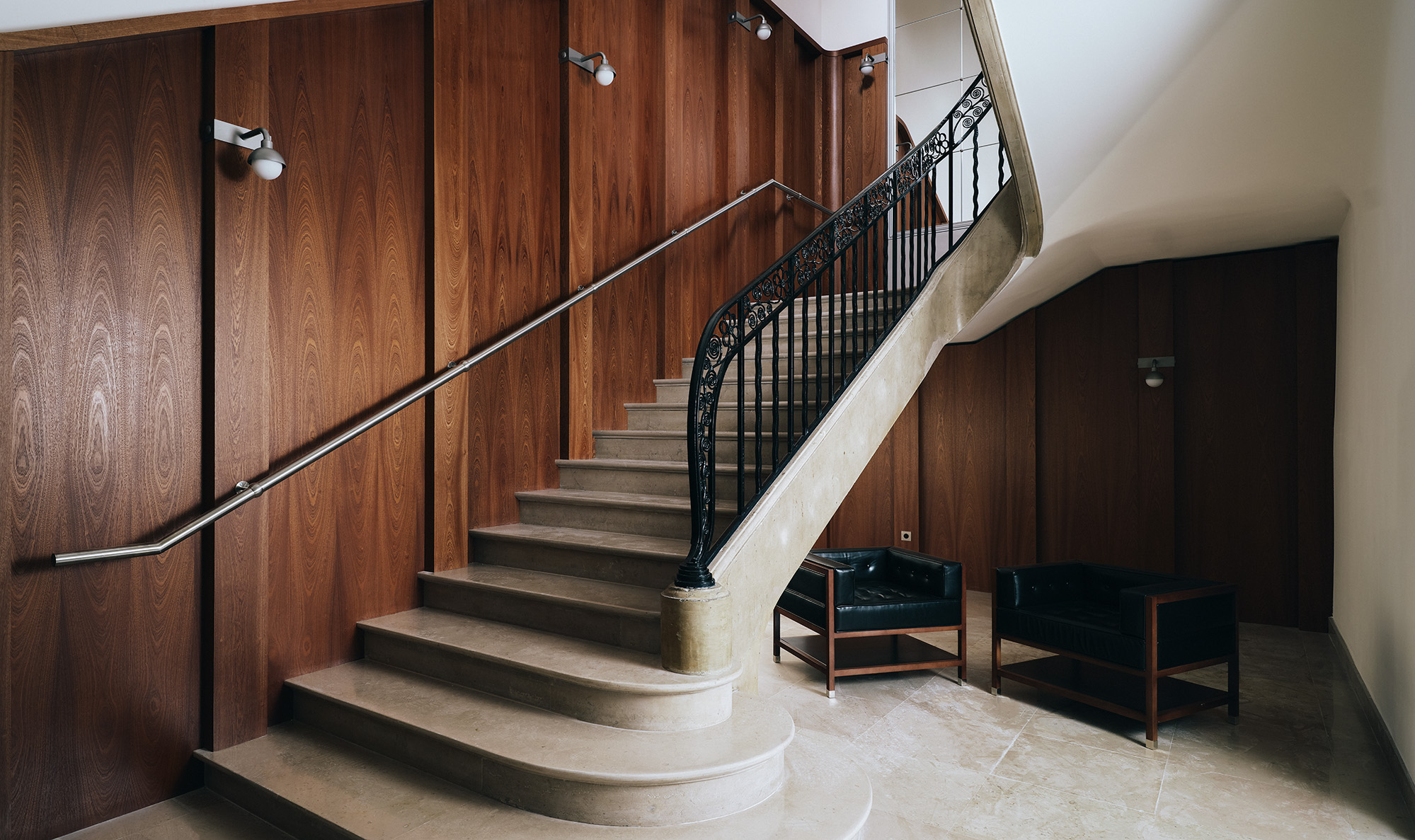
At 22 Rue de Provence, brushed aluminum paneling and illuminated, gridded ceilings evoke slick corporate aesthetics, but live alongside that nouveau passage couvert,as well as shelves full of books on 19th-century art and architecture. Contemporary bouillotte lamps of Jayet’s own design, made by Delisle, punctuate a long reception table, and midcentury-style sofas congregate in a lounge near the entrance. “They look like corporate furniture, but they are made by traditional workshops that have existed since the end of the 19th century in the east of France, in Nancy, where Art Nouveau expanded a lot,” Jayet says. Those ateliers come directly out of the lineage that once crafted pieces for Louis Majorelle and Émile Gallé back in Bing’s day.
In a café, Jayet has reinterpreted Art Nouveau furnishings from the original interior; elsewhere, Jayet’s Unheimlichkeit seating—now expanded into a whole collection with tables and sofas—gets a moment to shine. “What’s interesting about Art Nouveau is that we had, in the heart of Paris at 22 Rue de Provence, an incredible gallery where a single man decided to bring all of those artists to help them create a style of their time,” says the designer. “The whole point of my contemporary project was to use it to bring this history back to life—to reactivate and remaster this past.”
The Japanese artist’s cheerful wool figures are rooted in Shinto beliefs, and hold deeper meaning about the myths that divide us.
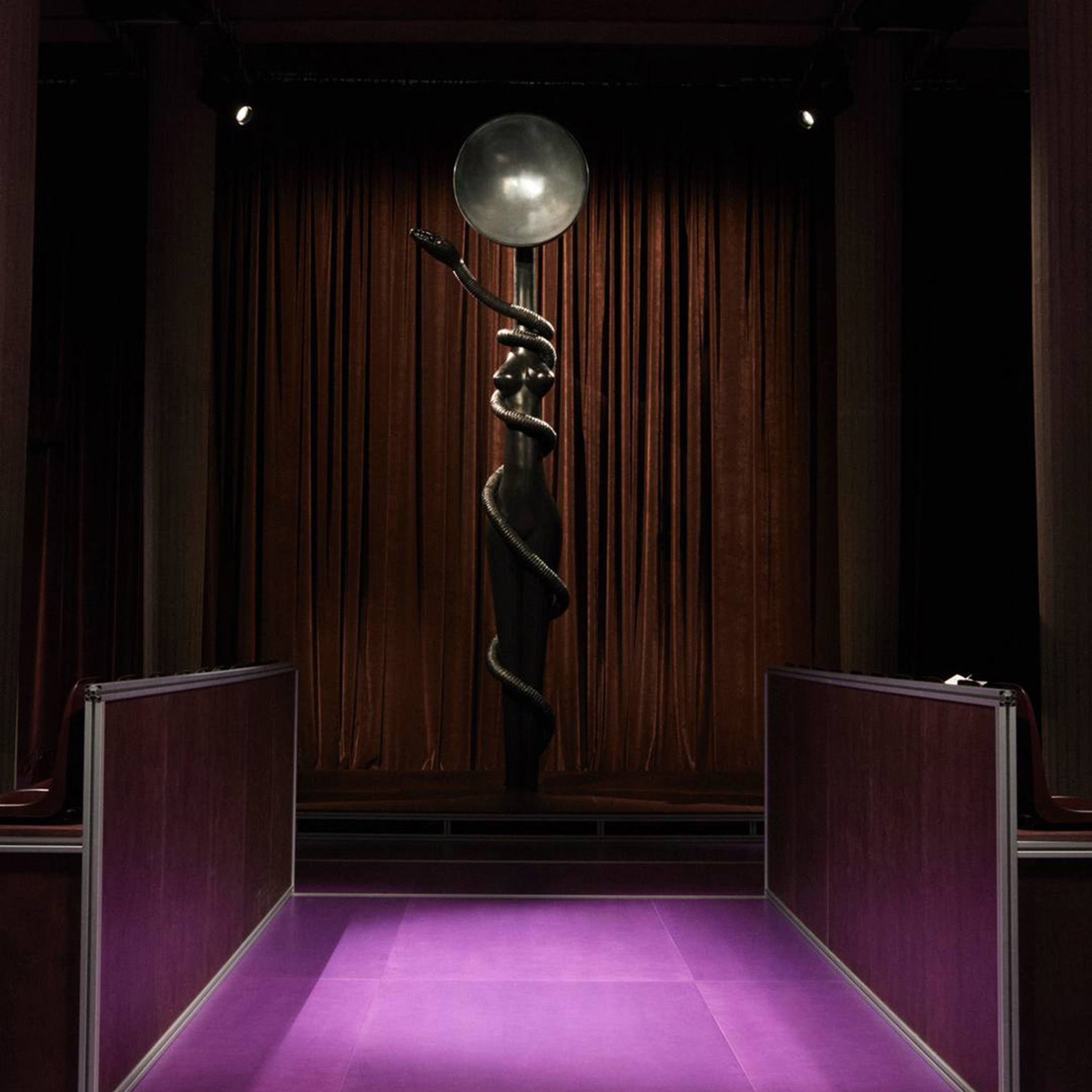
Go to the fair, but the rest of the city is putting on a show, too. Whether it’s a sprawling exhibition at the Fondation Cartier or an artist’s debut in a de Gournay apartment, here’s what to add to your list.
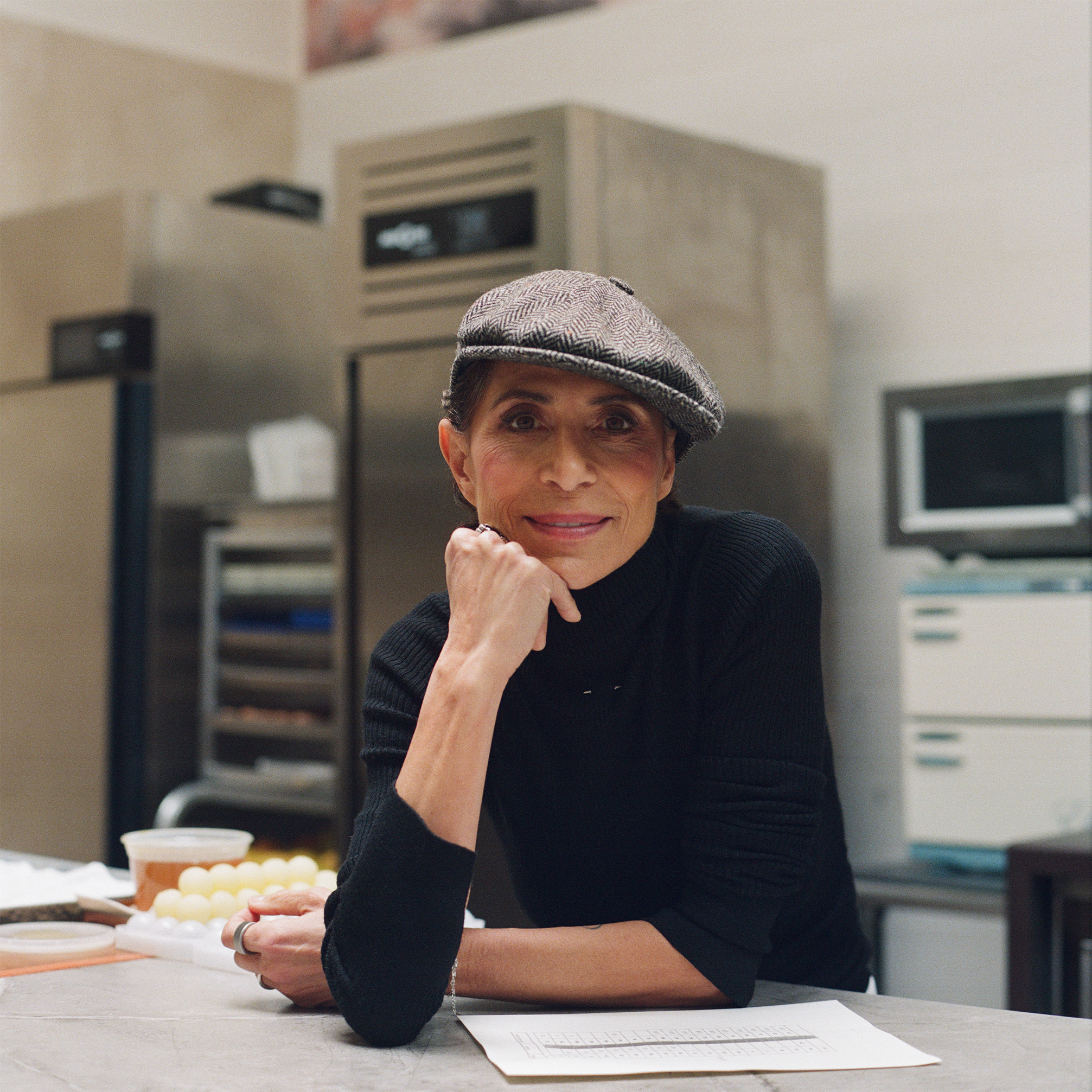
The trailblazing chef has been a creative force in food for decades. As she launches a new venture with Belmond, we stepped inside her renowned San Francisco kitchen.