Brussels Finally Gets the Contemporary Art Museum It Deserves
Long overlooked by the art world, the capital of Belgium is emerging as a design-driven mecca for art and culture, thanks in part to the latest outpost of the Centre Pompidou.
November 16, 2026By
VASILISA IOUKHNOVETS
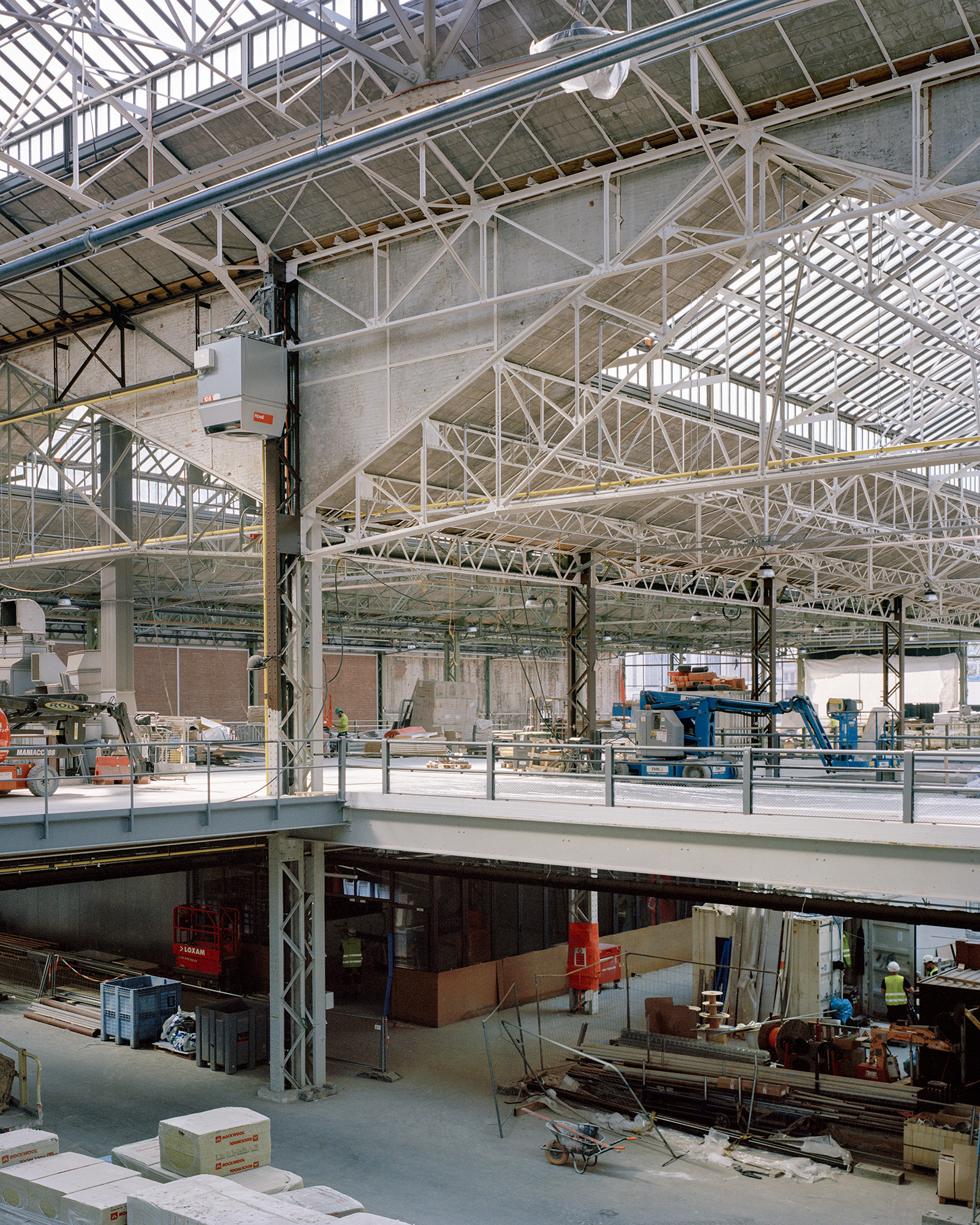
Kanal, a new contemporary art museum in Brussels, has an interior reminiscent of a glass cathedral. . Photo: Maxime Delvaux and Adrien de Hemptinne
This article is featured in our Fall 2026 print issue, available now.
Brussels, as a destination, tends to be overshadowed by the reputation of other European capitals. But it’s precisely that unassuming reputation that has allowed one of the continent’s most abundant art landscapes to develop under the radar. The ingredients are there: the world’s highest number of art collectors per capita, 10 world-famous art schools, and a grassroots culture so fertile that the city has long been nicknamed the New Berlin. Young galleries like KIN and Gauli Zitter are staging rousing exhibitions. Artist-run collectives proliferate. Collectible, the first design fair of its kind, found such success that it’s since expanded to New York, and the nomadic gallery Objects with Narratives recently opened its first permanent outpost here. The arrival of hotels like the Standard and Corinthia, as well as record-breaking numbers for museum attendance, signal rising tourism. And yet, with all of this, the de facto capital of the European Union has never had a contemporary art museum to call its own. That’s about to change.
On November 28th, Kanal will open its doors on the northern edge of the city center. It is one of the institutions chosen to display works from the Centre Pompidou mothership in Paris as it undergoes its five-year renovation, but Kanal is more than a satellite museum. At over 400,000 square feet, it surpasses London’s original Tate Modern and Paris’s Palais de Tokyo in size. After more than a decade of anticipation, artistic director Kasia Redzisz says, “This is the moment for creating a contemporary face for Brussels.”
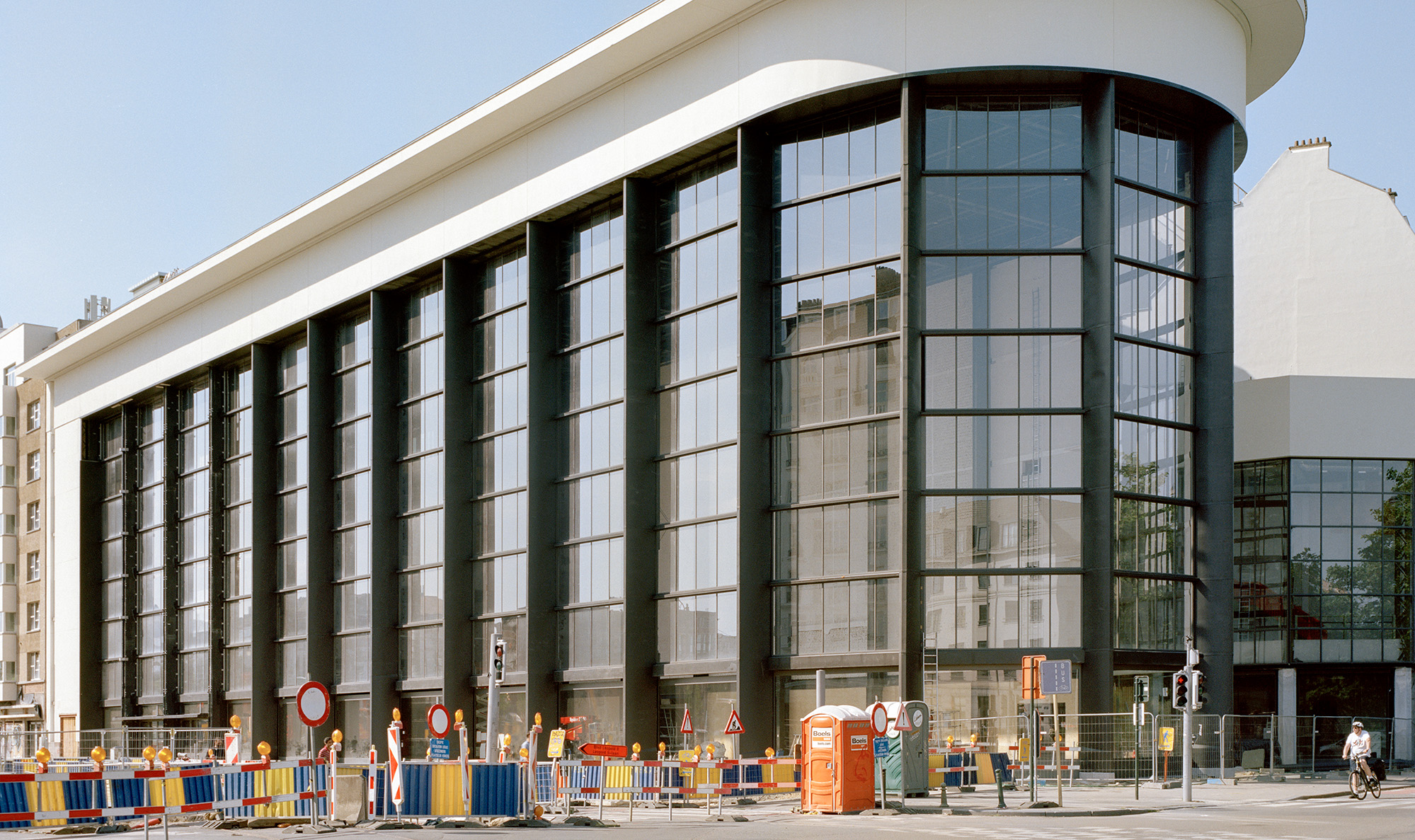
The redesign is by international trio EM2N, noAarchitecten, and Sergison Bates architects. Photo: Maxime Delvaux and Adrien de Hemptinne
Absorbing CIVA, the city’s center for architecture, under the name Kanal Architecture, it also triples the exhibition space of one of Europe’s most important archives of architectural history and gives the institution a newly introspective angle. The inaugural exhibition at Kanal Architecture looks at the history of Brussels itself, beginning with the controversial transformation of the neighboring Quartier Nord. “Interdiscipline is very much embedded in the artistic landscape of Brussels,” Redzisz says. “For that reason, bringing architecture closer to us is really important. It’s a marker of our time that those categories are more fluid.”
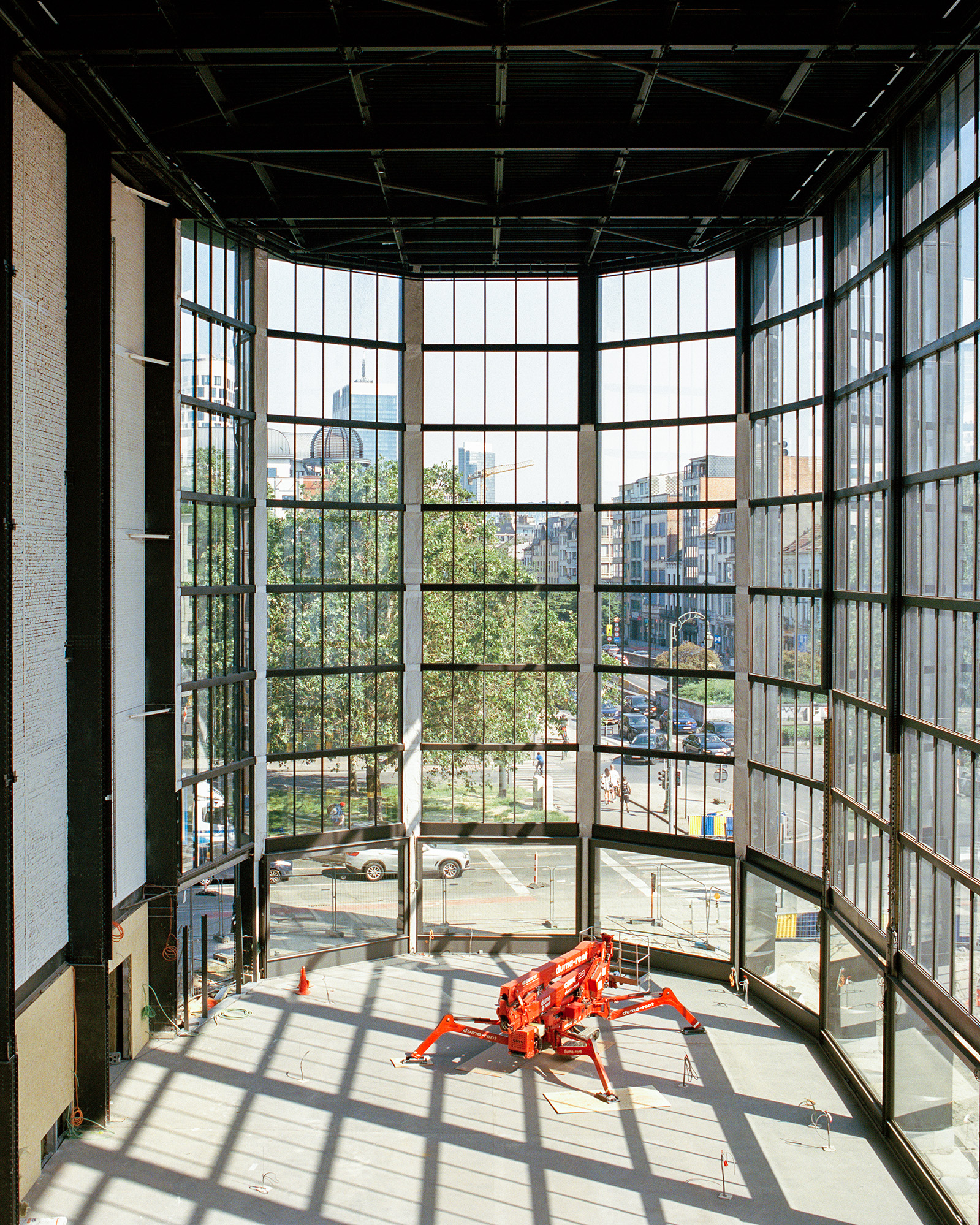
Like most of the other creative enterprises cropping up in town, the museum repurposes one of the city’s impressive existing buildings—in this case, a Citroën garage that was once the largest in the world. “A glass cathedral of modernity,” says Redzisz of the 80-foot-tall, light-filled showroom. The architects—an international trio made up of EM2N, noAarchitecten, and Sergison Bates architects—have left it largely as is, only renovating the interiors into a suitable place for art. This Belgian sensibility when it comes to repurposing even caught global attention this year when the prestigious Mies van der Rohe Award was given to Belgian firms AgwA and Architecten Jan de Vylder Inge Vinck for the similarly thoughtful renovation of a 1950s convention center in the city.
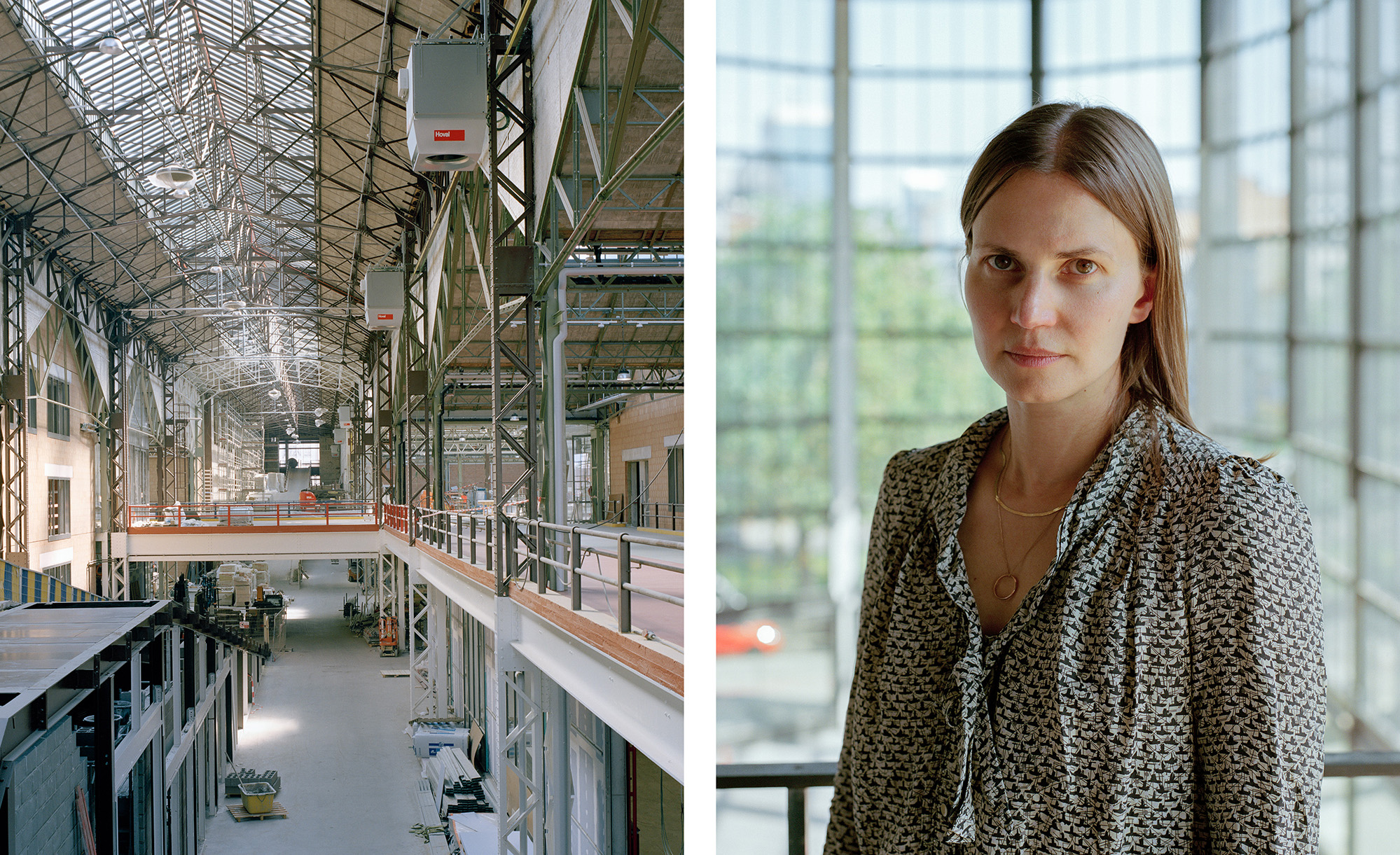
From left: The factory floor will be transformed into Kanal’s gallery and public spaces; Artistic director Kasia Redzisz. Photos: Maxime Delvaux and Adrien de Hemptinne
The museum, radically, is designed as a genuine third place: nearly half is accessible without a ticket, including select artistic programming, a library with over 65,000 works, a playground designed by Turner Prize–winning collective Assemble, a co-working space, a restaurant, a bakery, and a rooftop bar. “That, for us, is an important aspect of our work,” Redzisz says. “Making sure that it’s welcoming and that the threshold to experience culture is a bit reduced.”
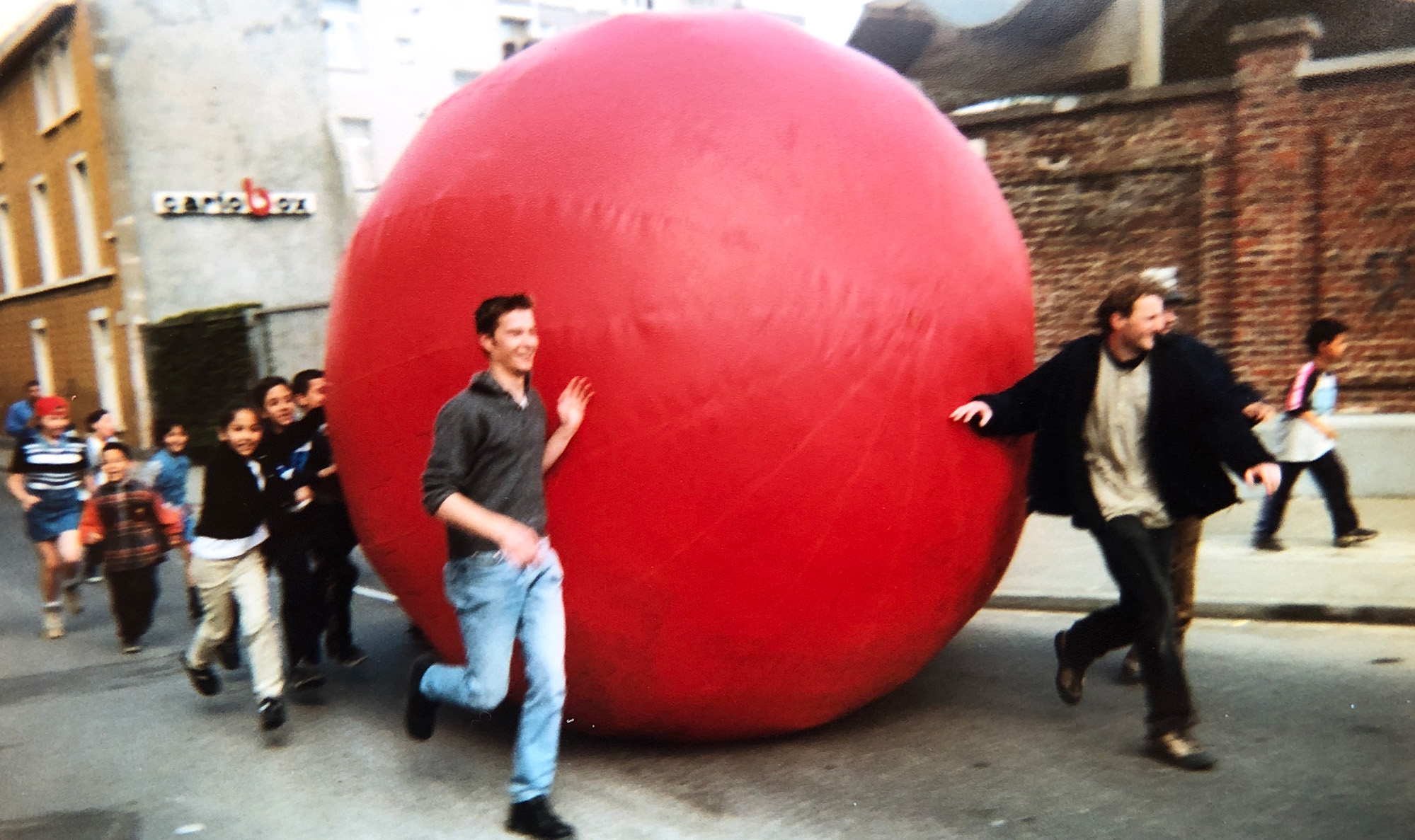
Ball, a 1998 performance by the Brussels-based group City Mine(d), part of Kanal Architecture’s first show. Photo: courtesy Kanal
Most significantly, Kanal will give Brussels something it (surprisingly) lacked: a dedicated public collection of contemporary art. Wiels, the internationally known Kunsthalle, is so often mistaken for a standard museum with its own collection that it staged a group show in 2017 titled “The Absent Museum” as an emphatic reminder otherwise. Only a slim number of 21st-century works ever come out of storage for display at the Royal Museums of Fine Arts of Belgium. In this absence, works by the city’s most celebrated artists are rarely seen at home.
The showroom of the former Citroën car factory. Photo: Maxime Delvaux and Adrien de Hemptinne
Kanal’s eight-year-old collection is, as Redzisz describes it, “modest, but solid,” with over 100 works in disciplines like painting, sculpture, photography, and performance. What it lacks in scale is made up for in international diversity, a reflection of this uniquely multicultural and multilingual city. Every work was made in Belgium, yet more than 20 nationalities are represented, including key names like Francis Alÿs and Ann Veronica Janssens as well as a younger generation of artists, among them Luna Mahoux, who was born in Ethiopia and spent much of her early career in Brussels, and Kasper Bosmans, whose work references his childhood on the Dutch border. In “A Truly Immense Journey,” one of the 10 inaugural shows, works from the collection share space with masterpieces by Pablo Picasso, Alberto Giacometti, and Wilfredo Lam on loan from the Centre Pompidou.
And then there is “No Show,” a shorter, seven-week exhibition of 20 up-and-coming Brussels artists, selected after curators visited more than 120 studios across the city. “We can’t only be a museum for those who have a Documenta and five biennials under their belt,” Redzisz says. “It’s a museum for the city.” And one that doesn’t cease to give: “You can visit over a hundred studios, and then still feel that there’s much more to see.”