Go Inside the Collection From Poliform That Heralds Design’s Future
In Milan, we sat down with the brand's Laura Anzani to discuss the family business over coffee, and what it has planned for New York and beyond.

One of the most exciting parts of traveling today? The ability to disconnect. On this episode—ripped from the pages of our upcoming spring print issue—Dan speaks with Tess Leach of Ranchlands, a massive land management business in the American West that includes the remote Paintrock Canyon Ranch in Wyoming that offers experiences for travelers of all stripes. The pair speak about what it’s like to visit this incredible corner of the country, the community surrounding it, and the luxury of being totally disconnected from the modern world (with great food, of course).
This feature and podcast is from our Spring 2026 print issue. Stay up to date via our newsletter to order your copy when it becomes available.
One of the biggest challenges traveling today is finding something that’s truly off the beaten path. Everyone seems to go for the same Instagram moment, and the world doesn’t just feel small these days—it can feel claustrophobic. For us Americans, it makes the hunt for an escape even more daunting. But in the American West, there’s one destination that’s about as remote as you can get in the Lower 48: Ranchlands.
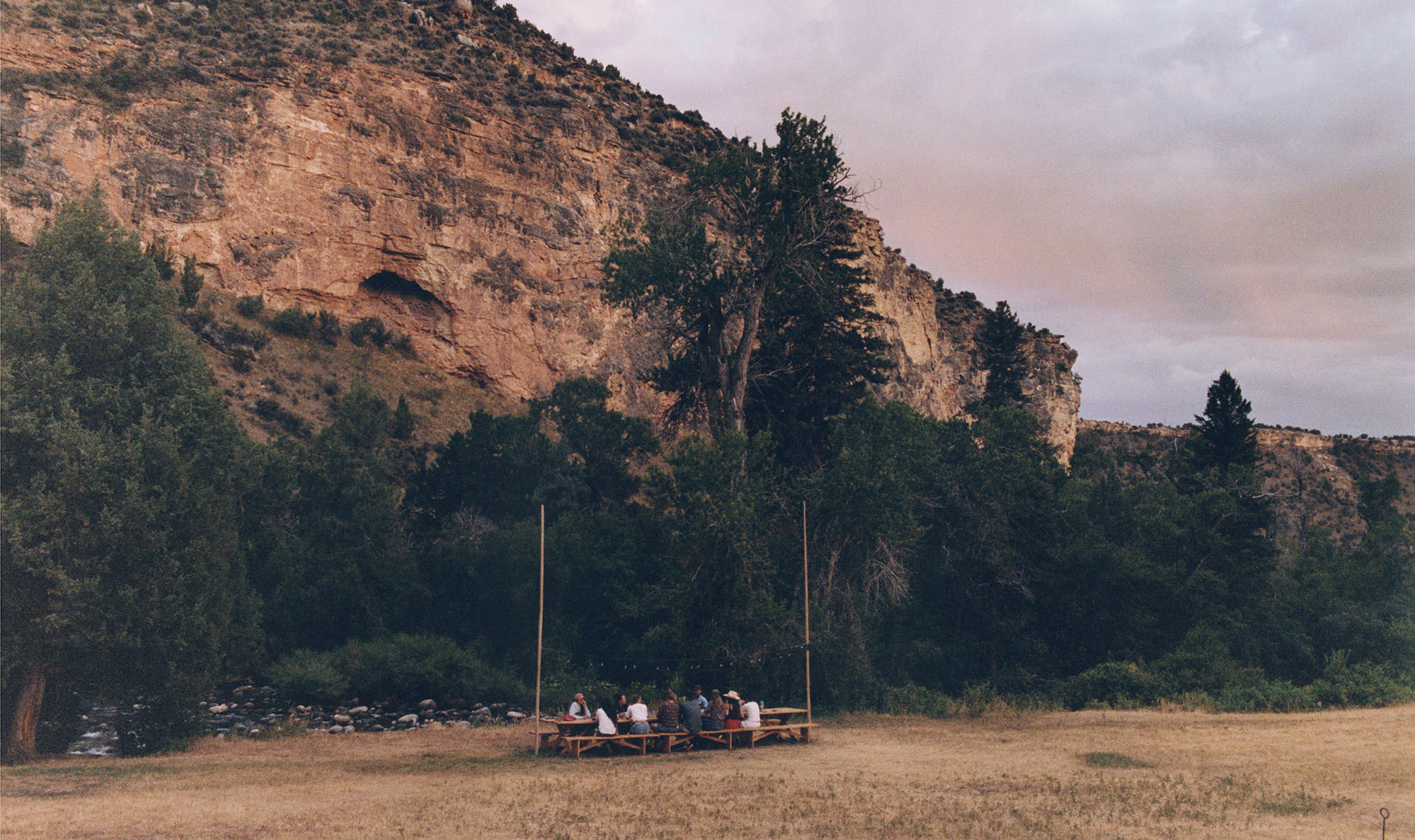
Ranchlands, in operation for more than 25 years, is a series of private, family-run working ranches in various states. One of them, Paintrock Canyon Ranch, is in Hyattville, Wyoming, in the north central part of the state, just on the other side of the Bighorn Mountains (about an hour and a half from the regional airport that serves Yellowstone National Park). The 80,000-acre property, purchased in 2021, hosts visitors for a variety of experiences, from workshops and retreats to ranch vacations where guests stay for five nights, ride on horseback through the local canyon, stay in glamping-style tents, and eat communal meals prepared daily by a chef.
Since my own horseback riding experience has been somewhat untested since the fifth grade, I asked Adam Kremer, an Australian photographer based in New York—whose equestrian skills were a bit more developed than my own—to capture this unique American pastoral experience on film. In the following pages, you’ll follow along on his photographic adventures: picturesque canyons, adorable foals, big skies, and mysterious stone etchings from Indigenous peoples (as well as some insights from the daily journal he kept during his stay). For context, I spoke with Tess Leach, the head of business development for Ranchlands, who lives on the property and is the daughter of the outfit’s founder, Duke Phillips III. We spoke about Kremer’s particular journey, Ranchlands’ growing nonprofit arm, raising kids on a ranch, what cowboy fantasies guests can expect to find there, and more.
For the completely uninitiated, what is Ranchlands, broadly speaking?
Ranchlands is, at its core, a large-scale ranch management company. We run ranches all across the West for individuals who own ranches and don’t necessarily want to manage them, but want to enjoy them. We also run them for people that live on the property and just need a little extra help. In the case of the Paintrock Canyon Ranch in Wyoming, we run it for ourselves. It’s the only property that we do own. And on each different property, we look at the land multidimensionally and see how we can use this land to bridge the gap between urban and rural communities. We offer access or business diversification options for the owners that really involve the urban majority in ranching, and then also offer an additional revenue stream to landowners. And the biggest way we do that is through hospitality, which is the case here at the Paintrock Canyon Ranch.
And so how many acres would you say that Ranchlands is responsible for in one way or another?
The exact acreage varies all the time, but at times it’s been around 400,000 acres. But you know, it goes way down from there, too, at times. And we do look for long-term leases. So when we’re working with the landscape, it’s usually for at least 10 years.
And tell me a little about Paintrock and how it figures into the bigger picture.
The Paintrock Canyon Ranch is our headquarters property. We moved our main operations out of Colorado last year to this ranch in Wyoming. We bought the ranch a few years back and slowly transitioned to it being our headquarters property over the last year. It’s just an amazing property that really blends everything that Ranchlands has become. It has a very large-scale working ranch component; it has a farm component; a hospitality operation that is based in canvas tents, currently glamping-style safari tents. It also has a very modern set of buildings that is currently leased out, but will become the next iteration of our hospitality in the next few years. It’s surrounded by the Bighorn Mountains and a ton of water. It has all these amazing elements that make it a pretty special place.
Obviously the landscape and this remote region of the United States is part of the Ranchlands story.
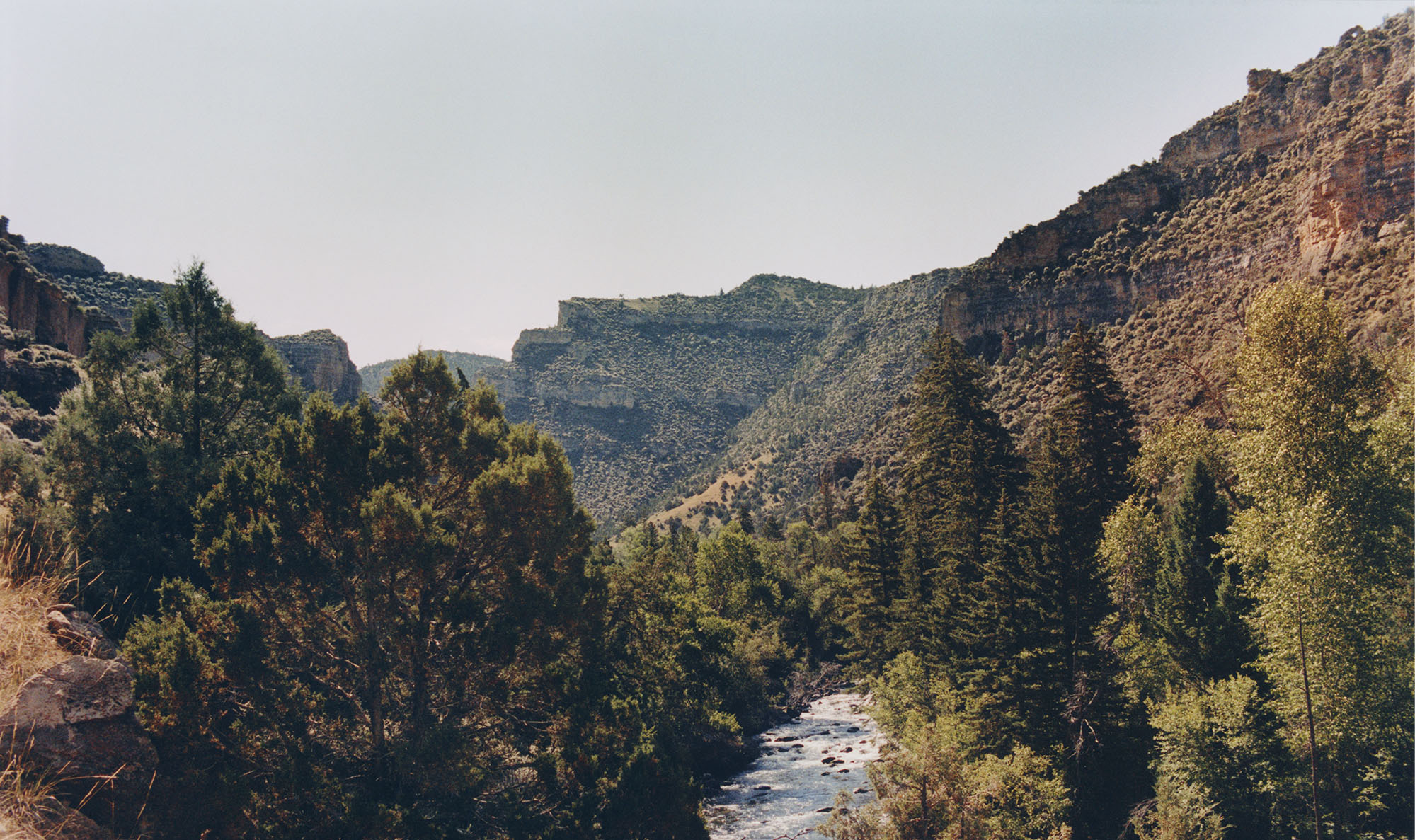
Yeah, it’s really varied. You have at Paintrock big meadows in the bottom that are farmed, and they are flanked by what locals call “creeks,” but to us, from the prairies of Colorado, they definitely seem more like rivers. And then the rivers are at the bottom of the canyon that goes all the way up to the base of Cloud Peak, which is just under 14,000 feet, the highest peak in the Bighorn Mountains. On the other side, you have red hills that lead to mesas, very picturesque Western vistas leading to desert and wide open spaces. It’s very much a place where you can kind of wander around and see five different ecosystems in just a few hours.
How would you describe the experience of being there? You know, for a city slicker such as myself.
One of the most special things about the ranch is just how isolated it is. And you really don’t have a choice but to disconnect and engage with nature. There’s no cell service, and very limited Internet. You’re just so far away from even a grocery store or gas station. There’s a local grocery store 45 minutes away, and it’s pretty bare-bones. The one we use is an hour and a half away in Cody, Wyoming. The ranch itself is really stuck back in time in all the best ways, I think. I do feel very lucky that we are able to have this hospitality component because it brings all these really amazing, creative, inspiring people to this landscape. It really brings together the best of both worlds.
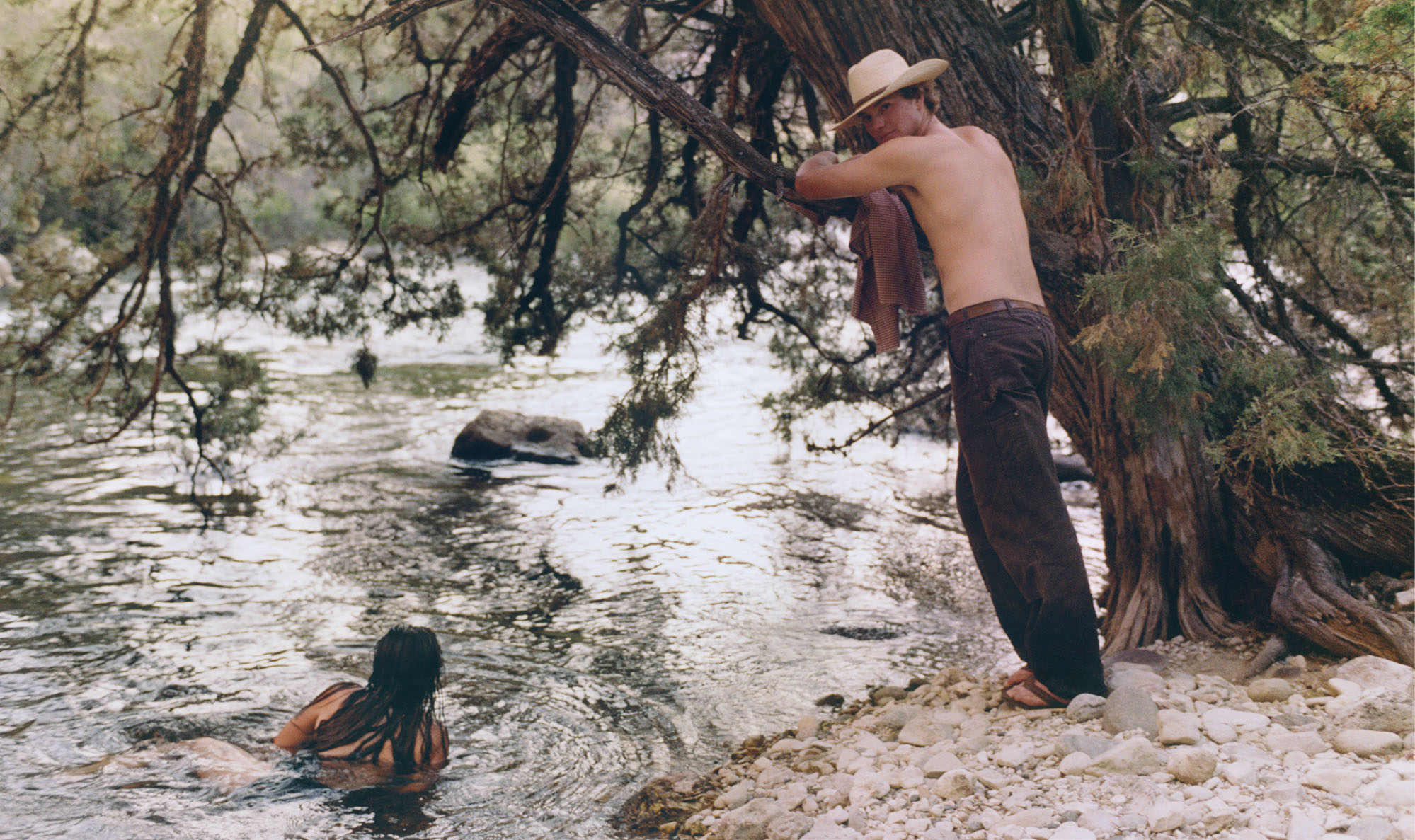
And tell me a little bit about the experiences that you guys offer. Our photographer, Adam, went on a pack trip.
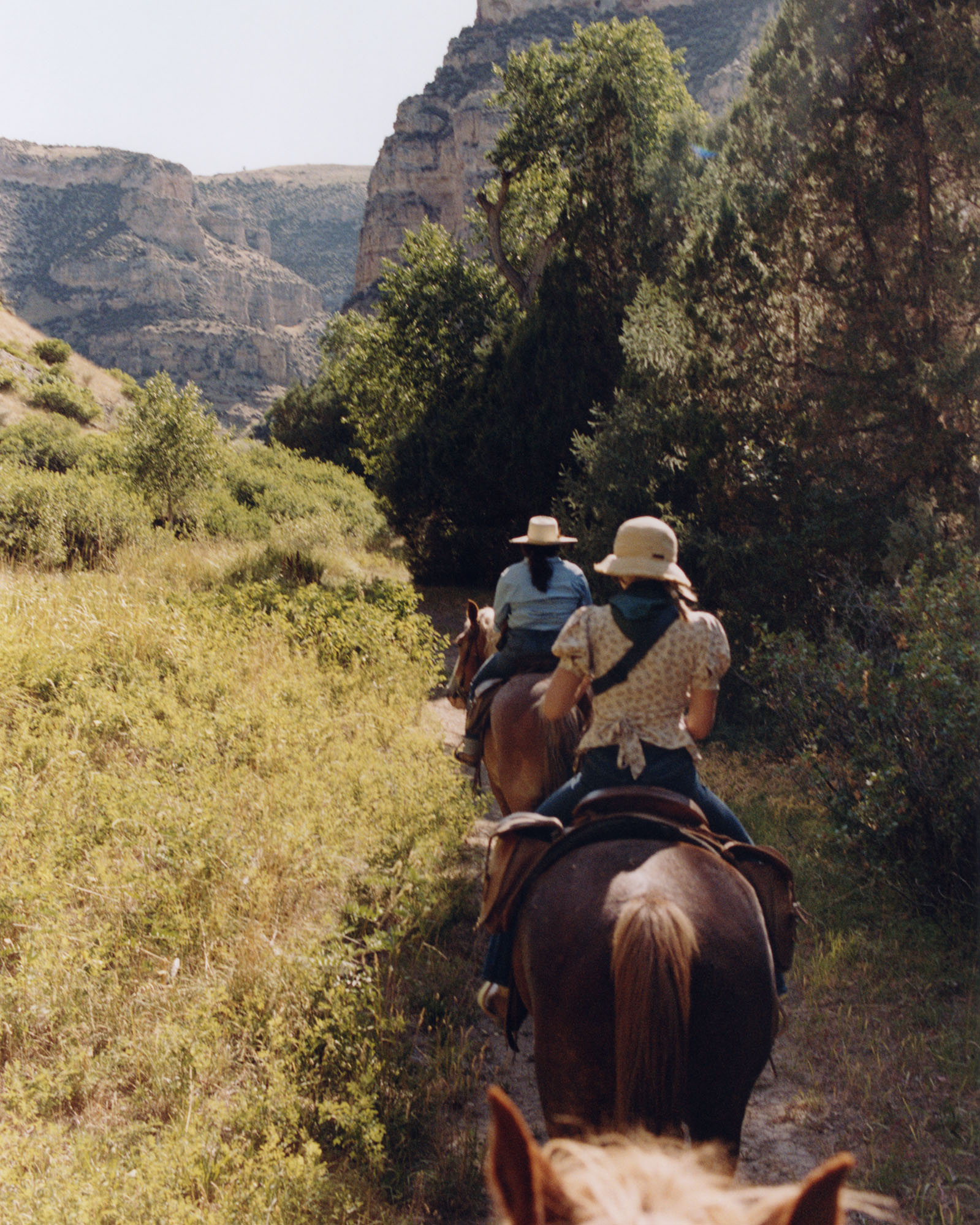
Adam was great. We had so much fun with him. But we offer a couple different types of trips. The main two are ranch vacations, where guests come and stay for five nights and join in on hiking and riding activities to get to know the ranch and become a part of the landscape more intimately. And that to some people is just day hikes and day rides for a couple hours to go see the vistas or just kind of get out a little bit. And then for other people, it’s really riding all day and or hiking to see a completely different part of the ranch and learn more about horsemanship or just push themselves a little bit more with riding. The ranch vacations are something that we’ve been doing since 2000, and those started on the Chico Basin, where we grew up, on a much smaller scale. We honed them on the Zapata Ranch in the San Luis Valley and then brought them to Paintrock three years ago. And I would say they are our cornerstone product in that they really aim to give people insight into life on a working ranch. The other main thing that we offer are workshops that are based around some sort of a craft or skill set that participants come and learn from an expert in the field alongside experience at the ranch. So they still ride and hike, but it’s all integrated with an itinerary that’s led by an expert, like in painting or poetry or blacksmithing, that sort of thing.
And when it comes to the horses, for those who do want to come and visit or do one of these pack trips, what sort of expertise is required?
In terms of skill level of horsemanship or hiking or really any of these skill sets, you don’t need to have very much at all. We split groups up based on ability. And so like this week, for example, we’re doing a painting workshop with Katie Rodgers, and we have somebody that came who really wants to ride a lot and then someone who brought their mom who really has no interest in riding except wanting to try it. So she’ll go out with her own wrangler for a few hours, and then the other gal will go out all day with a group with similar interests. So we really can make it work for anyone.
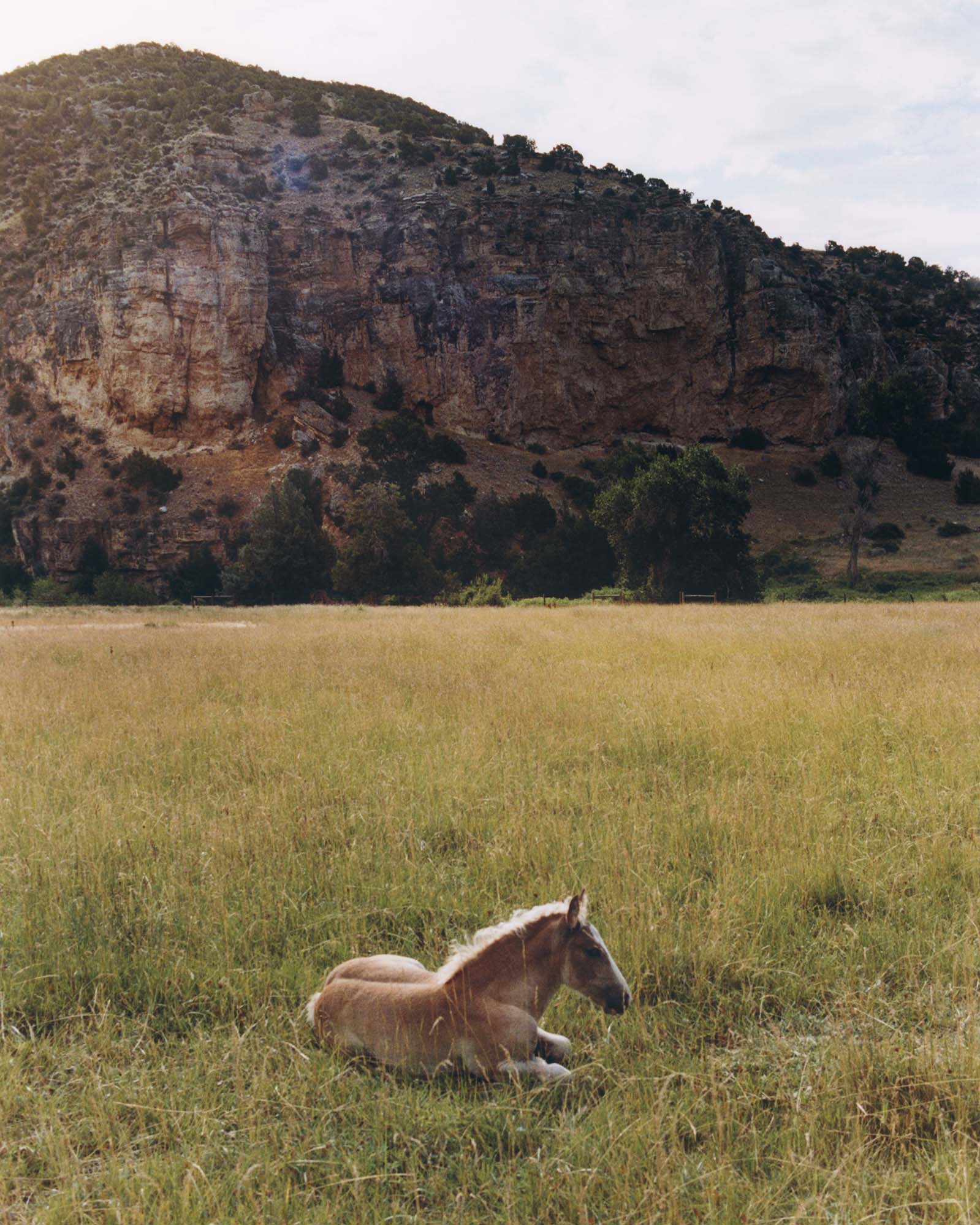
What’s a typical day on a ranch vacation like?
A typical day begins whenever you’re ready to wake up. Coffee and a cold breakfast are ready around 7 a.m., and then hot breakfast is at 8. And that’s taken together family-style at a long wooden table down below our kitchen tent. Our chef cooks all the meals; they’re all homemade. Everything is locally sourced to the extent possible. We source from a local dairy that makes raw milk and cheeses that we utilize as much as we can. Our chef makes an amazing breakfast, and then he packs your lunch for the day in a sandwich tin. And you take that with you to head out on your activities around 9 a.m. Riding starts at our barn, which is about a five-minute drive away on the ranch. You’re picked up and shuttled to your horse, and then you head out for the day and are usually gone until around 2 or 3 p.m. Once you get back to camp, people typically want to relax for a little bit, have a shower. Then there’s an afternoon activity that ranges from leatherwork to roping. And then cocktails and appetizers at 5 p.m., dinner at 6. And there’s always a fire after dinner.
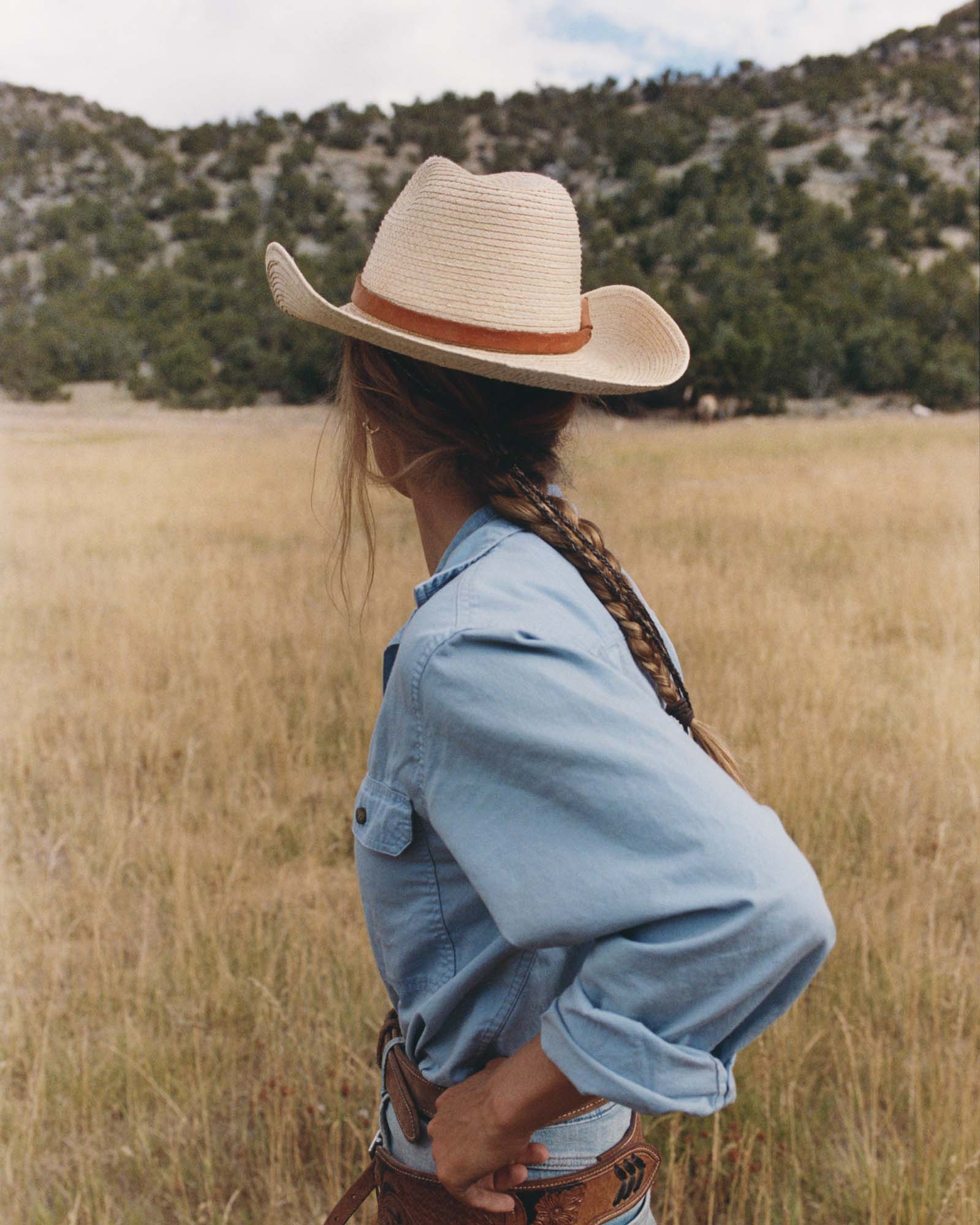
And obviously for the pack trips and such, you’ve got these safari-style tents. Tell me a little bit about those and what the setup is like.
The tents are 8 by 10 feet in size, and each has a king bed, a dresser, a rug, bedside tables, lamps, and down bedding with cotton sheets. They’re very comfortable. And they have two big screened-in windows on each side and then one at the head of each bed. The doors totally open and are screened-in as well to really allow airflow and offer indoor/outdoor vibes for those that want them. There are 14 tents, and they’re all set about 100 feet off of the Paintrock Creek. We call them safari-style. We really try to avoid the word glamping, but you know, for some people that kind of paints the picture of what it is.
Adam took some snapshots of some petroglyphs. What do you know about them?
So there’s an archaeological site just outside the gate of the ranch called Medicine Lodge. And it’s a huge wall of petroglyphs, maybe 30-plus feet long. In this area, it’s definitely the most well-preserved, pristine representation that we have. Honestly, any hikes that we go on, you’re always looking because it feels very unexplored and wild still. So I think there’s probably more that haven’t even been found on the ranch. The area was home to many different tribes.
There’s something at Ranchlands called the Collective, which is the nonprofit side of things, correct?
Yeah. The Ranchlands Collective is our nonprofit that aims to bridge the gap between urban and rural communities and really offer access opportunities for the urban majority to come out and see what we’re doing and be a part of it, so they can really understand the importance of it. We do that through a couple of different ways. One is an artist residency. We’re actually in the middle of our very first residency right now, with two girls who are living at the camp. They do dinners and breakfasts with the guests, and then during the day, they each have a studio in the horse barn where they create work. At the end of it, we’ll turn those pieces into ones that they can sell. The other is a program with the Audubon Society, a station where we monitor migratory songbirds to capture data that goes into a worldwide database. And we offer field trips to students to come and learn about that. Some of the kids get to actually hold a songbird in their hands and release it.
Of course, we have to mention the horses. Taking care of them must be a massive task.
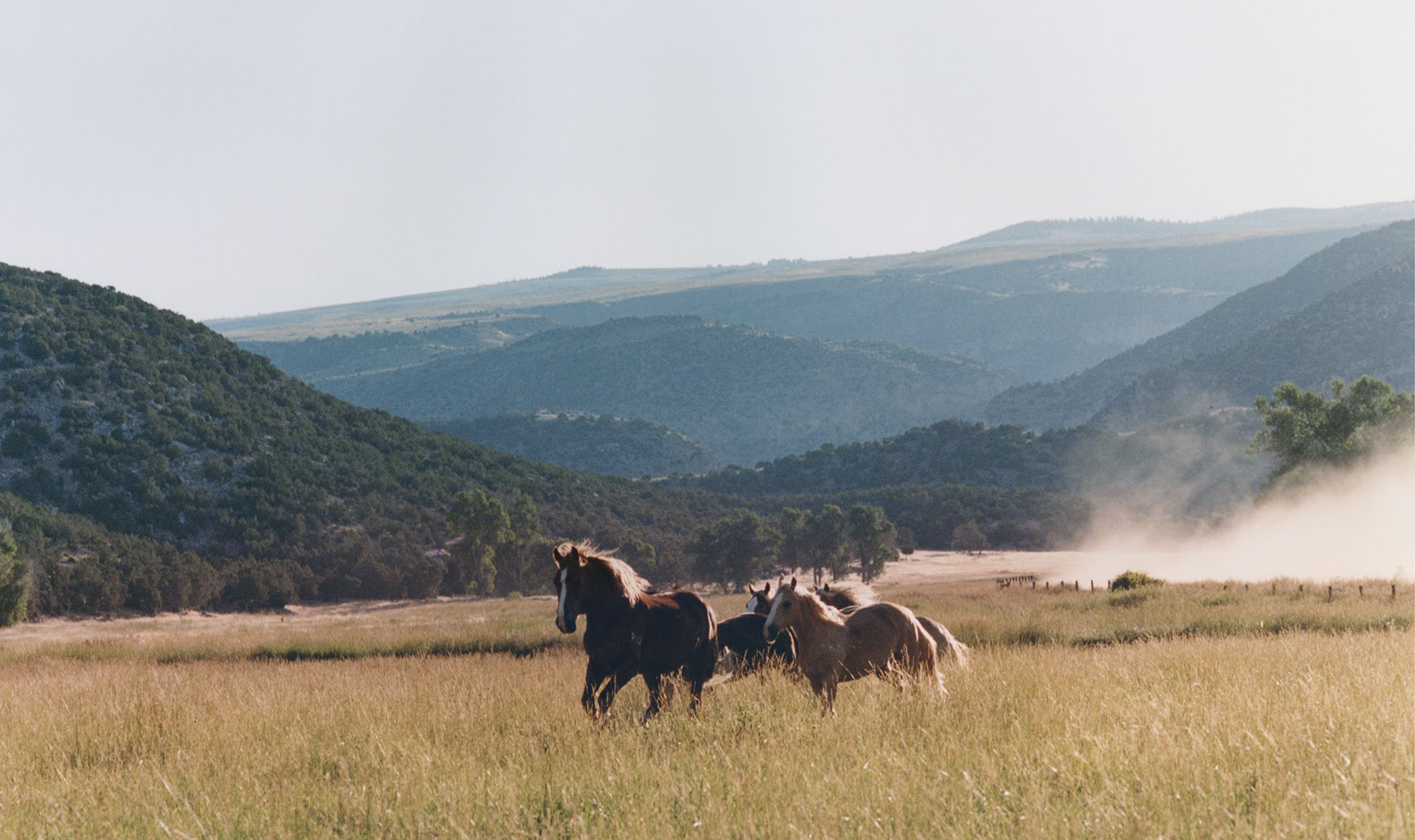
Yeah, absolutely. We have a herd that’s here year-round, and then we also lease a handful of horses for guest use, and we are able to get the same ones every year. Some people have their favorites, and they get to keep those favorites. We have a mix of everything, from part draft horses to quarter horses to Haflingers and ponies—just truly something for everyone. The ones that go up into the mountains, they are shoed. We do one night where we have drinks with the horses as well as just seeing them every day. They really are an important part of every guest experience.
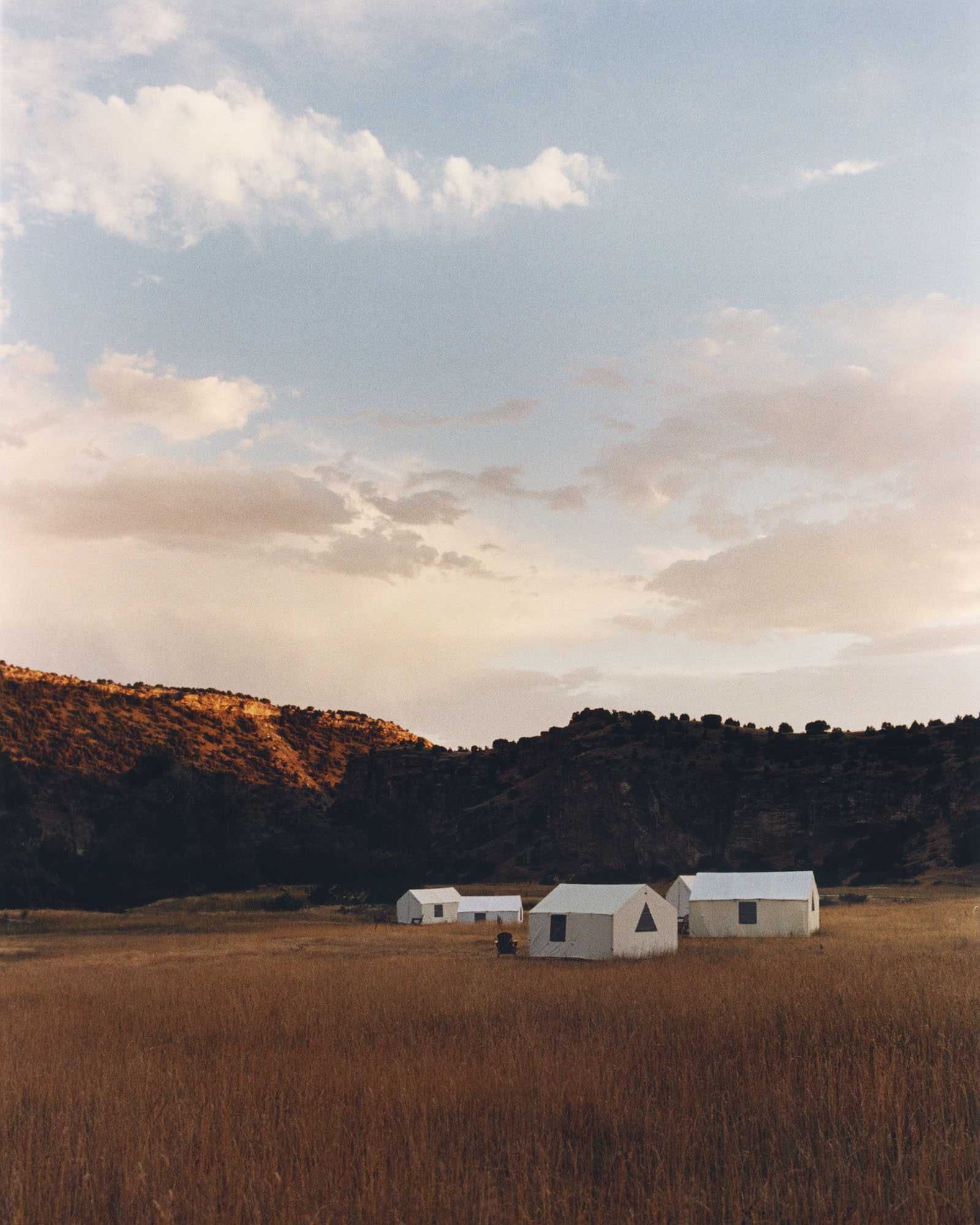
It seems like Adam took some photos of a little foal, too.
The baby horse that would have been here when Adam was here, Sprinkle, was a surprise actually from a rental horse. Cupcake is the mom’s name, who came and about two weeks later had a baby in the field. We called Chad, who we rent the horses from, and asked if we could just keep Cupcake and Sprinkle for the year. And we put her in a little pasture right next to the tents. She quickly became a very important and beloved part of camp, so next year we will miss her.
What’s it like to live there?
I love living here. I also love going to urban cities and seeing friends and getting my culture fix, my food fix, and all these things that you miss being all the way out here. But I do find that after a couple of days away, I’m really excited to come back. And I find a lot of inspiration from being out here. I have my husband and three little boys. We’re just really grateful that this is where we get to call home.
What do your kids think about living there? It sounds ideal in many ways.
Yeah, it is pretty dreamy. And I tell them that all the time. The two of them really love fishing, hiking, and hunting. And one of them really loves art. He and I always sit along the riverside while the other two are fishing just painting with watercolors. Of course we have movie nights and do all the normal kid stuff, too. But they definitely spend a ton of time outside, and they really love it.
Do you ever see yourself leaving Ranchlands?
I think I’ll always be involved on some level with Ranchlands. It’s my business, it’s my home, it’s my family. I could see a situation where David and I went and did something else with the boys for a year while they’re still young, like go live in another country or just experience another culture fully. But I can’t see a situation where I would ever fully leave.
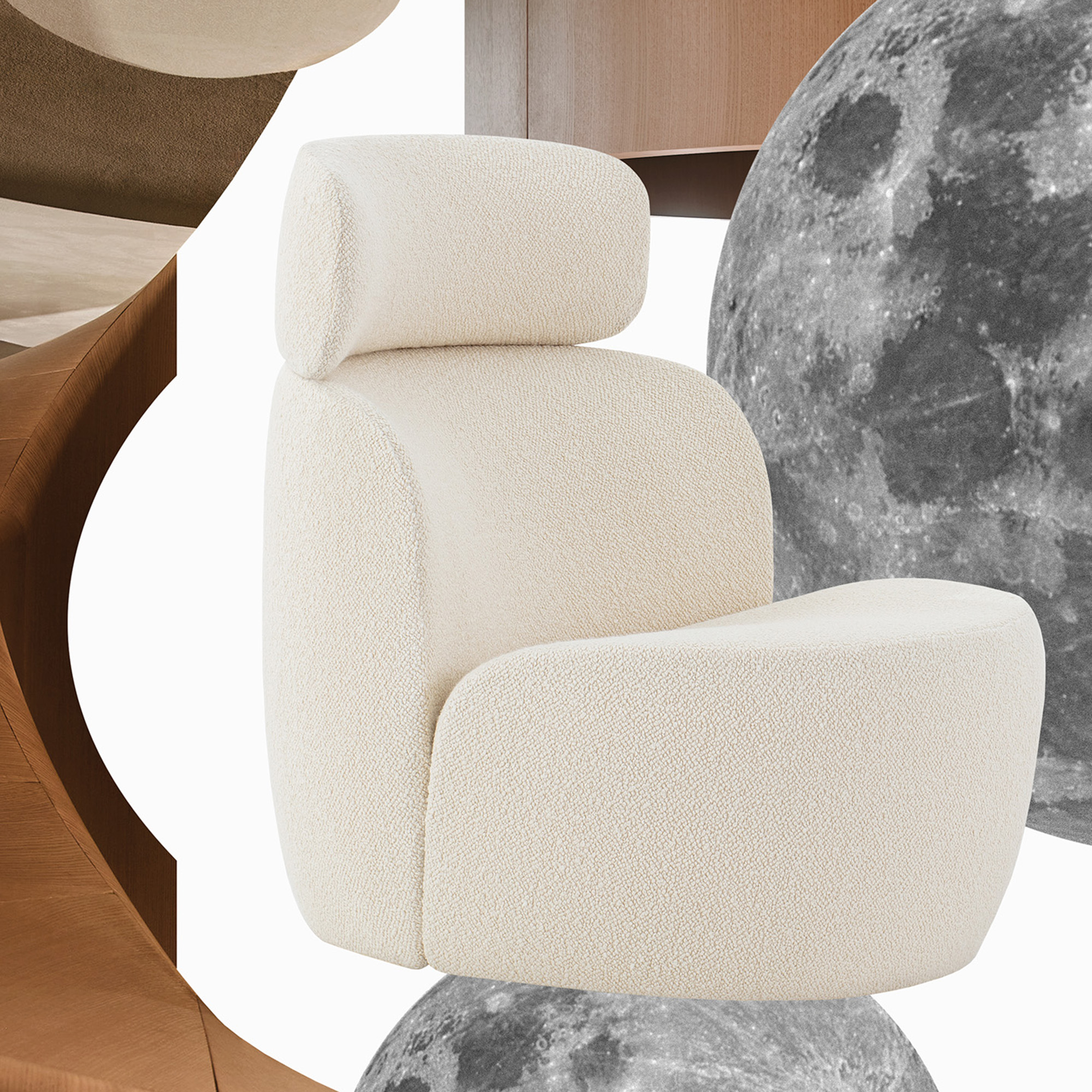
In Milan, we sat down with the brand's Laura Anzani to discuss the family business over coffee, and what it has planned for New York and beyond.
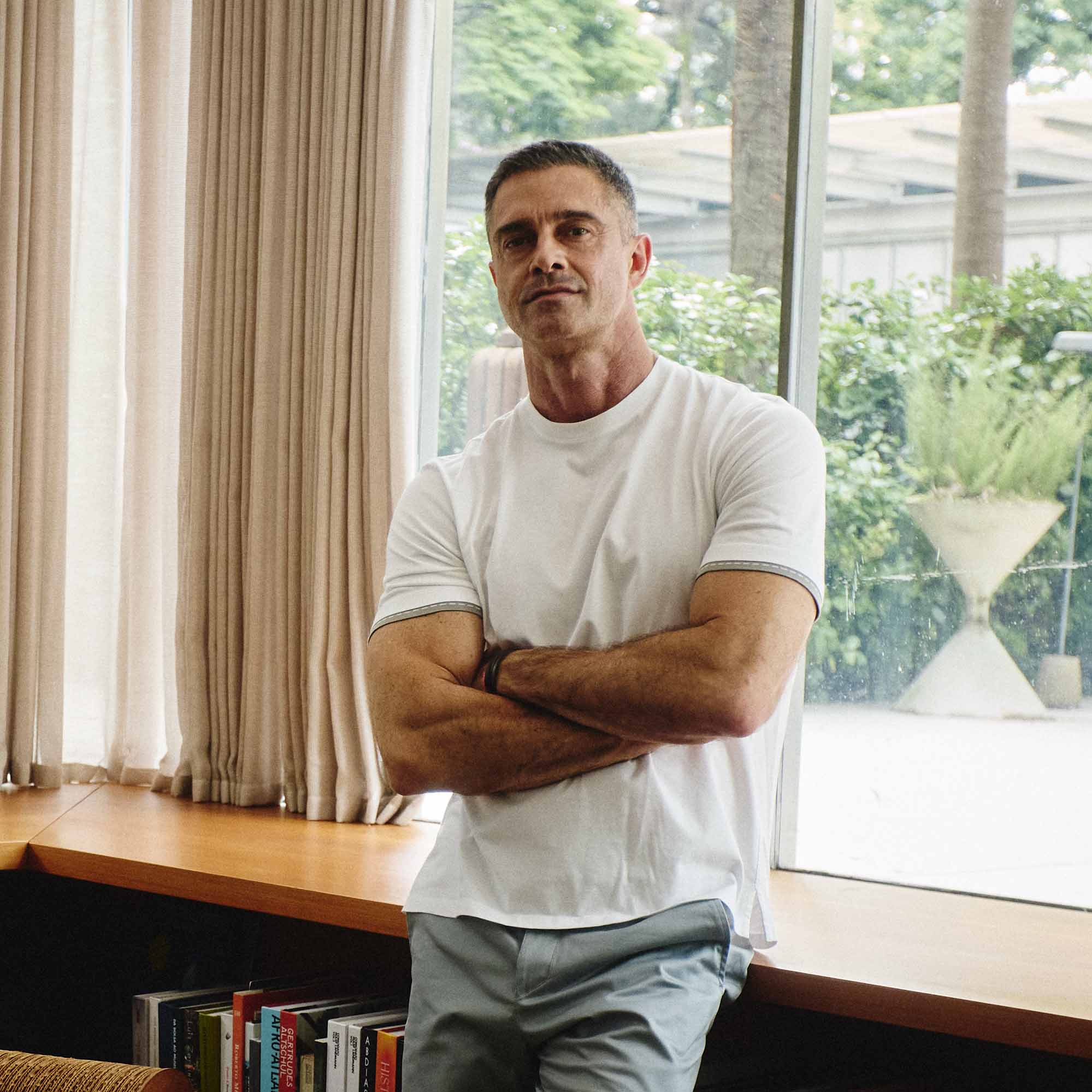
The Brazilian interior designer has quickly risen the ranks of New York design with a vision shaped by his father, the celebrated product designer Oswaldo Mellone, his first job with Robert A.M. Stern, and much more.
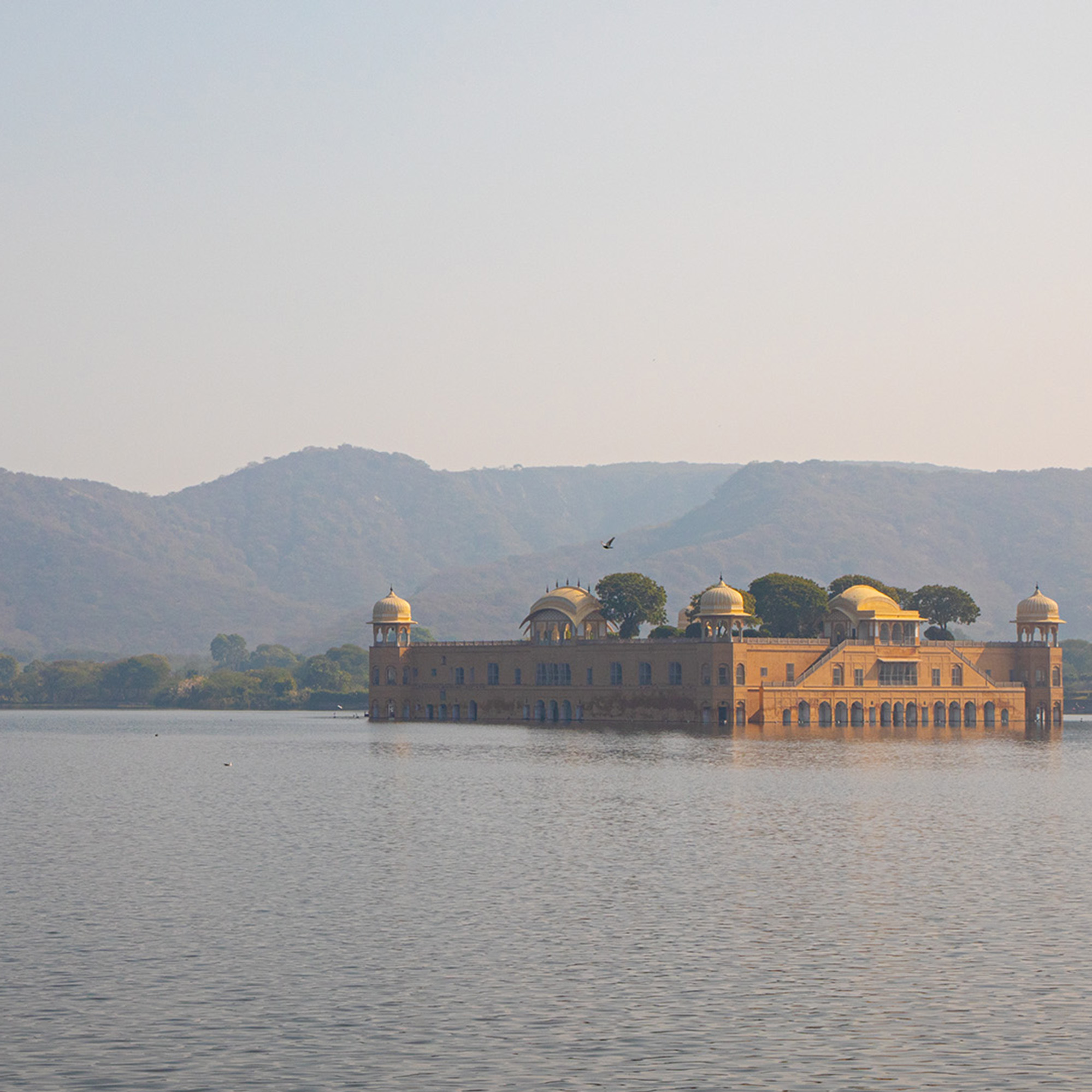
This lavishly photographed tome gives readers a closer look at the colorful and lively destinations and resplendent interiors across the Indian region.