Go Inside the Collection From Poliform That Heralds Design’s Future
In Milan, we sat down with the brand's Laura Anzani to discuss the family business over coffee, and what it has planned for New York and beyond.

This article is from our Spring 2026 print issue. Sign up to our newsletter for updates on how to purchase your own copy.
The Bernese Oberland reveals itself slowly, as if bashful about its own beauty. Even after multiple visits in recent years, I still press my forehead to the train window, unable to look away as the carriage climbs past the sheer walls of the Lauterbrunnen Valley, waterfalls dropping so perfectly they look silk-screened onto the cliffs. Something releases in me every time I arrive, like a deep sigh I didn’t know I’d been holding on to. The air seems tuned to a different frequency here: brighter, gentler, with a clarity that feels medicinal.
The Swiss have known the magic of this region forever, of course, but for the rest of us, the Bernese Oberland still carries a sense of discovery. Maybe it’s the scale—the Jungfrau, the Eiger, the monolithic quiet of the forests—but part of its charm lies in contradiction. It’s dramatic, but discreet. Vast, yet strangely intimate. And in the past few years, something else has been happening: a gentle recalibration of how this landscape holds its visitors. The old Alpine script—stiff formality, après-ski theatrics—is giving way to an easier, more elemental kind of luxury.
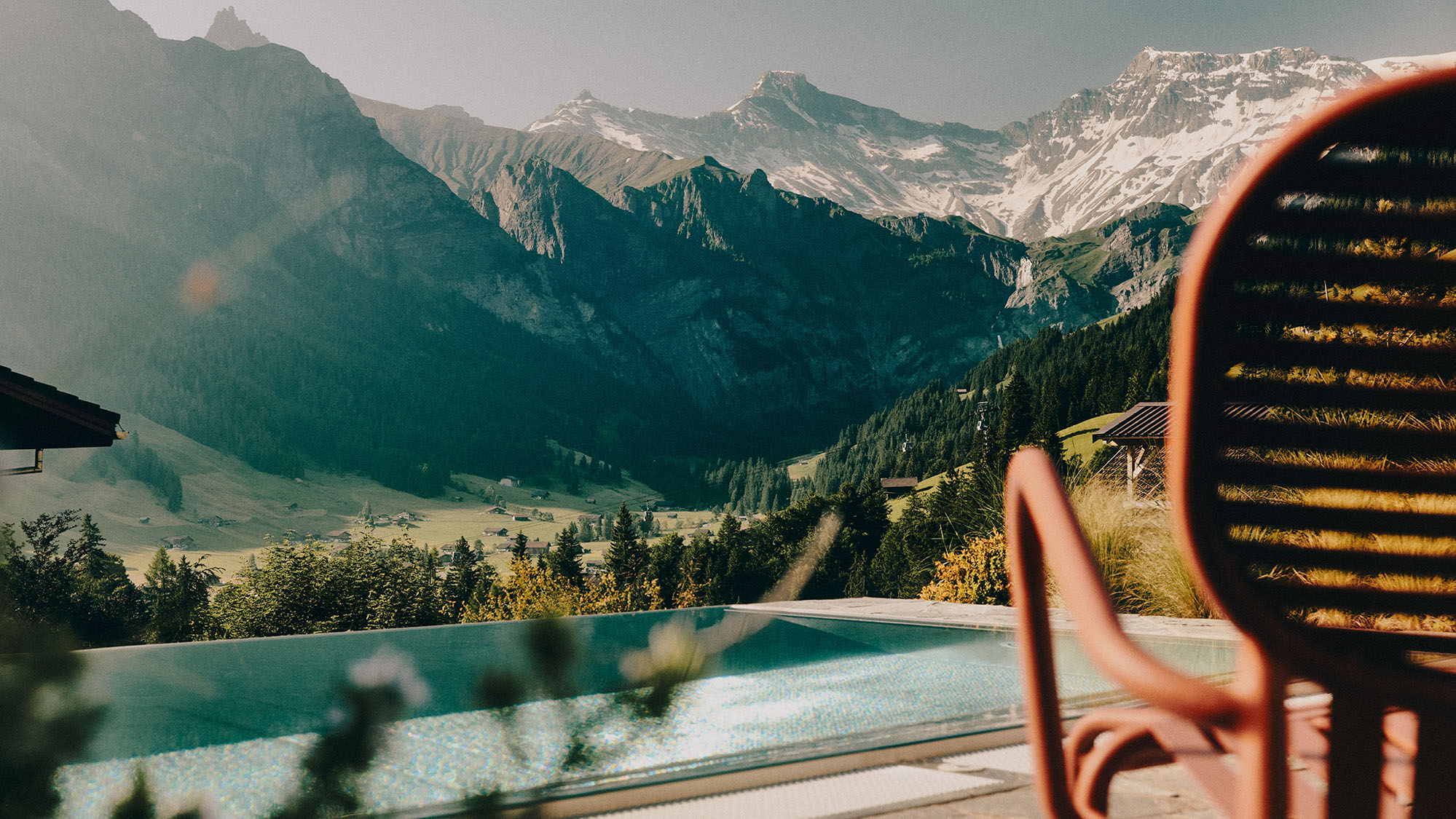
This softer pulse is nowhere clearer than in Wengen and Adelboden, two mountain communities shaped as much by their terrain as by its visitors. These places have always been postcard-perfect—car-free lanes (in Wengen), timber chalets, the clang of cowbells—but their hotels are beginning to speak a new design language: quieter, more tactile, and more aware of the landscape as collaborator, rather than mere backdrop.
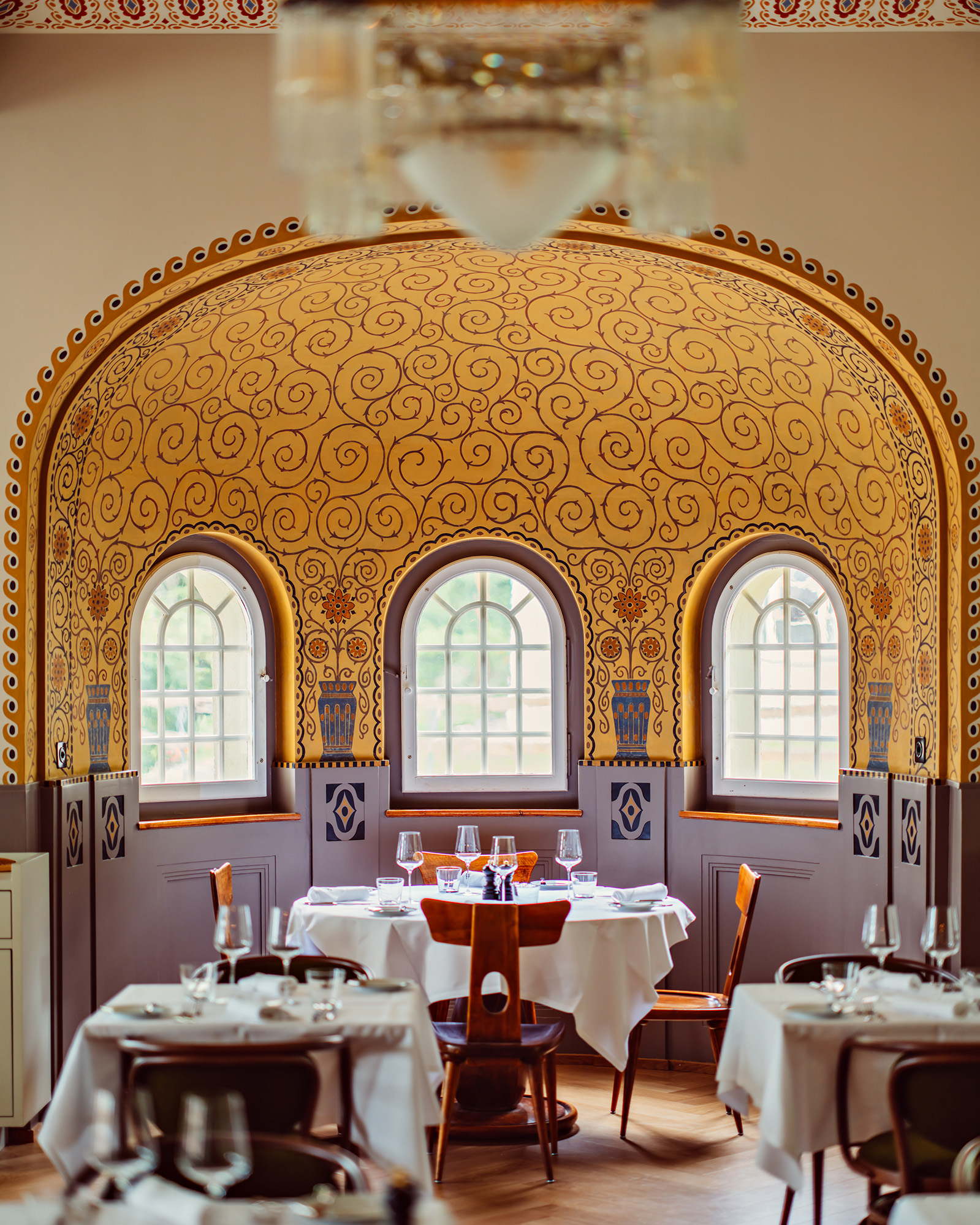
Take Grand Hotel Belvedere in Wengen by French hotelier Beaumier, for instance, which feels less like a comeback and more like a resurrection. Having been shuttered for decades, its 1912 façade now glows with the pale freshness of scrubbed pine and restored frescoes. After stepping inside, it’s clear the revival isn’t nostalgic; it’s sensory. The scent of larch wood, the soft grain of Andeer stone beneath your fingertips, the morning light. “We didn’t want to rebuild history—we wanted to make it live again,” the hotel’s general manager, Lorenz Maurer, told me when I visited. The vision is rooted in ease, not exhibitionism. Carpets are meant to be walked on with wet ski boots; furniture is chosen for how it feels, not just how it photographs (aided by the interior designs of Arnaud Christin of Complete Works). A new concrete spa and swimming pool by Swiss architect Valéry Clavien of Clavien & Associés feels quite James Bond–like in its excellent Brutalist angles.
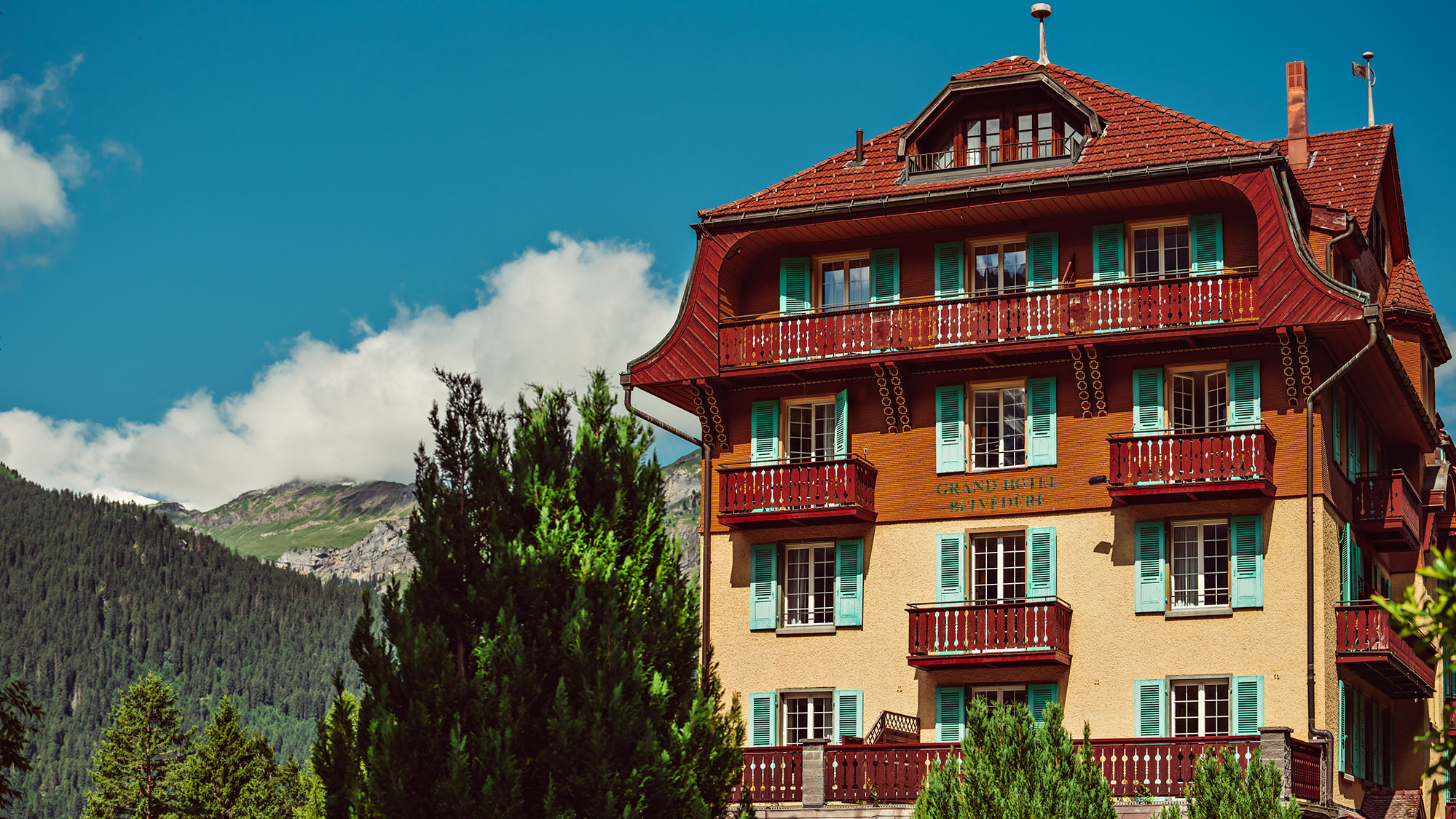
Maurer also speaks candidly about climate—not in doom-like terms, but as reality. “The ski season used to start in November,” he said. “Now it’s December to March, and soon it will be January.” For a region once defined by winter tourism, the shift is seismic, but not paralyzing. Wengen’s summer season is now bigger than its winter one, fueled by hikers, swimmers, and yoga-at-sunrise types. The mountains themselves are emerging as the main attraction. And hotels like Grand Hotel Belvedere are adjusting, offering a kind of all-season hospitality that treats the Alps not as an extreme-sports arena but as a place for rest, curiosity, and slow immersion.
Adelboden, about an hour away, hums with a similar evolution. The village has always felt like a secret—a place where the valley opens like a book and the peaks hover like punctuation marks. But its transformation has been shaped by two Welsh brothers, Grant and Craig Maunder, whose hotels, the Cambrian and the Brecon, bookend the village and have shifted the region’s vibe.
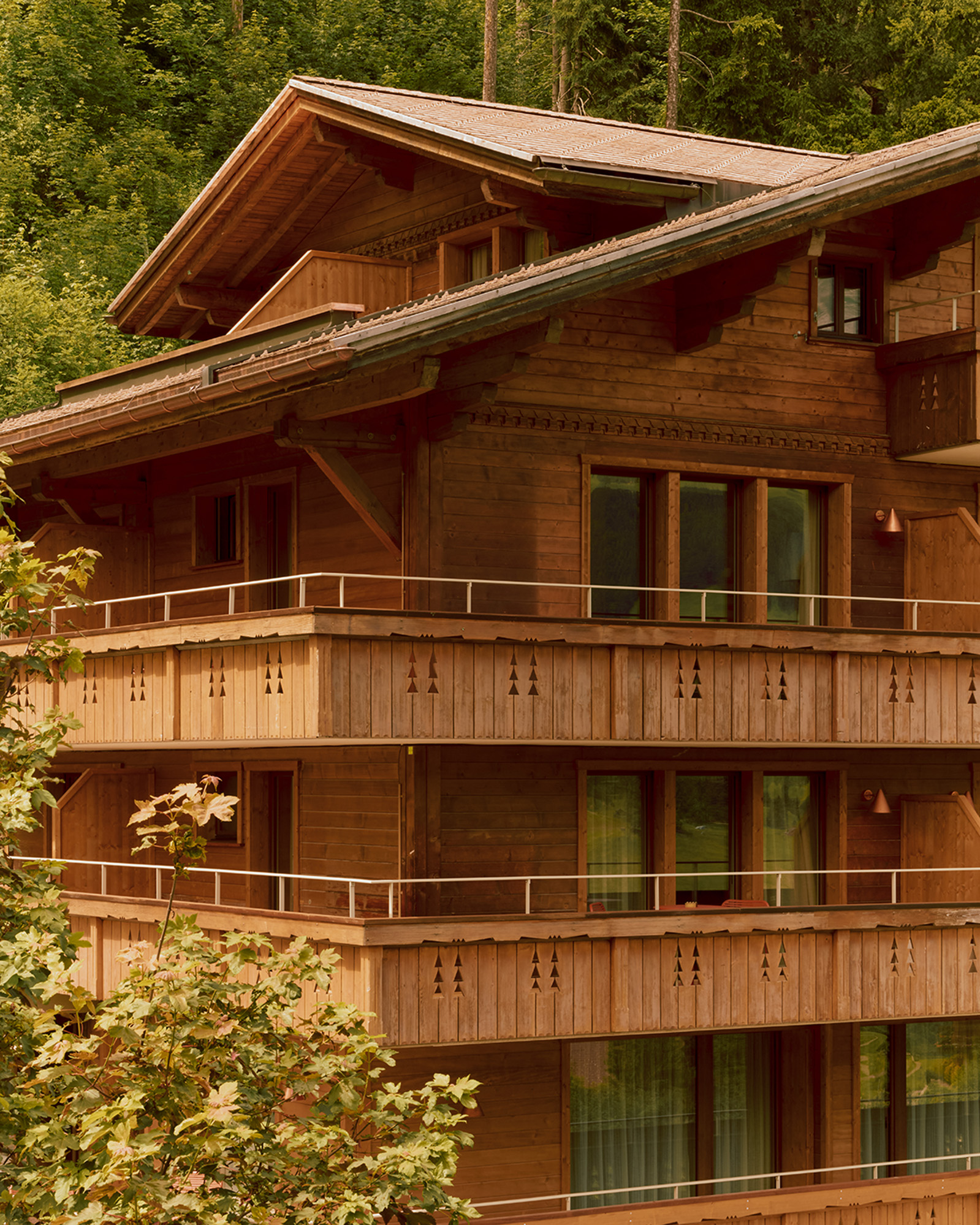
Where Grand Hotel Belvedere feels like a palatial hotel softened by light and air, the Brecon is a kind of modern chalet dreamscape. It’s an adults-only, all-inclusive house on the edge of the village, unintimidating and intimate, with coffered timber ceilings, Welsh slate underfoot, and rooms so quiet you can hear snow melt. “I want people to feel completely relaxed,” Grant told me. “Luxury shouldn’t make you anxious.” His definition of modern Swiss luxury is disarmingly democratic: no upselling, no mini-bar traps, no performative service. Just warmth. Connection. A sense of being held.
The Welsh have a word for that feeling—cwtch—something between a hug and belonging. And it runs through the Brecon like a design principle. The interiors, by Amsterdam-based studio Nicemakers, feel like a home from home, where the lighting is gentle, the furniture tactile, the atmosphere more laid-back house party than hotel lobby. There’s a champagne trolley that knocks on your door at 6 p.m., not to impress you, but simply because it’s nice. The staff remember your name. Strangers eat dinner together.
Grant also sees the climate shift with clear eyes. “I don’t think there is a low season anymore,” he said. “Spring, summer, autumn, they’re just as strong. We had more people in June than in March.” Adelboden’s beauty (lakes, meadows, the turquoise Oeschinensee just a 30-minute drive away) turns out to be as potent in sandals as it is in ski boots.
What links these places, beyond geography, is a shared loosening of the old Alpine script. The new Bernese Oberland isn’t trying to impress by being over the top. It’s impressive by being generous, with design that just feels good: the warmth of pine, the cool weight of stone, the softness of wool, the quiet hush of car-free streets at night. It’s a palette of materials that mirrors the mountains themselves. Notable French designer and entrepreneur Ramdane Touhami, the founder of Parisian art direction agency Art Recherche Industrie, also prodded the area’s evolution. In 2022 in the nearby village of Mürren, he bought and renovated a 19-room cliff-edge hotel from 1907 now called Drei Berge, which opened briefly in 2024 but will reopen this year with a new creative concept.
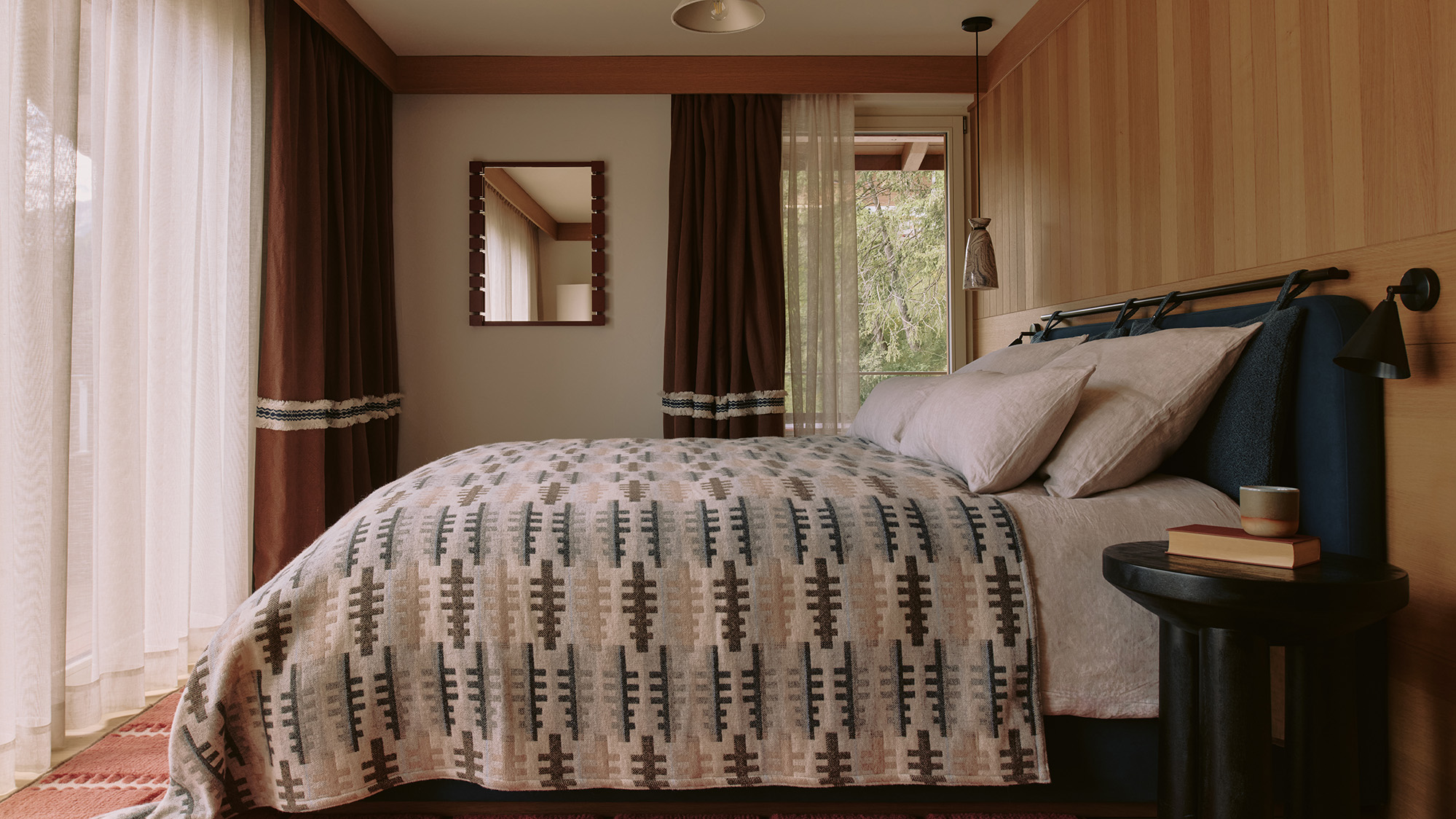
The overriding feeling I take from my visits to the region is the emerging belief that my preferred version of luxury should feel effortless—the kind of comfort that lets you drop your shoulders two inches without realizing it. Hotels aren’t just investing in aesthetics; they’re investing in feelings. With atmosphere, good design, and great cuisine, they’re effectively asking: What does it mean to belong somewhere temporarily, but fully?
On my final morning, the sky over Wengen shifts from blue to amber as the sun lifts behind the Jungfrau. People wander out with coffees, some heading for the trails, others just watching the cliffs. Over in Adelboden, the waterfall at Engstligen spills in its eternal ribbon, and the valley smells like grass and cold water. To me, the Bernese Oberland isn’t just beautiful—it’s calming in a way that feels increasingly rare. And now, through this new generation of Swiss hospitality, the region finally has spaces that match the serenity of its landscape. Places that don’t compete with the mountains, but breathe with them.
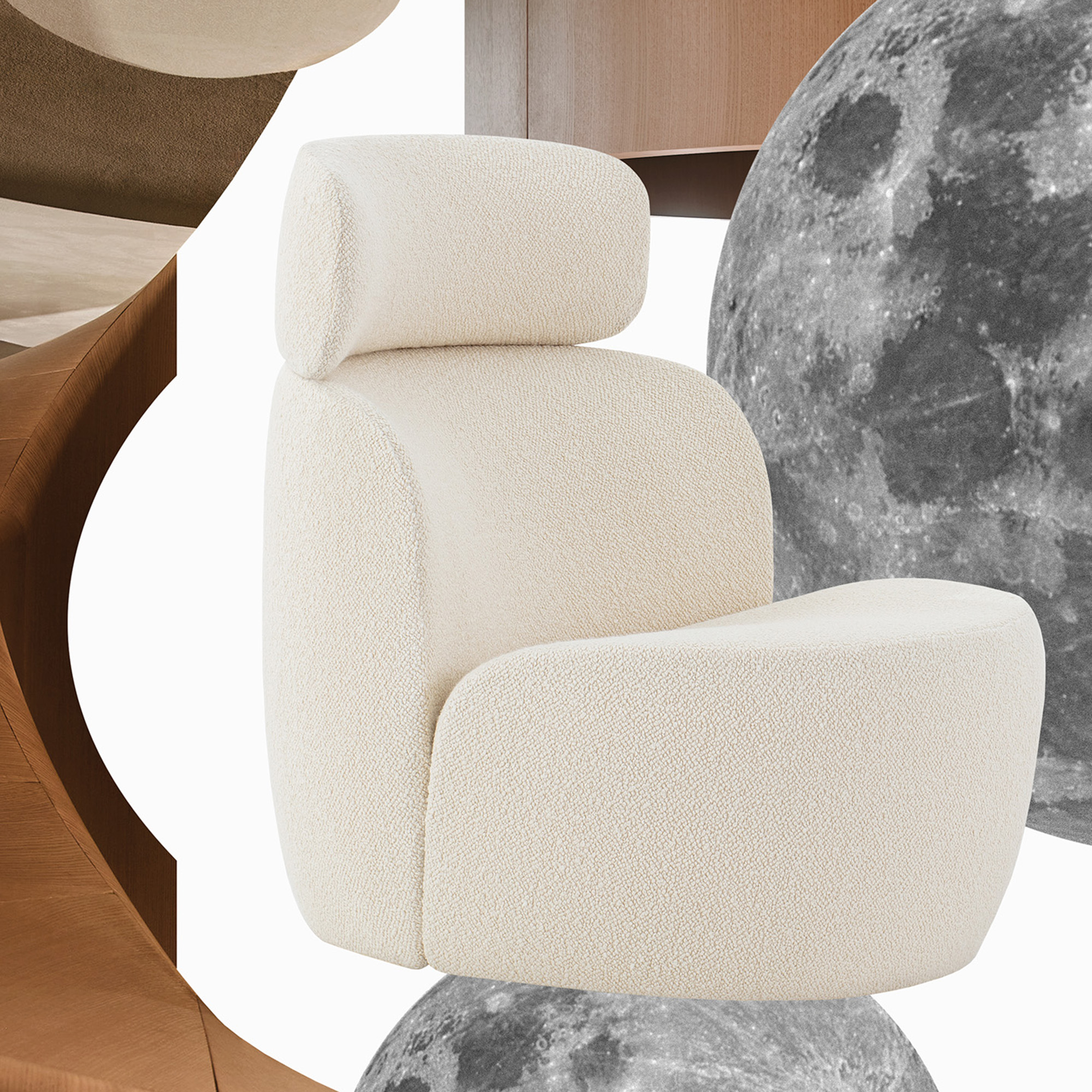
In Milan, we sat down with the brand's Laura Anzani to discuss the family business over coffee, and what it has planned for New York and beyond.
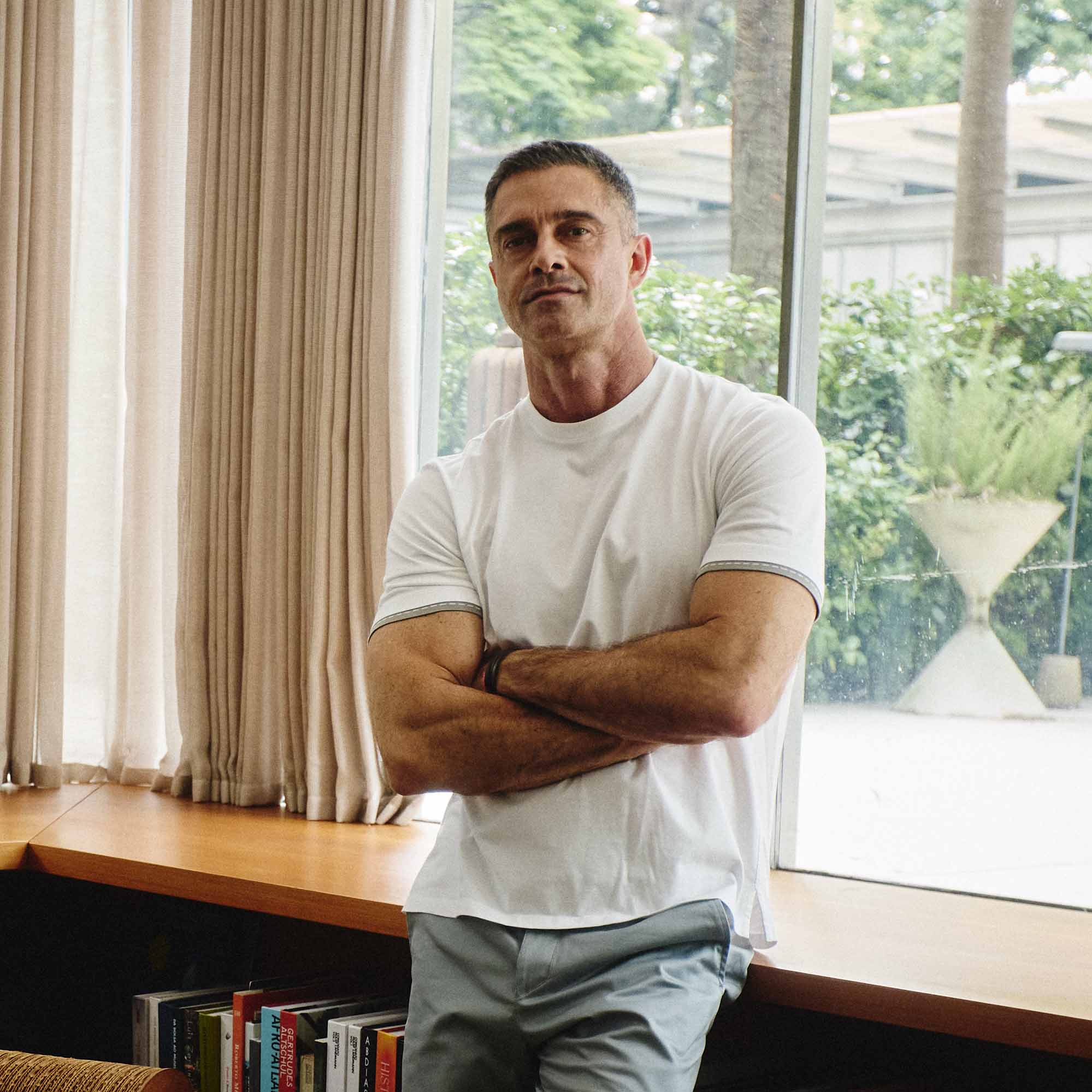
The Brazilian interior designer has quickly risen the ranks of New York design with a vision shaped by his father, the celebrated product designer Oswaldo Mellone, his first job with Robert A.M. Stern, and much more.
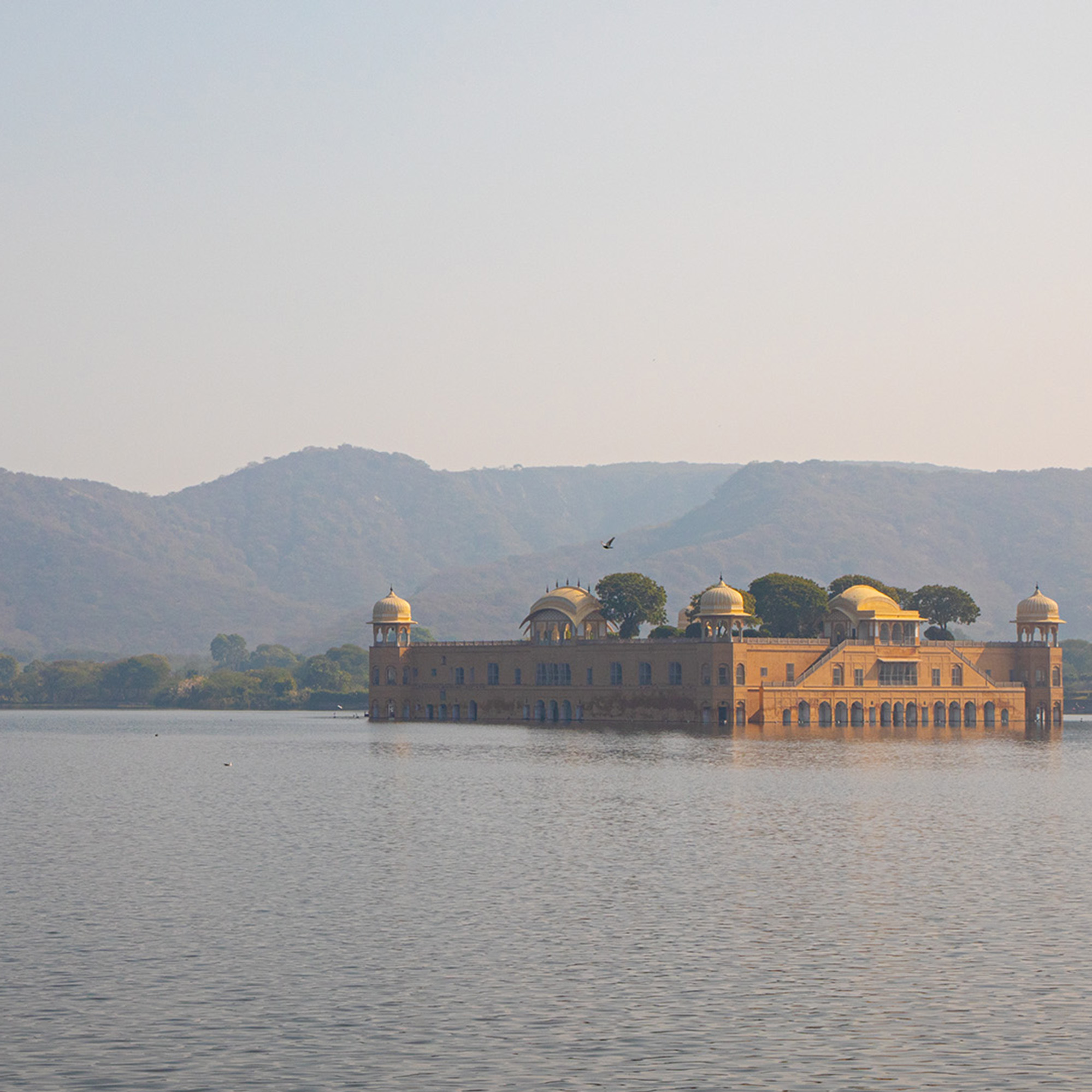
This lavishly photographed tome gives readers a closer look at the colorful and lively destinations and resplendent interiors across the Indian region.