Go Inside the Collection From Poliform That Heralds Design’s Future
In Milan, we sat down with Poliform's Laura Anzani to discuss the family business over coffee, and what it has planned for New York and beyond.

This article is featured in our Fall 2026 print issue, available soon.
Rajasthan, the land of kings, is a treasure trove of history, colors, culture, and architectural marvels. It’s the keeper of royal heritage, vibrant desert culture, and tiger-prowled national parks. Its arid plains and mountains are the ancestral land of the maharajahs, the last Rajput horsemen, and desert tribes.
I still have a fresh memory of when I first landed at Jaipur airport, about 20 years ago; a particular smell, a mix of flower scents and spices, made more intense by the heavy humidity of the night. While on a road trip, I was caught by the vision of five women at sunset, each wearing a different colored sari, carrying clay bricks on their head, statuary in their silhouettes, proudly walking away. I also remember visiting the 16th-century Amber Fort in Jaipur and being stunned by the building’s elegant blend of Hindu and Mughal styles.
The sites, hotels, forts, and gardens of this ancient city, and others in the state, are lavishly documented in a new book, Rajasthan Style (Vendome), by Melissa Biggs Bradley. Bradley, a former travel editor at Town and Country, is the founder of the luxury travel outfit Indagare, known for its mix of top-shelf guided tours created for an educated, connoisseur-level clientele. Rajasthan Style features hundreds of photos by the beloved interiors photographer Guido Taroni.
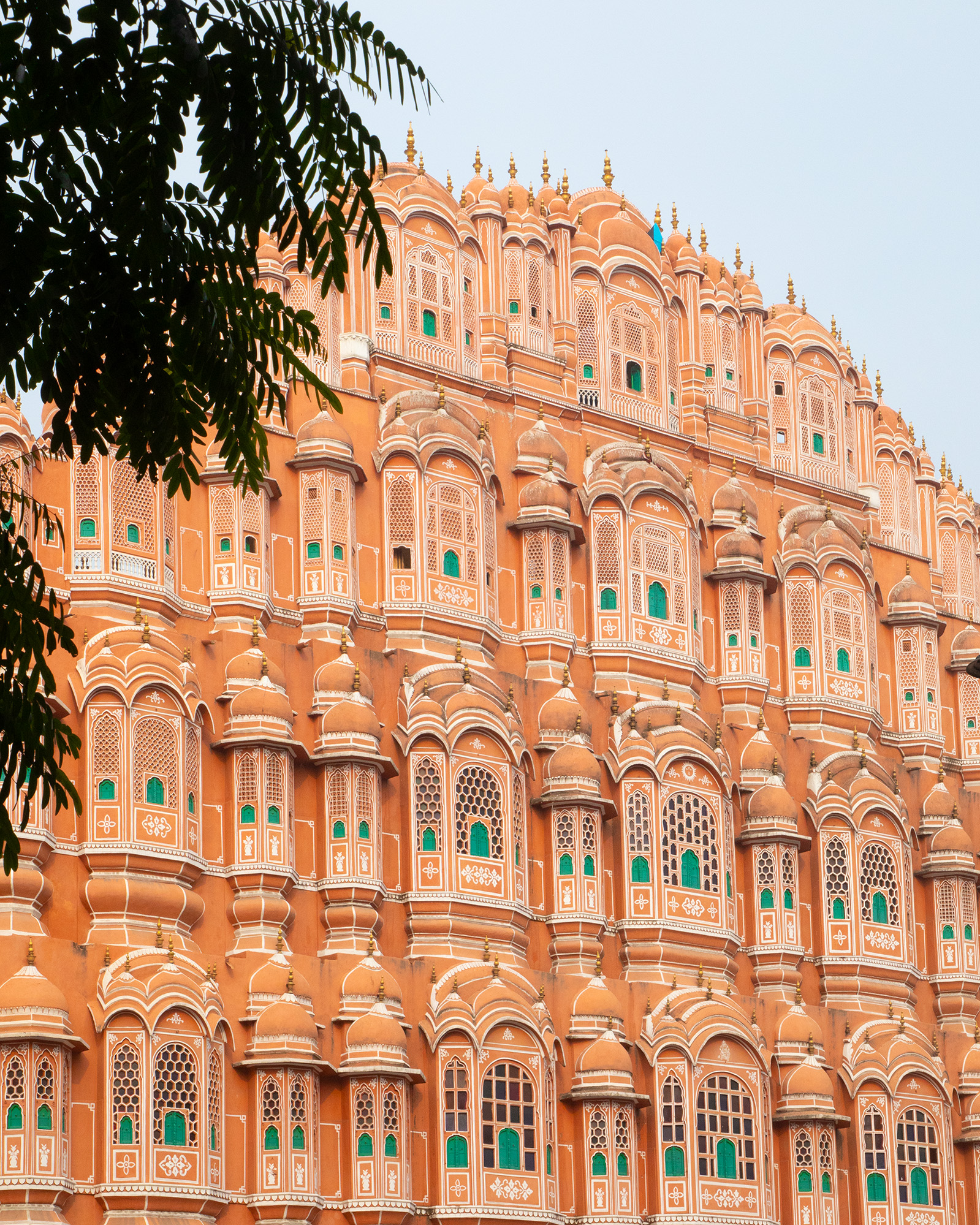
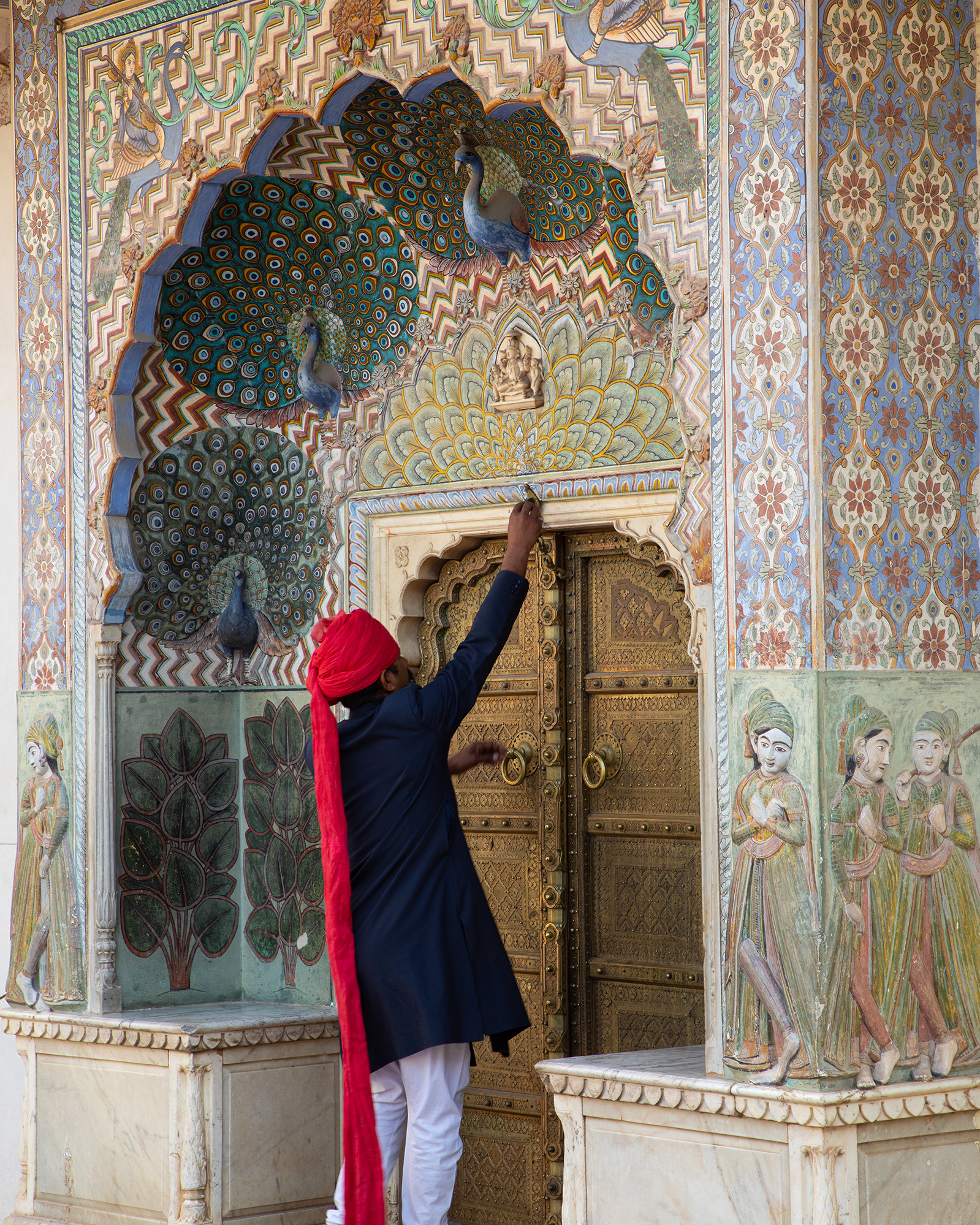
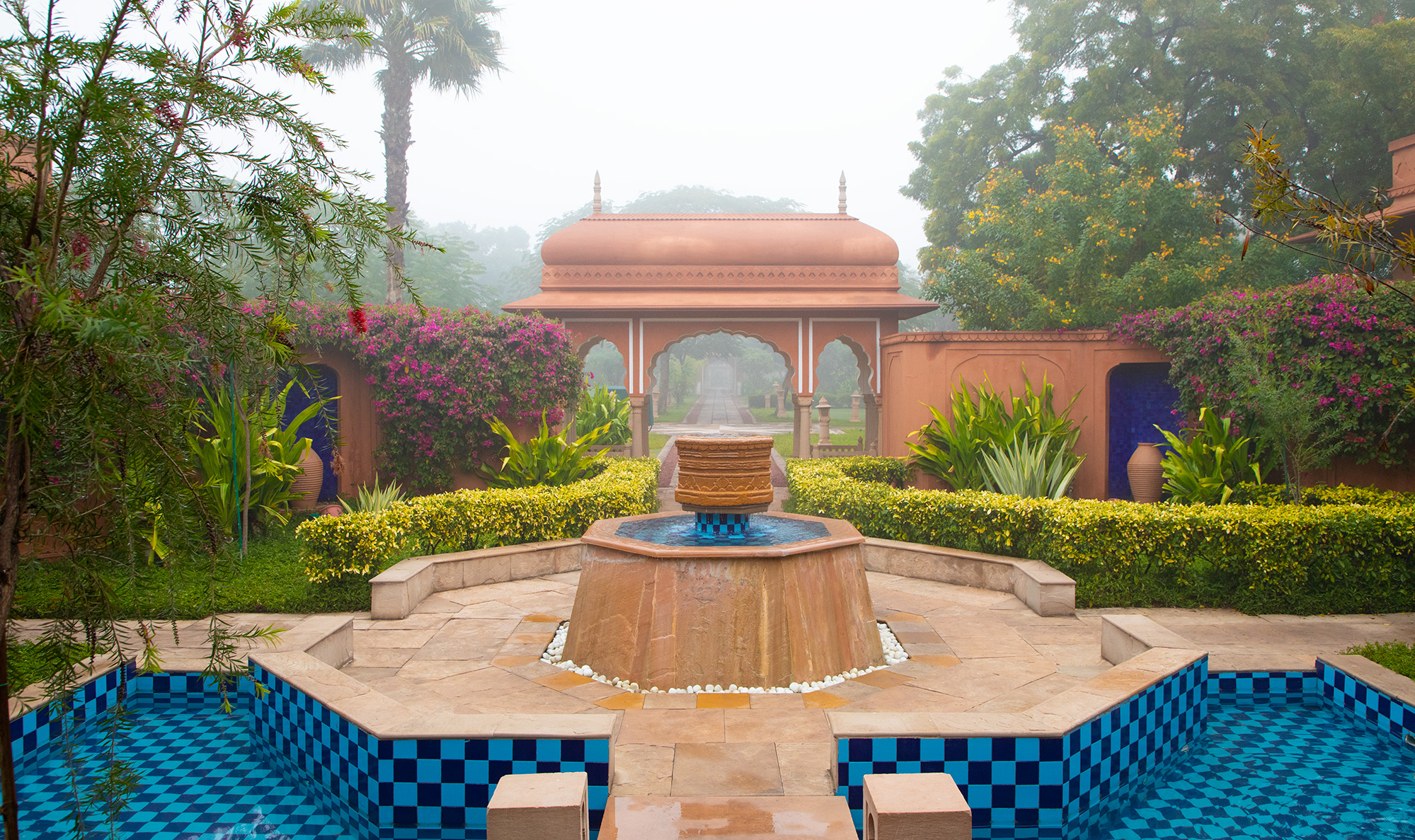
The book does a clever job connecting the culture’s ancient elements to its deeply rooted appreciation of design, the built environment, and the handmade. To that point, one of the many locales shot for the book is Jaipur’s Hawa Mahal—Palace of the Winds—an architectural marvel that allows cool air to flow through its 953 small windows, designed for royal women to observe street festivities without being seen.
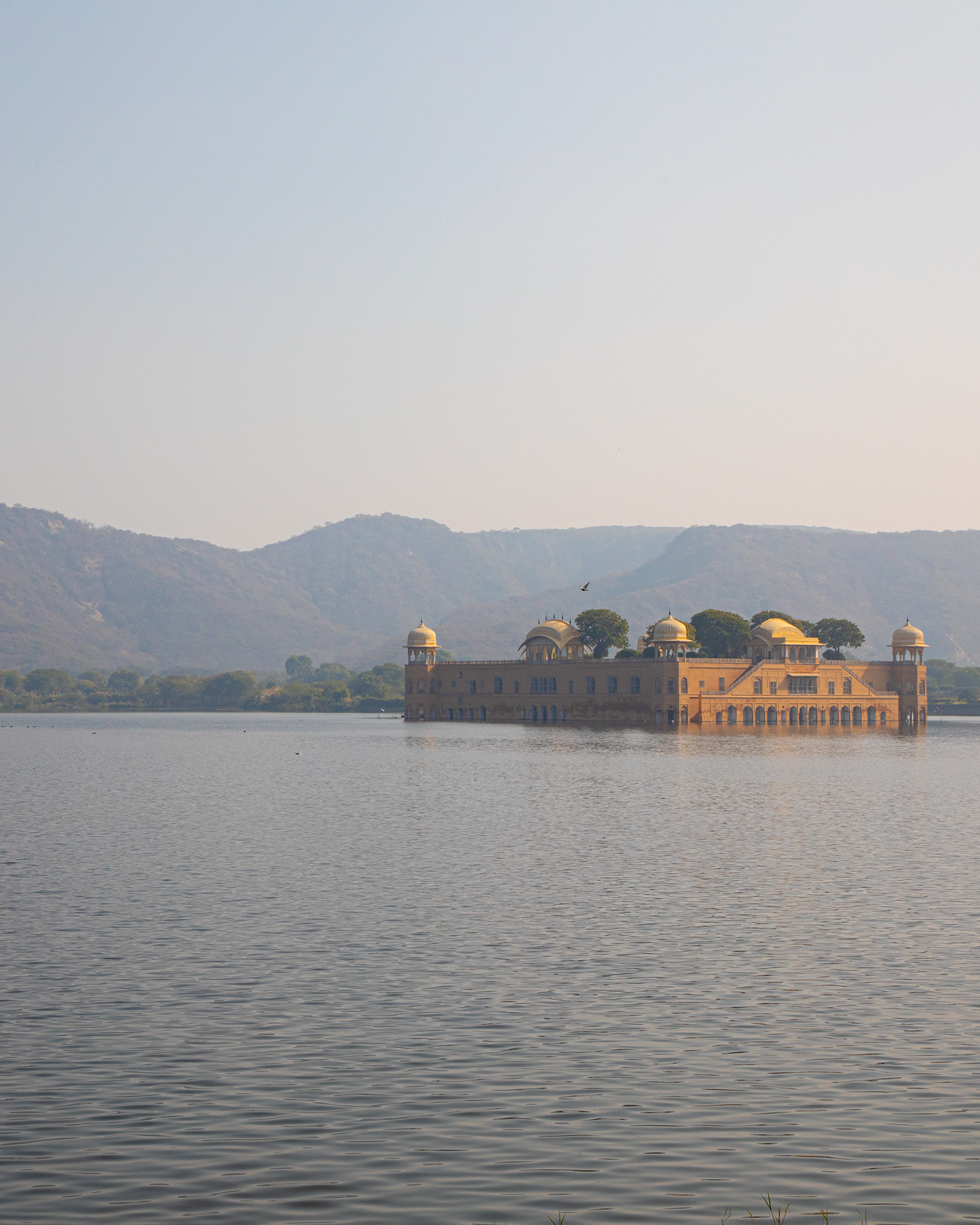
I spoke with Bradley and Taroni about the process of documenting this layered region and the unenviable task of selecting dozens of sites from hundreds of locations, with some of the best of Jaipur specifically shown in the following pages.
What was the concept behind this book?
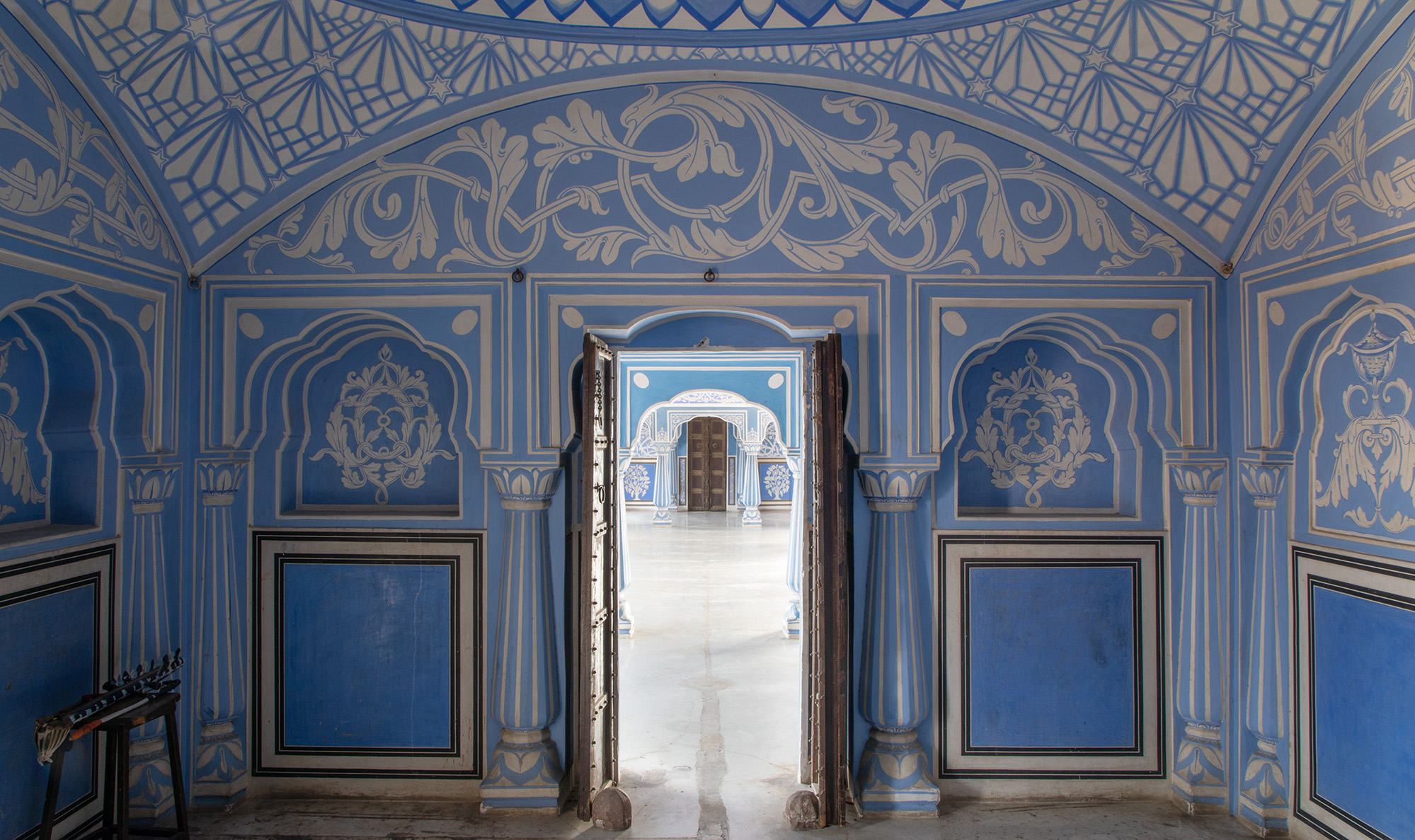
Melissa Biggs Bradley: Often people come to me and say, “I’m intrigued by India, but also afraid of going. Maybe too shocking, the extremes of wealth and poverty…” I think traveling to India transforms people, seeing how everyday spirituality is woven into ritual and into existence and belief. Life in all of its extremes is on parade. The book is about all this. In India the use of colors is striking, and if you go a bit deeper, all colors have meaning and symbolism.
And that’s true with everything. Every pattern is rooted in some kind of a belief, some kind of history, some kind of battle. Anything designed or made by hand is so loaded with meaning. In the layers of the handmade traditions is also a transmission of history and culture, society and mysticism. I wanted to celebrate all things artisanal and handmade while telling the story of some of the most beautiful places. They all make India so special.
Tell me more about that.
MBB: When I think about what India represents for both design lovers and travelers, there are so many life-changing aspects. The traditions and the continuation of a reverence for things made by hand are what captivate people. It captivated me when I first went there, and still does. Because there’s so much soul in what’s made by hand.
Why did you choose Guido for this book?
MBB: I worked on a book on safari in Africa with Guido that was a kind of intersection of travel and design inspiration. And I was very pleased with the outcome. When I started to think about a book on India, with its beauty, its nature, with the preservation and celebration of artisanship, there was no other photographer who could capture all of that. Guido can see as much beauty in an interior as he does on the streets or in the wild. He is able to really appreciate the ultimate expression of beauty in nature and the ultimate expression of beauty by man. I think he has an incredible, universal appreciation and interest and love for beauty in all of its forms.
Guido, what was your reaction when you got the call from Melissa?
Guido Taroni: I was beautifully surprised. Being in Africa for the safari book was one of my best trips, and I knew Melissa would give me similar vibes with this India book. I had never been to India before, so I was very excited to travel there. I was very lucky to visit some of the most beautiful places in such a short time, and I didn’t get bored at all, because every place I photographed was so different. I tried to capture the best of what I saw. You can say there’s a sort of competition among the properties and the hotels Melissa chose, a healthy competition, because everybody there tried to offer me the best experience. I loved the relationship I had with the people there, everyone was so helpful and warm. I ended up shooting a lot, and a bit of everything, from the hotel interiors, of course, to the surrounding nature, the cities. It was a fantastic experience. A trip to India really changes you.
MBB: Guido didn’t have much time to photograph all of what we’d planned—he was a traveler too, with a limited amount of time. I have this image of him going around the region with camera in hand and eyes looking all around him. In the book there’s an individual perspective on beauty, from a wide-eyed visitor angle, soaking up everything he could in a short period of time.
You must have so much material! How was your editing process?
GT: Ahh, this is such a good point. I usually have a clear idea of what I like in my photography. I was a bit worried that being asked to photograph only hotels would be reductive, so I went my own way and took pictures of so many other things, too. I came back with so many more images. The editor and the graphic designer suggested doing several books with all the pictures: one on hotels, one on gardens, one on bathrooms, one on wilderness, one on architecture. Melissa and I pushed the boundaries and agreed to have a mix of everything.
India is so inspiring… How did you narrow it all down to one volume?
MBB: What helped us with the editing was the starting idea of the book as a celebration of Indian design, an inspiration for anyone planning a trip there. We had all these destinations lined up in Rajasthan and picked the very best hotels in all of them, to give a good sense of each. I also wanted to give a good sense of the region, which I think helped us with the editing.
GT: I completely agree. There were so many pictures we didn’t want to lose. The graphic designer had this idea of having some pages with a lot of pictures on them. But at the same time we didn’t want to lose the power of some of the photos by featuring them small.
What were the things you wanted to cover most, if any?
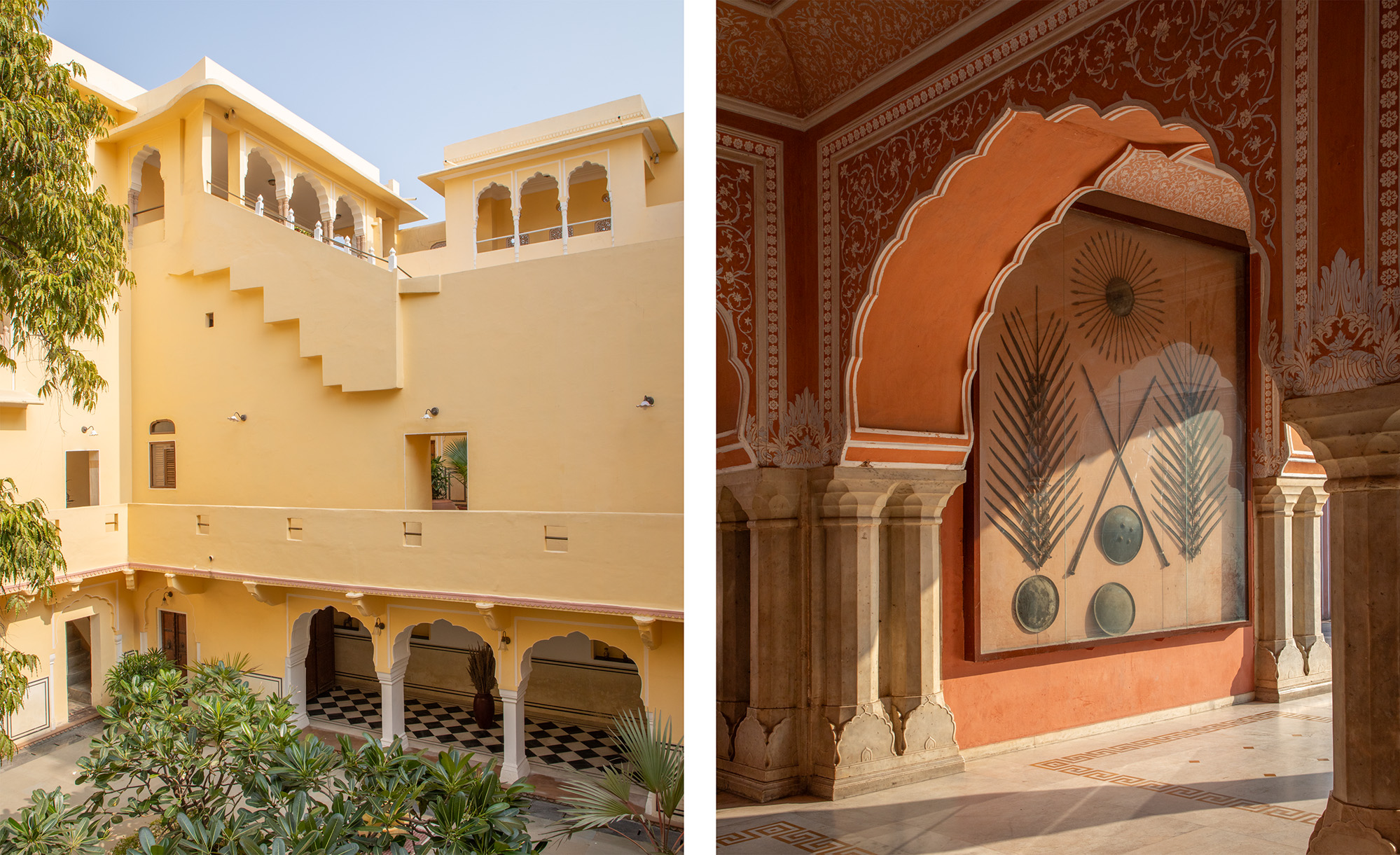
MBB: Guido, what do you want to say? I mean, it’s impossible to say, because I think, again, in each of the places, there is so much majesty. You know, Guido was able to go to Ranthambore and shoot tigers, which is not in the grand history of things, but the tented-camp tradition is, again, a different kind of magic. But all of the palaces, from the Mehrangarh Fort in Jodhpur and the City Palace in Udaipur to the City Palace and Amber Fort in Jaipur, just the levels of detail that are in all of those from a decoration point of view. And it’s just the layering that is so exquisite. I think we tried to get all of it.
Melissa, how did you choose the hotels to shoot?
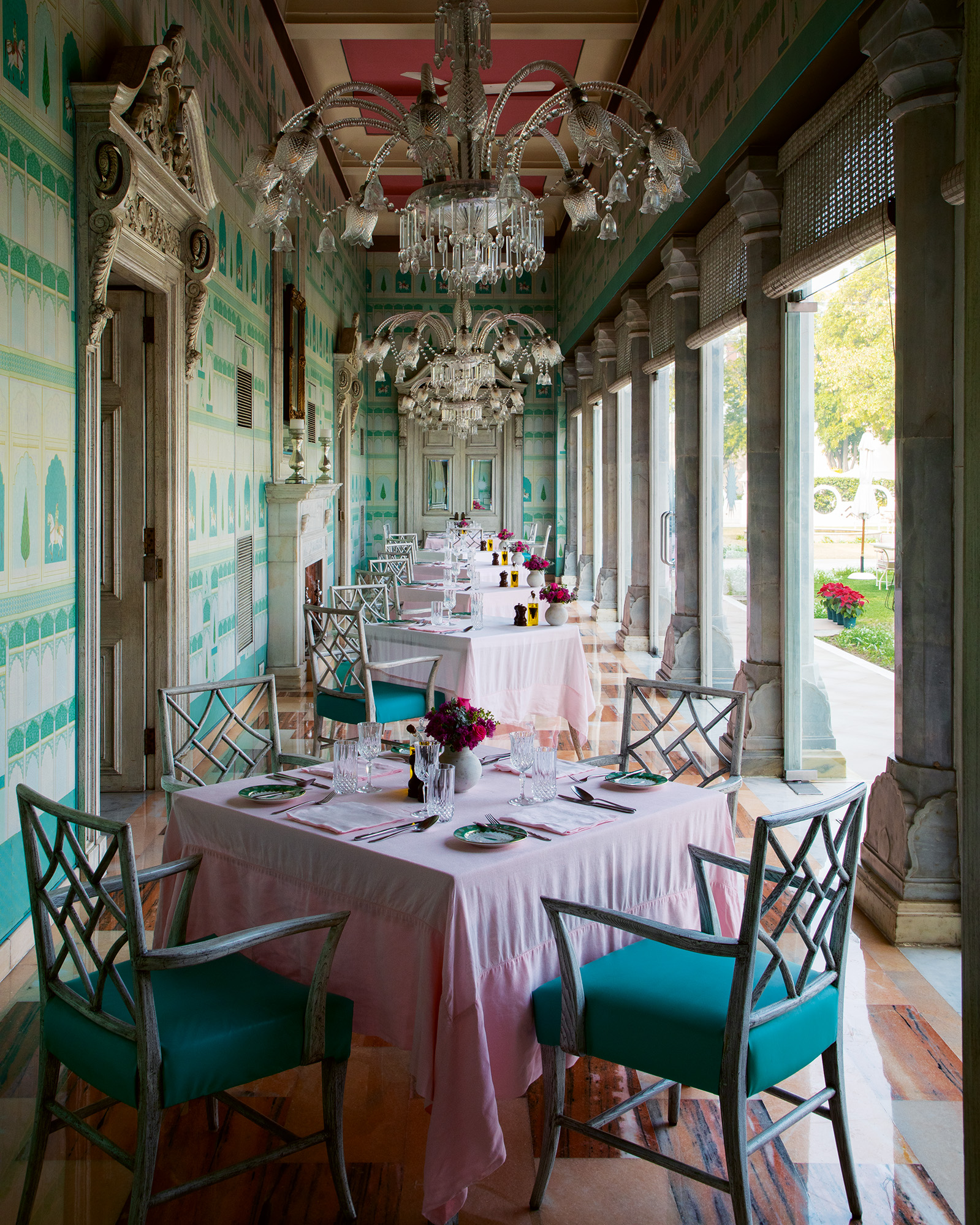
MBB: It was hard. But again, it goes back to what we were trying to do with the book, which was for somebody who hasn’t been to Rajasthan before. I feel very strongly that when you are in Rajasthan, as much as the princely cities are fantastic, you have to visit Jaipur, but then Jodhpur is amazing too, and so is Jaisalmer. All these places are wonderful. I had to answer this question: What is the experience that is going to be fully immersive, that makes that destination truly unique? I tried to choose hotels that capture the essence of each city they are in. For instance, Udaipur is a city that’s about water, different from the rest of Rajasthan. So I felt we had to feature the Lake Palace hotel and the Oberoi Udaivilas, which are both on water. Although they’re two very different expressions of the same city. I also included the Oberoi Amarvilas in Agra, which has rooms overlooking the Taj Mahal, which is not technically in Rajasthan. But most people who are going to northern India want to see the Taj Mahal. I do feel that if someone used the book to plan a trip to Rajasthan, they would have an incredible experience. Also, those same themes about spirituality and mysticism, the use of color and the role of rituals are recurrent in each of these places. So I was really trying to figure out what I’d tell someone who came to me and said, “Where should I go?”
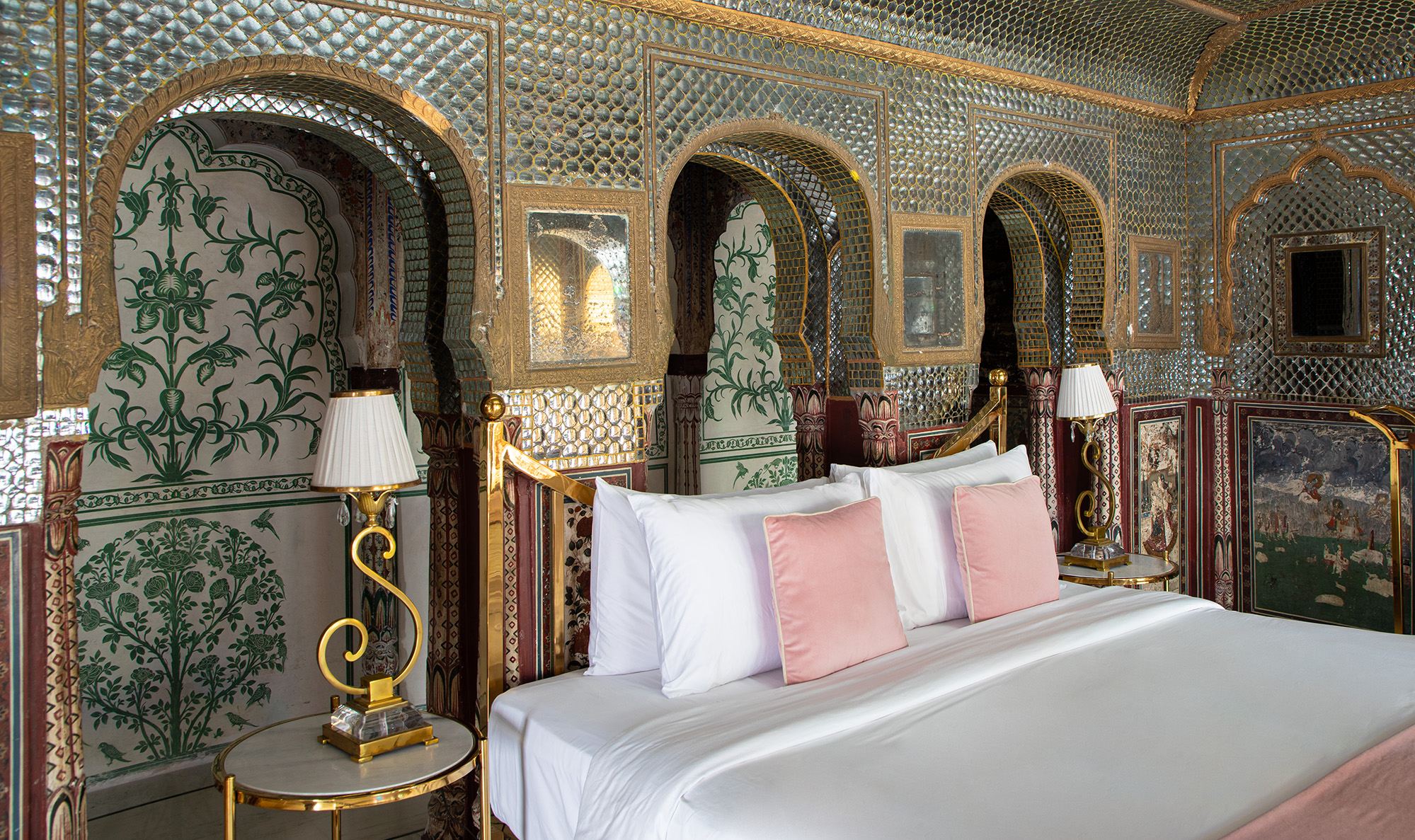
Melissa, in your introduction, you mention your first time in Rajasthan was in 1999, staying at the Umaid Bhawan Palace, the 1930 Indo Deco–style hotel. What do you keep from that experience?
MBB: Yes, it was my first trip to India. I woke up in that hotel and I felt like I was in another world. It was like a fairy tale to have peacocks on the lawn and birds flying inside this ornate, grand Art Deco kind of confection. And seeing men in turbans! It truly felt like I was in a different realm. No matter how many times I have been back, I still have that feeling that I’m not in the real world, there’s still magic in everything.
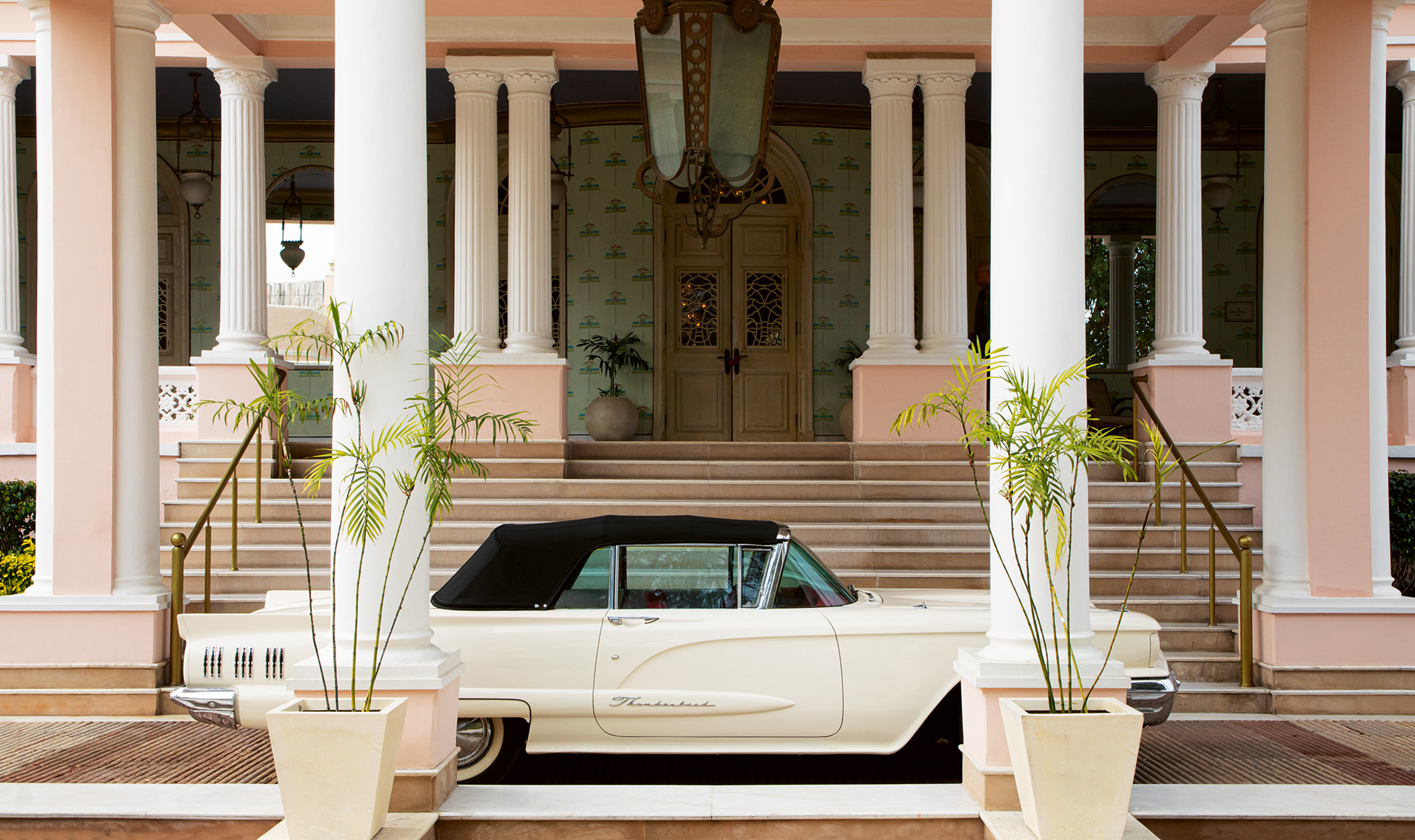
Guido, what was your first impression when you arrived in India?
GT: I remember well the heat, the humidity, the different smells, the traffic. It was a lot to take in, from the very first moment! I was looking out of the taxi window and I was shocked by that intense traffic and the constant honking, it was everywhere. And at the same time I was very excited, I started to feel the energy, observing everyone on their mobile phones, crossing streets unaware of cars and buses, entire families on mopeds, beggars, and animals everywhere, cows roaming free in the streets. I mean, it was fascinating to see all this, bad or not bad that may be, it’s all so far from the way we live here in the West. I immediately knew I would be immersed in a gripping new world where I could spend a lifetime probably just going around and discovering things. As Melissa was saying, everything is so different from our culture, and you can’t help but be intrigued. That is really moving.
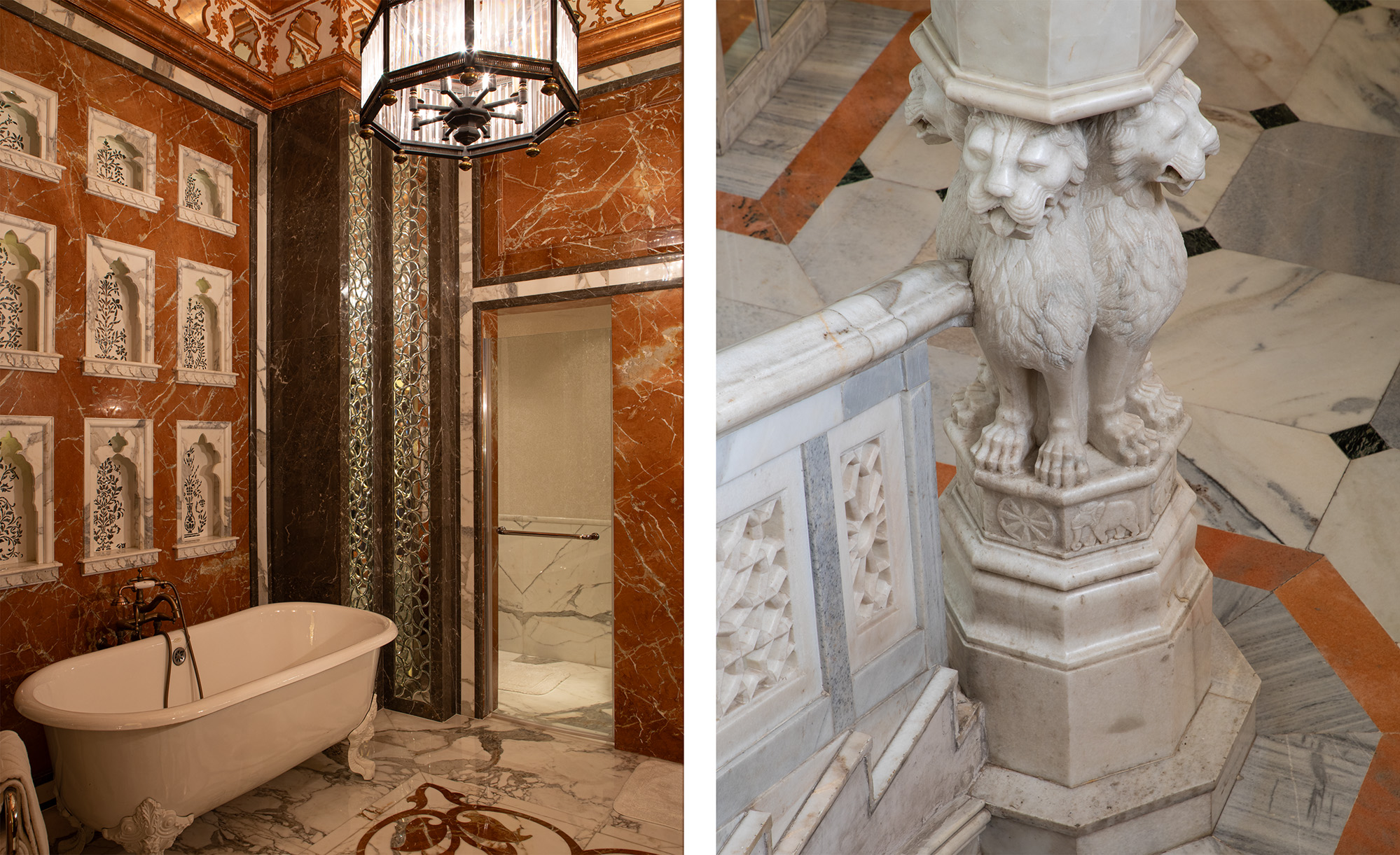
Beauty is in the details in India, I suppose. Guido, you did capture the many different styles of the palaces you photographed. Were you more enchanted by the most ornate and decorated ones or the more modern Indo-Deco?
GT: It’s difficult to say. Generally I was impressed by the power of the colors and the recurring decorative elements everywhere in the palaces, even if they are from different decades. Their traditions are still so relevant that they’re often reinvented.
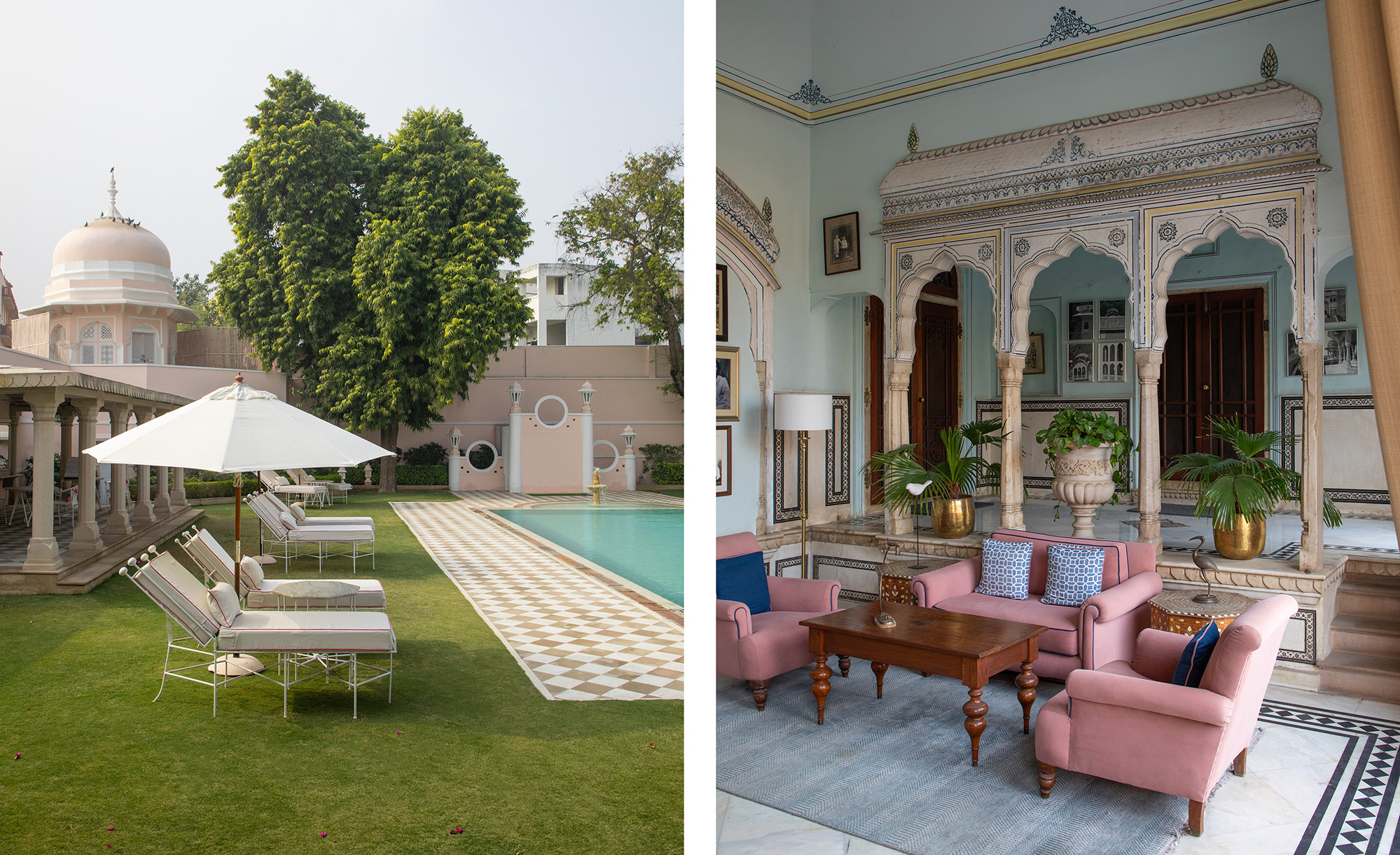
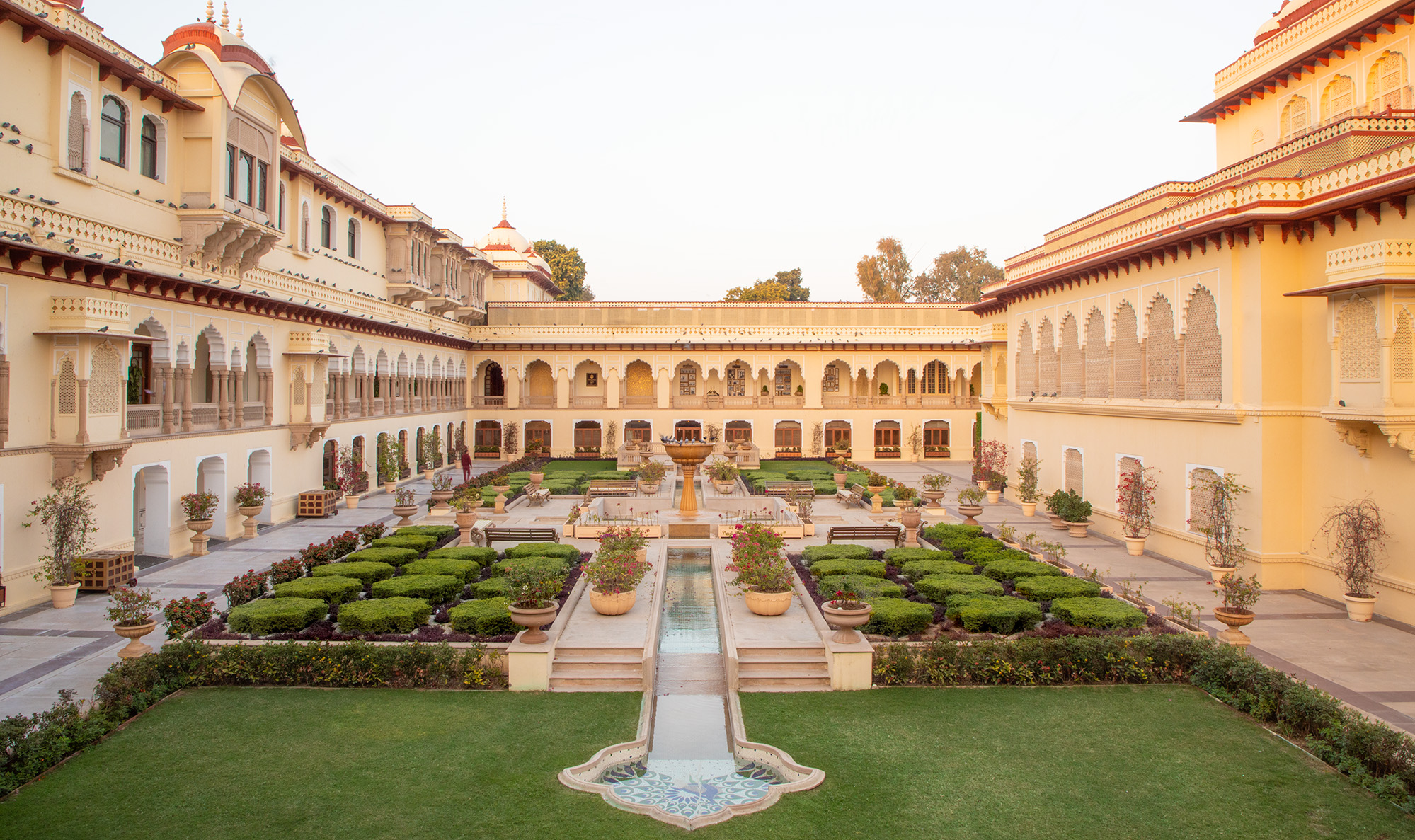
MBB: Yes, so true! For example, Umaid Bhawan Palace, built in the 1930s Indo-Deco style, still has so much of this old traditional Indian style woven into it. Or Rajmahal Palace, which the royal family inhabited in the 1950s and 60s, with Jackie Kennedy and her sister staying there as guests, was recently renovated by the founder of Good Earth. All these moments of modernization, yet all rooted in the past. Guido is right, as you travel around Rajasthan, there are a lot of people who are still innovating, but they’re always with their feet in the foundations of what great Indian palace and temple design is. And they’re riffing off of that.
And what about the newly built places? I have noticed that even in contemporary spaces, so much of the past still feels present. I mean, we all have traveled around the world, but I don’t think there’s anywhere else where you have all that.
MBB: You are totally right. Even there, I think it’s so incredible the way history informs the present, and it’s all part of one thing in such a beautiful way.
Guido, I am sure you had a lot of interesting moments with your camera in hand. Can you tell me a memorable one?
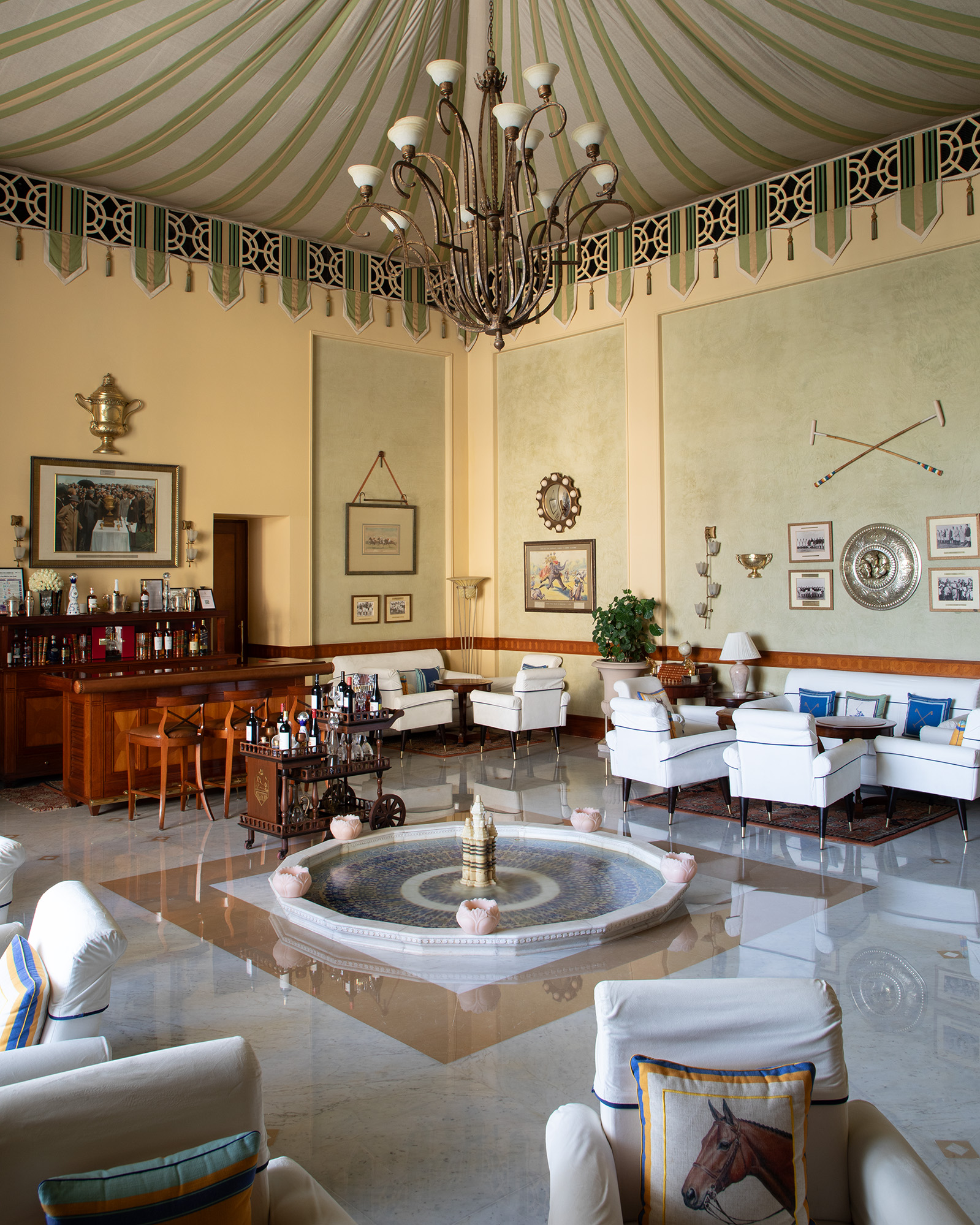
GT: I have a good one! I was asked to photograph the current Maharajah of Jodhpur at Umaid Bhawan Palace. He still lives in a wing of that palace. The shoot was supposed to happen one morning, but he only turned up in the middle of the afternoon that day. After I heard he was in his chosen room—I was so excited to enter the private apartments—I still had to wait for another hour and a half. And when he was ready, I was given five minutes with him. I found him sitting in a low big chair, with all the windows closed and no natural light. I really wanted to take the best picture, so I found courage and asked him to stand up and open all the windows. To my surprise, he did what I asked, and I took his picture in no time.
Did the picture make it into the book?
GT: Yes. He is there, photographed under the portrait of one of his ancestors, wearing a beautiful turban. The expression is so intense! I was very emotional when I saw the picture published. If I hadn’t been brave enough to ask, I probably wouldn’t have the picture at all. That says a lot about photography. It’s all about moments.
Do you have a favorite among the hotels you photographed?
GT: Allora, I’m thinking. Chanoud Garh is one of my favorites, since I had the experience of a beautiful home, rather than a hotel. It felt like being a guest of the family. I enjoyed looking at the beautiful archives of old books and family photographs. The palace is next to a small village and I walked there, to explore real life, the temples, people making flower corollas, children playing in the streets.
Melissa, what about you?
MBB: I loved staying at Sujan, the tented camp. There I saw the Asian leopards. You see, in that whole region the big cat is still worshipped as a vehicle for one of the goddesses. I took a walk with one of the Rabari tribesmen through the fields surrounding the camp, up to a temple. We went through a village that had this incredible Art Deco architecture. To my surprise, I was able to walk through the fields and up to the temple for a ceremony, all having to do with the cats. It was just a revelation. It was a reminder of how much of Rajasthan is still unexplored. I also love Rambagh Palace in Jaipur, where I feel like the ghosts of the past are still very present. But I truly love every single one of the properties that are in the book.
What is your most memorable visual memory from Rajasthan?
MBB: I mean, for me, it could be one of those big Indian trucks painted with unbelievable colors and decorations of spirits and symbols of protection. It’s both the everyday and the eternal at the same moment. When you, Gianluca, told me about your memory of those ladies carrying bricks in colorful saris, I believe there’s a majesty of the female form in that beautiful sari, and also the reality that they are making a living. And so to me, it’s this constant tension between what is most eternal about human existence
and what is most basic and real to the everyday, the mundane, and how those two things are woven together. It is to me the magic of India and the beauty in it.
Is there an image that’s now become your memory of Rajasthan, Guido?
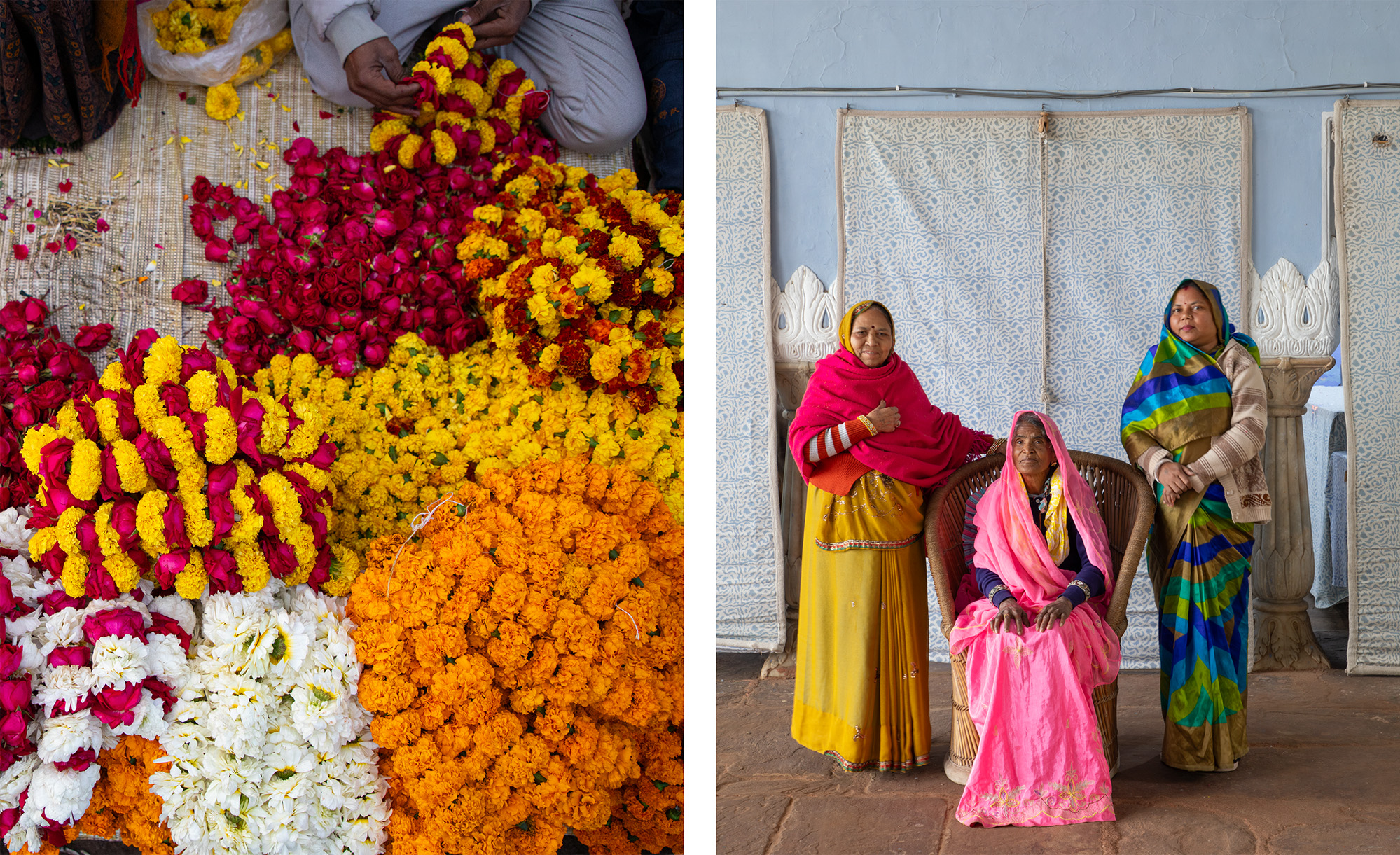
GT: Well, I’m generally very attracted to colors. And Rajasthan was a constant feast for my eyes. I still remember getting lost in a market
because I was so taken by the different colors of the fruits, the flower arrangements, the clothes and fabrics… Again, the combination of beauty within the simplicity of a market. I’ve never seen something so beautiful and perfect in an everyday thing. I also found it incredibly touching watching the rituals, celebrations, and activities in the temples. That is really fascinating, to see people giving food to their gods and goddesses. They speak to them, they dress them, they touch, they put oil, they bring flowers, they respect cows. All these rituals, and colors, really enter your soul and they stay with you and they change you.
Now I really want to go back to India…
MBB: That’s exactly what we want, to inspire you, and we’re hoping to do the same for our readers.
In Milan, we sat down with Poliform's Laura Anzani to discuss the family business over coffee, and what it has planned for New York and beyond.
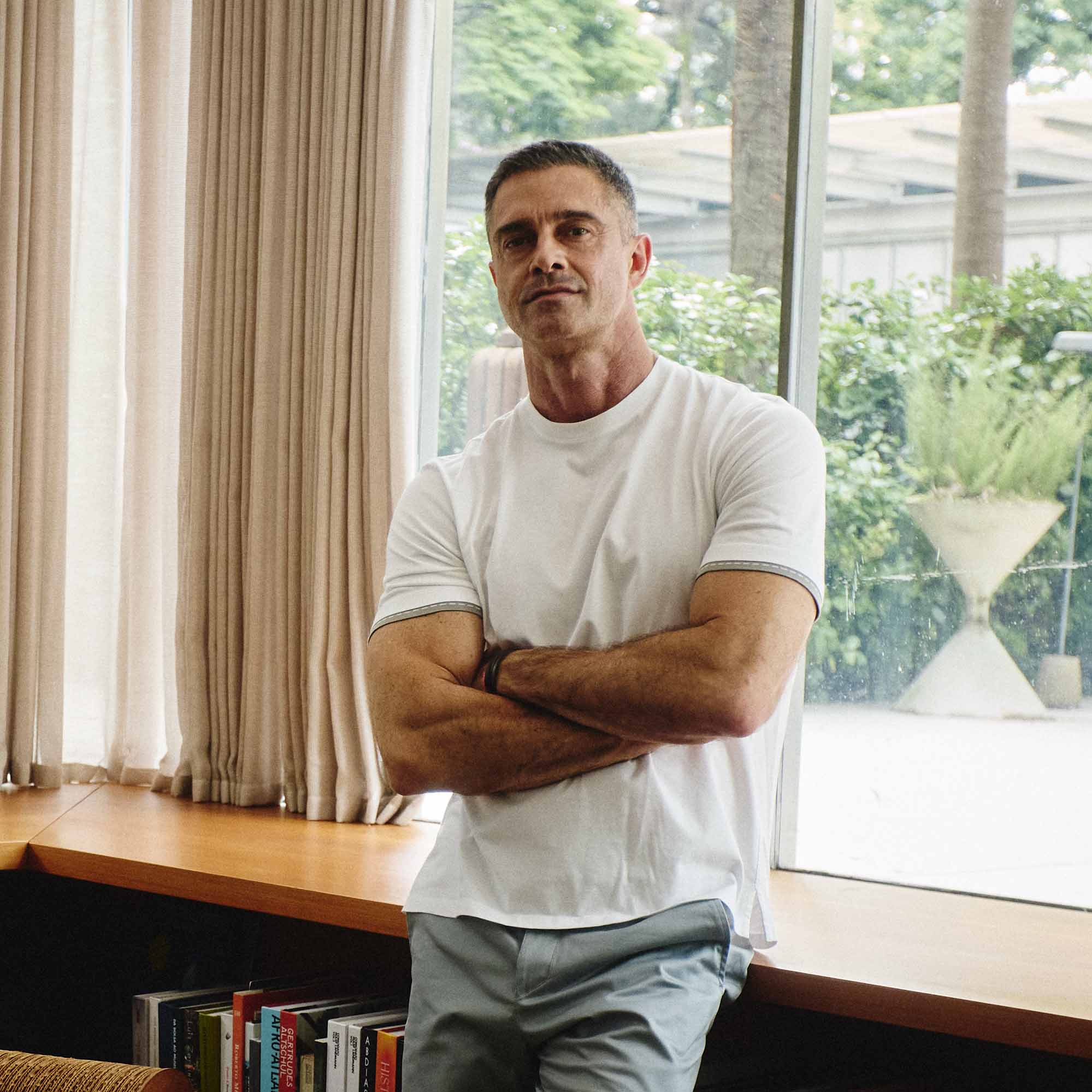
The Brazilian interior designer has quickly risen the ranks of New York design with a vision shaped by his father, the celebrated product designer Oswaldo Mellone, his first job with Robert A.M. Stern, and much more.
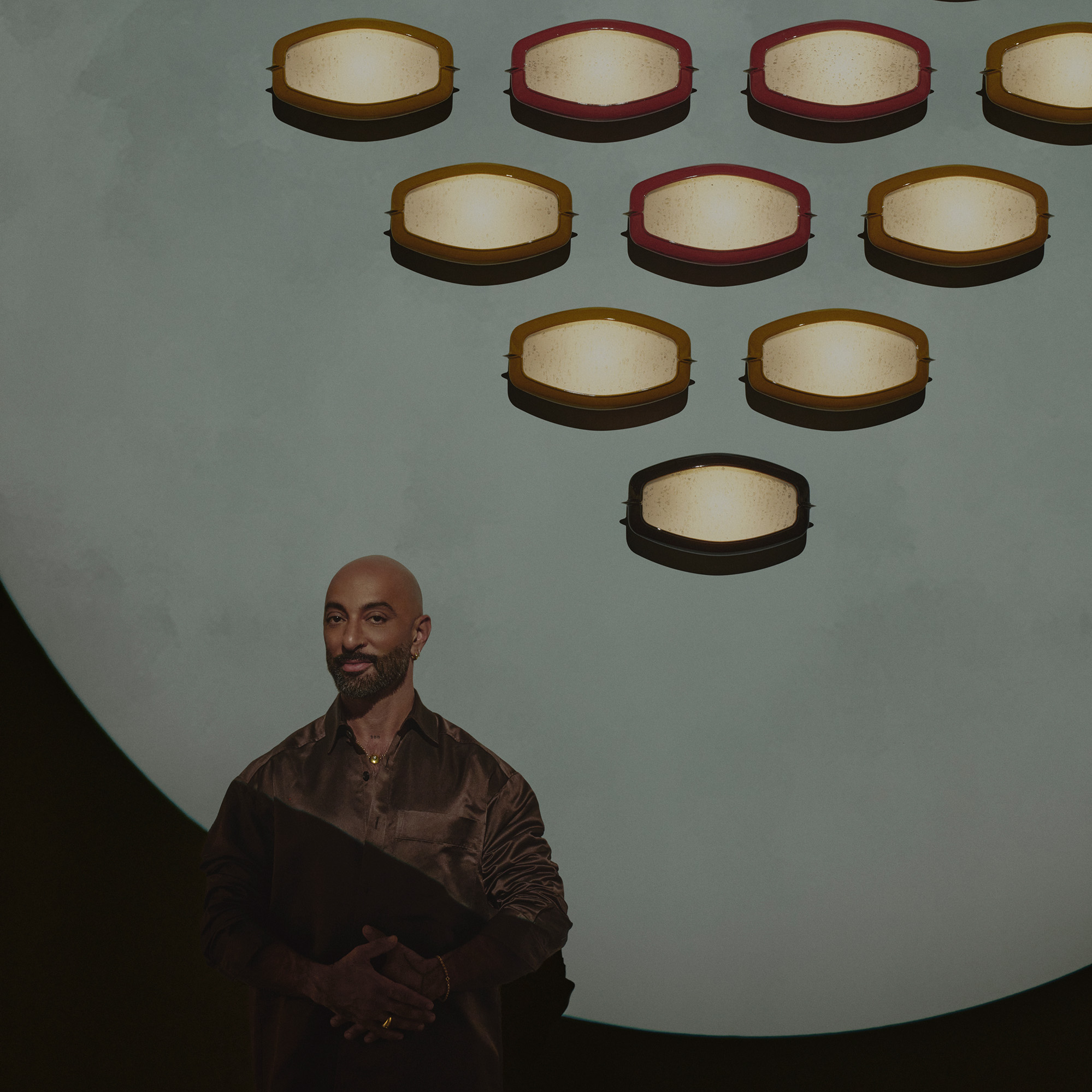
The studio’s first collection in five years looks to ancient fables for inspiration—and experiments with a new lineup of materials.