Piero Lissoni: The Humanistic Approach
The architect's signature has helped to define Italian design today. As the former artistic director of B&B Italia, he guided the brand into a new era of innovation and boundary-pushing style.

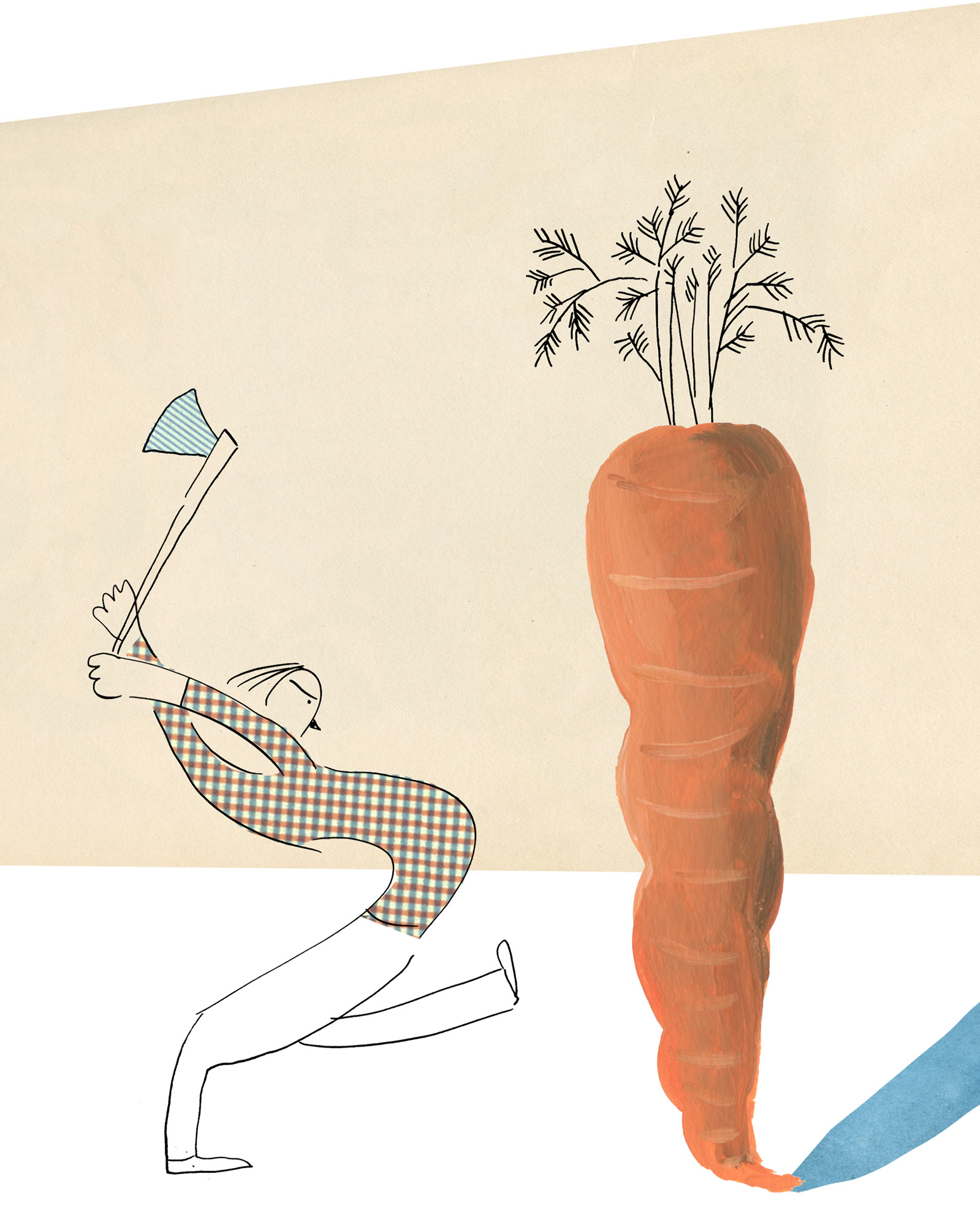
I’ve been an avid home cook for more than 20 years. While I’ve splurged on organic produce, trolled many a farmers’ market, and always hosted the most lavish dinner parties I could afford, I found that I could only get so far with my 10,000 hours. My culinary Achilles’ heel was not my aptitude for tablescaping, nor my assortment of copper pans, but my knife skills. I can chop a stalk of celery just fine, but the ability to perfectly dice an onion or julienne a carrot has always eluded me. But does that matter?
The storied culinary school Le Cordon Bleu makes the case for a resounding yes with a seven-volume cookbook by Phaidon. Founded in Paris in 1895, the school and its skills-based approach remain the ne plus ultra of culinary institutions. Marthe Distel, a French journalist and publisher, started the school to promote her magazine La Cuisinière Cordon Bleu by staging chef demonstrations that would bring recipes off the page. Now the school has over 35 locations in 20 countries and teaches both aspiring chefs and home cooks alike. It includes several courses of study that range in commitment from over a year, such as the Grand Diplôme, to workshops that last just a few hours.
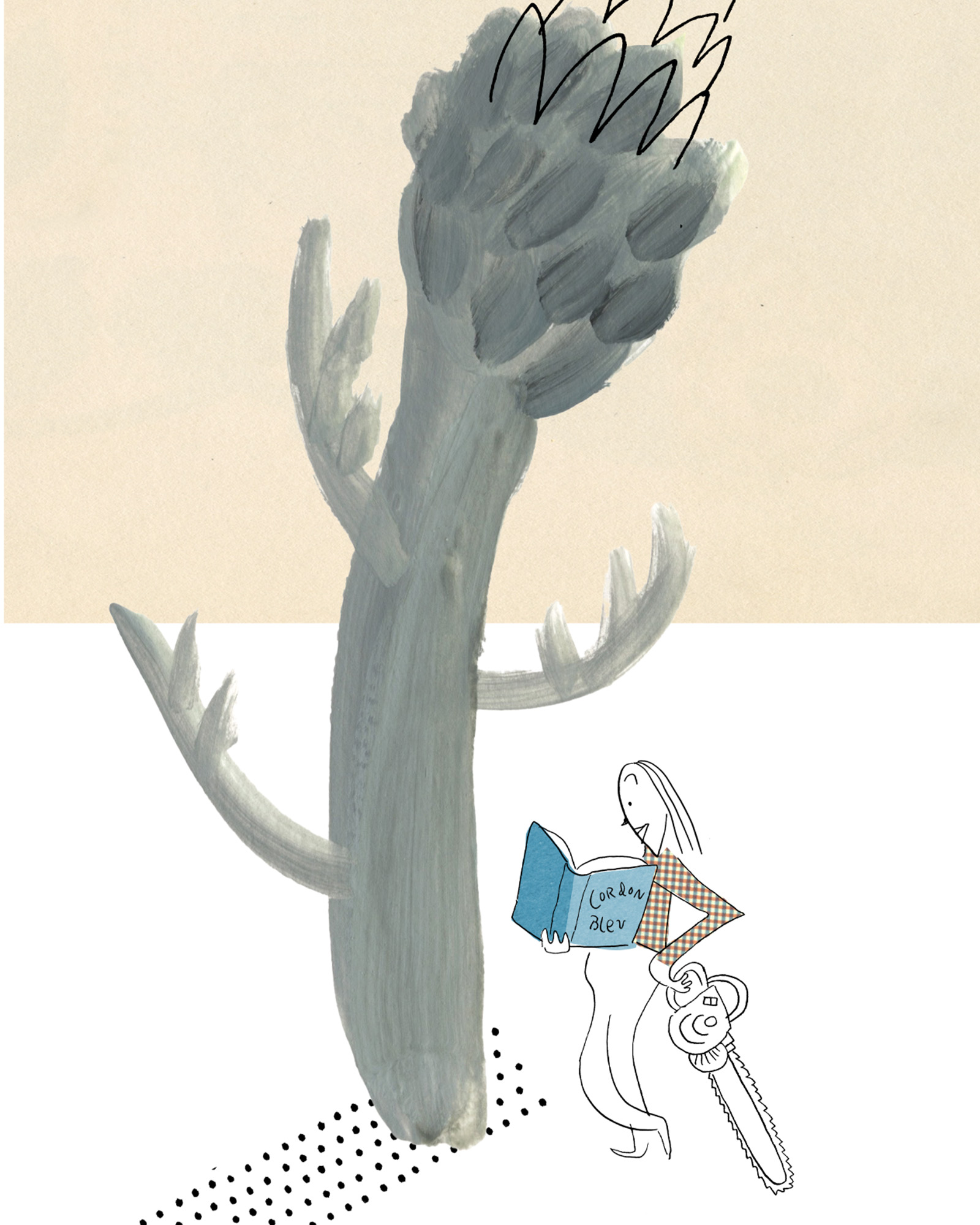
“Fundamentals are the basis for success,” says Emil Minev, a chef and teacher at Le Cordon Bleu London and one of its culinary arts directors. “Without an understanding of basic techniques, a chef lacks the confidence to be creative. Technique is the language of the kitchen; recipes and dishes are the stories that come from them. You can’t write a story without understanding the language you are writing in.” The series is centered around techniques like braising, roasting, and sautéing, tying them to specific recipes, like artichaut à la barigoule or carciofi alla romana. Instead of a home cook diving straight into a recipe that calls for “4 trimmed artichokes,” it breaks down the method step-by-step with photographs, leading to fewer blind spots and building confidence. The idea is that one shouldn’t be discouraged from conquering a recipe if a technique is unfamiliar.
Each book also progresses from simple preparations to more difficult ones, all with the domestic kitchen in mind. “We know that people don’t have sous vide machines at home. We’re not calling for any elaborate equipment,” Minev told me. Although the school was founded in France, the series takes a global approach, including 773 techniques and recipes from around the world, like beef pho from Vietnam, za’atar waffles with labneh from the Levant region, and aguachiles from Mexico.
I asked Minev which of these skills a person should start with. “Knife skills, without question. Chopping, dicing, filleting, and more are key fundamentals for every recipe, for every chef,” he said. In one volume, there are over 200 pages on just the preparation of vegetables. Recalling some of my own recent frustrations in the kitchen, maybe this is what I needed to improve my parsley chiffonade. The next question I had for Minev was how. “Sharpen your knives and buy a kilo of carrots and potatoes and get to work,” he said. As a nervous knife sharpener, I put my husband to work sharpening every knife in our block and headed out to buy the goods. I went with carrots, as Minev suggested, onions, because I’ve always found them the most challenging, and basil, as I use a lot of herbs in my cooking. I worked my way through the step-by-step instructions for julienne, brunoise, and chiffonade.
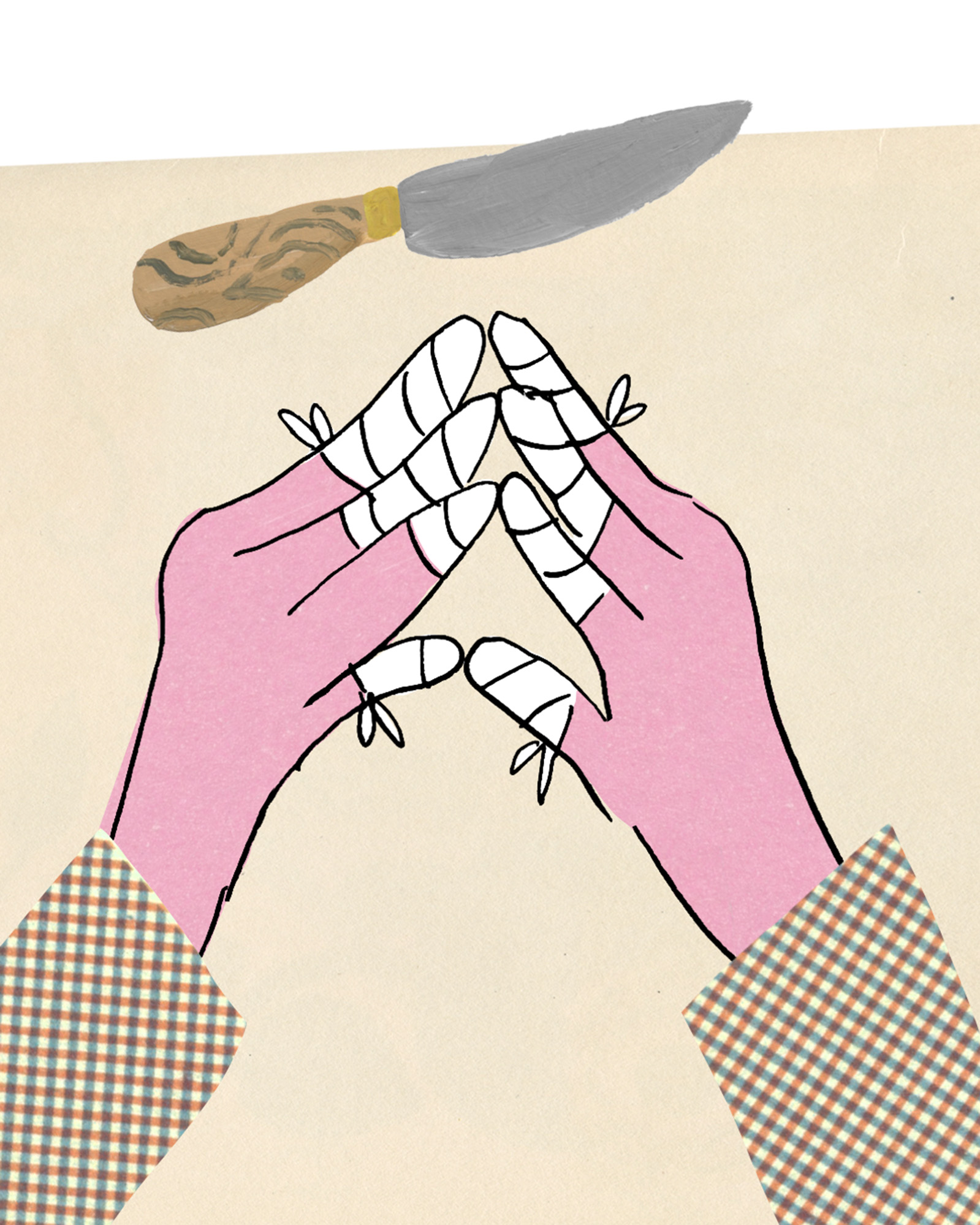
Unsurprisingly, this wasn’t easy. After taking half an hour to get through satisfactorily julienneing one of each vegetable, I was tired and impatient. As I had suspected, developing knife skills takes time—a lot of it—and that’s why I’d put it off for years. I had my way to get my slaws, salads, and chimichurri together, and they weren’t perfect, but I was okay with that. I also learned that I’d been holding my knife incorrectly. A chef’s knife should be held with the thumb and index finger on the blade just above the handle, with the rest of your fingers wrapping around the handle. If I was pursuing a Cordon Bleu education, there would be 10 to 15 hours of hands-on instruction around knife skills and an additional 30 to 50 hours of practice. Not that I thought my afternoon in the kitchen brunoise-ing was going to get me where my perfectionist self wanted to be, but I made less progress than I wanted. This was going to be a years-long journey. Now I at least truly knew what a proper julienne and chiffonade looked like, and I could hold my knife correctly.
A classroom at Le Cordon Bleu—as well as my kitchen—is isolated and removed from the constraints of real-world situations like a packed restaurant or a group of hungry party guests. I was curious to see how these skills translated, or how important they were in the outside world, as compared with quality ingredients. I spoke to two chefs, Eric Ripert of the Michelin three-starred Le Bernardin in New York and Max Rocha of the acclaimed Café Cecilia in London. “Great ingredients are essential,” Ripert told me, “but if you do not know how to handle them properly, you cannot fully express their potential. Every ingredient requires a different approach. You do not cook a potato the same way you cook an artichoke, and you do not treat fish the same way you would a piece of meat. Technique allows a chef to respect the ingredient, preserve its integrity, and highlight its natural qualities.”
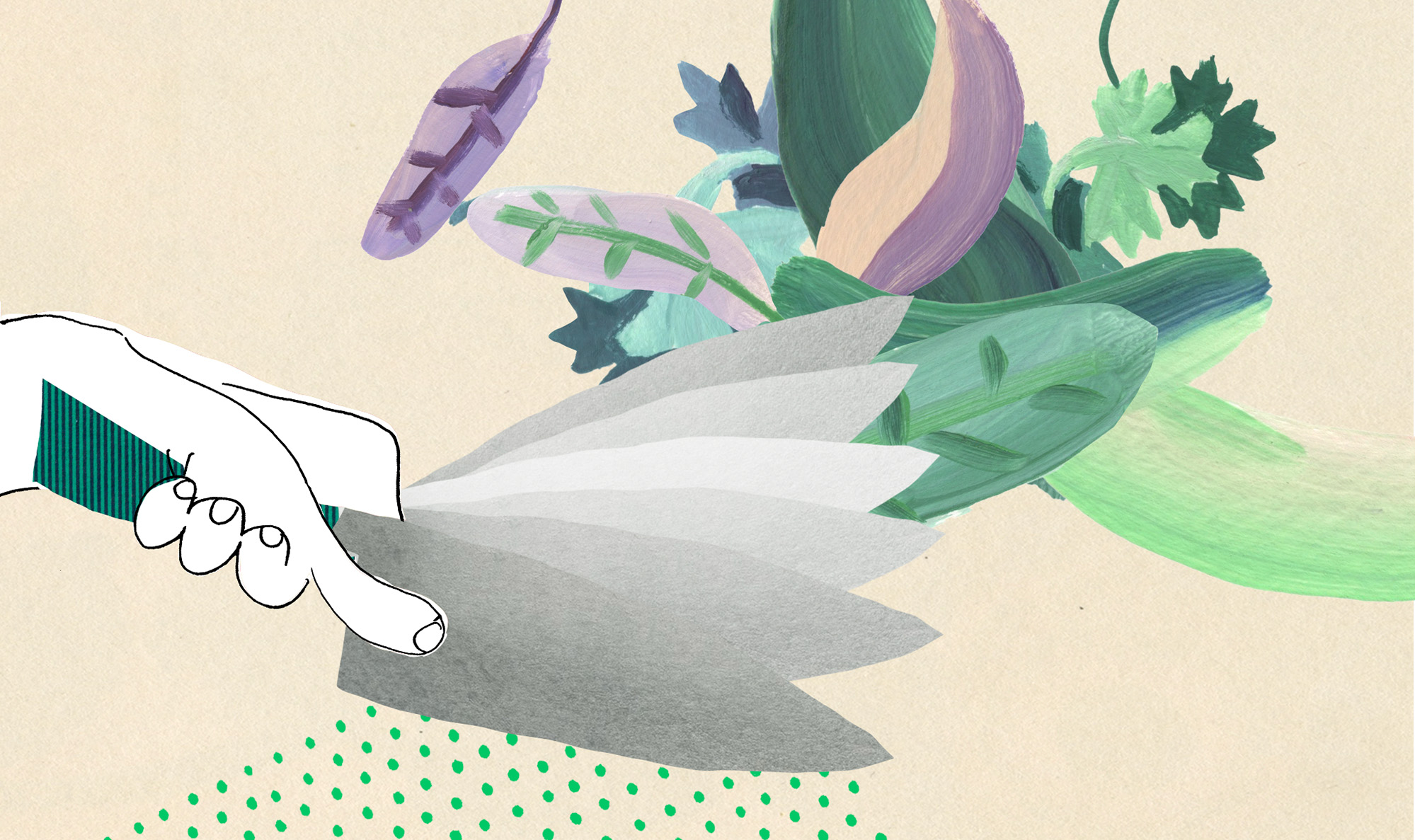
Rocha’s views are a little different. “It depends on the restaurant,” he said. “The more ‘fine-dining’ you go, the more things are done to the ingredients, making proper technique important so mistakes don’t lead to wasted food. On the more casual end, it’s simpler and won’t require too many techniques beyond the basics, but if you don’t know how to correctly debone a sea bass and a recipe calls for it, you won’t be able to make that recipe, period.” Both can agree on the technique they look for most in a young chef: knife skills. “They reveal a great deal about a young cook’s training and discipline,” Ripert said. “Good knife skills demonstrate precision, efficiency, and respect for the craft.”
After my afternoon crash course in knife skills, I knew I wouldn’t be working at Le Bernardin anytime soon, but the next time I’m in Paris, I might register for a workshop on making sauces and jus. I think Le Cordon Bleu will always be there.

The architect's signature has helped to define Italian design today. As the former artistic director of B&B Italia, he guided the brand into a new era of innovation and boundary-pushing style.

Long overlooked by the art world, the capital of Belgium is emerging as a design-driven mecca for art and culture, thanks in part to the latest outpost of the Centre Pompidou.

With more than 100 objects spanning architecture, fashion, and furniture, Charlene Prempeh’s exhibition maps a global, nuanced picture of Black design—and invites others to keep the story going.