Go Inside the Collection From Poliform That Heralds Design’s Future
In Milan, we sat down with the brand's Laura Anzani to discuss the family business over coffee, and what it has planned for New York and beyond.

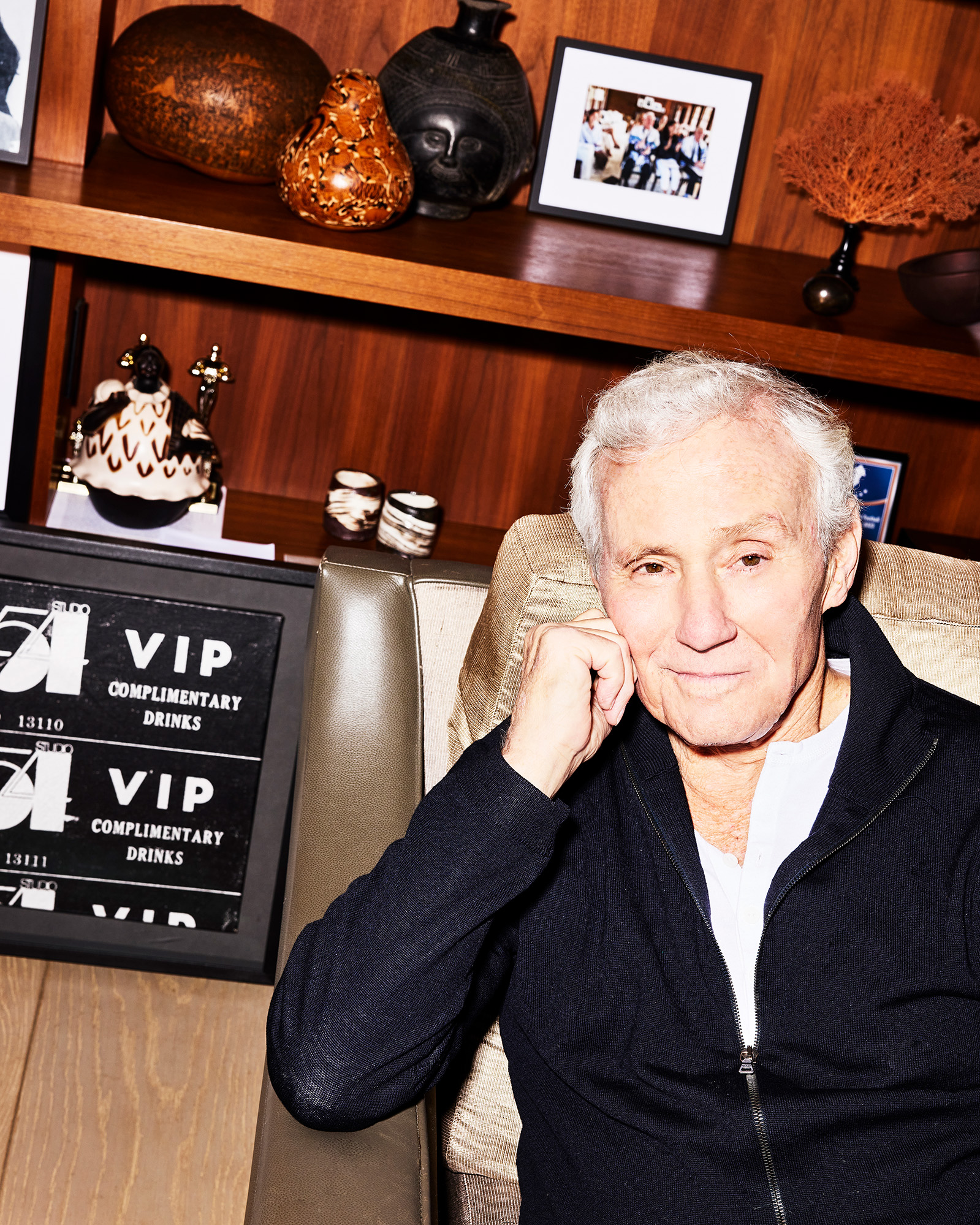
Few individuals have had the impact on the hotel industry like Ian Schrager. On this episode, Dan speaks with the native New Yorker on his life before launching the legendary Studio 54, how working in nightlife spurred him to creating hotels, the birth of the boutique hotel, what his very own hotel, the Public, means to him, his latest West Hollywood outpost for the brand, his concept of “luxury for all,” and more.
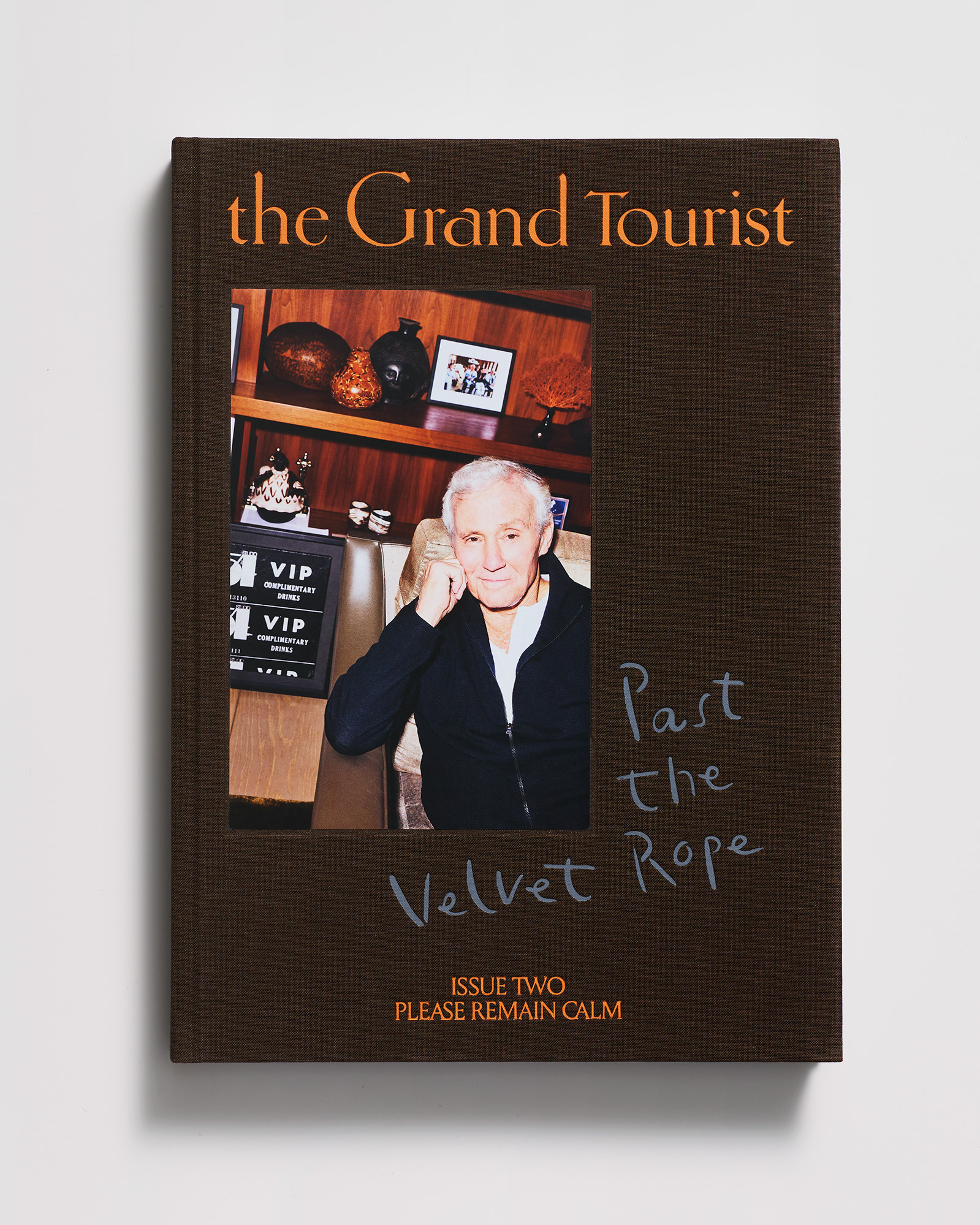
This article is featured in our Spring 2026 print issue, available now.
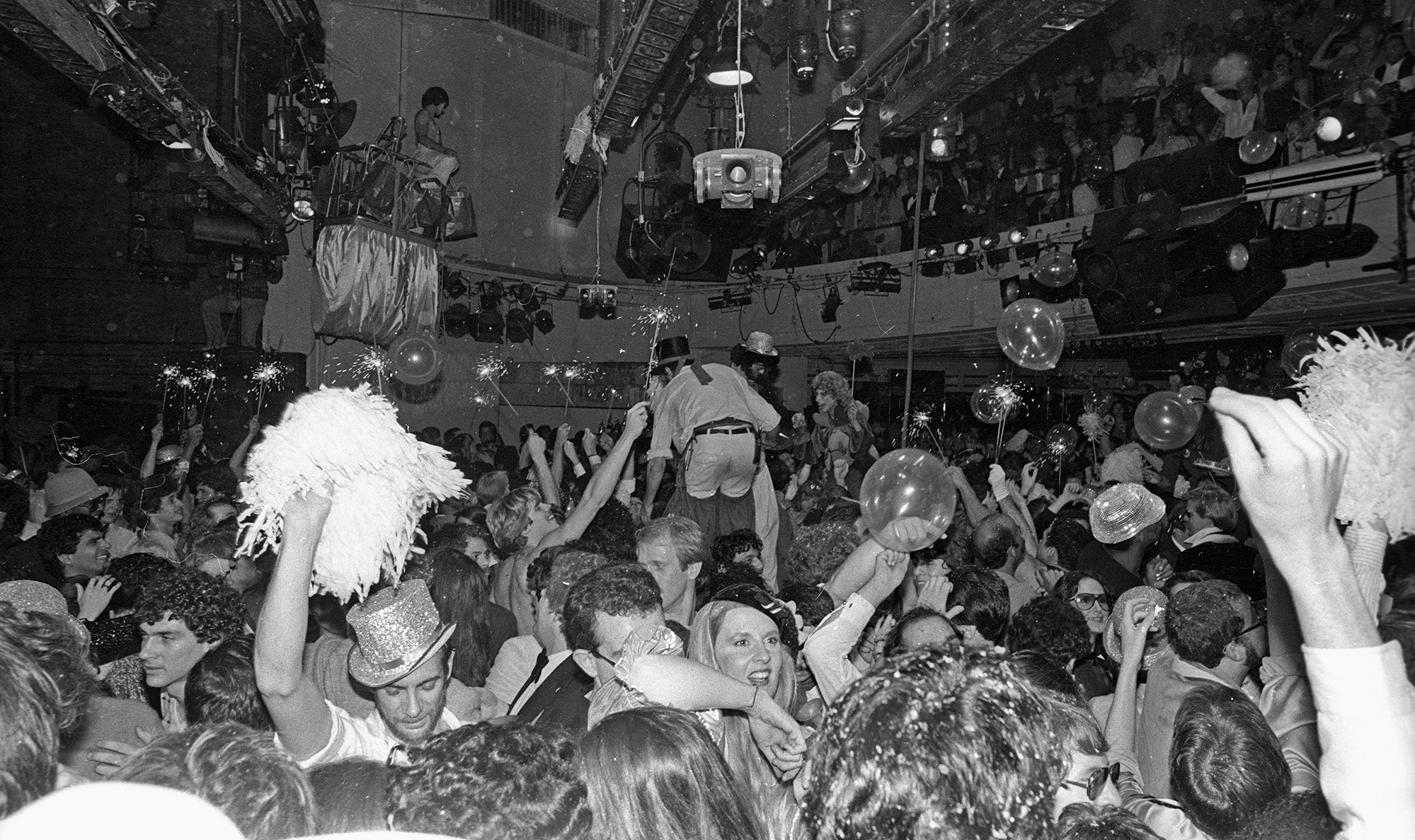
Native New Yorker Ian Schrager had all the makings of a respectable, run-of-the-mill gentleman when he was a young man. His father worked in manufacturing, and he had a B.A. from Syracuse and a J.D. from St. John’s. But he didn’t follow the path that his parents expected. After their passing, he embarked on a career that would put him on a global sociocultural map as the club manager of the decade, with his former college pal Steve Rubell, opening legendary venues like the one and only Studio 54.
As you’ll read in the pages ahead, Schrager would be the first to warn you about the challenges of making it in the world of nightlife: the hours, the energy required. His story in public American life probably should have ended there. Instead, he went on to take what he learned from the disco and apply it to the world of hospitality, making him a hotelier second to none.
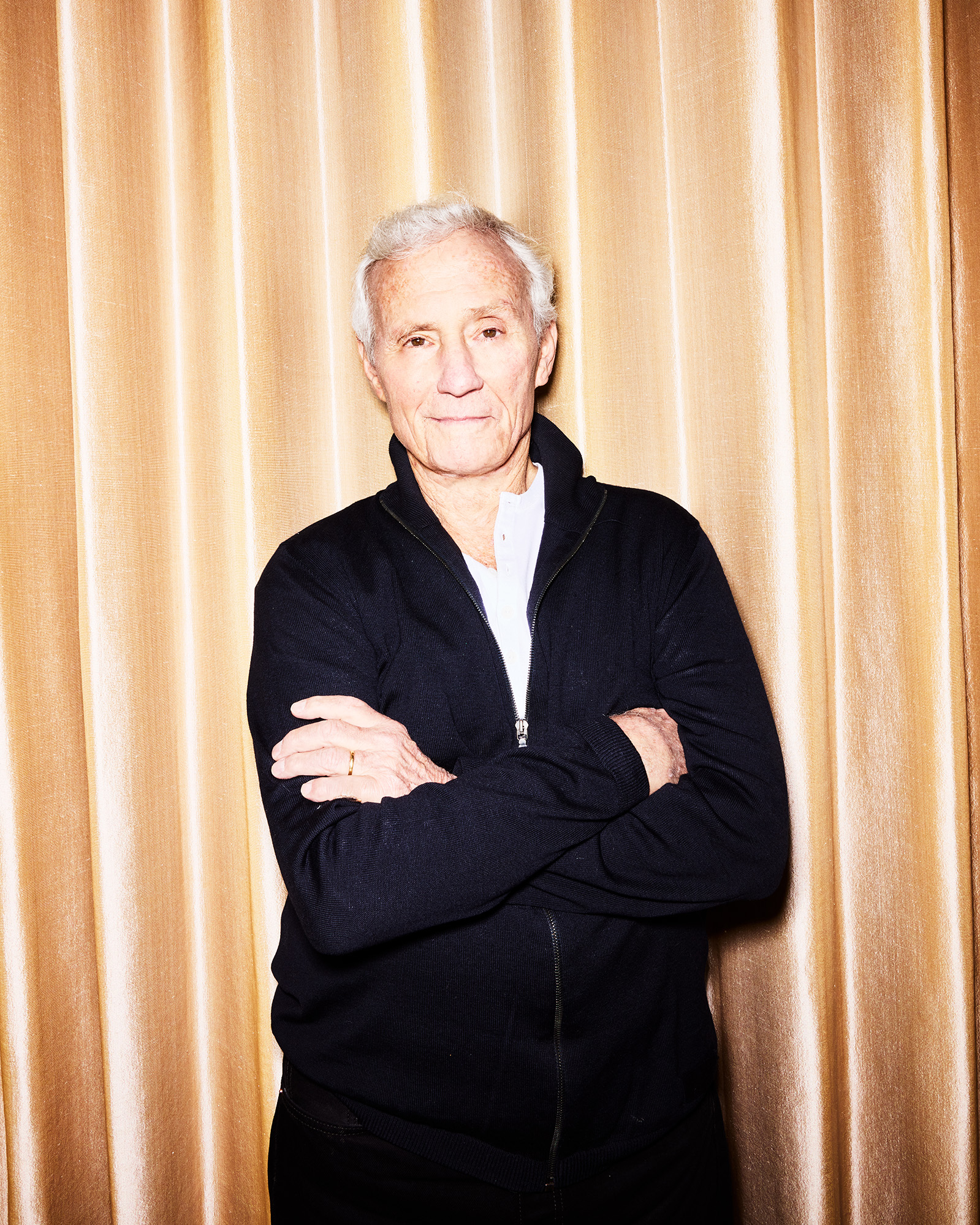
This spring, Schrager, 79, will open the 137-key Public West Hollywood on the Sunset Strip, the latest outpost of his very own hotel chain under his democratized ethos of “luxury for all,” with an assist from British architect (and former podcast guest) John Pawson. To mark the occasion, I spoke with Schrager from his home in downtown Manhattan to get a glimpse into the mind—and private world—of this entrepreneurial maverick.
I wanted to start at the beginning, because when I read a little bit of your bio, it seems like your dad’s past and my own family’s past probably were in similar areas. You were born, I think, in the Bronx, but you were raised mostly in Brooklyn. Is that right?
I have all the credentials. Born in the Bronx, raised in Brooklyn.
What would you say is your earliest memory of growing up in Brooklyn?
I moved to Brooklyn when I was in the fifth grade, so I think walking to school or playing in the schoolyard was probably my earliest memory. I was around 11 years old or something like that, so I remember riding my bike pretty clearly. It was East Flatbush, which was just great. It wasn’t quite suburban. It was like right in the middle of being in the city versus being in suburbia. It was on the way out to Long Island, but it was very real and authentic. It was just great growing up in Brooklyn. It gave me a hunger. It made me ambitious. Everybody was very aspirational. Everybody wanted to live better than what their parents were doing. I’m quite happy that I grew up there rather than in a wealthier suburb like Long Island or Westchester, because I think it gave me this innate hunger to improve myself.
Was Manhattan the shining city on the hill for you, as it was for me, being from Long Island?
It was mecca. Exactly. Going out to the city on the weekends or going into Manhattan, it was really Manhattan. When you went into Manhattan and you crossed that bridge or you went through that tunnel, it just felt different. It felt more refined, more sophisticated. It just felt completely different than Brooklyn.
Your dad worked in what was called the garment business back then. Did he ever try to get you to work in the family business?
No, he wanted me to do anything that I saw fit. He was ambitious for my happiness and success, but he really had nothing specific in mind. At that point, middle-class family, Jewish, I think all parents wanted their kids to be doctors or lawyers. It’s funny, my brother became a doctor and I became a lawyer, but I didn’t find the law very challenging and inspiring. It took too long to reach that plateau of success.
You had mentioned to Hospitality Design once that even though your parents weren’t necessarily wealthy or anything like that, the home that you grew up in had a look that maybe no one else’s had. Tell me about that. What did it look like?
My parents put in a great deal of effort. They had a lot of style. I don’t think they were perhaps exposed to things that might have made them more sophisticated or whatever, but they always had a great sense of taste. Our living room and our home didn’t look like everybody else’s home. It looked better. It looked sleeker. It looked prettier. My father was just a great dresser, down to the last detail, and my mother also. I grew up with that, and I do think that had a big impact on me.
You graduated from school and went to Syracuse to study law. Was it just sort of like “Doctor or lawyer, take your pick”?
My father had already passed, and my mother really didn’t know anything about colleges or anything like that, so I was really completely on my own. I was obsessed with basketball when I was in high school, in the same way I’m obsessed with work and achieving success. A lot of my friends who played on high school basketball teams went to Syracuse. I think that was a major impact on me and why I wanted to go there because I already knew a lot of people from Brooklyn that were going there.
What was that time in Syracuse like? You must have been a pretty good student because if you got into Syracuse, you must have been pretty smart.
I was a pretty good student, and I was a serious student. I used to study and try to do well. I considered my studies very, very important because I didn’t have anything. Most of the kids that I knew in school were going into their father’s business or their uncle’s business. They had a clear road out in front of them, and I didn’t. I didn’t know what I wanted to do. My father used to tell me that he left the whole world for me to make a living in. I was puzzled about what I wanted to do. I went to law school, which was like a graduate school that gave you an exemption from going to the Vietnam War. I didn’t do it for that reason because I was already exempt because I had had a heart murmur. I just didn’t really know what I wanted to do. It was a thing of trial and error, and just respond to the opportunities as they came my way.
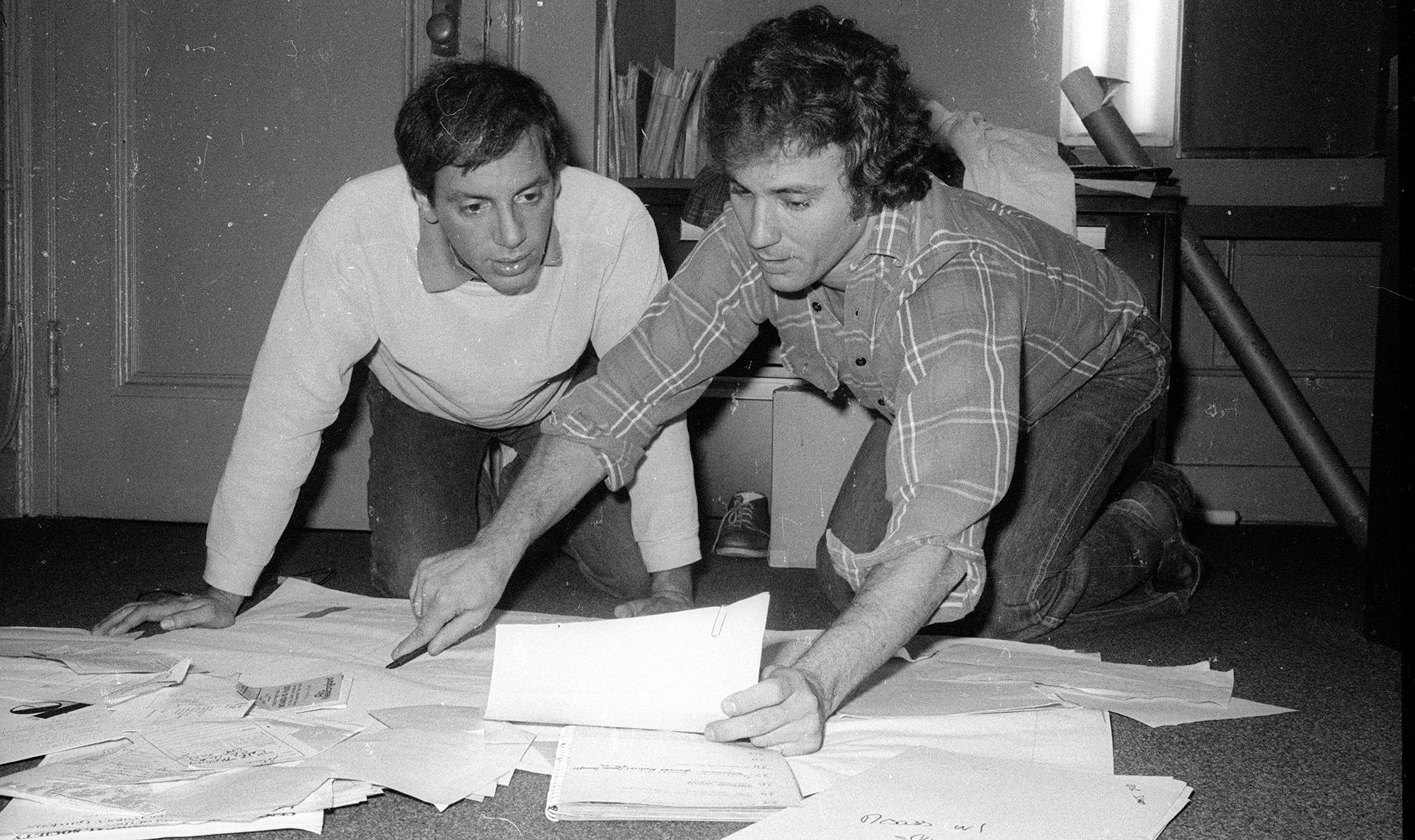
Do you remember the day you met Steve Rubell?
Yes. I was a freshman. He was a senior at that time, a few years older. I was in the room of this guy, Marty Goldstein, who happened to be a star on the Erasmus Hall basketball team, which I think won the state championship that year. He got a scholarship to Syracuse, and he was on the basketball team. I was having an underwear fight with him in the room, a fun fight, where I was trying to rip off his underwear and he was trying to rip off my underwear. Steve was in the room and because Marty was six foot three, I must have been about five seven, five eight, and because I didn’t give up and I kept fighting, I think Steve took note of that. For whatever reason, we just kind of gravitated toward each other. Also, his best friend up at school was my fraternity brother and the big brother when I pledged to fraternity. It was just a clear path from day one. Everything just happened to make Steve and I very, very good friends from Brooklyn, which was a distinct minority in Syracuse at that time. There were only a few kids from Brooklyn up there. We just gravitated together. My other good friend up there, who happened to be my roommate, was also from Brooklyn.
What was he like, Steve?
He was a real people person. He thoroughly enjoyed people. He was bright. Very, very bright. I think maybe everyone didn’t realize how smart he was. Maybe because of his personality, maybe because he tried to be the life of the party, maybe because he tried to be the clown in the group and entertain people. He was a very, very smart guy. He read a lot. He majored in history. He had his feet on the ground. He was very ambitious as well. I guess he had that short person’s complex. His brother, by the way, was six foot three or six foot four. He came from a family where he was five five or five six, and his brother was six three or six four. He had grown up with that. He had this built-in ambition like I did. That’s what made us gravitate together.
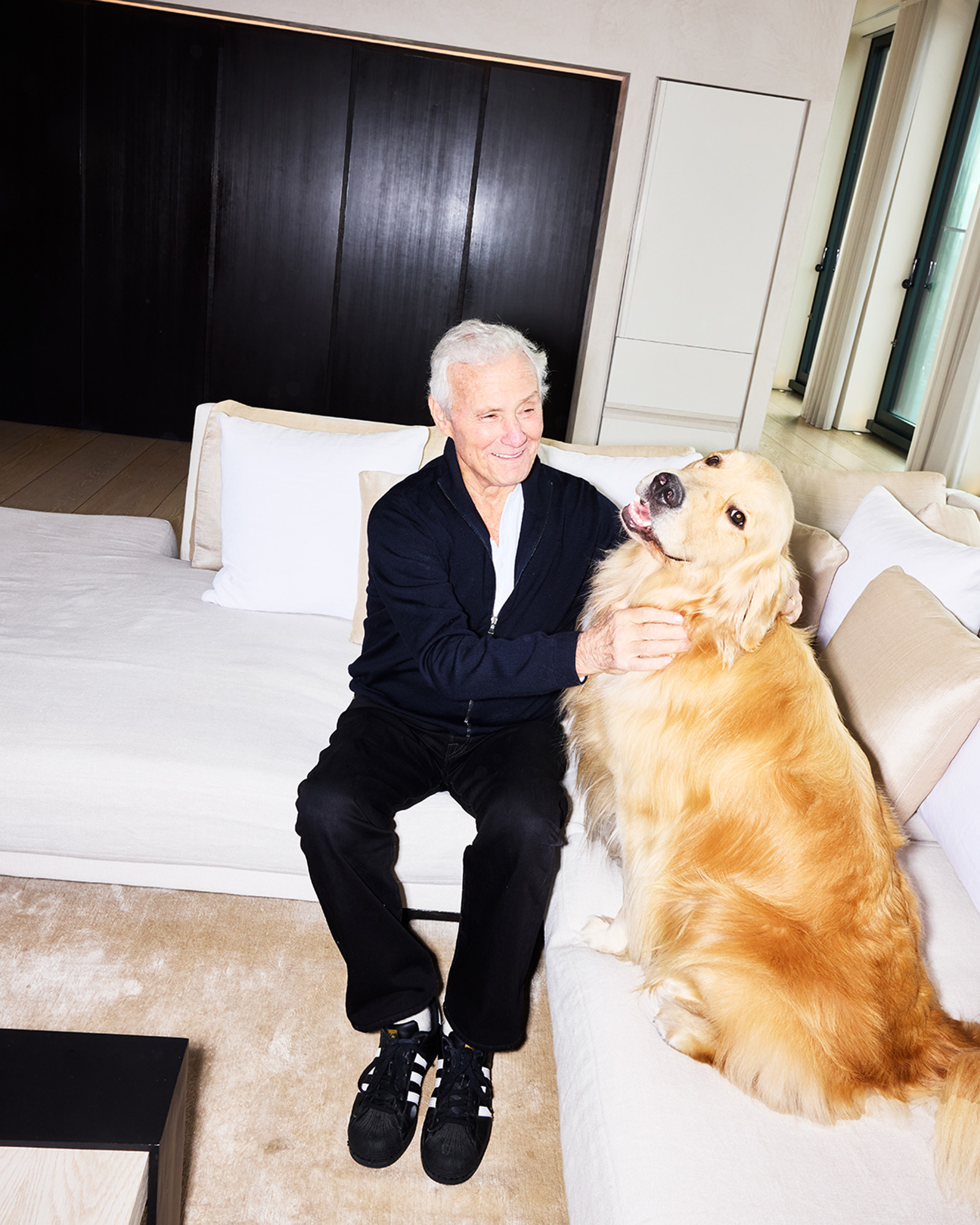
When you graduated, I guess law didn’t really entice you that much. Do you remember the moment when you said, “Forget it, I’m not going to pursue a law career, and I’m going to do something else with Steve?”
Yes, I remember clearly. Steve was always encouraging me not to practice law. I was Steve’s lawyer when we graduated. I kept all the creditors. He was underfinanced, undercapitalized. I was able to keep all the creditors’ offices back in court. He always encouraged me not to do law. He kept saying to me, “Why would you want to be the consultant and not be the principal? Why would you want to advise people and not be the person being advised?” He just never understood it. He was always out for that.
You have to remember the time that I was in. This was in the mid 70s, when that bulge in the population, the baby boom population, was getting out of school, and they all came to New York and congregated in New York. You had all these 19-, 20-, 21-year-old people that were in New York and that just happened to coincide with the emergence of discotheques, in which these 19-, 20-, 21-year-old people had to find a place to socialize. There were always nightclubs before, but they were frequented, I suppose, by older people, richer people.
But this bulge in the population gave a reason for having a place to dance. I just got bored with the law. I don’t think you could really reach success in the law until you’re middle-aged because it’s just an endeavor with lots of discipline and lots of experience and so on.
I just thought that I was going to leave, so what did I do? I left to open up a nightclub. If my parents were around, they would have killed me because I don’t think it’s something they would have encouraged me to do.
And you did three clubs with him?
Well, we opened up a club in Queens. And we were working on a club in New Haven, Connecticut, believe it or not. And we were also working on a club all the way out on Long Island. I forget the name, but it was really way out there. Because Steve had a restaurant out there. And we were going to do a club in the restaurant when the restaurant closed. Because the restaurant wasn’t doing very well. And so, we were working. And I had done one in Boston as well, with a guy that had a very, very successful gay nightclub in New York City called Le Jardin. And like all nightclubs at the time, it started out gay. But eventually straight people went there, which meant all the gays left.
And when Steve and I did a nightclub, we didn’t do a nightclub for the straight people where you go and meet people and go home with them. We did a nightclub for the gay people and the Black people because we wanted to have a party. We wanted to experience that wild abandonment that I had seen. When you go to a Black club and everyone’s dancing and they’ve got a bunch of people on the dance floor, but they’re all moving like one organism together.
And in the gay club, there was really something tribal about it. It was just really exhilarating for us to be around that. And we wanted to do that for straight people. Because they didn’t experience that kind of stuff. It was like a meat rack. You went there to meet somebody. And so we brought that experience to the straight world. But it’s funny because it was always geared toward and inspired by gay people and Black people.
With Studio 54, a lot of people thought about design as being integral to its success. But then there was the Palladium, which doesn’t get mentioned as much as associated with your name because of Studio 54. But Palladium closed right before I moved to New York. And you worked with a really serious Japanese architect for it.
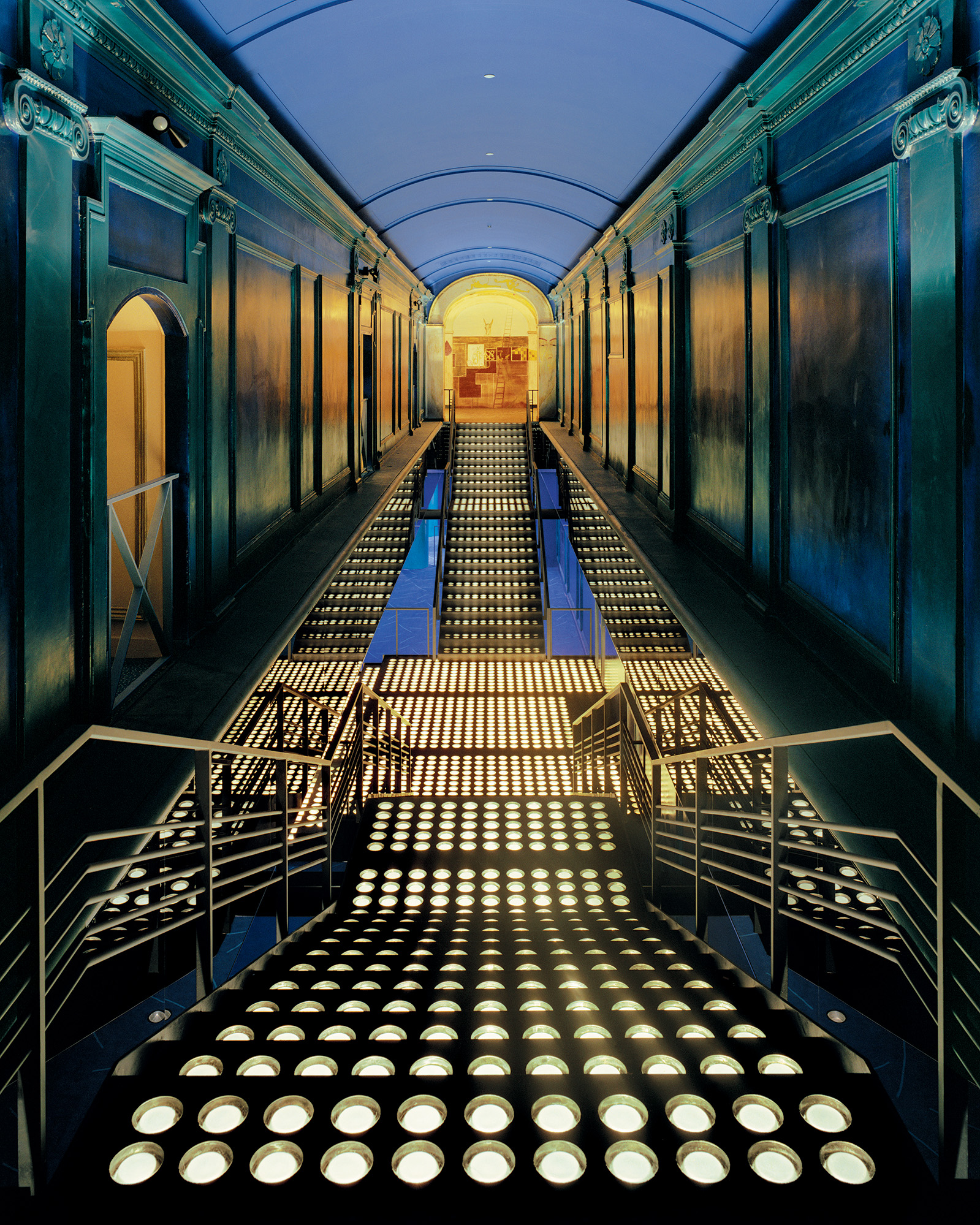
World-class. His name was Arata Isozaki. Studio 54 cost about $400,000 to do. It was a new idea. You want to get the people excited? Introduce them to a new idea that they haven’t seen before, that they haven’t experienced. Because that touches people, resonates with people. I’m someplace new. You’re looking around with your eyes wide open. It’s a feast. It’s a feast for the soul and for the spirit. You’re in some new place. Palladium, which was much more sophisticated, cost about $10 million. But Palladium wasn’t a new idea. It was just more. And for that reason, it never resonated with the people. It never was that lightning striking. But it was successful. It was incredibly well done.
You go through various periods with rock stars, artists, painters. They become the standard setup for cultural moments during that time. And during that time, it was the artists. So we captured that zeitgeist, hit that moment, that bulls-eye. But because it wasn’t new, it didn’t upset the status quo as much as Studio did. I mean, Studio was a new thing. You know, making straight people get down and party. Hot, hot, hot dancing. Sex everywhere. And anything you did, you would be able to wake up the next morning from it. No problem. All those forces came together at that time, pre-AIDS. The timing was right. You know, I think for any entrepreneur, it’s their responsibility to ride the cultural wave.
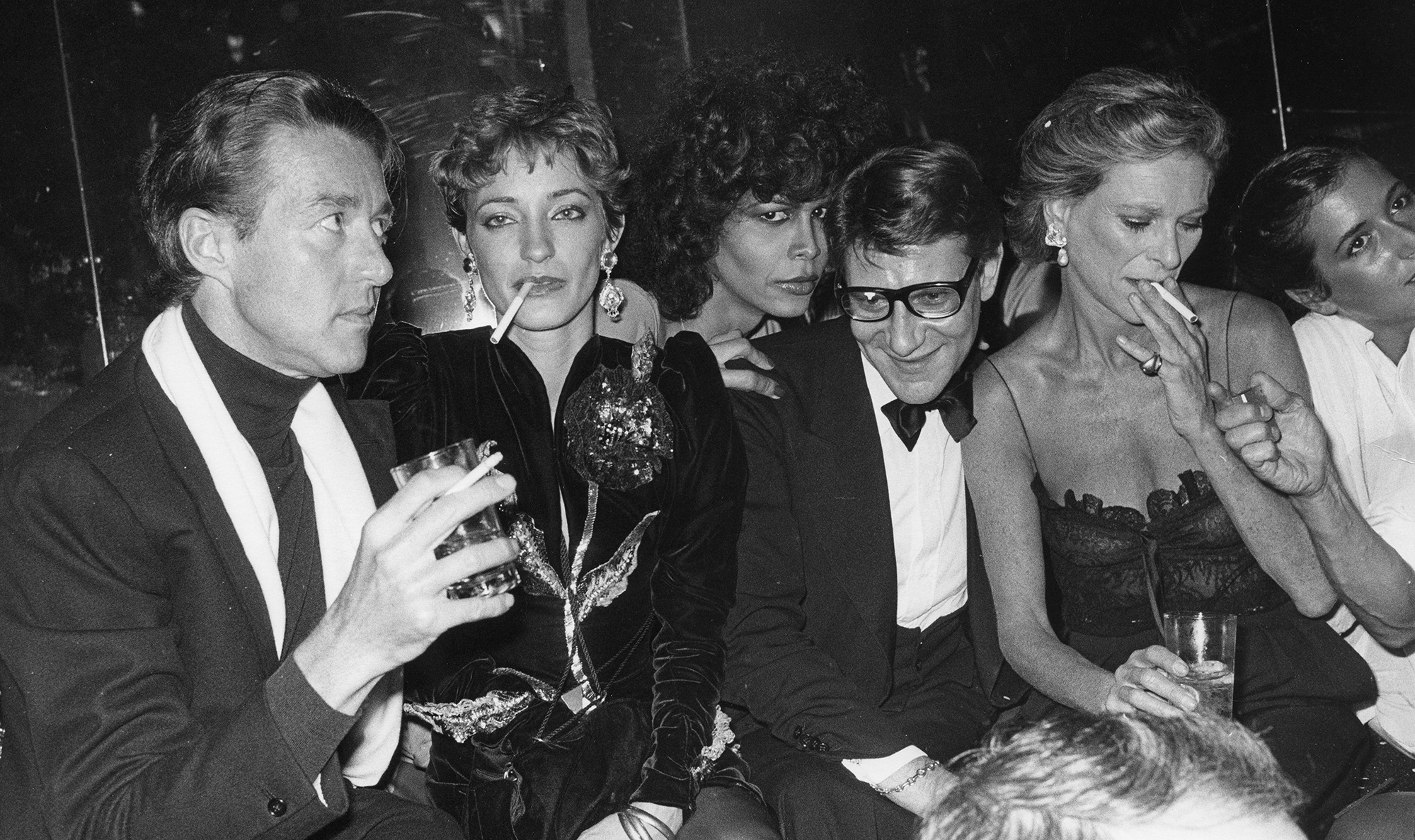
But what went wrong with Palladium?
My heart wasn’t in it, plain and simple. I did it already. You know, you don’t see many people around who survive the nightclub business. It’s a business that consumes its people. It’s a Frankenstein’s monster that winds up more often than not destroying its creators. It’s an indulgent business. You’re working when everybody else is not working. You’re sleeping when everybody else is not sleeping. And that’s why you don’t see many people make the leap into something. But to me, it was always a stepping stone. It was always a stepping stone. I credit that to the success I’ve been lucky enough to have.
And when was the first hotel project that you worked on?
It was 1982. As a matter of fact, if you see the progression, we opened up Studio 54 in 1977. We bought Morgans in 1982. It opened up in 1984. And we opened up the Palladium in 1985. You hear all these disaster stories about people involved in these real estate projects that go over budget. And we didn’t have any money. So we did the Palladium to make sure we had money if we ran into trouble in doing Morgans Hotel.
In the 90s, when that boutique-hotel craze that’s often attributed to you, and when you were sitting in a room with financiers or someone from the Marriott Group, how did you describe the Delano or your concept to them?
They were betting on me. You know what I did? What I had is this phenomenal success with Studio 54. Just a phenomenal success. Known worldwide. And I think smart people realized that it really was some accomplishment. It wasn’t just some indulgent process. They were really betting on us, that we were capable of doing something very, very special again. And I think, between Steve and me, we seemed to cover all the bases. It wasn’t easy to define what Steve did and what I did because there was so much overlapping.
But you had one person dealing with the people that everyone responded to, and you had one person creating the places, creating the experience. It was just perfect. And we were both incredibly hard workers because I think we needed those successes to help define ourselves and make us feel good about ourselves at that time.
And so it just came together for us. People always used to say, good friends of ours, smart guys, “You guys both would be successful if you weren’t together, but you wouldn’t be as successful.” And I somehow agree with that.
I’ve been so fortunate to have success in my way because I think what we did with lifestyle hotels, boutique hotels, and independent hotels reinvented the hotel business. It wasn’t about design. It was about the approach and the attitude that we brought to that business.
And I think if Steve were alive, we would be one of the biggest hotel companies in the world because he would have pushed me. And I’ve often thought that because now at this stage of my career, I have a yearning to build a big company because I haven’t done it yet.
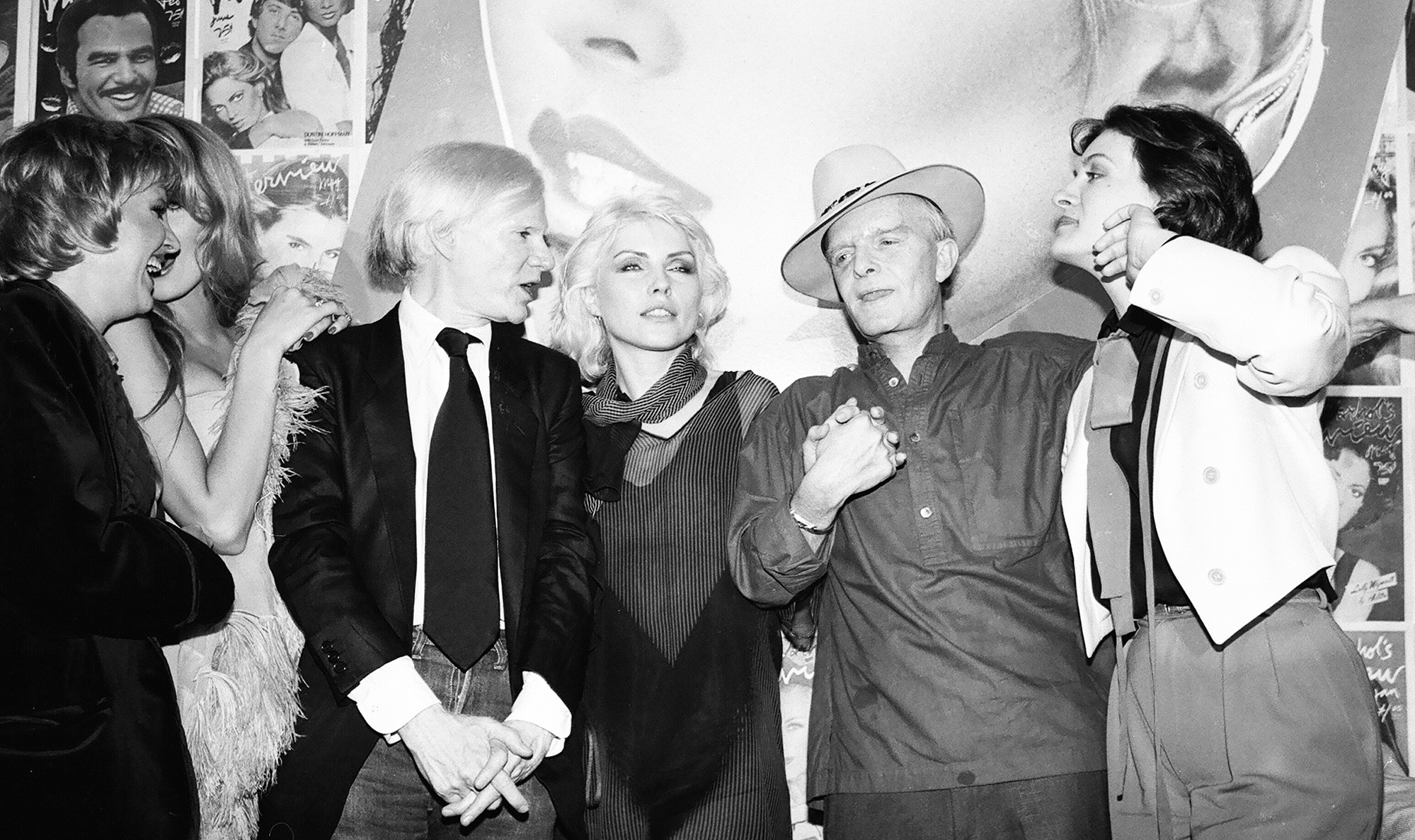
Really? You still think of yourself as not big enough?
Yeah. Not big enough in terms of the footprint that we have in the business. I’ve probably done between 40 and 50 hotels in my career. And then I see all these other companies coming up and taking our idea, which is like my child, and using it and doing big companies. I’m not flattered by that. I’m bothered by it because it’s my idea. I call it lifestyle hotels now, but it was Steve who came up with the name boutique hotel. Steve did that because it was his way. We came from New York. We’re very friendly with all the fashion designers. And it was his way of explaining all the other hotels were like department stores. We were boutique, very specific.
And so Steve invented that term, but we lost ownership of it because everyone took it. So that’s why I say lifestyle hotels or independent hotels now because I think that’s the future of the business. There are more lifestyle hotels being developed now than anything.
You see the big companies, Marriott and Hilton and all them, getting into that. I don’t want to get esoteric here, but at first I think people needed the product. They needed a bed to sleep in. It was something that people needed. And so people were doing hotels in response to that, and they were generic. They were commodities.
And we came in and said, “Wait a minute. We don’t want to do a commodity. We want to do something special and something original and something unique.” But I’ve now come to realize that you can do something original and special and unique and still be a big company, provided you’re willing to fight everyone. And I am. So now I have an urge. I want to try and build a big company out of Public because I think it’s an idea. It’s an important idea.
Fast-forwarding to where we are today, you’ve got two major parts of the business, I would say, in the hotel world. You’ve got Public and Edition, and each is growing in its own way. Can you explain the difference between the two?
Edition is trying to be the anti-chain. It’s the antithesis of what the hotel companies do. They want to build a hotel, and they want to have everything that’s already available in the catalogue. To me, when I did Edition, I didn’t want anything from the catalogue. I wanted something that was original and wasn’t in the catalogue. So that’s essentially the difference. It’s a unique lifestyle, so that every one of the Editions is different in approach and attitude.
And you can feel the uniqueness and the originality about it. But when I worked with Marriott on that, it was problematic in certain ways because I’m not used to working in a democracy. And I had to deal with Marriott, and Marriott doesn’t own the hotels. A third-party owner owns it. So it was me and Marriott and a third-party owner. It got to be complex. I had done over 20 of them, and it was enough, and I didn’t want to do it anymore. I wanted to focus on Public, which isn’t a democracy. It’s an absolute monarchy.
It’s not a dictatorship, but it comes close to it. And, you know, you don’t want to be indulgent,
thing you do, and they want to have access to it as well.
So that’s why I call it my most important idea. It’s like making these expensive products, whether it’s cars or whatever it is, but making it just as good as something very, very expensive, but using it in a clever way so that you can offer it for a less expensive price. I think that’s a very, very important idea, by the way.
I think with everything that’s going on now, it’s even more important because you have a lot of young people now that are not so convinced that the capitalistic way of life is the best way, and that’s because the system isn’t working for them.
Your next big project is the Public in L.A., which I think should be opening up next year.
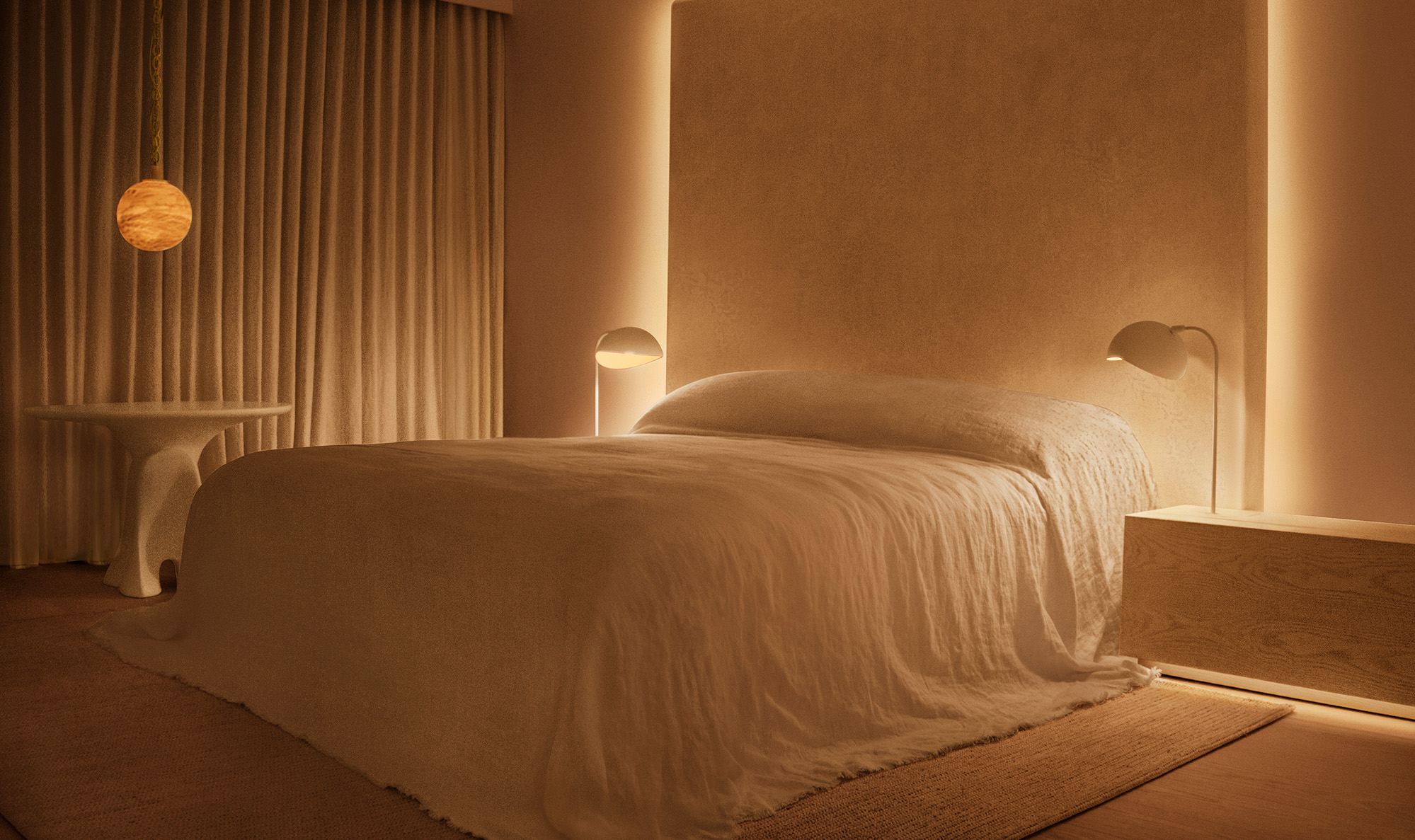
I’m very, very excited about the West Hollywood Public because I think, look, every project I work on is the best project until I move on to the next one, and that’s just the way it is. But after being in this business for so long, I think the Public in West Hollywood is just incredibly sophisticated and refined and accessible, and I think it may really be one of the best things we’ve ever done. I mean, we have almost three-quarters of an acre on the roof, which we do in a private park.
And when I say a private park, I mean complete with running track, pickleball courts, tennis courts, volleyball courts, campfires, you name it. And I just think nobody who ever went but you also don’t want to do everything that makes sense all the time. Because if it makes sense all the time, people can anticipate it, and that’s not what gets people excited.
You know, you have to be willing to make a mistake and to try something, throw something out there because it might make it different from everything. Because product distinction is the business I’m in, period.
And so what is a Public hotel then to you?
The Public hotel is this notion of not dumbing down something affordable, making it less inspired and less creative and less special than something that’s expensive. It’s the ultimate idea of providing to people something that is as sophisticated as the most expensive thing in the world, but it’s less expensive, and you can afford it. And we’re not dumbing this down or stripping things out.
We’re adding things to it, and we’re just doing it in a way by using less expensive materials and all, but it’s making luxury available to everybody. And I think that’s an important idea. To me, like in every other business, every other product that’s deemed a luxury product is very expensive, and I think that’s an old-fashioned way of looking at things. You could have a luxury product that appeals to a person’s sensibility that could be less expensive, and those people will appreciate that. They know they’re in someplace special, and it’s a rejection of the way everyone looks at people. They want the same thing you do, and they want to have access to it as well.
So that’s why I call it my most important idea. It’s like making these expensive products, whether it’s cars or whatever it is, but making it just as good as something very, very expensive, but using it in a clever way so that you can offer it for a less expensive price. I think that’s a very, very important idea, by the way.
I think with everything that’s going on now, it’s even more important because you have a lot of young people now that are not so convinced that the capitalistic way of life is the best way, and that’s because the system isn’t working for them.

Your next big project is the Public in L.A., which I think should be opening up next year.
I’m very, very excited about the West Hollywood Public because I think, look, every project I work on is the best project until I move on to the next one, and that’s just the way it is. But after being in this business for so long, I think the Public in West Hollywood is just incredibly sophisticated and refined and accessible, and I think it may really be one of the best things we’ve ever done. I mean, we have almost three-quarters of an acre on the roof, which we do in a private park.
And when I say a private park, I mean complete with running track, pickleball courts, tennis courts, volleyball courts, campfires, you name it. And I just think nobody who ever went to a hotel had access to anything like that before. It’s very, very exciting for me because you’re going to be on the roof with 360-degree views of downtown L.A., of Hollywood, of the West Hollywood hills. And to be out there in the open sky, you’re in L.A., and 75% of the public space of West Hollywood is outside. It’s just very special for me because it’s great when the current projects you’re working on may be your best. It’s just great. We’ll see what happens after I do it, but we’re very excited about that because I think it’s just really sophisticated and really refined, and like I say, it’s going to be the only private park in Southern California, and so we’re very excited about it.
And tell me a little bit about the building. What’s the history of that building?
It was a very inexpensive hotel before. Then it was the Standard for a while, which was successful, but it didn’t do anything on the roof. You have this very, very long building. There’s a flat roof up there that’s 16,000 square feet, and we had to resupport the building in order to be able to get people up there. And the hotel we’re doing in Miami is similarly designed. It’s a low building with a very, very, very big roof, and so it just allows us to introduce an element to a hotel in West Hollywood and in Miami where it’s perfect for a lot of outdoor activities. And so that’s where it becomes more and more of this idea that a hotel is really not just for sleeping. It’s a cultural manifestation of what’s going on at the time and what people want to do, and that’s just a very exciting thing. As the distinction between offices, residences, and hotels get blurred, I love playing in that area because it’s a new genre, and hopefully the way I get excited is the way people will get excited.
How many times in a year does someone approach you and say, let’s start a nightclub?
Oh, all the time. But people only see the fun part. They don’t realize it’s a very, very, very tough business. You do lead your life in reverse. That’s why most of the people, the impresarios, whoever gets involved doing it, they get consumed. You don’t hear from them after the nightclub.
I do nightclubs now when it’s part of a hotel because it’s part of this idea of doing everything entertainment-wise a person could possibly want. If it didn’t help the hotel or it didn’t help the project, I would never do one because it’s tough. You’ve got to remember, you’re selling magic. How do you define that? You can’t put it in a book. It’s just a very instinctive, light-touch kind of thing. You don’t have a product to sell. And so that’s tough. And it’s never-ending, by the way. You don’t get to the point where it can coast. It’s a never-ending business, never-ending effort.
You obviously have a lot going on. You’ve done how many hotels at this point? Around 50 or something like that?
Close to 50. But right up there.
What does Ian Schrager do in his spare time?
I’m so lucky. I have a great marriage. I have a great wife. She was a ballerina. I’ve been married for about 18 years, and I’m very happy. And I’m very, very family-oriented. I love my kids. I find them exhilarating. Although this may be bad for the reputation, I’m very, very family-oriented. When I’m not working, I’m enjoying my family, and I’m really willing just to do anything. When you go through life, you go through various stages. So I’m ready for the family. I have five kids.
How old is the oldest, and how young is the youngest?
The oldest is 31, and the youngest is 15.
Do any of them want to get into the hotel business?
I’m working with one of my girls, Lily, who likes the hotel business, and she’s working with me. But I don’t encourage them or discourage them. It’s their choice. If they think they like it, then come on. And I try to expose her to all of those things that I do. But like my father, I want my kids to do something. They can’t do just nothing. But whatever they do is their choice.
Have any of them come to you and said, “Dad, I want to open a nightclub?”
Not yet.
Last question: If someone came to you and said, “Ian, I grew up in Brooklyn, and I’m going to move to the big city, and I’m going to make a name for myself, and I’m going to start a business,” what advice would you give them?
I would help them as much as I could. I think that we owe it to other entrepreneurs. I think the two most important things I would probably say are don’t be afraid of failure, because if you’re not going to try something new, you’re not going to be very successful. So don’t be afraid of failure, and don’t be afraid of asking people everything. A lot of people say, “Don’t do that, you’ll get confused.” My process is that I ask everybody what they think, then I get away from it, and the right answer just appears.
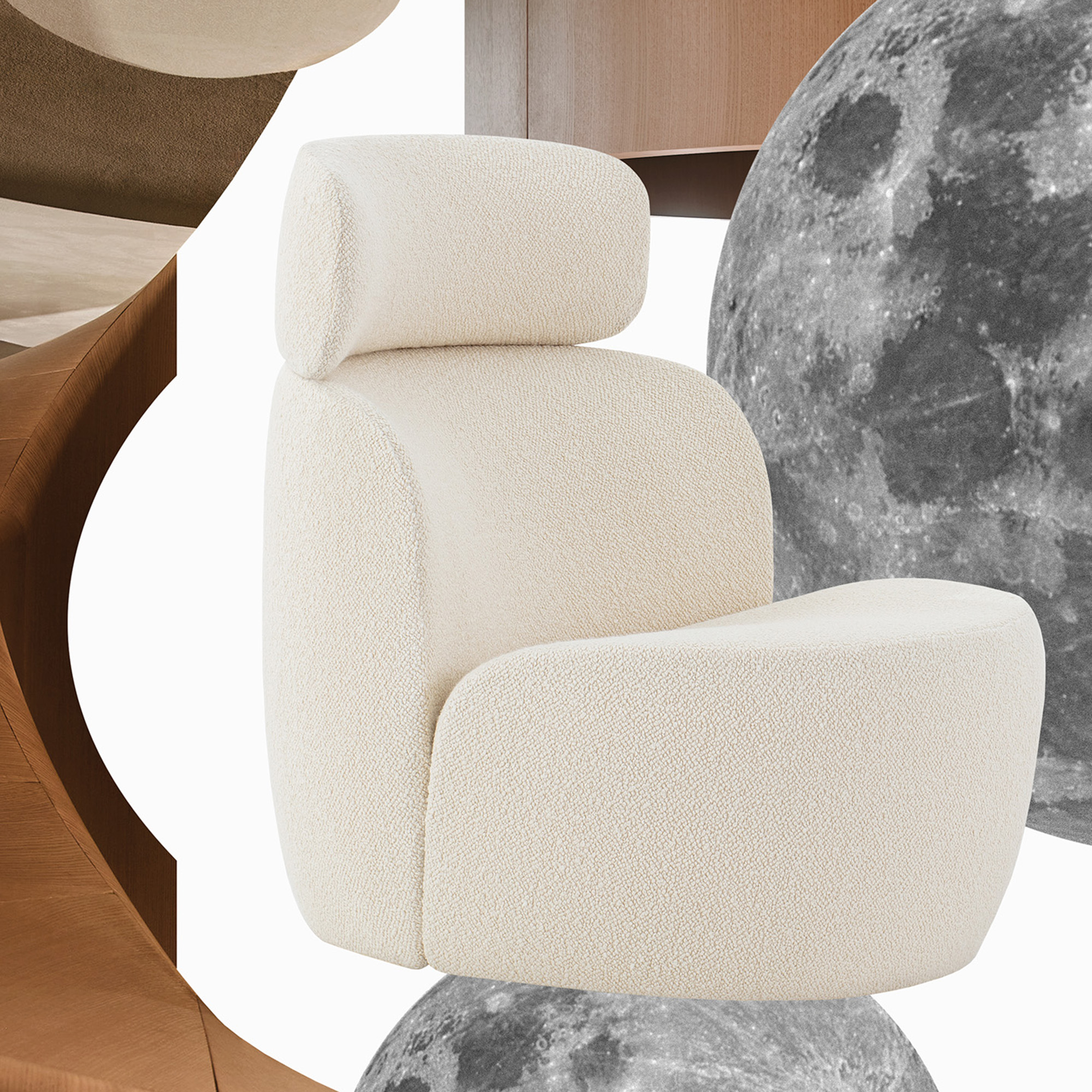
In Milan, we sat down with the brand's Laura Anzani to discuss the family business over coffee, and what it has planned for New York and beyond.
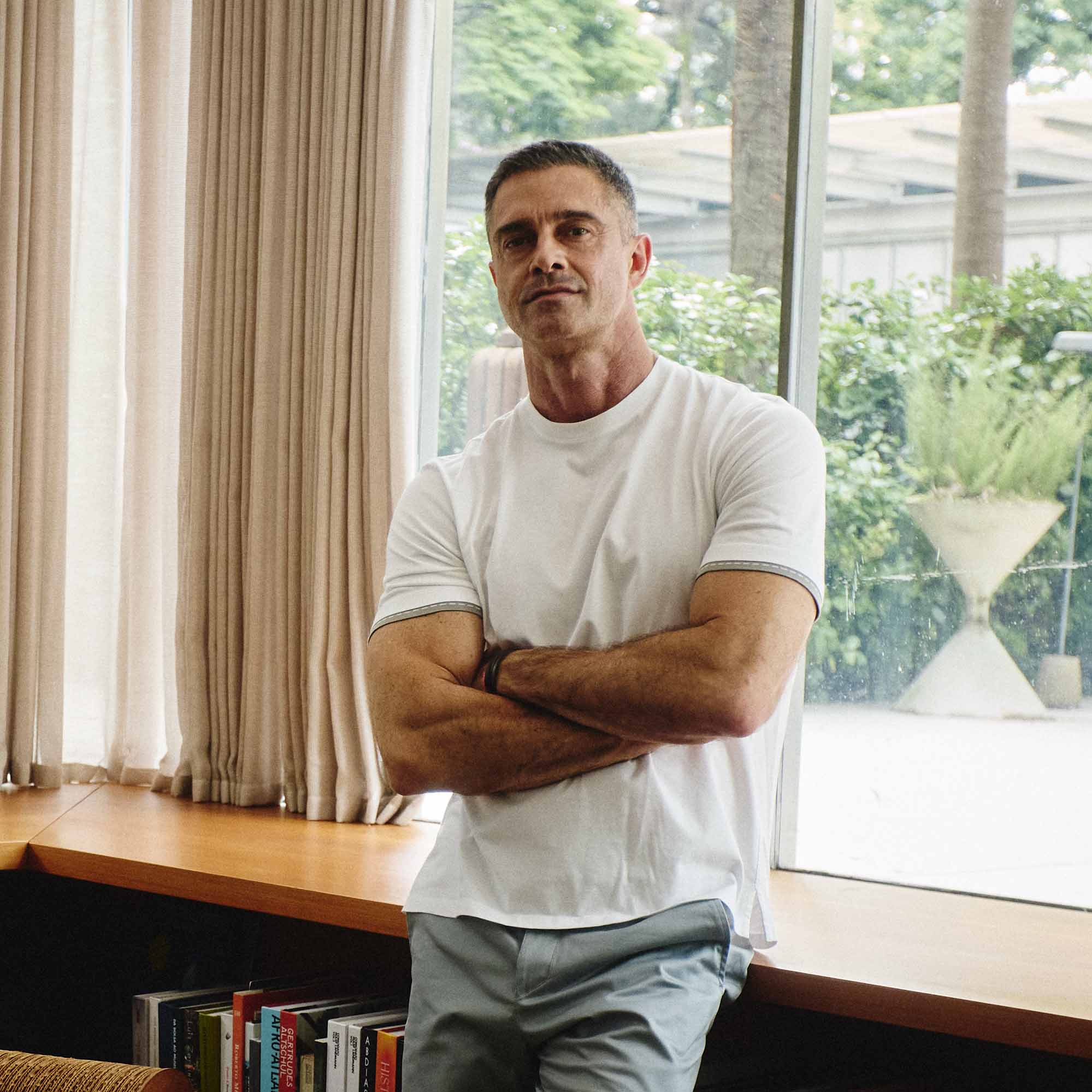
The Brazilian interior designer has quickly risen the ranks of New York design with a vision shaped by his father, the celebrated product designer Oswaldo Mellone, his first job with Robert A.M. Stern, and much more.
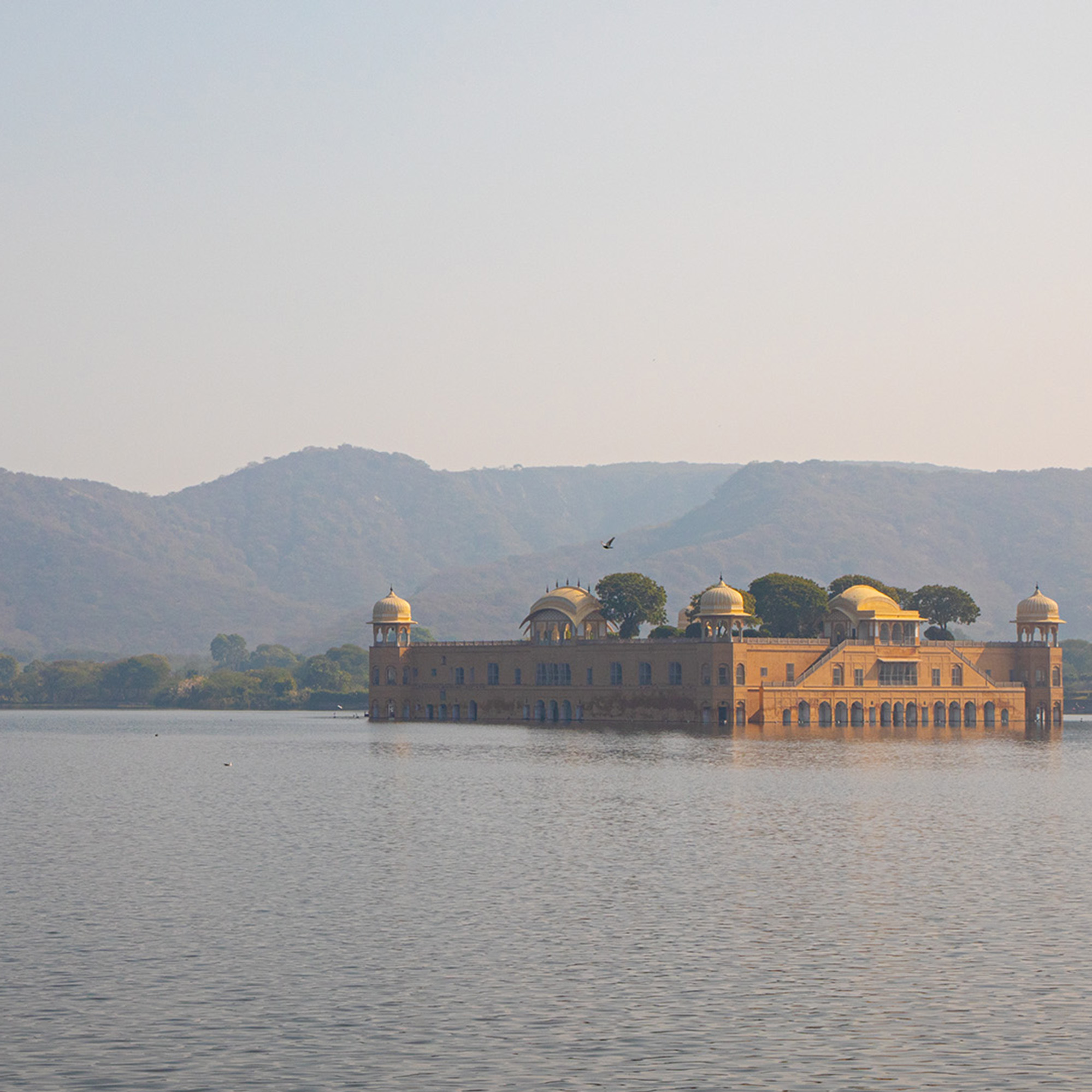
This lavishly photographed tome gives readers a closer look at the colorful and lively destinations and resplendent interiors across the Indian region.