Go Inside the Collection From Poliform That Heralds Design’s Future
In Milan, we sat down with the brand's Laura Anzani to discuss the family business over coffee, and what it has planned for New York and beyond.

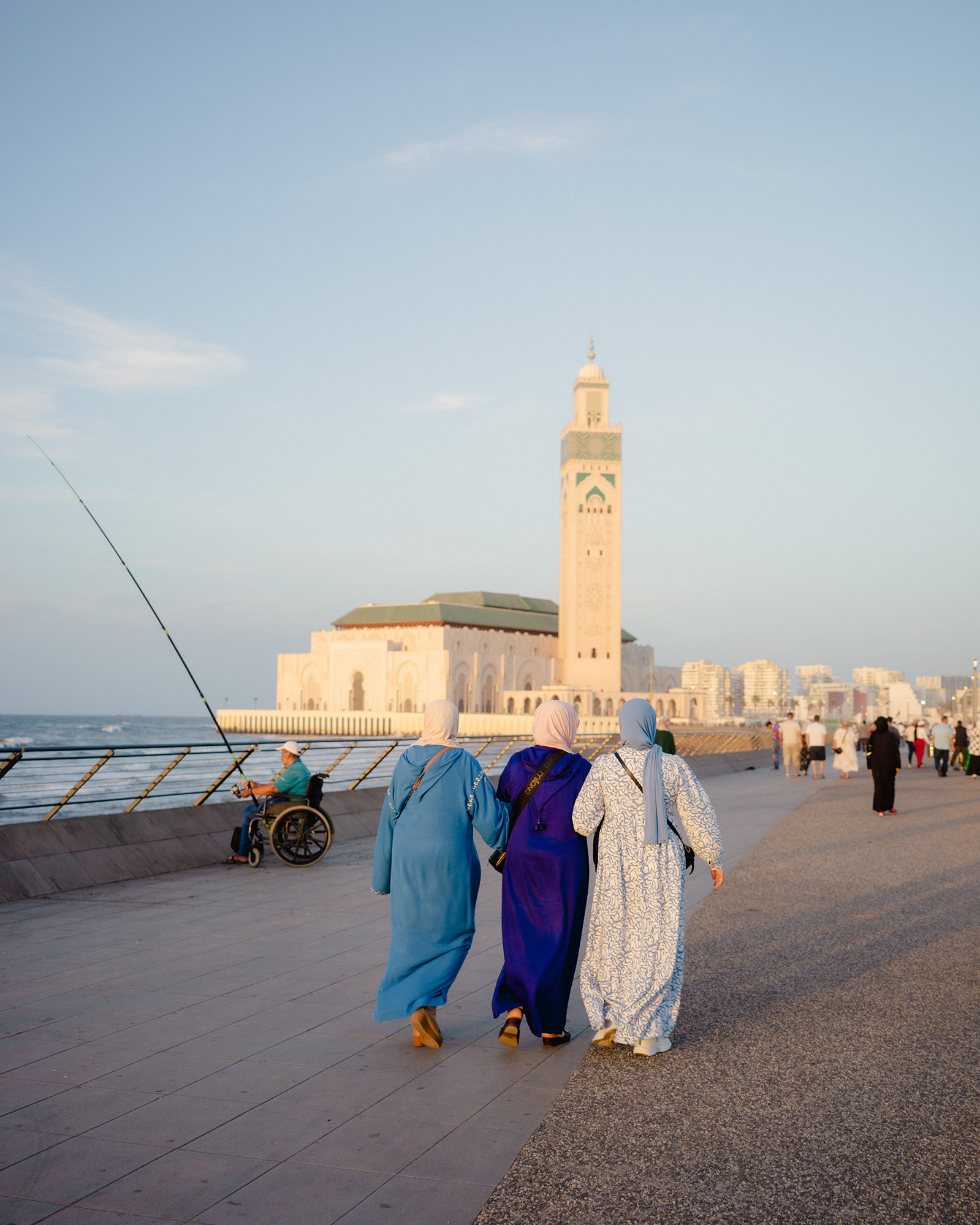
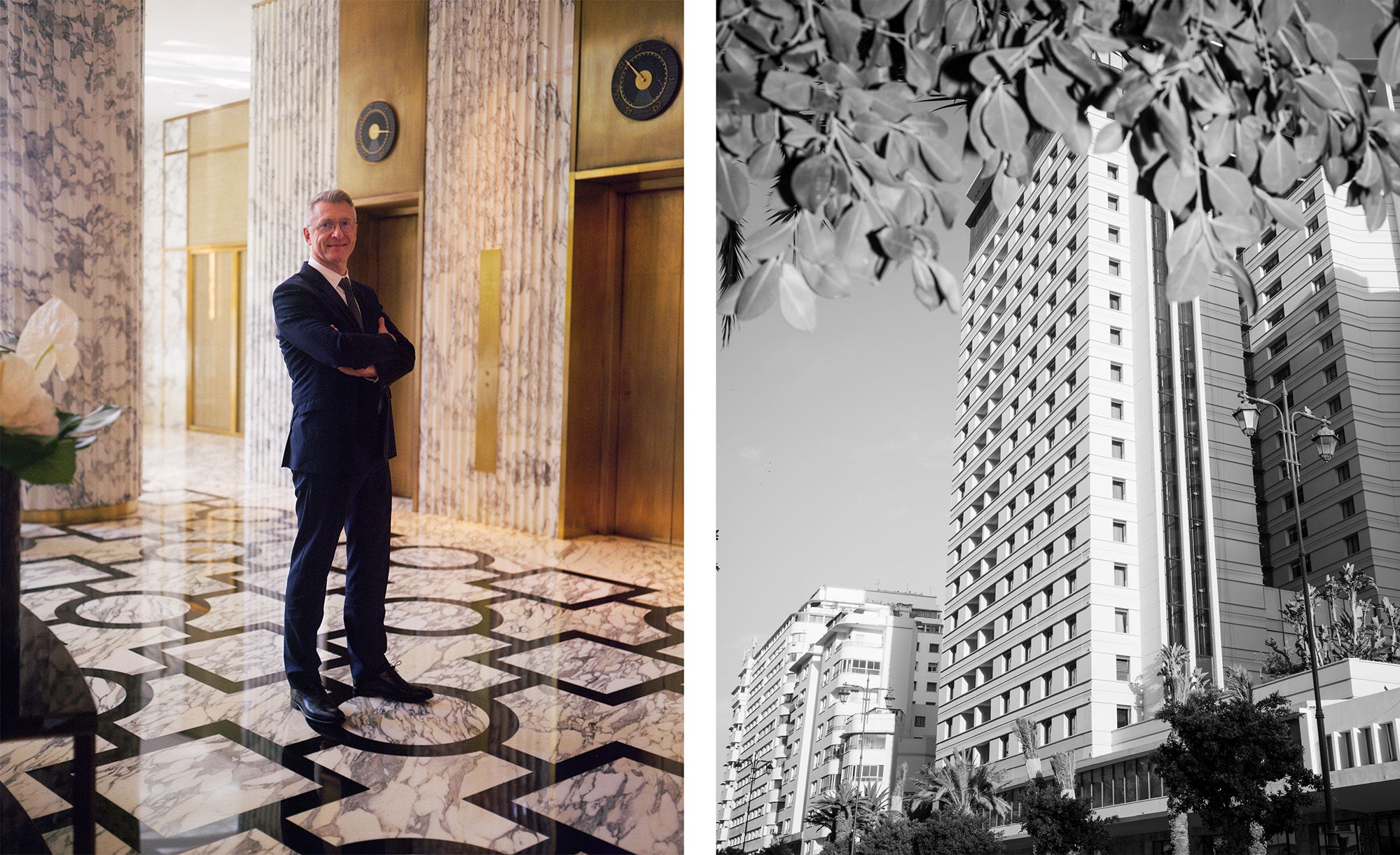
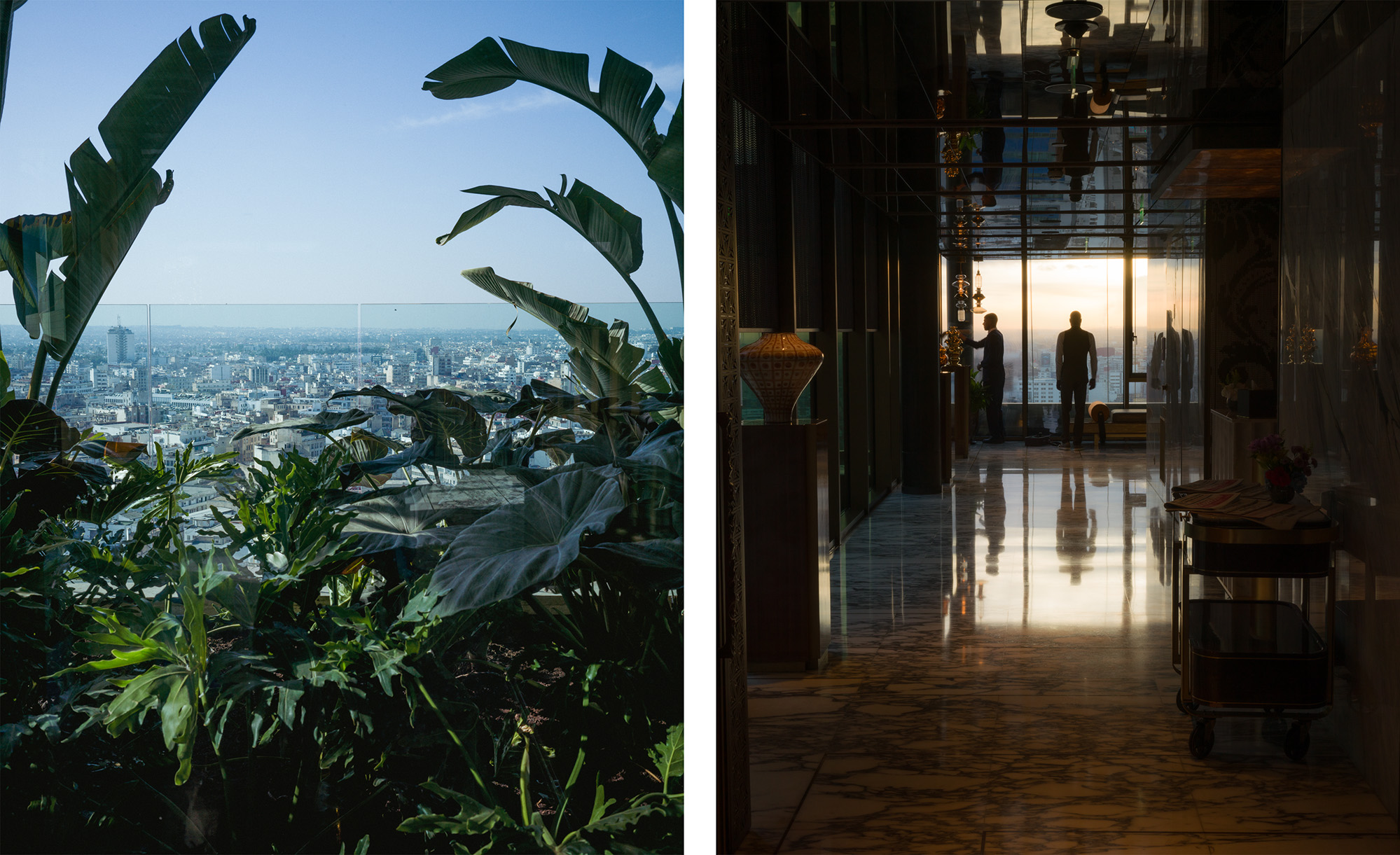
Long overlooked by travelers for places like Marrakech, the city of Casablanca is ready for a transformation. Thanks in part to a new hotel in the commercial capital from the Royal Mansour Collection, this ancient urban center is ready to be explored. On this episode, pulled from the pages of our spring print issue, Dan speaks with Jean-Claude Messant, the group’s Managing Director, about how this Frenchman found his way to North Africa, how the country is using five-star luxury to develop lives, economies, and culture, what to do during a weekend in Casablanca, and much more.
TRANSCRIPT
This article is featured in our Spring 2026 print issue, available now.
Jean-Claude Messant: You know, we’ve managed to create this ability to have part of the DNA of Marrakech going into Casa and Tamuda Bay. It’s a tri-luxury, you know, we are not just saying we are going to look after you, but we really do look after you and do more than looking after you, to make your stay extremely unforgettable and memorable.
Dan Rubinstein: Hi, I’m Dan Rubinstein, and this is The Grand Tourist. I’ve been a design journalist for more than 20 years, and this is my personalized guided tour through the worlds of fashion, art, architecture, food, and travel, all the elements of a well-lived life. And welcome to another edition of The Grand Tourist Reports, dispatches from our latest print issue.
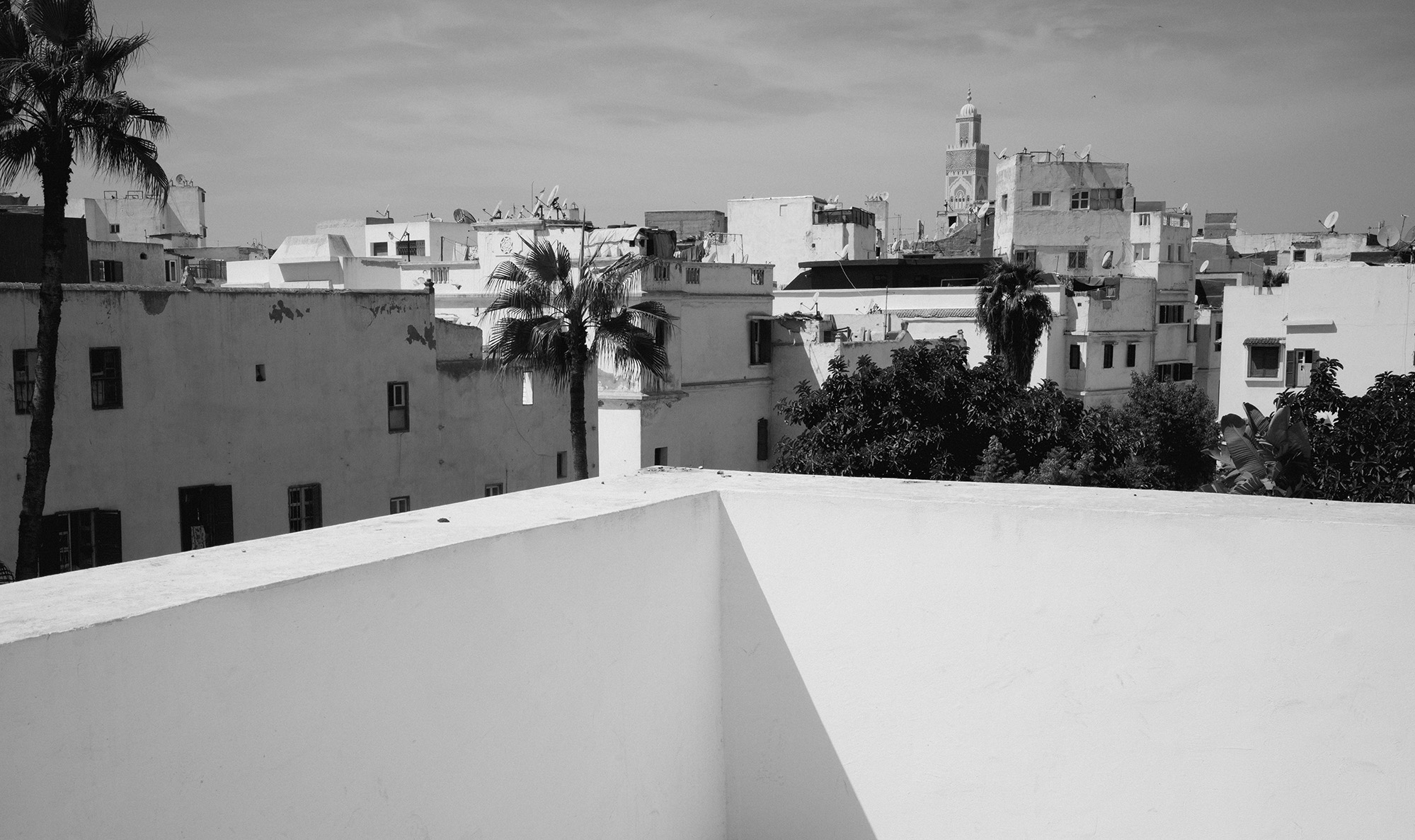
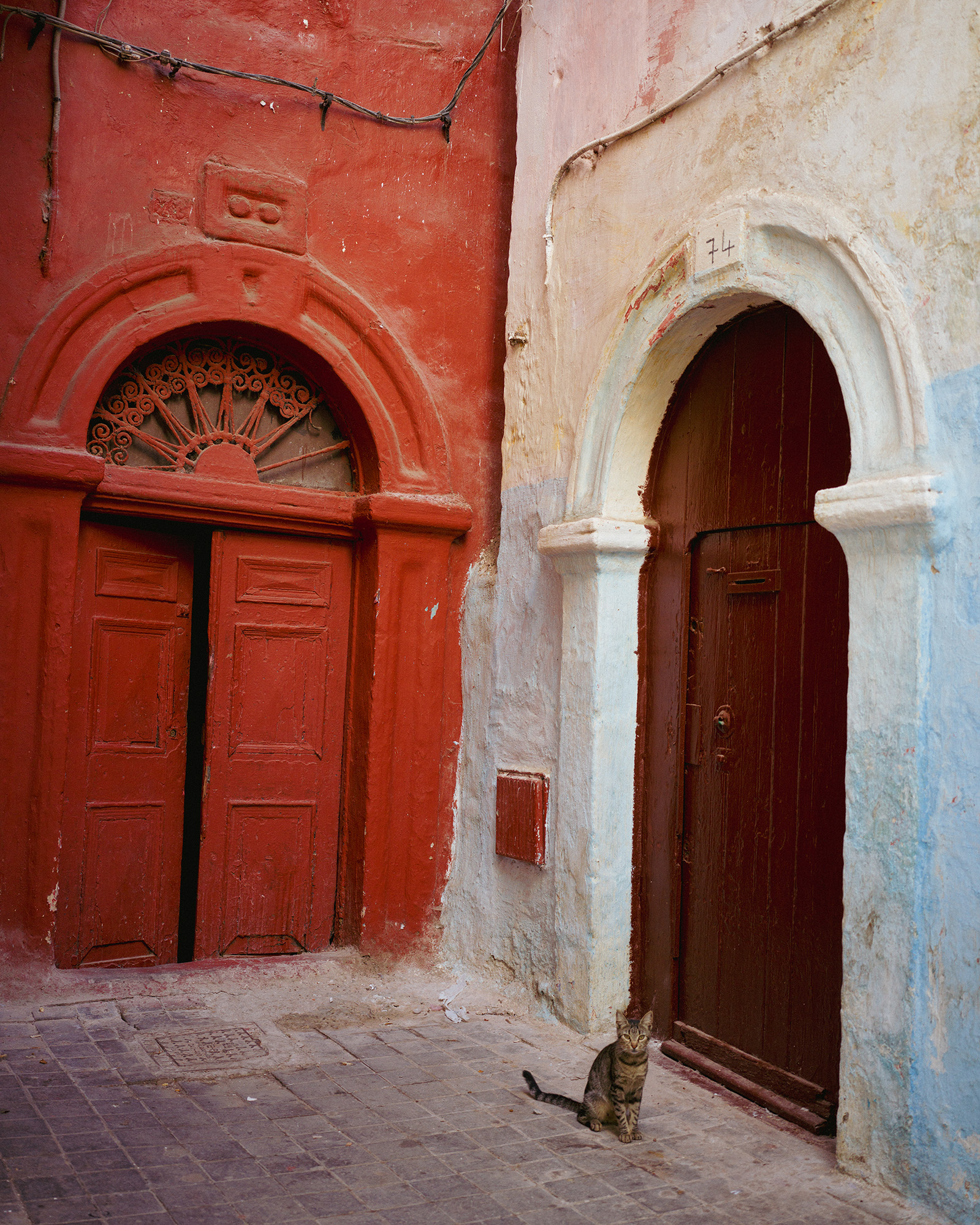
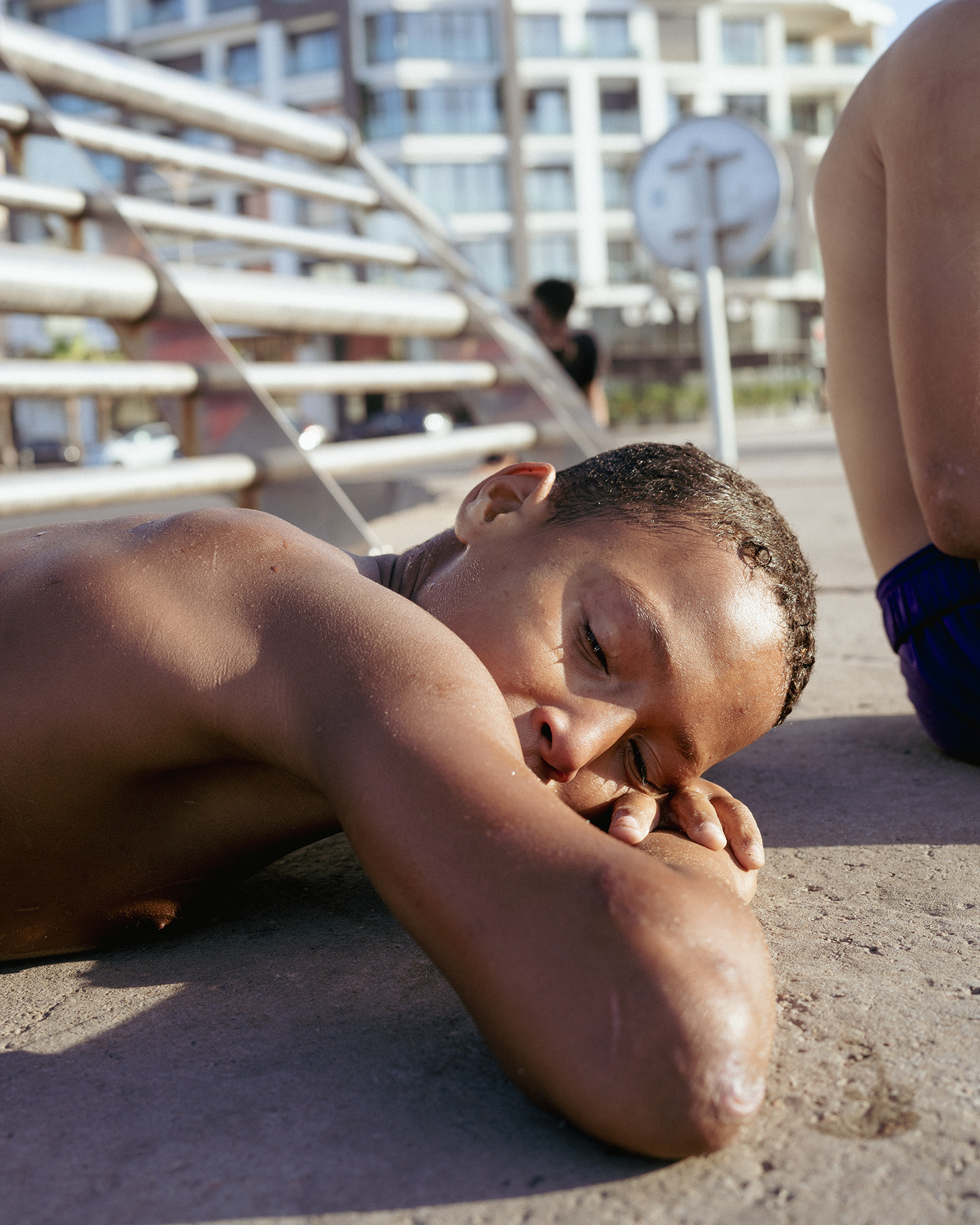
For our latest spring volume, out now in bookstores and available online, we have an incredible report from the streets of Casablanca in Morocco, photographed by Clément Chapillon, one half of Paris’ Unforeseen Studio. This ancient city is known to most of us as the backdrop of the famed black and white film. It probably wouldn’t surprise you that most of it wasn’t shot in Morocco at all, and today this coastal city is transforming from a gritty business capital of the kingdom into a true cultural hub.
Most visitors, when traveling to the North African country, myself included, never make it past Marrakech. But now there’s a hotel collection, owned by the country’s king, Mohammed VI, which began with one legendary five-star location in Marrakech, the Royal Mansour, which has now expanded to an entire line of hotels. One of its new sister properties is the Royal Mansour Casablanca, which hosted Clément on his little photographic journey.
Today I’m speaking with Jean-Claude Messant, the managing director of the Royal Mansour Collection, to chat about his incredible career that led him to these ancient lands, his mission to use top-notch hospitality to generate interest, careers, and economies in the kingdom, how the city of Casablanca is evolving, a perfect weekend exploring this North African metropolis, and much more.
You have a highly celebrated career in the hotel industry, but before we speak a little bit about the collection and the Royal Mansour, how did you find your way working into hospitality originally?
You know, I love answering that question. As a young kid, I wanted to become a chef. So I guess when I was six, seven, eight, I said to my mom and dad, I want to be a chef, and I want to go to catering college. And my dad was a mathematician, physician, and my dad didn’t want me to become a chef. My dad wanted me to go to college, go to university, and have a great career. But you know, I was, I love cooking, and I was cooking for my parents. I was cooking for my parents’ reception, you know, when they were doing cocktail parties or dinner. And so when I was 16, instead of, you know, going to a proper lycée, a proper college, I went to the Ecole Hôtelière de Paris, which is, you know, one of the best catering schools in France. And I stayed there for five years, learning to be not just a chef, but you’re learning about the wine, learning about the job in general, hotel life.
And that’s it. That was the start of my career. You know, I’ve never become a chef. I love cooking, but I never became a chef. And very quickly, I said, No, I want to be hotel manager. I want to be at the top. I want to be in luxury, a luxury hotel. And I want to be a GM. And I became a GM at a very young age. I became a GM at the age of 33 or 33 and a half.
And why do you think, if I were to go back in time and ask someone who just hired you to be a GM at 33, why would you say that? Why do you think that they would hire you at 33 to be a GM?
I think the guy was crazy. He wanted a young guy. He took a gamble.
Which hotel was this?
It was in London. I worked for a guy called Cyril Steen. And we opened up the St. James’s Club in London. He bought the club from a chap called Peter de Savary. And we shut it down, a big renovation, repositioning, and reopen. So that was my first job. And again, or to start with, but that’s going to be for the rest of my life, opening up, shutting down, refurbishment, repositioning. That’s the story of my life.
And so you’ve been with the Royal Mansour now for 11 years. Is that correct?
11 years and still counting.
And how did this job come up? Where were you immediately before?
I was at the time, I was working in Monaco, Monte-Carlo, at the Hôtel Métropole Monte-Carlo. Métropole was the same story. I was hired to shut it down, prepare the renovation, and do the work, and reposition the hotel, which was a very sad hotel in Monaco at the time, to become a leading hotel of the world, the best hotel in the world. And I spent 10 years in Monaco doing what I love doing, which is starting at the bottom and taking up, taking right to the top property. And Marrakech was the same. When they called me, I declined. And they called me a couple of years later, or three years later, to say, we’d love to see you. Would you love coming to Marrakech? And I said, yes, why not? And I arrived in Marrakech. I don’t know if you’ve been to the one in Marrakech?
I have, yes. I’ve stayed there.
When I discovered the gate, those two huge big gates, I said, that’s my hotel. That’s for me. That’s what I want to run. That’s my next challenge. And I haven’t seen nothing. I haven’t been inside. I haven’t been walking around. Just those two gates made it for me.
Why?
And I don’t know. It’s just the emotion. The ritual of opening the gates, you enter the property, you discover a new world. You discover something stunning, absolutely beautiful, very emotional. And I said, yes, I take the job.
Was it your first hotel in North Africa?
Yeah, I’d never been to Marrakech before. Never been to Africa. It was the first. In my life, I never, ever got a call from someone saying, my hotel is doing great. Would you like the job? Every time it’s, we’re not doing very well. In fact, we’re doing quite badly. Would you like the job? So how do you take a hotel which is not performing to a performing hotel? I would love to run one of the greatest, like, I don’t know, plaza in Paris or whatever. But no, nevermind.
And the world has changed a lot in the past decade, especially in regions like North Africa and the Middle East. How has life in Morocco evolved in the past 10 years and in Marrakech?
Maybe I take you back 10 years ago, a few years ago, to explain the mission I was given. And that mission goes with the actual development of the kingdom. The mission given to me by the ownership is very simple. I’ve got three missions. Mission number one, it’s in a way a very political mission, which is to develop a location, a district in a town, a new town, a county, you know, to make sure that we help, we go there to lead, to show the way. And we are front runners to develop something.
So Casablanca, we’ve developed or helping to redevelop an actual district within Casablanca. Tamuda Bay, it’s a complete region, which works very well in the summer, but is completely dead in the winter. The next hotel we are working on, it will be to redevelop a new district in the city. And Marrakech was in a way to help promote as a luxury destination, the destination Marrakech. So that’s mission number one. It’s a very political mission given by the boss.
Mission number two, it’s what we call the ultra-lux, the quality. How can we show the world that in the kingdom, or Morocco as a kingdom, can be as good as Asia, could be as good as the French, the Italian, the Swiss, in coming up with ultra-lux, high quality, offering exceptional services. And the third mission, it’s a people mission. It’s helping the new generation to get the ability to develop, to grow, to get good skills, and then to earn money, to create a family, to have kids. So I’ve got a very much, in my mind, not just employing, I mean, employing 2,500 people right now. Soon it would be 5,000 and 10,000 in three years.
But that money, the money I gave to those people, to those, you know, two and a half thousand people, helped a good 20,000 people, because they have families, they have parents, they have sisters and brothers. So we have a mission to make sure that we give them the ability, the skills, we develop them, we grow them into the job, we promote them, we pay them well, you know, we give them a life, we give them a future, and we give them a career. So that’s three important missions. And they are, in a way, compared to what you would have in France, or in England, or in America, it’s all three of them very political, you know, soft power, marketing mission, you know, how do we help the Kingdom as a hotel company?
And so do you believe you’ve been successful in that in the past decade?
Well, you can ask my boss.
Okay, I will.
I don’t know. I mean, we, I don’t know. Yes, I guess so. If I look at the people mission, we’ve created a school, a hotel school. So we are now able to develop a new generation, you know, on a two year, two year course. The majority of the people within my management team or head of departments have been here for 10 years, or even more, and they’ve grown within the company.
If I look at awards, you know, Royal Monceau had the 50 best awards last week, got to number 13 in the world, number one, three in the world. So show that, you know, we are within, you know, the best of Asia and the best of the world. If I look at the business in Marrakech, it’s very good, very, very good. If I look at the business in Casablanca, it’s getting better. And we can see now we are creating a new niche, a new business niche in terms of luxury and ultra luxury. So yes, I’m very confident in the future, and I’m very pleased with what we’ve done.
And obviously, the Royal Mansour Marrakech is, you know, obviously, as you mentioned, quite known for its ultra luxury, and it’s quite remarkable. And, you know, now that the hotel is now a collection, and it’s becoming a whole group of hotels, is that a challenge for you to sort of take that idea of what the Royal Mansour is in Marrakech and now translate it to all these different types of hotels? You know, you’ve got Casablanca, which is more urban, and Tamuda Bay, which is more resort, you know, like, how do you, how do you translate one into a collection? Or how have you?
It’s a good, it’s a very good question. That could be the best question of the afternoon. Ah, so far. So far, so far. Starting from the hotel or changing from a hotel to a brand, it’s very complicated. We try to make sure that the DNA we’ve created in Marrakech, you can find it in both Casablanca and Tamuda Bay, and into the future hotels that we are working on.
Location, architecture, tradition, Moroccan hospitality, you know, even if we have a different designer, different style, Casablanca is Art Deco, Tamuda Bay is more bohemian chic, Marrakech, it’s the, you know, the showcase of the kingdom in terms of art and craftsmanship. But whenever you go, as soon as you pass the door or the gates of the hotel, you feel, you sense, it’s Royal Mansour. You know, we’ve managed to create this ability to have part of the DNA of Marrakech going into Casa and Tamuda Bay, not 100% of Marrakech, because I feel each hotel has to have as well his own identity.
But even if they have their own identity, you know, the brand is already very strong, you know. As I said, architecture, Moroccan hospitality, attention to details, you know, reassuring to know that when you go to one of the Royal Mansour, it’s a tri-luxury. You know, we are not just saying we are going to look after you, but we really do look after you and do more than looking after you. And to make your stay extremely unforgettable and memorable. So, so far it’s been very good, very good. And the challenge for the next year to come now.
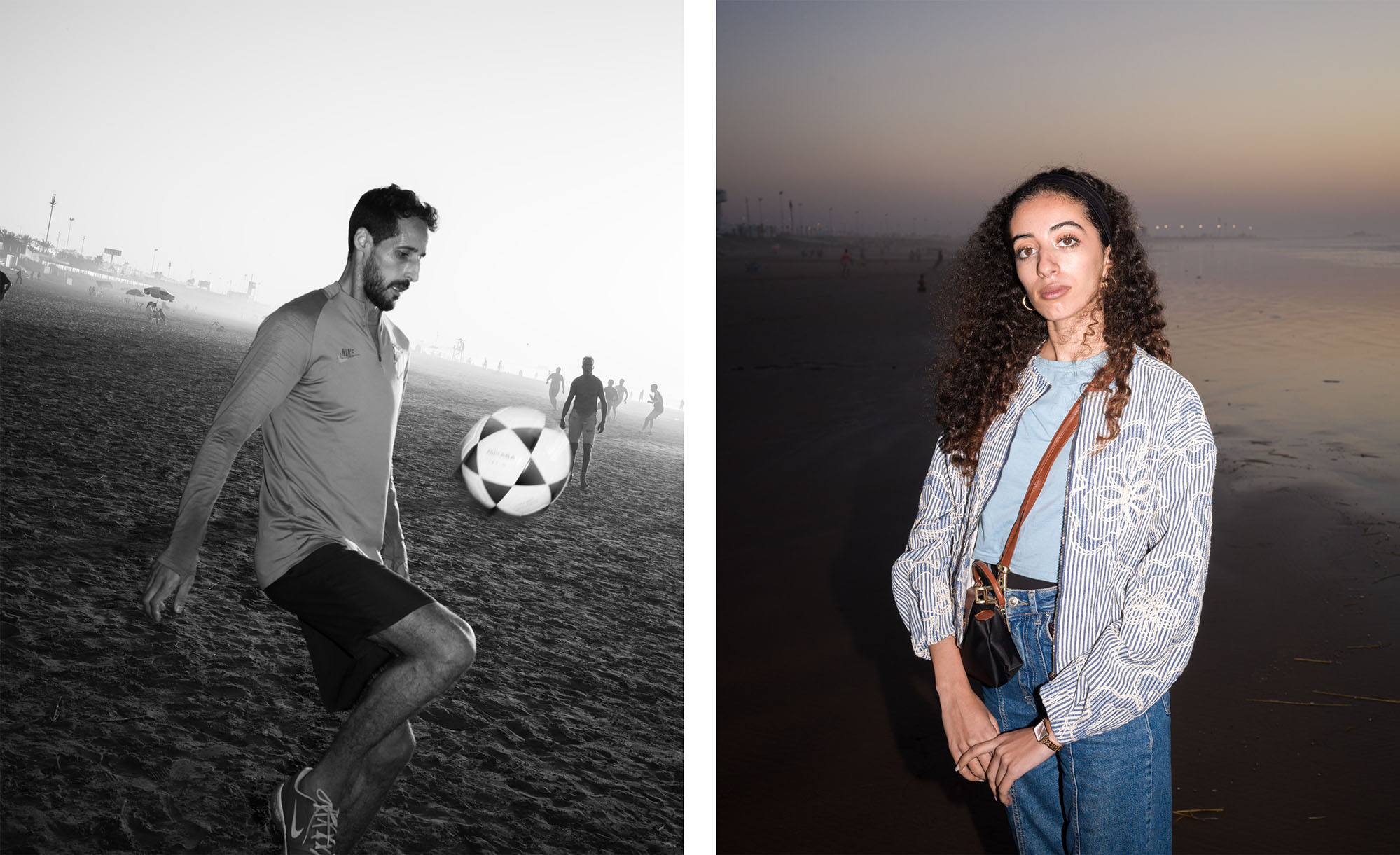
And so now to the totally uninitiated, how would you describe the Royal Mansour Casablanca? You know, because it’s not a large hotel, you know, like by industry standards, but it’s larger in terms of keys than the Riads of Marrakech. But so how do you just describe the hotel to someone who’s never heard of it, never been?
A city center, contemporary, ultra-lux, lively, busy, a lot of food and beverage. So it’s, it’s a complete dining destination. And because it’s a dining destination, it brings life and emotion to the hotel. I don’t, it’s not that I don’t believe in bed and breakfast because I do, I do stay often, you know, I was in London in a great hotel, which is in my mind, even if they have one restaurant, it’s more bed and breakfast destination. But, you know, the food and the drinks will bring what’s important to me, which is the life and the emotion. So Casablanca is perfect for them.
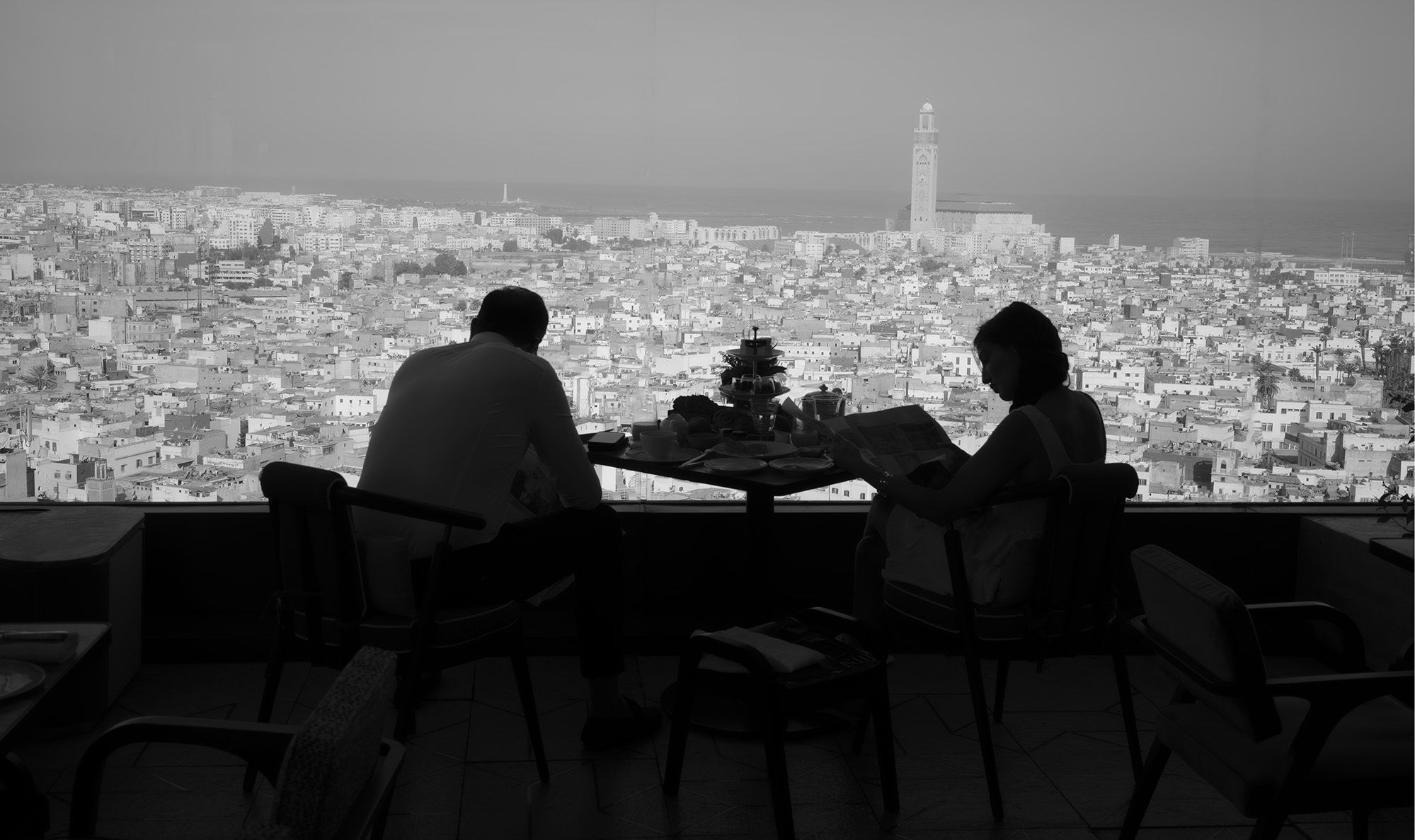
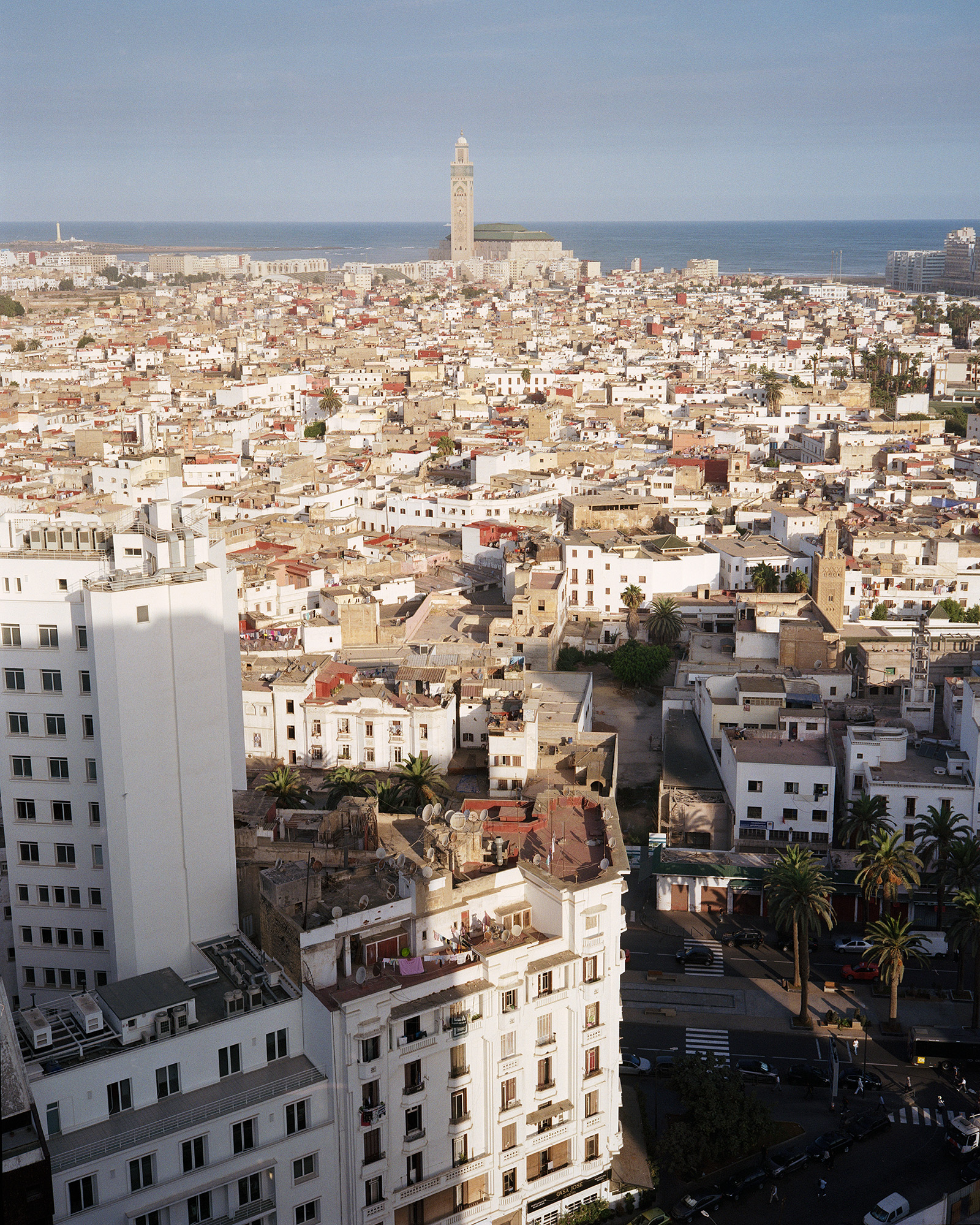
Good location, great location. Casablanca is, is a vibrant city. Casablanca to me, it’s a bit like Marseille in France or Napoli, you know, those harbor getaway into a country. Casablanca is very identical, you know, a lot of people come there as because that’s where they land or that’s where the, the boat will arrive, the ship will arrive, bringing that cosmopolitan ambiance, atmosphere. So no, the hotel goes very well. It’s, do I like Casablanca as a, as a, as a destination? Yeah, of course I have to say yes, but I’d rather live in Marrakech, that’s for sure. Do I like going to the hotel? I love it. I love to stay overnight in the hotel. I mean, there is something about the bedrooms and the view in the morning when you wake up and you open the curtains and you see the mosque and the sea and the Corniche. So I love going there, as a guest, I love going there.
What are the dining situations like, as you mentioned?
Dining is good, dining, Moroccan, of course. I mean, we have managed to get, you know, between Marrakech and Casablanca, I guess the top two Moroccan restaurants in the kingdom. We have a great French, with a French chef called Éric Fréchon, Michelin three-star from, used to be a restaurant in Paris, a great guy, very good, high quality, classic French food.
So you understand what you eat and you know what you eat and when you read the menu, you know what you’re going to eat, which is always reassuring. We have a Japanese sushi bar with a master sushi chef from Tokyo and we have a great Israeli chef called Assaf Granit, who’s performing at the rooftop at the hotel, offering food with music, with an ambiance, attitude. And the food is very, of course, you know, in that region, Israeli, Lebanese, south of Turkey, a little bit of Syrian food, but with a little twist coming from Asia and from Italy.
So you’re following the Marco Polo road, you know, starting from China, finishing in Italy. And Assaf Granit has been able to create a concept, create a menu, of course, with his own origin, but with Chinese touch, Italian touch, you know, depending on the countries Marco Polo visited. So it works very well. So very good food, very, very interesting food. If I go there just for one night, it’s always difficult for me to choose where to have dinner because I love the food.
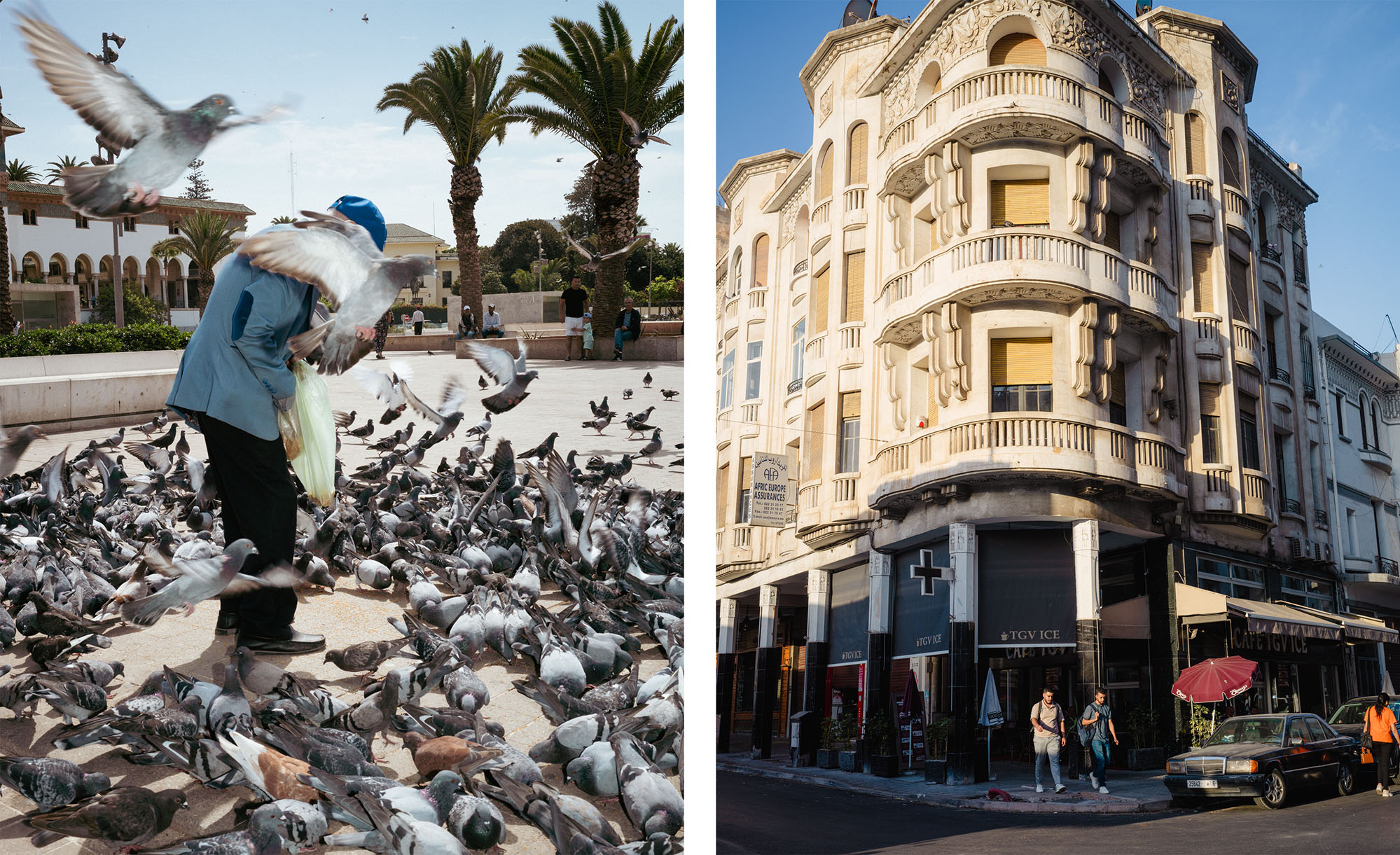
And, you know, I’ve never been, I’ve been to Marrakech, but I’ve never been to Casablanca. You know, tell me a little bit about the city, because it is sort of, it is the largest city in the country and it’s also, you know, business center.
In a way, it’s the economic capital of the kingdom. It’s a hub for the African tourists and business people coming into Europe. So stopping over in Casablanca or changing flights in Casablanca, staying overnight. Casablanca, it’s a big business destination, not just for the kingdom, but for Africa, for the continent. A lot of big Moroccan companies are now, they are now working in West Africa, in Nigeria, in Eastern Africa. So it’s a big business destination.
It’s by the sea, so it’s a big fishing, big fishing harbor. It’s, we do cruises now and it’s a big commercial harbor. So Casablanca, over the past 10 years, 15 years, it’s transforming itself from a good quality town to an extraordinary, vibrant, cosmopolitan and arty destination. Because now, obviously comes the shopping, comes the art, comes designers, you know, you have the business coming, we have the banking coming and you have all of that coming. And following that, obviously you have a new generation of designers, artists. So in a way, you know, Casablanca, it becomes a bit like Milan, Paris or New York or London, you know, not just business, but an all around destination where you find everything.
And obviously, you know, you mentioned the kind of the equivalent of say, Casablanca to say like the Milan of Italy or things like that. How would you describe this sort of the cultural differences between Marrakech specifically and Casablanca or someplace like Fez or, you know, in relation to other parts of the country?
I think Casablanca will become, in due course, the capital of fashion and art. That’s for sure. I think most of the designers will be based in Casablanca. We are looking at creating an event in Casablanca to celebrate, you know, the Moroccan fashion designers, but not just Moroccan fashion designers, but the African fashion designers. Marrakech, it’s in a way the south of the kingdom. You have a lot of things in Marrakech. Casablanca, I think, will take the lead in terms of fashion, in terms of more contemporary art. That’s for sure. I’m fairly sure of that. Fez, to some extent, but not as much as Casablanca. You have a great music festival as well in Casablanca called Jazzablanca. So Casablanca is reinventing itself. That’s a big mission, that’s a big ambition from His Majesty, is to make sure Casablanca is not just a harbour, but it’s a proper capital, economic capital, art capital, fashion capital of the kingdom.
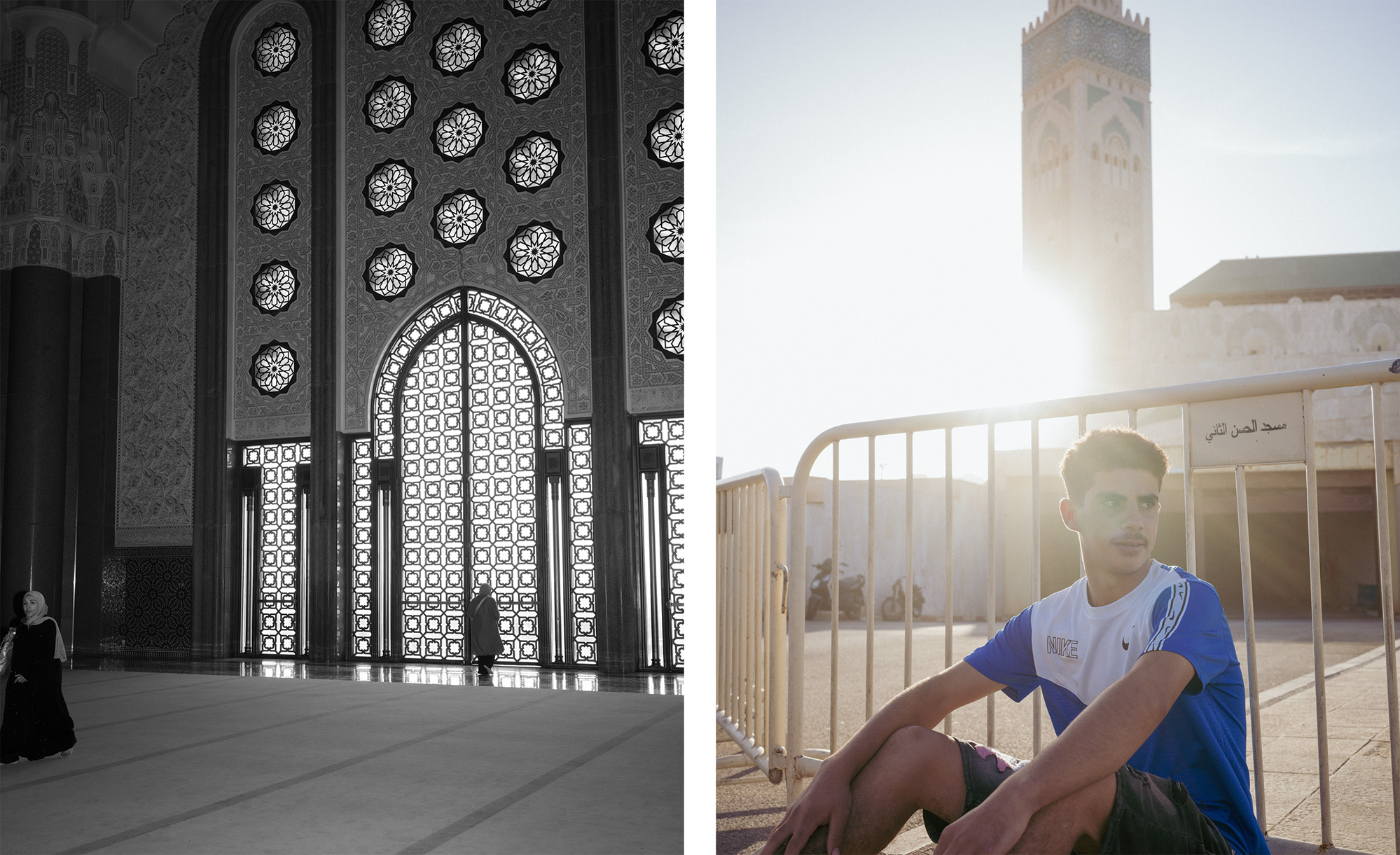
And a huge portion of the population in Casablanca is young, sort of under 20 years old. There’s a lot of street art and music and things like that. I believe you have some local experts that can help people navigate a street art scene if they want to take a little tour. How does that add some flavour to the town?
I think it’s good. I think it’s important when we have guests, visitors, guests, or a small group of guests, asking what could we do. It’s always nice to propose one of those tours, street art. We do that as well. You know what a sidecar is? You know when you have this motorbike with a little…
I was thinking sidecar, the cocktail, but yes, the motorcycle sidecar.
The motorcycle sidecar. And we organise little tours in Casablanca. The guests love it. It’s a perfect way to discover the capital, discover the city.
What kind of feedback do you get from people that do those tours?
Oh, they love it. It’s so different. And you know, Casablanca is a bit different from New York. It’s a place where you can stop, you can walk, you can smell, you can touch, you know, there’s a lot of sensuality in that.
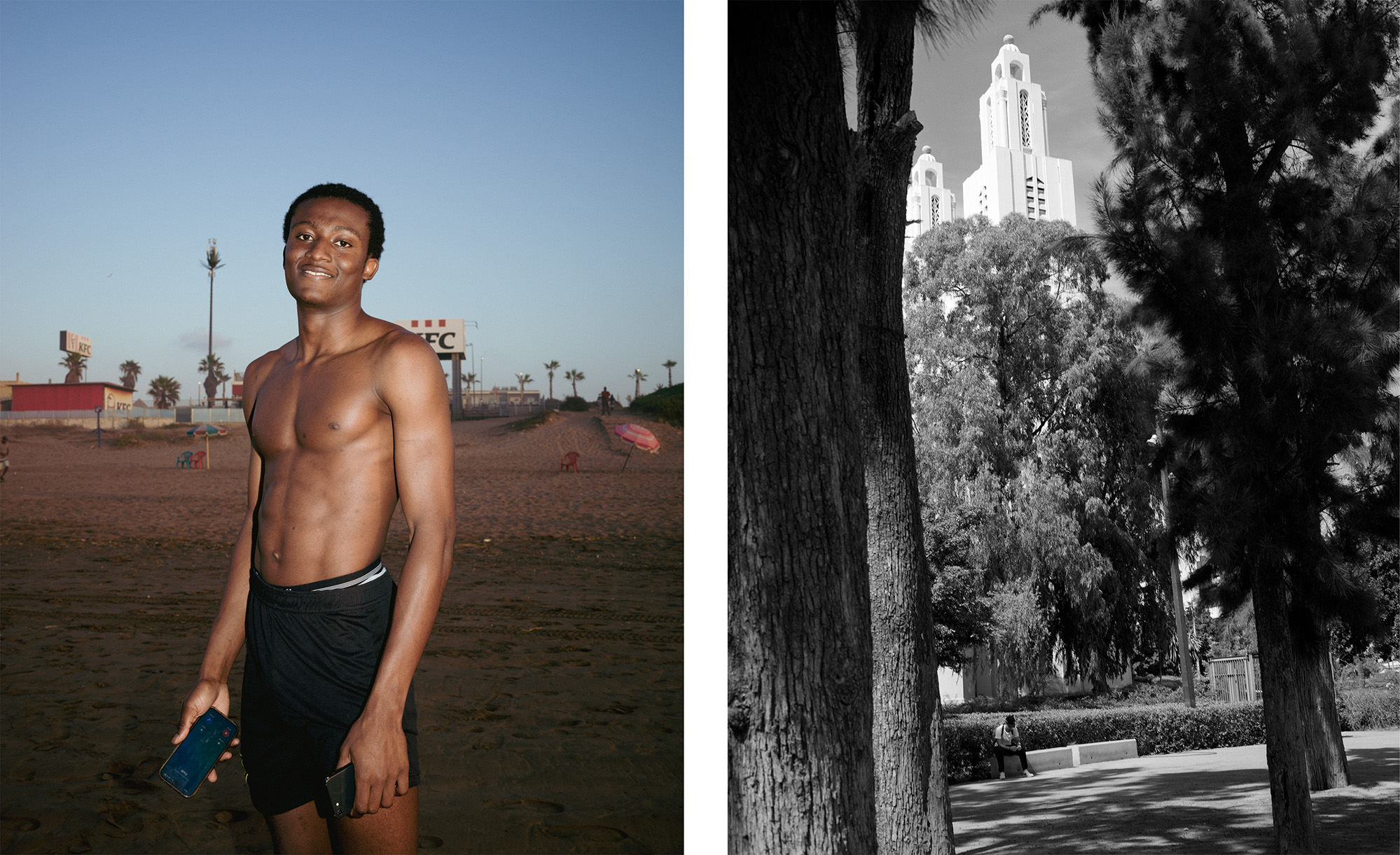
And you know, if someone had a free weekend in Casablanca and they were staying at the Royal Mansour, what kind of itinerary would you give them?
Casablanca? First of all, I would walk. I think it’s one of the cities where you can walk. You would walk from the hotel to the Corniche and the Hassan II Mosque, which is one of the largest mosques in Africa, or the largest mosque in Africa. And again, not far from the hotel, within 10 minutes, I would walk to what we call Le Petit Paris. And Le Petit Paris, it’s like a historical centre of Casablanca. And it’s full of beautiful Art Deco buildings. Some in great condition, some not in so great condition. But walking around, you have those beautiful… You know, you have in Florida, in Miami, you have some of those beautiful buildings too. So it’d be a place to walk around, you have the Central Market there. And then when you’ve finished that, you then go to what we call the Quartier Habous, which would be one of the original…
Not the Medina, but Habous would be one of the original district of Casablanca within 10-15 minutes walk of here. And you walk around, you’ve passed the Central Market, you have lots of street food, beautiful little buildings. You have the life and the buzz of the city. So that’s if you want to walk. But then you have a couple of nice destinations to go and visit. Villa des Arts, for example, which is a beautiful museum, about 20 minutes from here. A 1930 Art Deco, which you would love. Beautiful design. And the other one I would suggest would be the… It’s what we call a foundation, the Fondation Abderrahman Slaoui. The guy is dead now. He died 2000 or 2001. He was a business guy, but he was a great art lover. And he was able to create a beautiful collection of Moroccan art, jewellery, paintings. So that would be very interesting to see, because it’s a beautiful building, quite stylish.
So if you want food, street food, Habus, Marché Central, go to Le Petit Paris. If you want more arty destination, Villa des Arts or the foundation Slaoui. I mean, that’s what I would do on a weekend.
And we spoke a little bit about the time of year to visit. What’s the best time of year to visit Casablanca? What would you say is your ideal time to visit?
I guess all year round, but let’s say March to November. Yeah, maybe I would avoid late November to early March. Not cold, but it’s not as sunny as such as Marrakech. So it’s always a little bit cooler. But yeah, I mean, they get fog in the winter that we don’t. Yeah, March to November. Good time to go.
And what’s next for the Royal Mansour Collection? I believe you mentioned that there’s another hotel after Tamuda Bay coming at some point.
Did I say that?
You did.
I don’t remember mentioning. But there are others on the horizon. I mean, the collection will not stop at three.
I mean, we’ve now started work and if you go on Google Maps, you will see what we’re doing. So no, we are now working on Rabat, the main capital. Rabat is about 45 minutes, one hour away from Casablanca. It’s where His Majesty has his principal palace. And so I guess, you know, after the first three, Rabat was the next one, the important one to do with the same ambition, you know, develop the destination, develop the people, you know, develop quality, ultra-lux. So Rabat will be spectacular.
And before we say goodbye, is there anything that maybe perhaps I haven’t mentioned about Casablanca or the hotel there that you might have wanted to mention or speak about?
What else could I say? I forgot to say that, you know, if you love sports, Casablanca is a great surfing destination. So Casablanca is the California side of of the Mexican kingdom. And there is an actual district in California.
But on the water, I guess, where the surfing is?
No, no. I mean, yeah. I mean, if you walk on the Corniche, it’s very much like, you know, we’re walking around in L.A., South L.A., you know, the guy doing jogging, fitness and people cycling and walking the dog. It’s a very, very similar ambience, very similar atmosphere. Casablanca, if I say, maybe to finish, you know the movie, you’ve seen the movie maybe once, twice, three times. You know that maybe 95% of the movie was filmed in Hollywood and not in Casablanca. So a lot of people identify themselves with that movie, but Casablanca has changed. You know, that movie must be, I don’t know, 60 or 70 years old now. Casablanca has changed. Casablanca is now… Sure, I mean, we have our feet still in the past, but we are looking at the future. We have a mission for what we call 2030, which is, you know, the soccer World Cup coming into the kingdom.
So a lot of things happening, a lot of development in terms of the various cities and stadiums, hospitals, motorways, high-speed train. So we are, you know, doing whatever we can to modernize this country, the kingdom, away from that old image of the movie. But a lot of people know Casablanca because of the movie, so we’ll accept it. But even if it was not in Casablanca, but people love it.
Thank you to everyone at Alice Marshall PR and to Megan Dawe for making this episode happen. The editor of The Grand Tourist is Stan Hall. Don’t forget, this podcast is part of our hardcover spring print issue, available for purchase online now at thegrandtourist.net. And sign up for our newsletter, The Grand Tourist Curator on our site as well, and follow me on Instagram @danrubinstein. And follow The Grand Tourist on Apple Podcasts, Spotify, or wherever you like to listen and leave us a rating or comment. Every little bit helps. Til next time!
(END OF TRANSCRIPT)
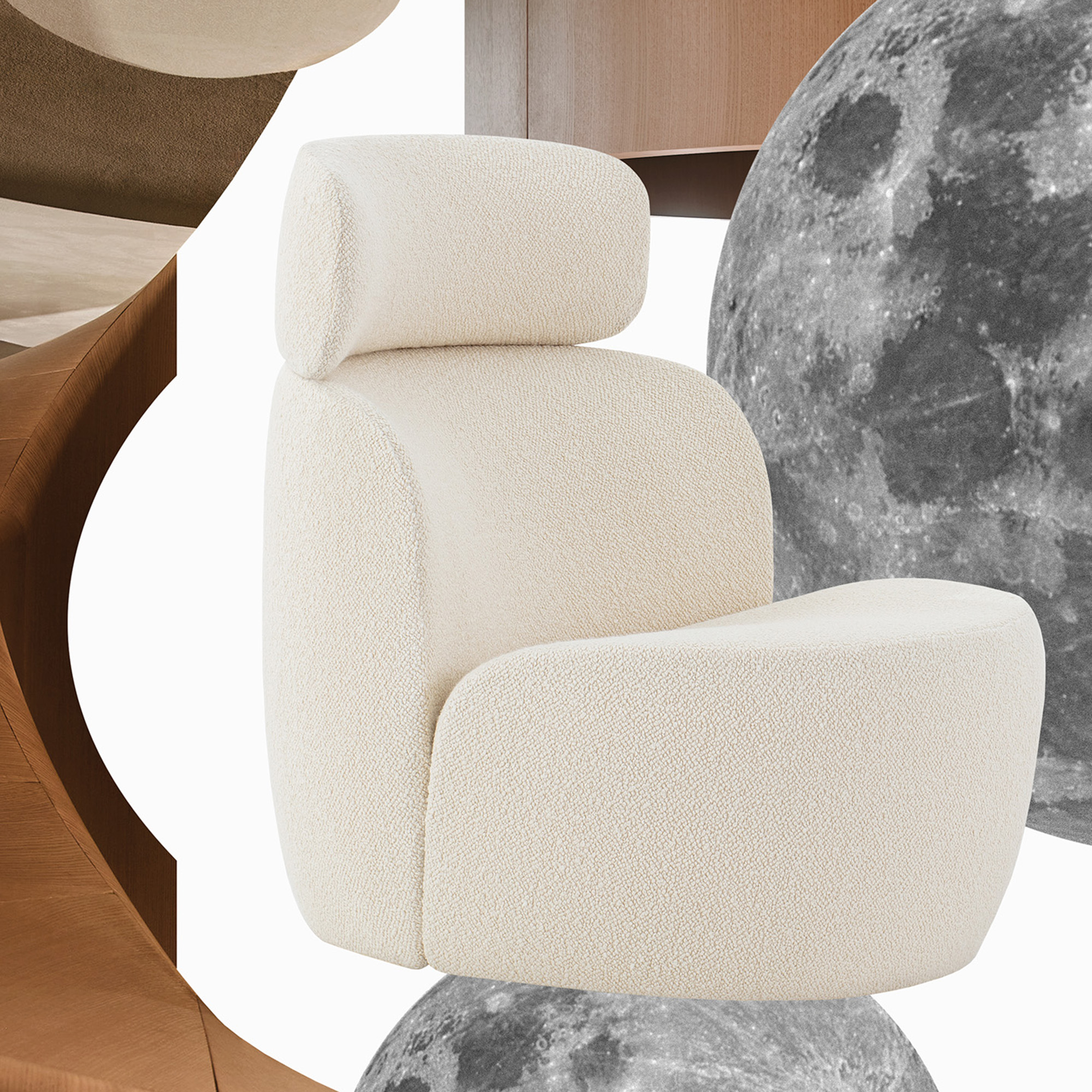
In Milan, we sat down with the brand's Laura Anzani to discuss the family business over coffee, and what it has planned for New York and beyond.
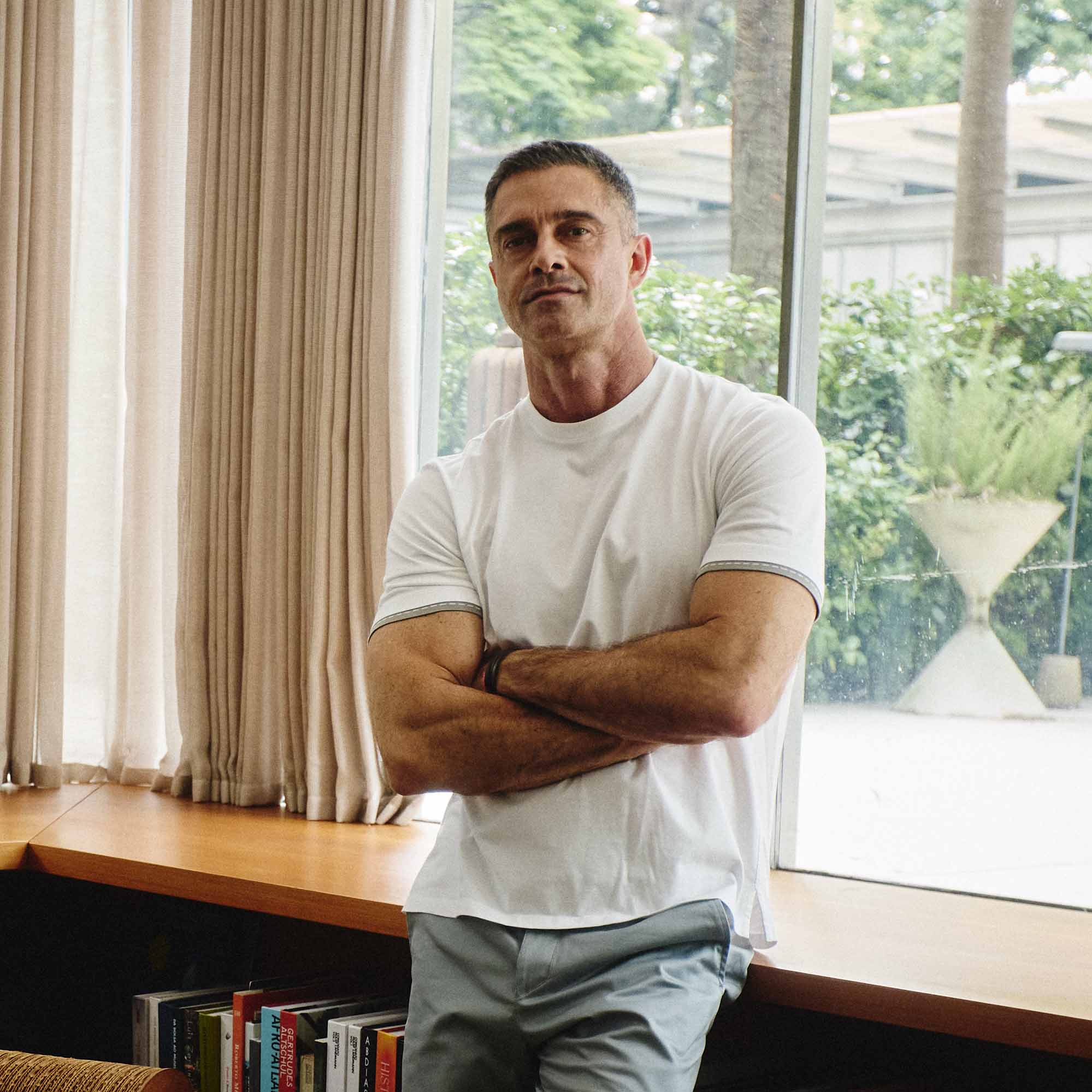
The Brazilian interior designer has quickly risen the ranks of New York design with a vision shaped by his father, the celebrated product designer Oswaldo Mellone, his first job with Robert A.M. Stern, and much more.
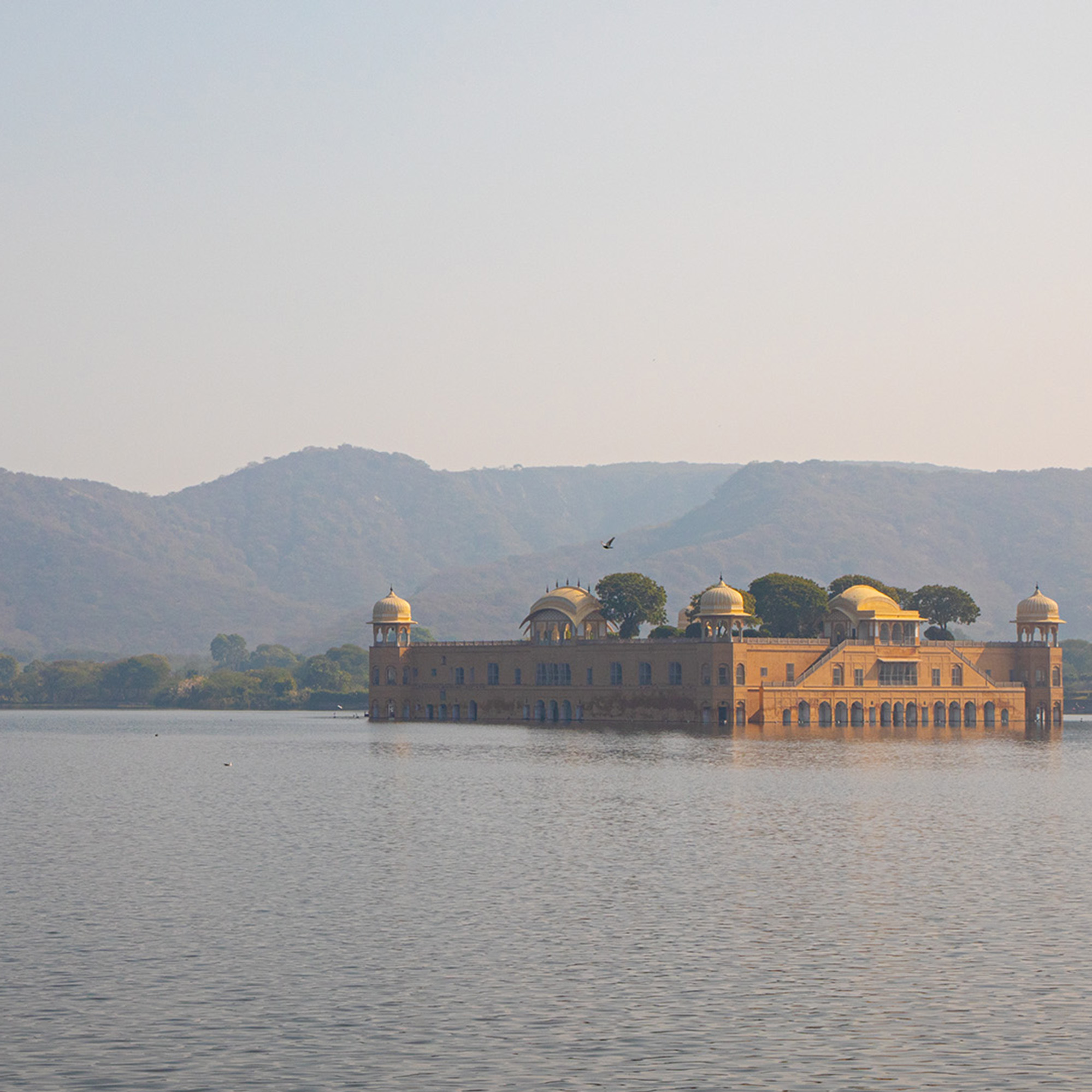
This lavishly photographed tome gives readers a closer look at the colorful and lively destinations and resplendent interiors across the Indian region.