In London, a Landmark Exhibit Reveals the Many Sides of Black Design
With more than 100 objects spanning architecture, fashion, and furniture, Charlene Prempeh’s exhibition maps a global, nuanced picture of Black design—and invites others to keep the story going.
November 13, 2026By
HELENA MADDEN
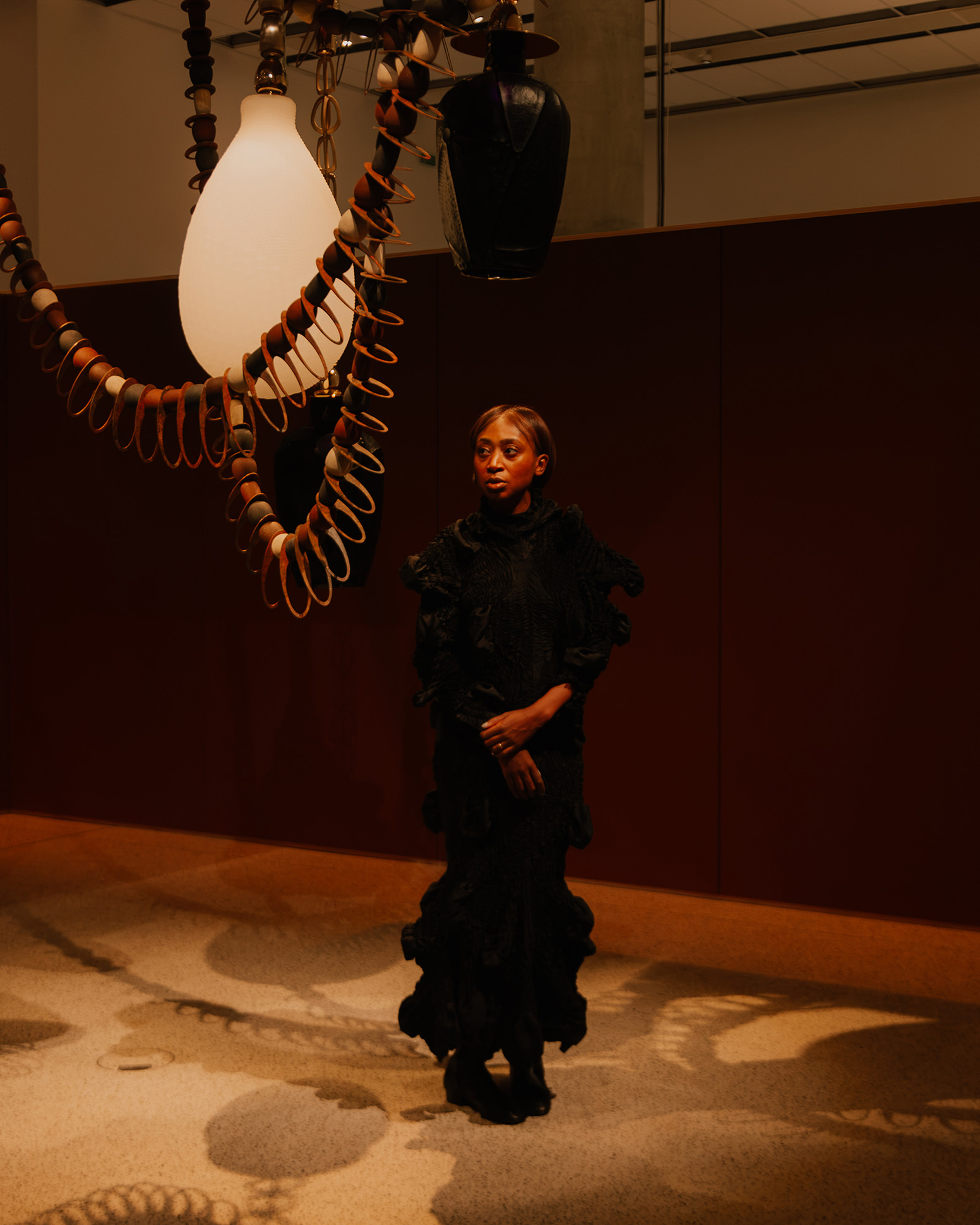
Charlene Prempeh, who guest curated the show. Photo: Christian Cassiel
When Charlene Prempeh began working on her first book, she wanted to shine a light on Black designers who, historically, hadn’t been given their flowers. The end result was a sprawling tome that documents these names across the worlds of design, fashion, and architecture: Now You See Me: An Introduction to 100 Years of Black Design. However, the research process wasn’t a straightforward one. “It became really clear to me that there was an absence of that design in the canon,” she says. “It wasn’t easy to find books, it wasn’t easy to find exhibitions… there just wasn’t material available.”
Prempeh, the founder of creative studio and art consultancy A Vibe Called Tech, dove into the writings of Larry Neal and Trey Ellis, and sought to continue their larger conversation about Black design in a modern context. The result of this project is “The Nue Black Aesthetic,” an exhibit that she guest curated at London’s Design Museum, and one of the most extensive presentations of contemporary Black design ever held in the United Kingdom. The show runs through August of 2027, presents over 100 objects, and explores the question of what it means to be a Black designer working today.
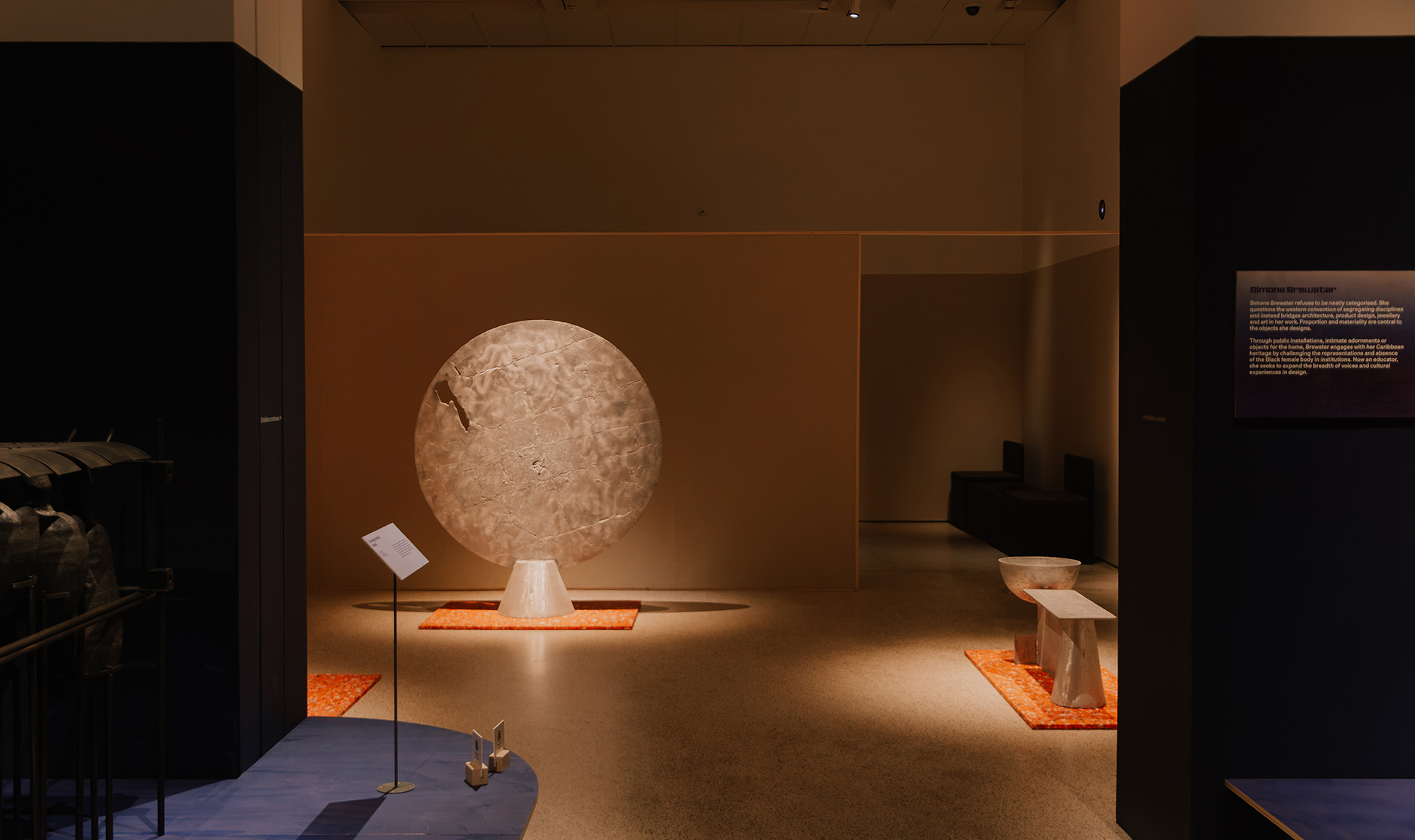
A screen and bench by Nifemi Marcus-Bello; part of the Nigerian designer’s Oríkì series. Photo: Christian Cassiel
It’s a question that feels especially important in our current moment. Following the murder of George Floyd in 2020, there was a reckoning in the world of design, prompting galleries and museums to reassess their predominantly white programming. Just a few years later, that enthusiasm has noticeably waned—a regression that hasn’t gone unnoticed by Prempeh and her peers. “It still raised the bar. There needed to be some work done in the space. I’m not saying it was all corrected, but we were starting from a better place,” she says. However: “There’s this public narrative now that it’s okay to be racist again. And it’s not a quiet retraction—it’s quite a violent retraction. The level of how aggressively it’s gone backwards is making us fight back, and it’s sparking a response. This, for me, is part of the response.”
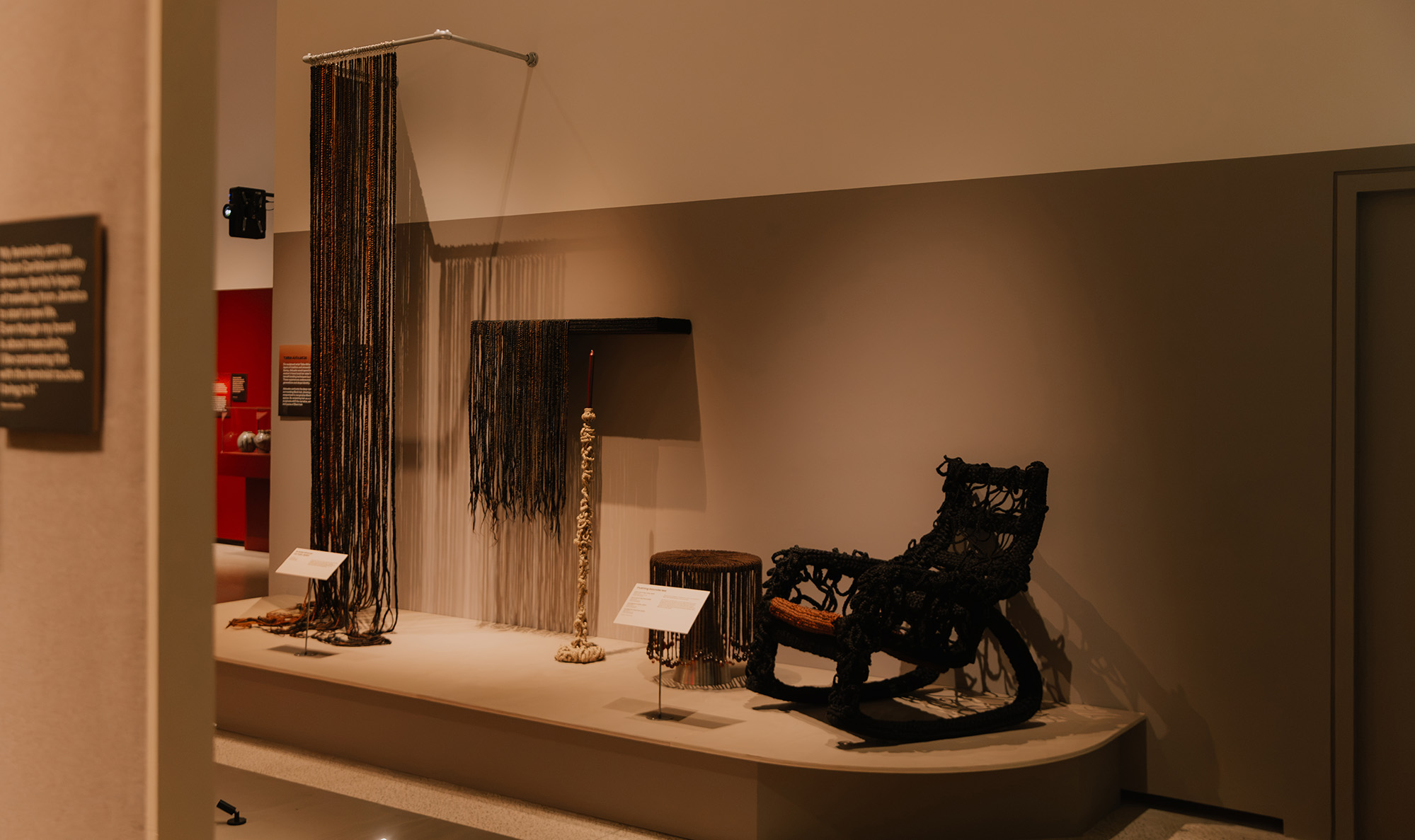
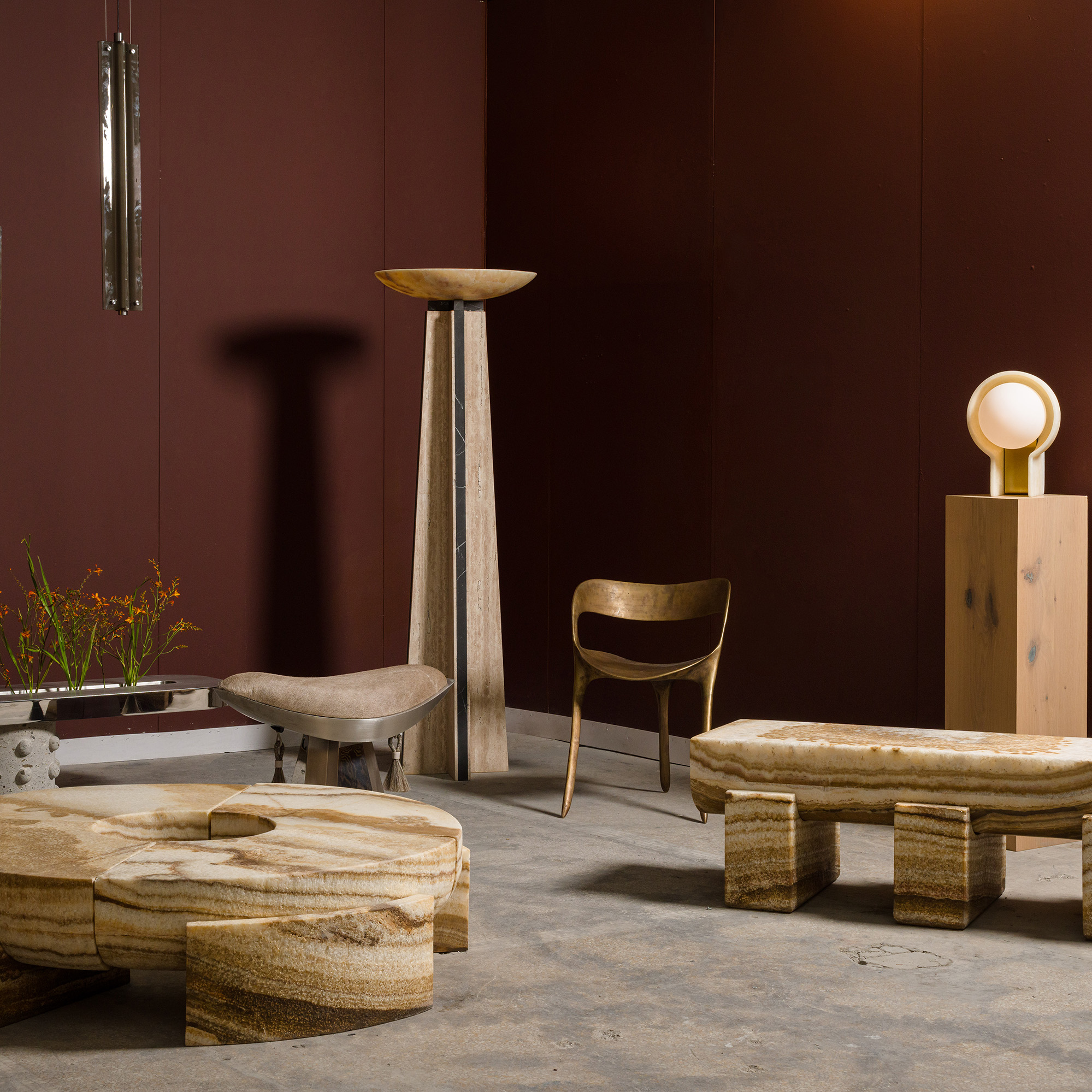
Furniture by Taiba Akhuetie, presented as part of the “identity as inspiration” section of the show. Photo: Christian Cassiel
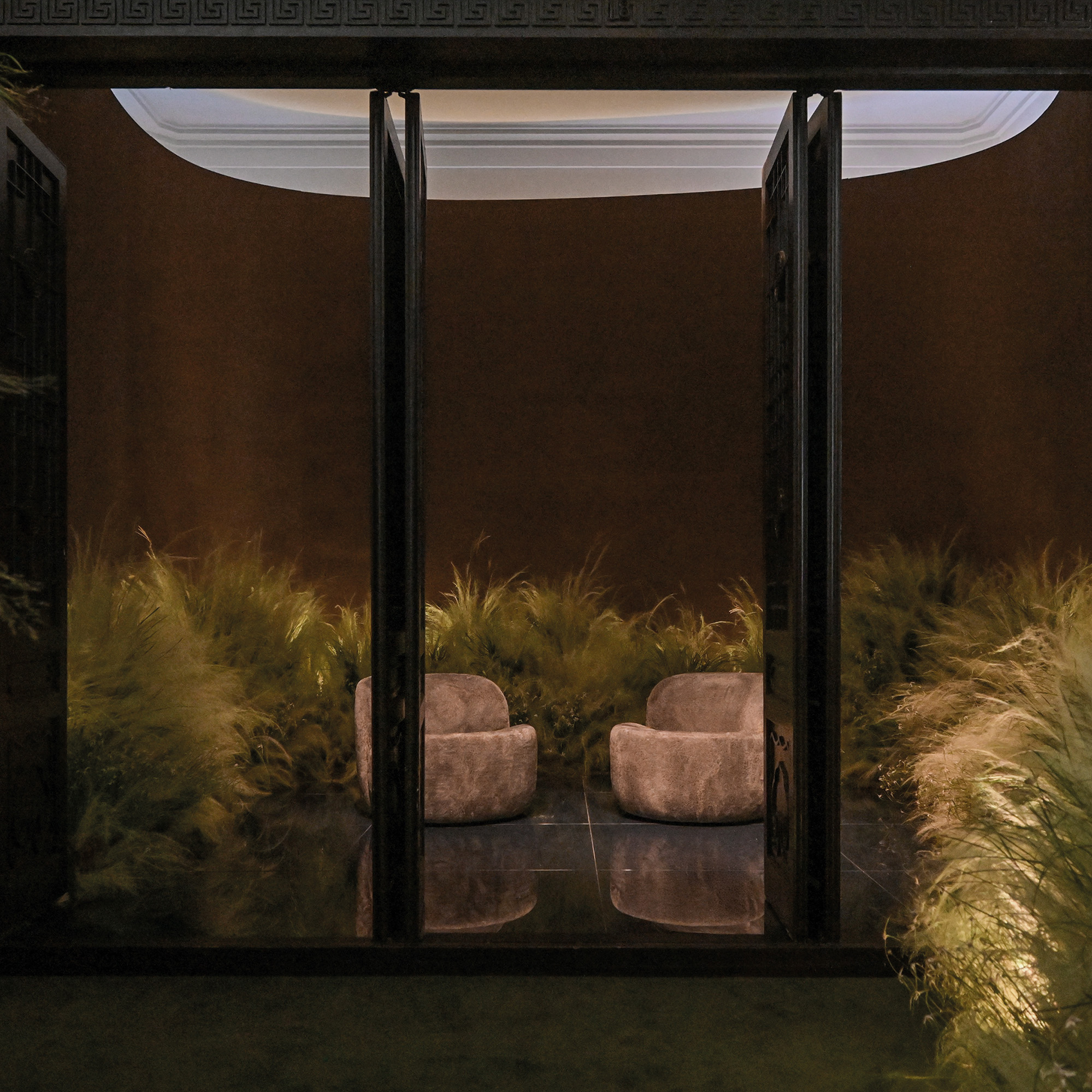
Within the exhibit, visitors first explore milestones in Black design that span seven decades, setting the scene for the contemporary works that follow. The selected pieces are from designers all around the world, and are divided into three sections: identity as inspiration, where designers are mining their culture and personal backgrounds; community building, where a community facilitates the work or is brought together by it; and rethinking the system, in which Black designers challenge exclusionary, often colonial systems in design. Highlights include a suit designed by Bianca Saunders, which Usher wore to the Met Gala in 2023, a chair and lampshade made of synthetic hair by Taiba Akhuetie, and architect Giles Tettey Nartey’s contemporary twist on a balafon, which is a type of xylophone that originates from West Africa.
Prempeh deliberately chose a global roster for the show. “Black design can’t be spoken about like a monolith,” she says. “What I was finding was that it was so specific. People are homing in on a very particular part of their culture, or a particular part of the Black experience.” Akhuetie’s pieces reframe Black hairstyling as a positive communal ritual against a backdrop of Eurocentric beauty standards, Nartey’s work speaks to how the Western design canon perceives West African design, and Saunders’ suit challenges hypermasculine stereotypes. The show ends with a film by Samona Olanipekun, which documents the designers featured in the exhibition, followed by a site-specific chandelier by Nigerian-American designer Ini Archibong.
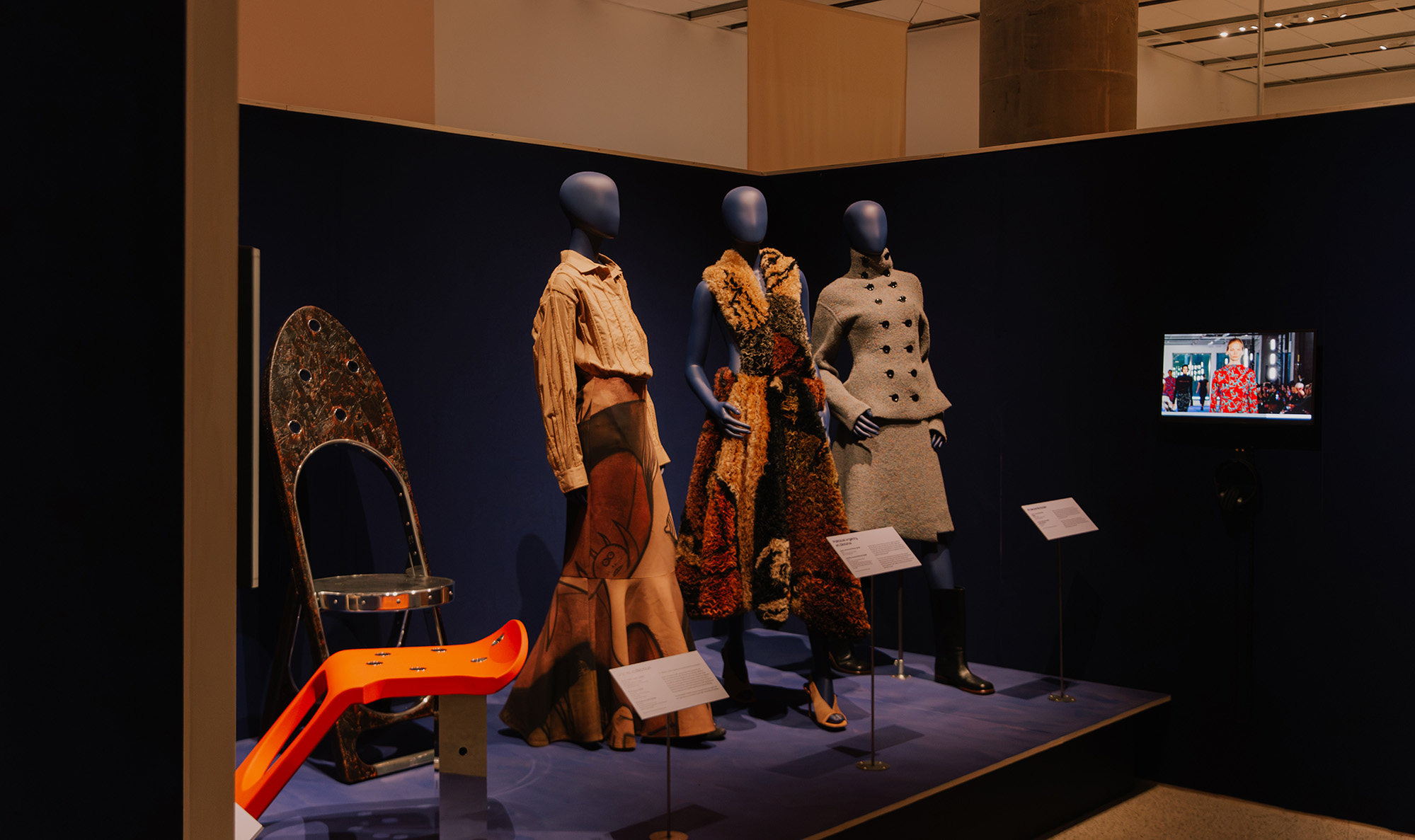
Garments by Rachel Scott, a collaboration with the Estate of Wifredo Lam. Furniture designed by Samuel Ross. Photo: Christian Cassiel
The show, she hopes, serves as the starting point for a much larger movement. “What’s great about it is that it insists on some level of education about the different cultures that are presented,” she says. “So if you’re reading about Rachel Scott’s collaboration with the Wifredo Lam estate, then you’re going to learn about Lam, and that he was a modernist painter and an activist. It’s helping piece together not just Black design, but also Black history.” She hopes that showing this more global, nuanced perspective will prompt visitors to continue exploring the canon, and to rethink their stereotypical ideas of what Black design can be. “The show is very counter to typical ‘representation,’ which I’ve always found mildly offensive… all the wax prints, and the assumption that African design or Black design is all just bright colors,” she says. “You won’t see a sliver of that in the show. I wanted to show a breadth of materials and styles that weren’t in that space.”
It’s a documentation process that Prempeh began while researching her book, and that she looks to continue with this exhibition. “This isn’t everything. This is just the beginning,” she says. “I hope other people take this even further.”