Go Inside the Collection From Poliform That Heralds Design’s Future
In Milan, we sat down with Poliform's Laura Anzani to discuss the family business over coffee, and what it has planned for New York and beyond.

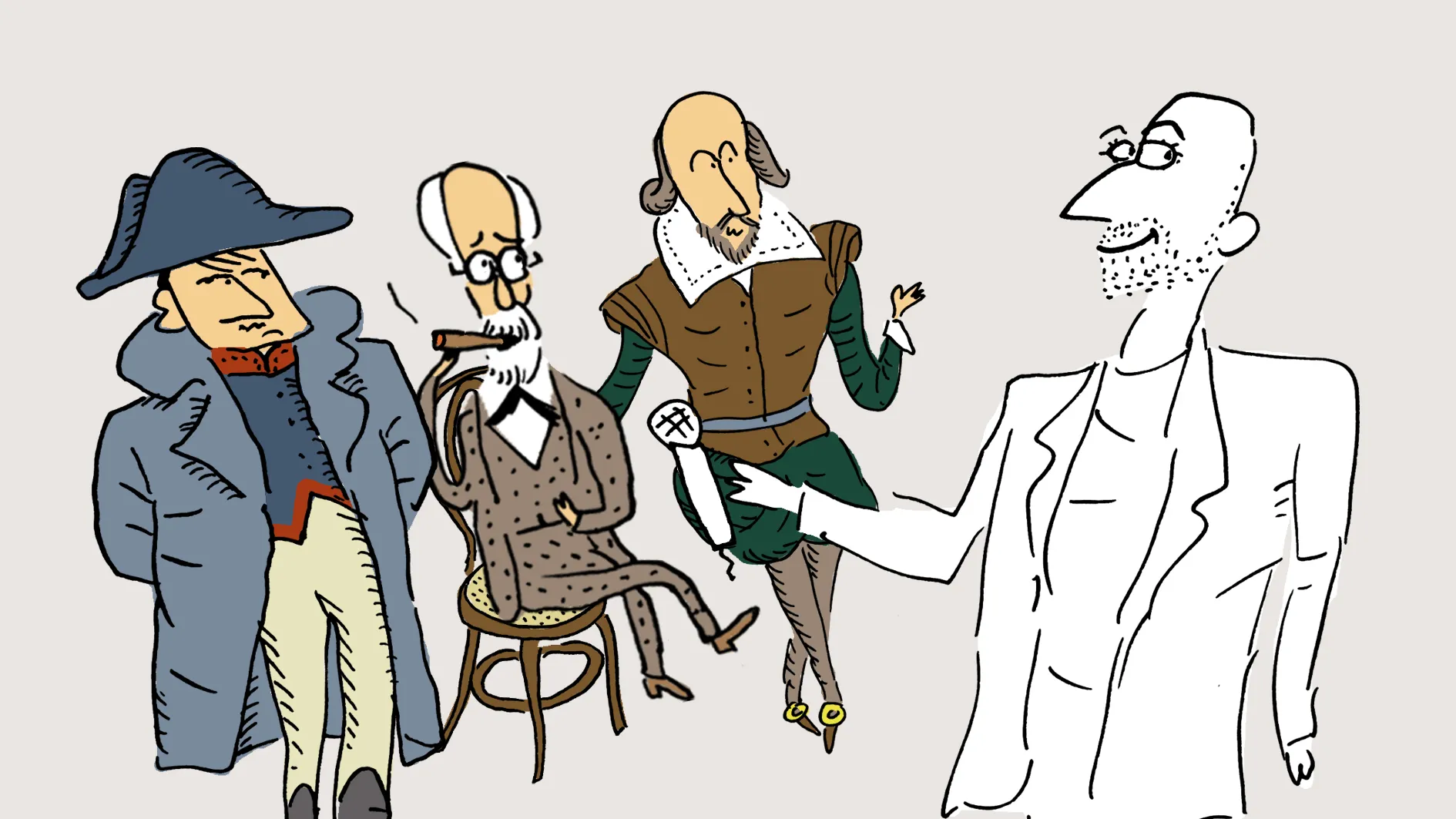
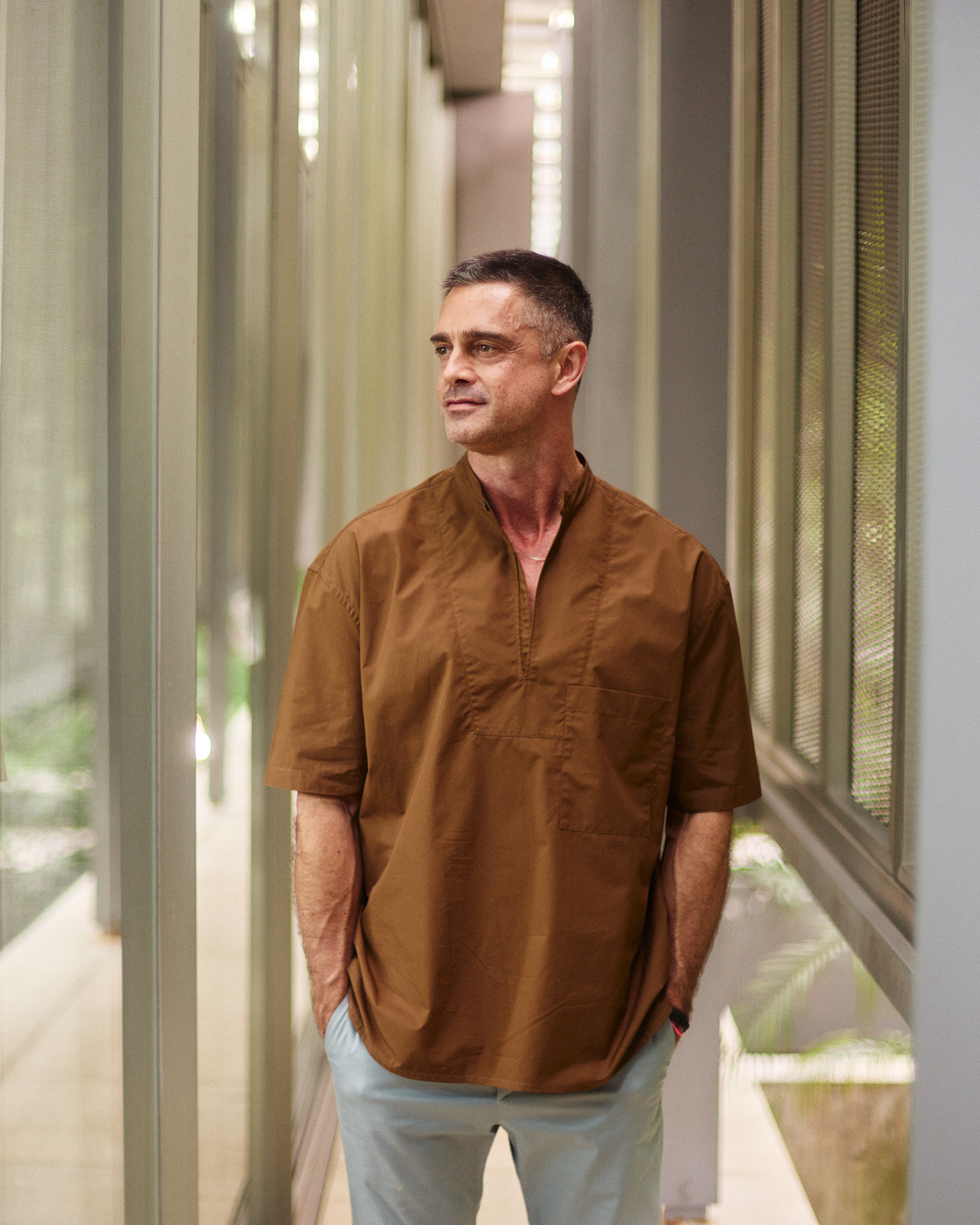
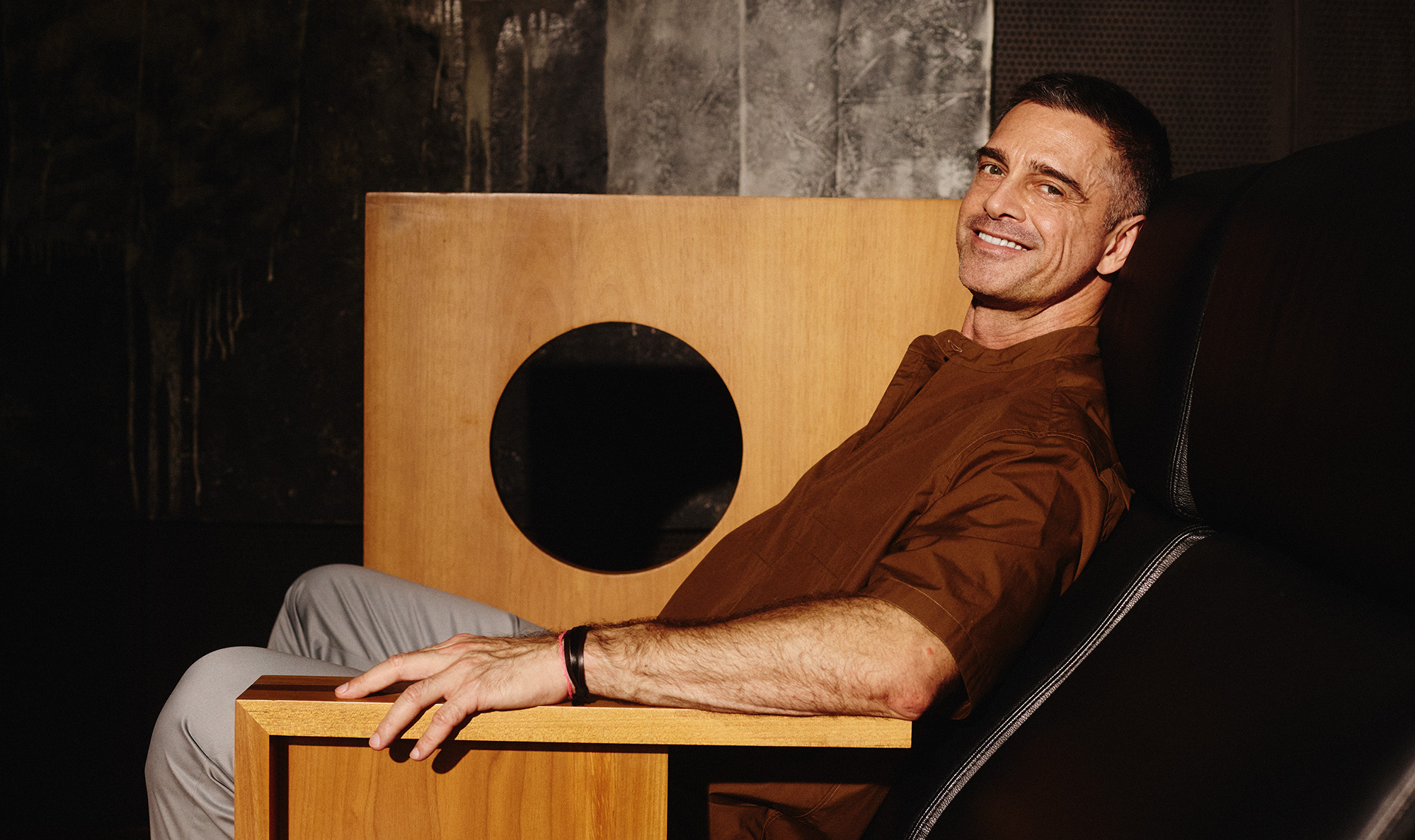
Interior designer Andre Mellone has become the go-to designer in New York for the well-heeled, known for his fashion-forward blend of raw style and modernist rigor. On this episode, the Brazilian-born talent talks to Dan about memories of his father, the celebrated product designer Oswaldo Mellone, landing his first job with Robert A.M. Stern, making the leap from architecture to interior design, the thinking behind his new collection with Nordic Knots, his advice for the next generation, and more.
This article is featured in our Fall 2026 print issue, available soon.
You know me, I’m a sucker for a good campfire story. And shared family stories, especially between siblings or parents, are especially my speed. I’ve been a fan of New York–based interior designer Andre Mellone for years, as is most of the scene. And what’s not to like? His projects exude a sharp, midcentury eye with subtle shifts in color and a keen awareness of architecture. His look can seamlessly translate from a tony residence to a fashion boutique for the likes of Carolina Herrera. His new line of rugs with hot-to-trot brand Nordic Knots has received rave reviews. And his curation and design of a penthouse Manhattan space for Galerie Gabriel shows that he’s not just a handsome face—he once walked the Hermès catwalk, after all—but someone who really knows his stuff.
When Andre and I first began speaking about a podcast together, it was meant to be with his father, Oswaldo Mellone, a celebrated Brazilian industrial designer. Sadly, Oswaldo passed at the age of 80 before we could record, but ultimately we decided to move ahead. On a recent trip to São Paulo we captured the rising star at a home he designed for his sister that combines his own personal tastes with a bit of familial love thrown in. While the impact of his father was foremost on his mind, he was also keen to acknowledge the other mentors in his life who guided him along a path of self-discovery.
Growing up in São Paulo, design must have been a big part of your life. What are some of your earliest memories?
My earliest memories have to do with design and specifically with my father. My earliest recollection is the fact that inexplicably, my dad had a drafting desk in the middle of the living room. For me, that just seemed normal. I never understood what was happening there until later in life. From my perspective as a child, I could just barely see what was on the surface of the desk. I remember the sound of tracing paper and of a pencil scratching on the paper and the models and prototypes. So, from an early age, design was just what I walked into and, in the way that I connected with it, inherited.
What was your household like?
My dad, being an industrial designer and not an architect, was involved in every aspect of its aesthetics. He designed our house with his architect friends. So I grew up in a modern house. We had exposed CMU concrete walls, flat ceilings with large overhangs outside, floor-to-ceiling glass. And the whole house was carpeted in a chocolate-brown low-pile carpet with all the examples of midcentury furniture that you can imagine: in our dining room was a white Eero Saarinen tulip table, Harry Bertoia chairs, a Poul Henningsen pendant lamp, and so on. The living room was sunken into the main space with waxy terra-cotta tiles. To each side, there were two built-in banquettes. And his drafting table was in the middle.
Was your mom totally thrilled about that?
My mom always jokes that she has no talent and knows nothing about design, but she could tell the difference between what’s cool and what’s not. And she loved it.
Can you tell us about your father, the industrial designer Oswaldo Mellone? I am so sorry for your loss.
I know, it’s a little bit bizarre. I think it’s good to acknowledge that you and I started talking about doing an interview with me and my dad, and unfortunately he recently passed away. His interest was always product. He was always interested in how design really affects everyone’s life. He studied industrial design in Brazil and then went to Tokyo for his graduate studies. I remember, because he was gone for a year and when he came back, in a matter of like two weeks, our house had tatami floors and sliding screens and everything was stripped and very ultra-minimal. This time that he spent in Japan was very influential. When he came back he was incredibly talented. I can’t express how much.
It was very easy for him to insert himself into the environment in São Paulo. In the late 70s, he started working with the furniture designer Jorge Zalszupin, who at the time had a business called L’Atelier. They did collaborations with large-scale companies that produced things in injected plastic and concrete. The big division between them was that Jorge always had this interest in doing beautiful, unique, handcarved pieces and my dad’s interest, little by little, was in mass production that can reach everyone. He had this sense of democratization of design, that everyone should have access to good design. Later in life, he had his own design businesses with his wife and continued to design products and do collaborations with other companies. In Brazil, he’s revered as one of the greats. People say that he was the last true Brazilian midcentury designer left.
Were you interested in design as a kid?
I was always into design, but funny enough, though my dad recognized that in me very early on, he was not very supportive of me pursuing the profession. He knew firsthand the challenges and the difficulties related to creating a niche for yourself and breaking through in the industry. And he always joked and he would say, “You’ll never make any money,” which I was always like, “Well, how are the bills being paid?”
He was a big proponent of me studying business. His thinking was, whatever you decide to do later, you need to be a businessman first. He believed you needed to do other things, prepare yourself, before you design a chair. Now I am a businessman whether I want to be or not. And I understand where he was coming from, but it was very difficult for me to not have his support. It was a struggle between really thinking about what I was going to do in life and feeling confused about not having 100% support from a father who does exactly the same thing. But all of that came to clarity later. I completely understand where he was coming from and his intention. And obviously, his pride and absolute love and respect for me. But it was hard to translate through a 16-year-old mind.
Your first job out of school was for the architect Robert A. M. Stern, who was also a guest on the podcast. That firm is such a powerhouse, but so different from what I think of when I think of your work. What was that job like?
When I graduated in 1994, there was a bit of a crisis in the industry. There was a recession, firms weren’t hiring, and I was another graduate with the exact same résumé as thousands of others. At that time, we were writing letters, folding our résumés, and mailing them to architecture firms. Bob was known for his style of presentations and these gorgeous watercolors that they produced to showcase their projects. Well, for one of my years at Syracuse University I studied in Florence, where I did a lot of sketches, watercolors. I thought that maybe they’d like to see that, so I included some sketches with my résumé, which basically consisted of my school results and some internships that I’d done in Brazil at architecture firms during the summer.
I got a call, went for an interview, and was hired. The salary was barely enough for me to pay my rent. I can’t remember how I ate. I ended up being there for four very intense years, but it was full of knowledge. It was my first experience in what it means to be an architect, to be a designer. How do you comport yourself? How do you speak to everyone? It was all of this, but also an aesthetic organization. How do you set up a sheet? How do you compare a plan to an elevation? How do you scale a detail? Those were invaluable lessons. It was a school for all of those reasons, more than from a design point of view because the design was almost self-evident. We were doing big, fancy houses for rich people, and there was a certain formula. But the real value for me was the experience.
You switched to interiors when you worked for Mark Hampton, one of the very best in the business and quite influential. Why make that change?
After four years at Bob Stern, I realized that I hadn’t learned anything about living in New York City. Here I was, sliding into my early 30s and living in the center of the world, according to me. And I had zero experience in life, because the philosophy of working in an architecture firm like Robert Stern is that it is your life. Literally, I woke up early, went to the gym, took the subway, and went to the firm. I never left the office until 9:30 or 10 o’clock. No extra hours, no overtime, nothing. It was just how it was. You went to work when there was a blizzard outside.
From my father, because of all the influence he had on me, I had this desire to explore furniture. I wanted to know more about interiors, how to lay out a room—how to live, and so on.
When I met Mark, I was completely seduced. He was a dinosaur, in the best sense of the word. He was one of the last grand gentleman decorators who not only did his job but lived his job. He was part of the life; he was friends with the clients, he socialized with them, he knew everything about how people live. And he knew everything about architecture, about music, about art. That doesn’t happen overnight. Something was revealed to me that was the knowledge you need to be able to do what we do.
As in a more holistic understanding of design—not just drafting day after day, in a suit and tie?
Exactly. That was the philosophy at the architecture firm. At the decorating firm, it was “Did you go see that exhibition? Did you go out? Have you tried that restaurant? Did you go to the park?” It was the opposite. Don’t get me wrong, it was just as intense from a work point of view, but the mindset was different.
How long were you there before you went off on your own?
I was there for a year. Mark was not in very good health and in the end, unfortunately passed away. He was the one who said to me, if something happens to me, go work at Ferguson & Shamamian, these very serious classicists who were basically designing the houses that Mark was decorating. And that’s what I did.
They understood me and what I could bring to the firm. So, I was sketching rooms, I was the concept guy. I wasn’t drawing architectural details or anything technical. They used me as a creative person. Then one of my great friends, Brian Sawyer, who was the head of the landscape department at Robert A. M. Stern, and another Bob alumni, John Berson, opened a very successful firm called Sawyer Berson. I worked with them for a really wonderful year. But that was what prompted me to go on my own.
What was your first big commission?
My first big commission wasn’t a house or residential project. It was an office, a studio for Giovanni Bianco, who was at the time one of the top creative directors—now this word is used very loosely, but he was one of the original ones. He was part of that group of creatives designing the campaigns, producing the photo shoots, putting it all together for music, art, and fashion. He was a fellow Brazilian, and I was very honored that he was asking me knowing very well that I had zero experience. He had this amazing, huge loftlike space in the West Village. That was my first big job.
Over the development of your solo career, your work has been consistent and has a particular sense of identity. How would you describe it?
I think that’s one of the hardest questions to answer, because your style is for other people to describe. It’s a very slippery slope. You sound like a jackass. But I can tell you the things that attract me—because of my dad and the influence of the era, midcentury was really the only style to be respected and revered when I was growing up. There was nothing else. Anything that was overly ornate or that slid away from that kind of form and function philosophy was frowned upon.
That, and the fact that I’m an architect, so geometry, lines, straight lines matter. Sometimes a curve. So, there’s definitely an attraction to a certain simplicity of form. I think about rooms in an architectural manner. The easiest or more sensible layouts are the right ones. You don’t need to invent so much. If you’re going from a foyer to a dining room and you’re walking through a living room, what is that path? You start creating these axes, and I always see rooms decorated with geometrical shapes, cubes, spheres, pyramids, and then those become furniture for me.
So I like midcentury, the Bauhaus, some aspects of Art Deco, symmetry, simplicity of form. And I’m Brazilian, so there’s a cha-cha-cha element, a samba element, which I can’t put my finger on, but it’s part of me.
As you mentioned, Brazilian Modernism is a big influence for you. How do you avoid using the simple tropes of this style so it doesn’t define you?
If you look at Brazilian style right now, there’s a common thread. Brazilians like monochrome, an interior that is all cream with a couple of Zalszupin and Sergio Rodrigues chairs, some colorful paintings on the wall, and straight ceilings and walls. There’s this minimalism that prevails in Brazil. I think the fact that I have lived and worked in New York for the last 30 years with a mindset turned toward the rest of the world, toward layering and mixing styles, has influenced me in a different way. Funnily, my Brazilian clients hire my firm with that same discourse. They want something that could be considered contextual, but not like everything else, which is something that I think we do very well. They’re a little bit American.
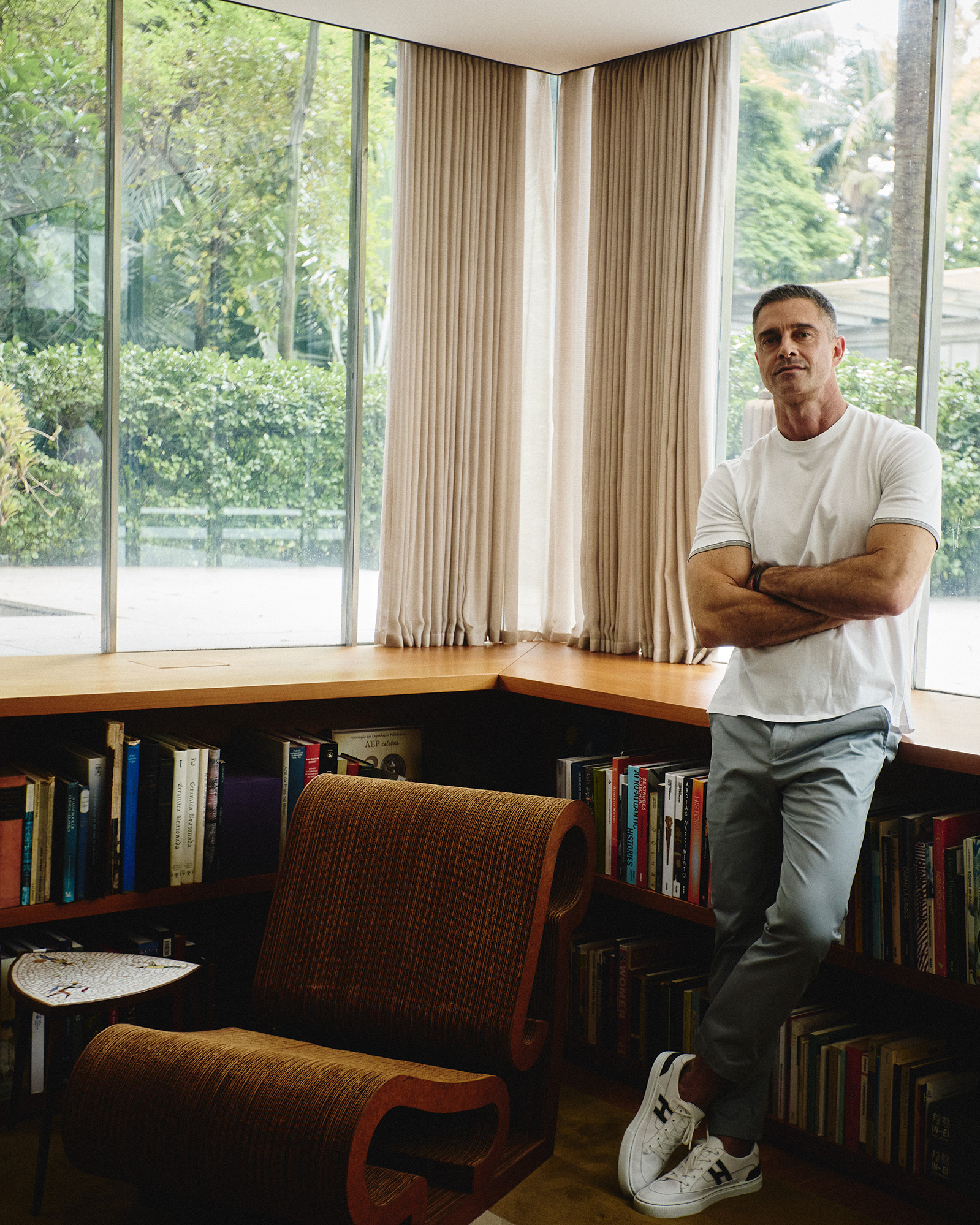
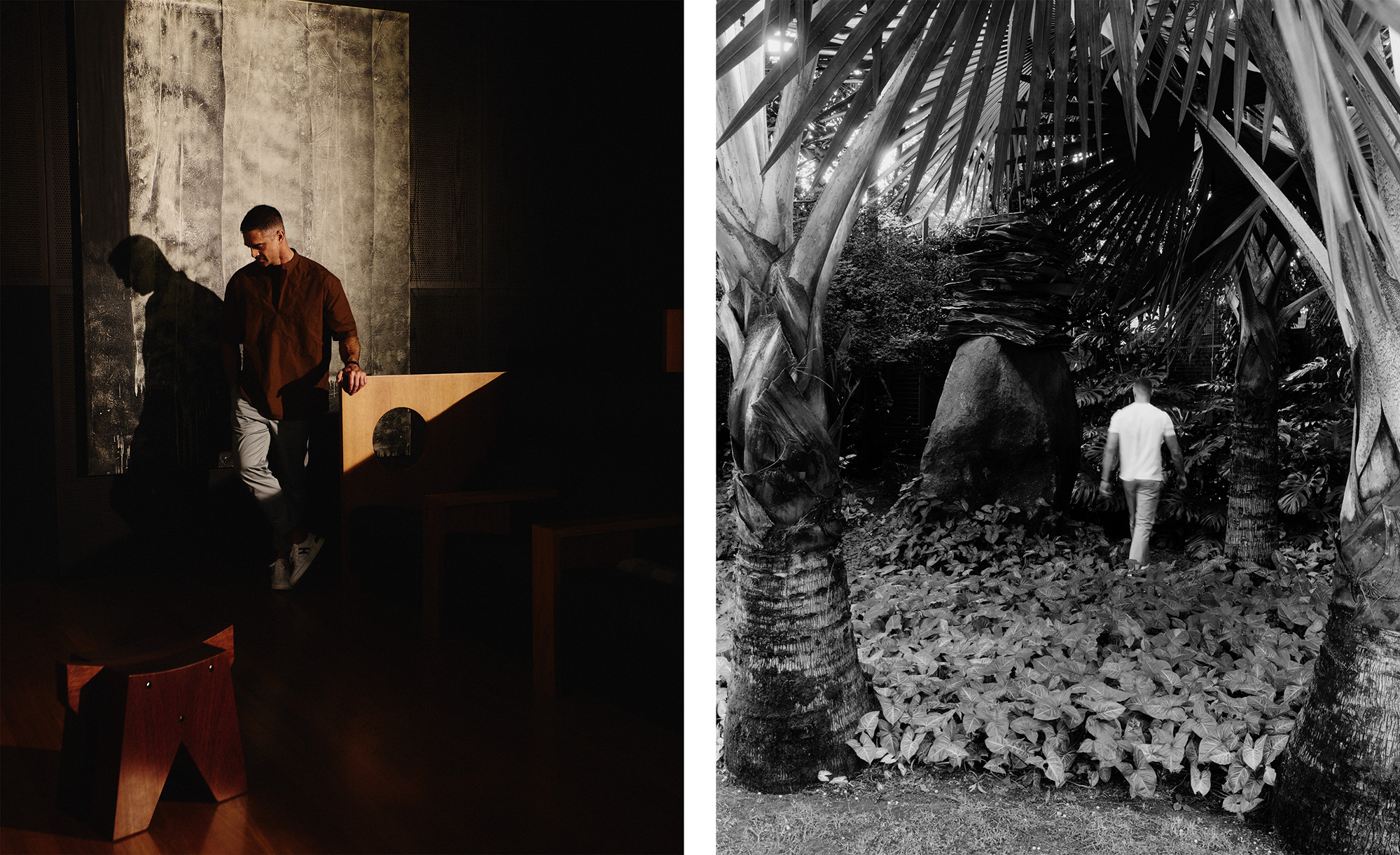
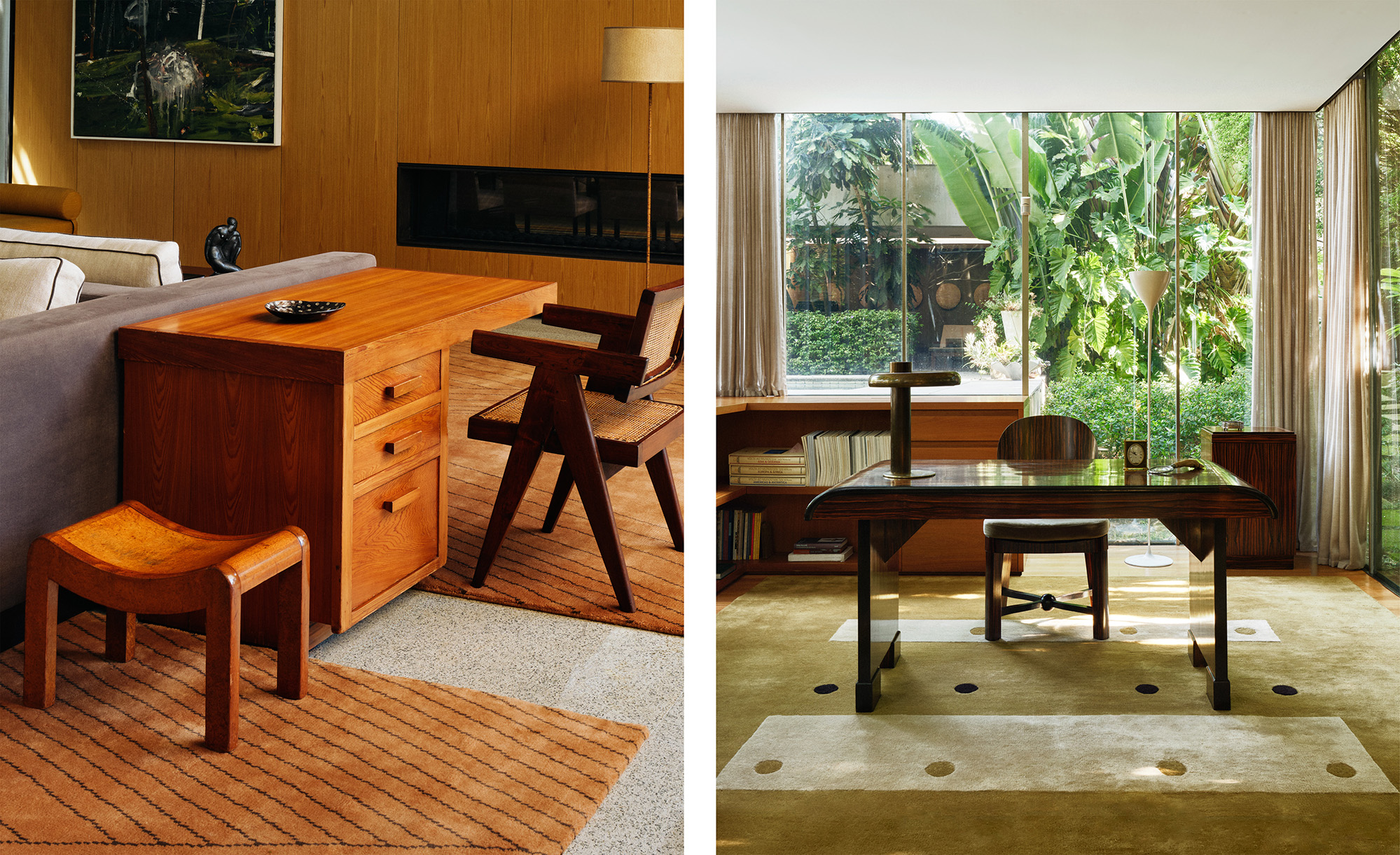
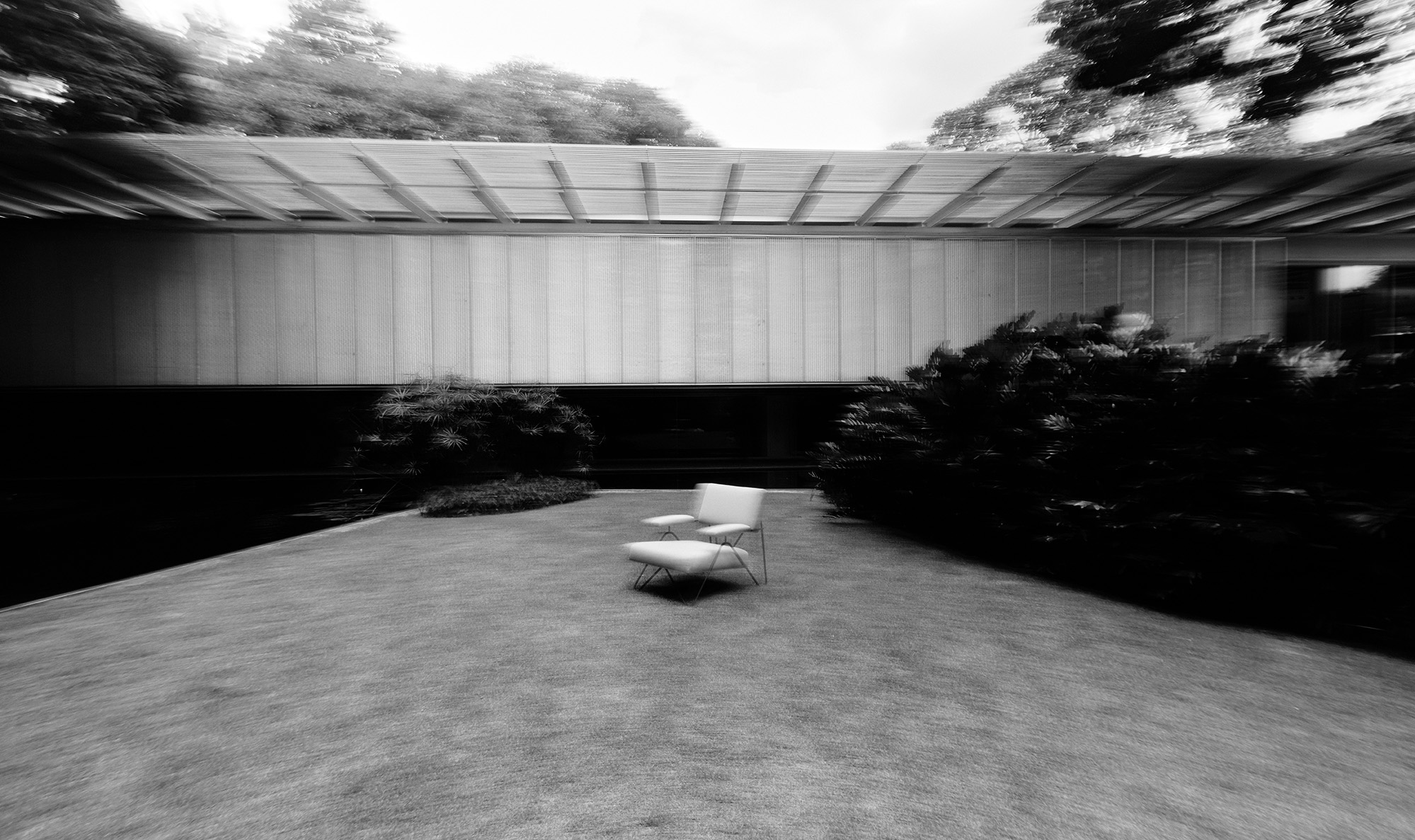
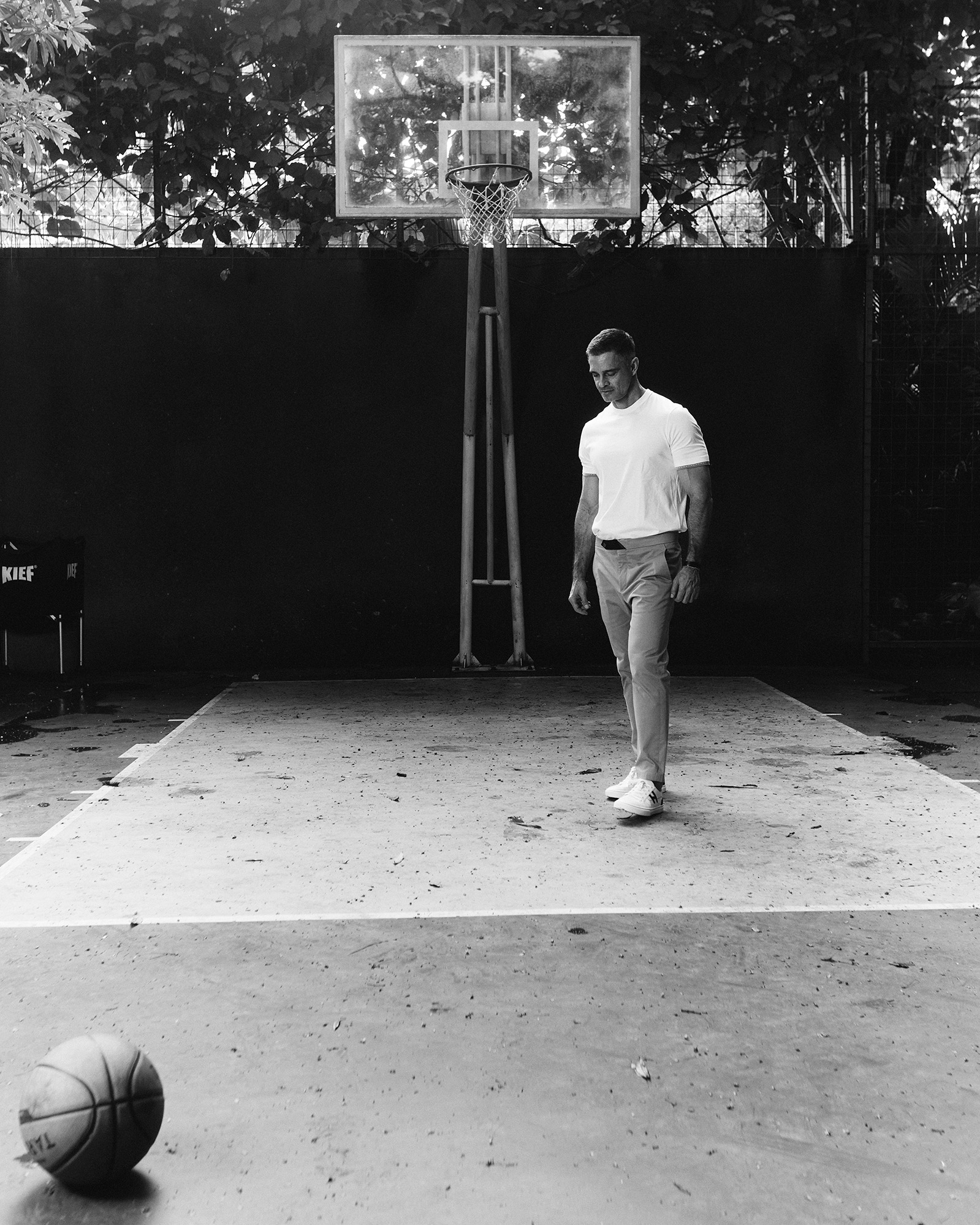
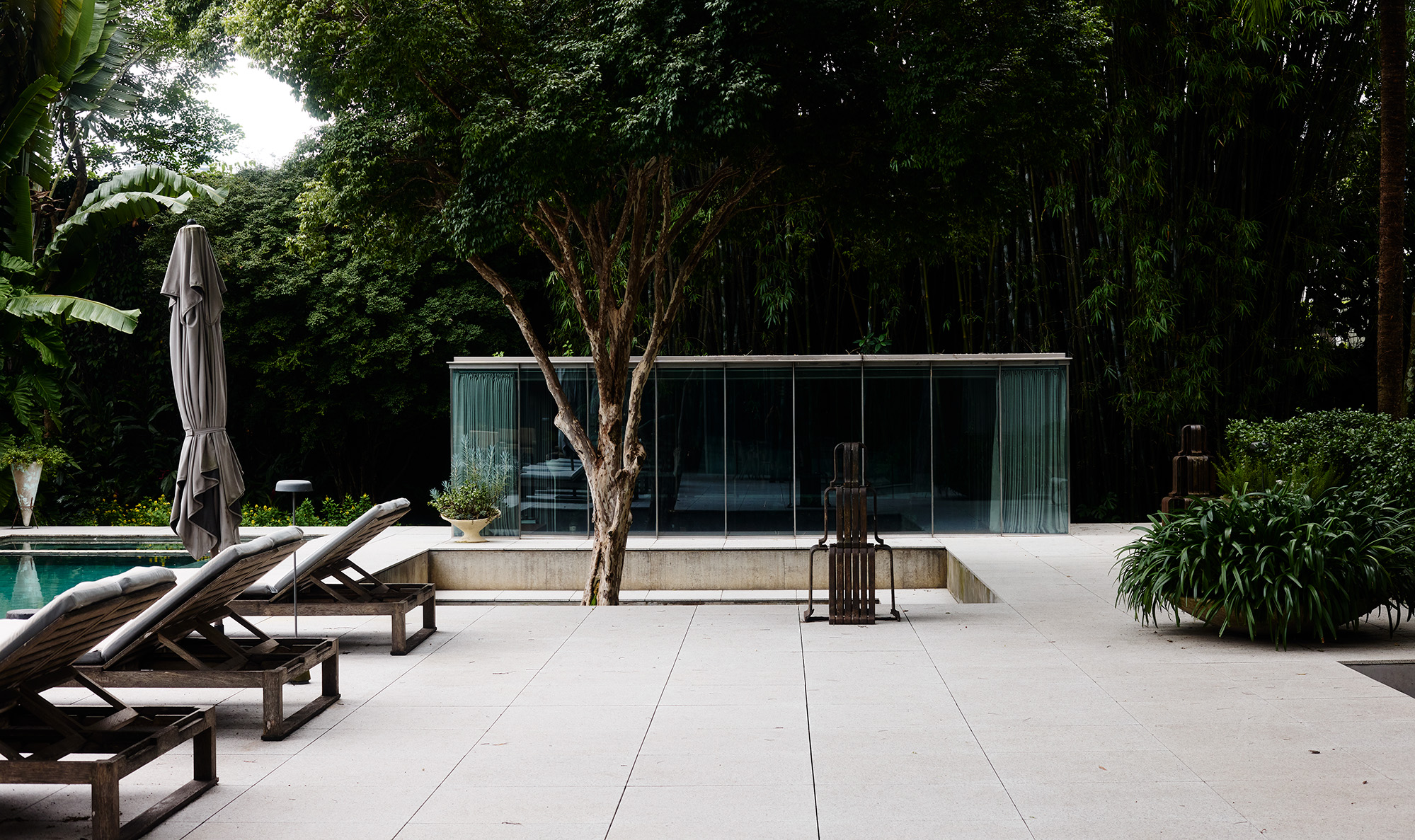
You designed your sister’s house in São Paulo, where we photographed you. What was it like designing something for her?
Sometimes the planets are aligned and the stars are all in the right place, but this is one of those projects where there was a perfect relationship and interaction between us and the architects—a local firm, Andrade Morettin—the landscape designers, the lighting designer, and the art consultants. It was a moment of a group of people getting together and really leaving ego aside and collaborating toward the best result possible. And I think you can see that. The house is considered one of the most beautiful in South America, and has been shot many times for publications around the world: Japanese, American, and European. We’re all very proud of it. It will remain one of the stars in our portfolio.
Rewinding, it’s been almost 10 years since you designed a bottle for Jason Wu’s first fragrance. What was that like?
That was an amazing project. Jason was a client, we’d done his homes and a couple of stores for him. He asked me if I would design a perfume bottle for him, and that was like crack. That was an irresistible thing, because it went right back to my dad, the prototypes, and the product design that I always felt like was my first desire. So we dove into it heart and soul. I quickly realized that you can obsess and spend as much time thinking about something that is four inches tall as you can about an entire living room or project. There’s no lack of obsession that has to do with scale.
You recently curated a show at Galerie Gabriel in New York called “Cross Trajectories,” filling the space with Brazilian design. Tell me about what you got out of curating the show.
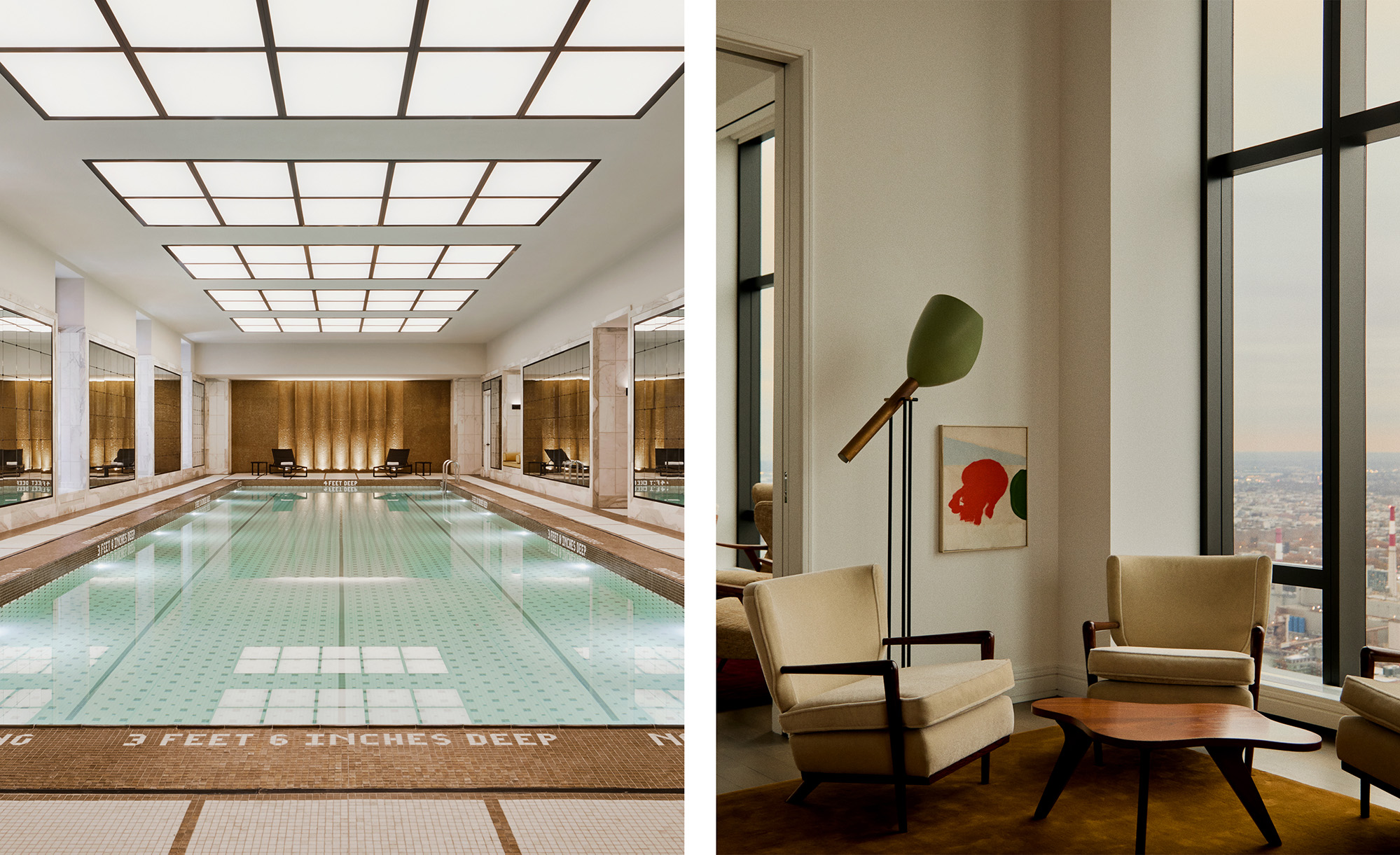
It was the most rewarding and satisfying experience, because we’d never done anything like that before. Nancy Gabriel, the owner of the gallery, approached us and said, “I really think you’re going to be great at this.” And I said, “This is so different. This is not something that we do.” She’s like, “Well, but you have to imagine that it’s like decorating in a sense.” The idea was to take their inventory and take this apartment with these extraordinary views on the 74th floor on the east side, and decorate each room using their inventory.
It’s not a new idea. People have done it. You’re just decorating an apartment, great. But I said, “Well, if I’m going to design a show and if we’re going to curate it, what can be different? How can we think about it in a different way?” There were other designers and decorators who had done shows with them. The previous show was done by Michael Bargo, who I think is one of the great talents working right now. I cannot top the decorative talent of somebody like that. I’m not going to be able to combine rugs, accessories, and art in a strictly decorative way, because I’m much more simple and abstract.
I thought about the show almost like an art installation—thinking about pieces more as sculptures. Thinking less about residential layouts and more about commercial layouts like office spaces or hotel lobbies, places that are more stylized. And we were dealing with extraordinary pieces. Even as a designer with the great clients that I have, I’m not using a Jean Royère sofa that costs $600,000. You don’t always have the opportunity to play with things like that and to be so close to those things. So we said to strip the decorative elements out of it. Let’s use flat rugs without any patterns on them. Our friends from Nordic Knots gave us these beautiful, different-colored rugs. And we installed these rooms that were furniture-focused. Less accessories. Nancy wanted more accessories. I said, “No, let the chair be the chair.” If you have a client who is going to invest in this, they know what they want to do with it. You don’t need to show them. You don’t need to decorate. And it was very successful. It looked incredible. You could really understand the furniture. It was very satisfying, from a creative point of view.
Speaking of Nordic Knots, congratulations on your collaboration, which will be in full swing when this issue comes out. Tell us how this collection came about and why you wanted to do it.
We want to move toward the direction of product design. It’s a natural progression since we already design furniture and rugs for each project that we do. We have a library of customized items. Rugs, particularly, we had done many times and are something that we’re known for.
We were clients of Nordic Knots and they have a great eye and a great product. We spoke with Liza and Fabian and they said, “We want to do a line with you.” And I said, “Where do I sign?”
Designing a one-off rug for a specific living room is a completely different process than thinking about versatility and how people will react to something, how they would incorporate something that you’re designing into their lives. It’s a different part of the brain that goes into action. But the process was great. They were very supportive. They barely adjusted anything. And they love the designs. We love the designs.
And to top it all off, they created this incredible campaign around us, which I felt was a big honor. I think everything was done very tastefully, very expressive of who we are and how we wanted to talk about this. My partner Kevin and I are just moving to a new place and I’m obviously using my rugs and beginning to insert them in my own projects. I can’t wait to see how our rugs are going to do and how people are going to continue to react and hopefully buy them. I’m very excited.
What would your advice be to the next generation of designers who are starting their careers, as reductive as it sounds, on Instagram?
I sympathize with the younger generation. It’s a tough environment because there’s Instagram and the rest of social media. Ultimately, you have to let who you are show up. It’s a tough thing because it’s new and it changes very fast. And unfortunately, there’s a difference between the work that you do and how good you are on social media. I feel especially sorry for the ones that are not so great at social media, but their work is really great.
What’s next for you?
We are obviously continuing to pursue great residential projects, which is our favorite thing to do. We finished a house in Philadelphia with Olson Kundig last year, which I can’t wait to show you. We have a couple of interesting commercial hospitality projects as well. One in Brazil, one in Miami. But the big excitement to me, which there’s no date for, is our own furniture line. We are finally diving into it and in the process of prototyping and imagining what could be a line—how we could do it, with who, et cetera. Right now, we’re focusing on the cleaning up of our inventory and organizing our designs.
I can’t wait to see that. If you had to describe your work in three words, what would they be?
Masculine—I don’t have any problem with that word, whatever ideas you want to associate that with it—simple, and elegant.
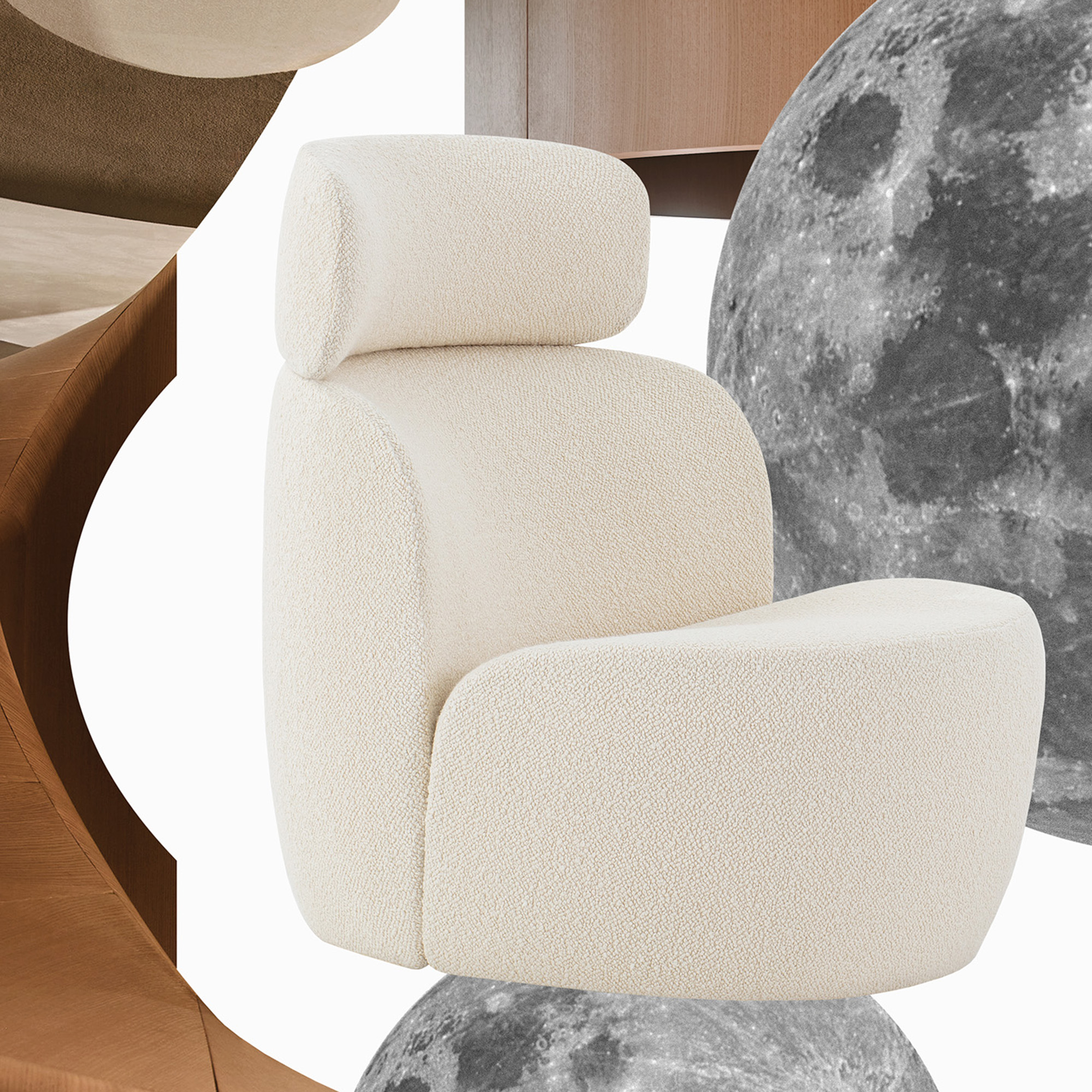
In Milan, we sat down with Poliform's Laura Anzani to discuss the family business over coffee, and what it has planned for New York and beyond.

This lavishly photographed tome gives readers a closer look at the colorful and lively destinations and resplendent interiors across the Indian region.
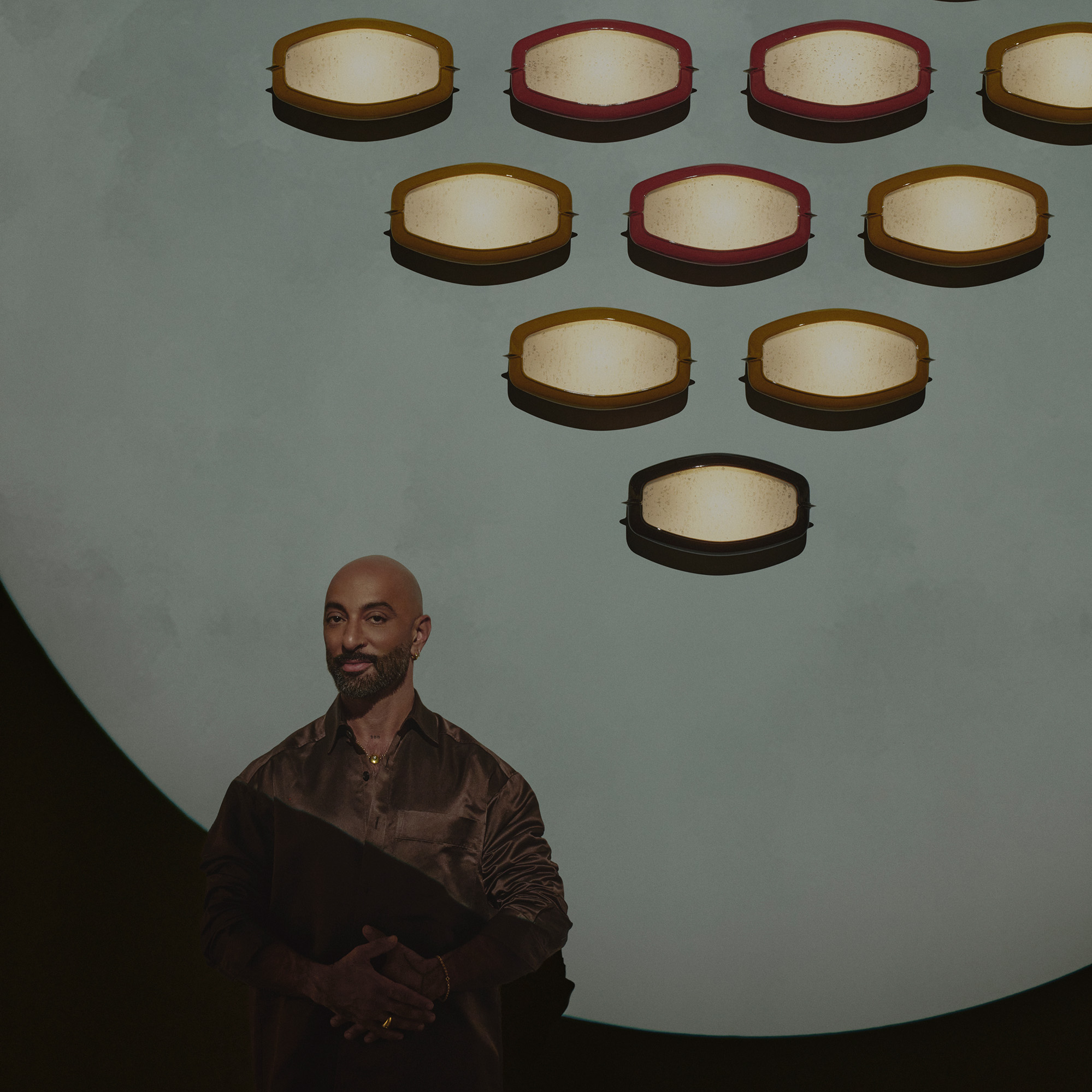
The studio’s first collection in five years looks to ancient fables for inspiration—and experiments with a new lineup of materials.