Martin Parr: A Photography Great Who Turned a Lens on Society
British photographer Martin Parr knew how to observe and highlight aspects of culture and contemporary life in both humorous and refreshingly honest ways.
This article is from our Spring 2026 print issue. Sign up to our newsletter for updates on how to purchase your own copy.
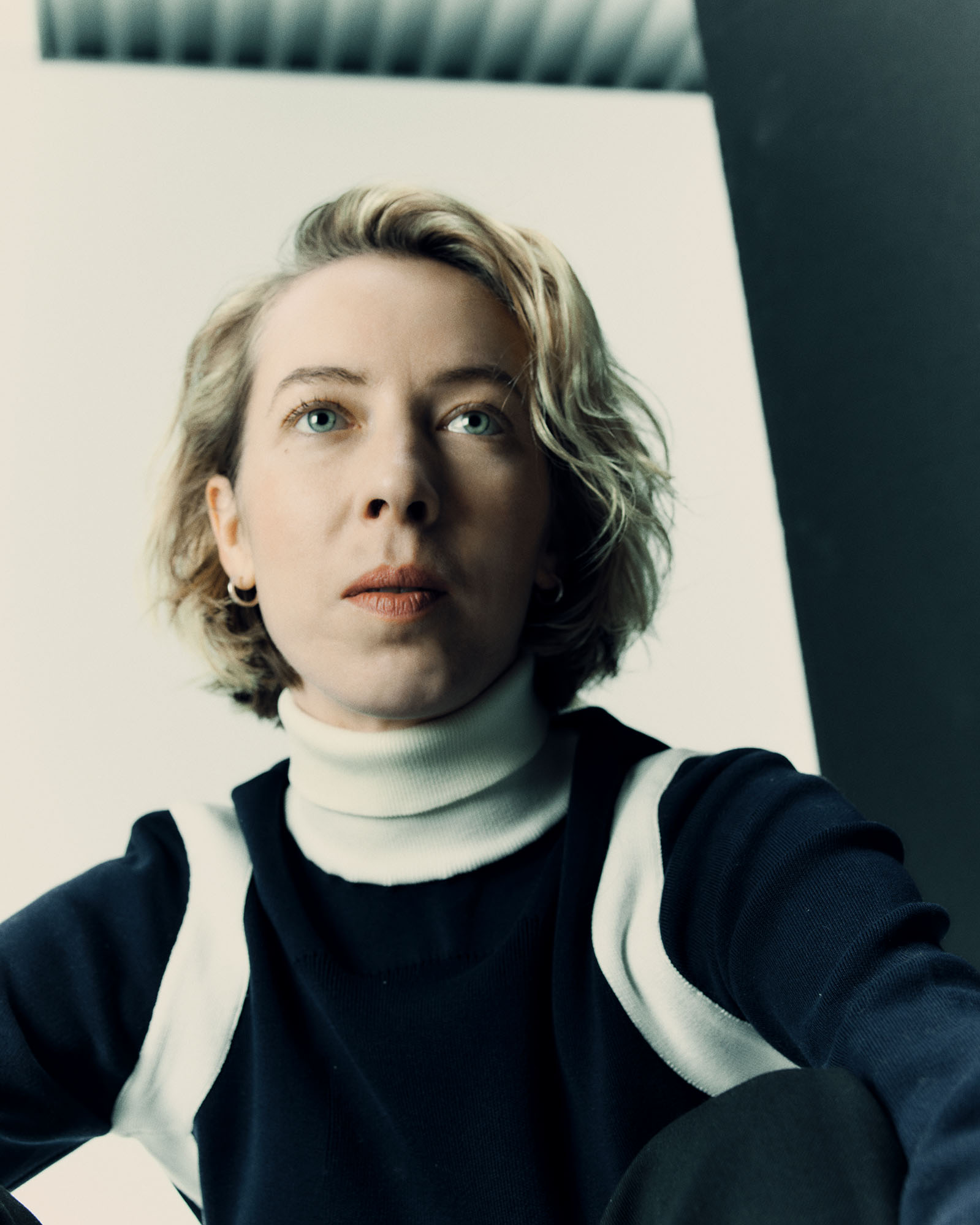
Leïla Ka may be one of France’s most exciting up-and-coming choreographers, but many have seen her work without even knowing it. She orchestrated her sister, Zaho de Sagazan’s performance of the Édith Piaf classic “Sous le ciel de Paris” for the closing ceremony of the Paris Olympics and was also commissioned by Beyoncé to choreograph the song “Amen” for the singer’s most recent Cowboy Carter Tour. Ka was born Leïla de Sagazan in Saint-Nazaire in western France in 1991, and she took up dance as a teenager after attending a summer hip-hop camp. Her first big break came when she was hired by French choreographer Maguy Marin to dance in her now iconic 1981 piece, May B.
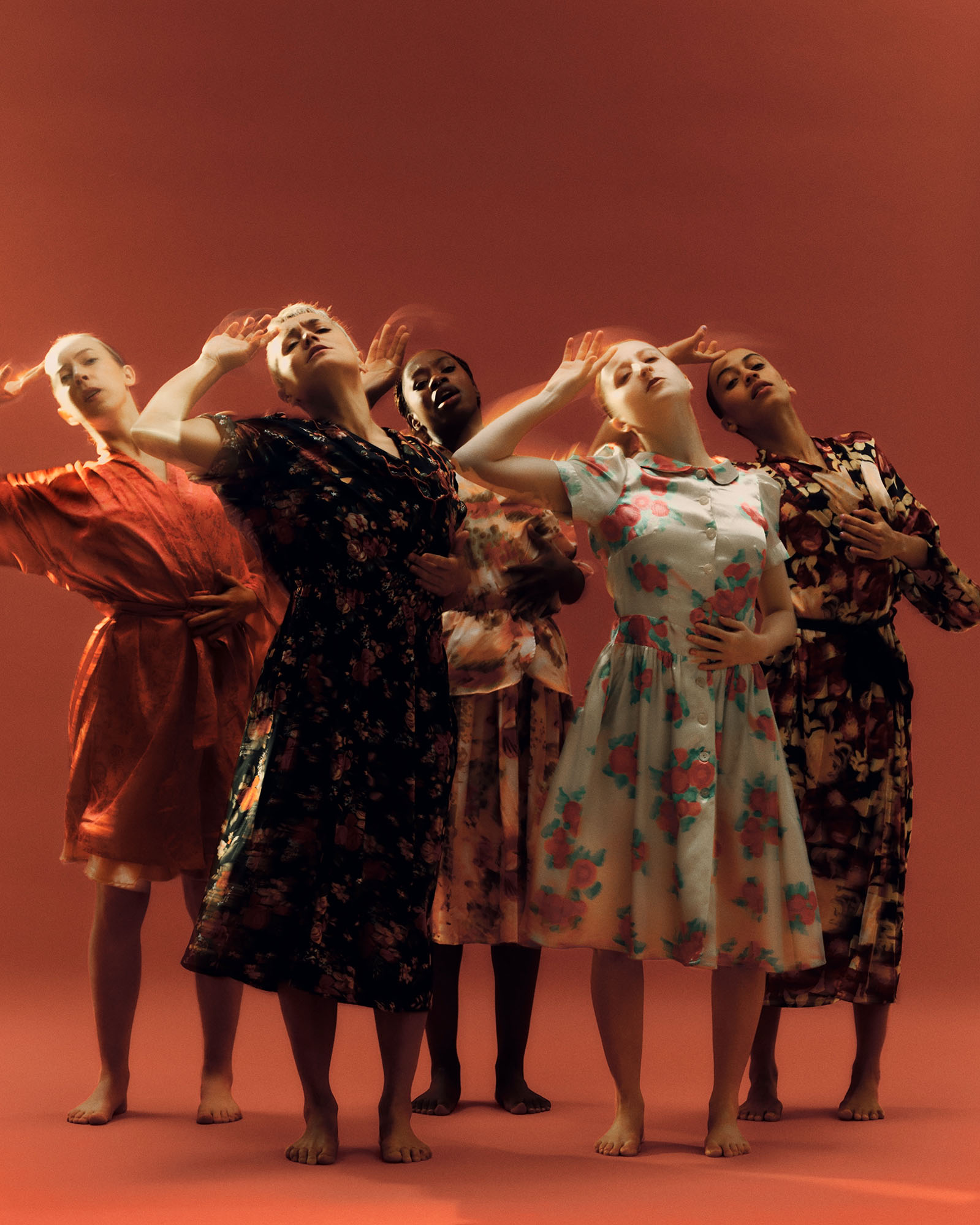
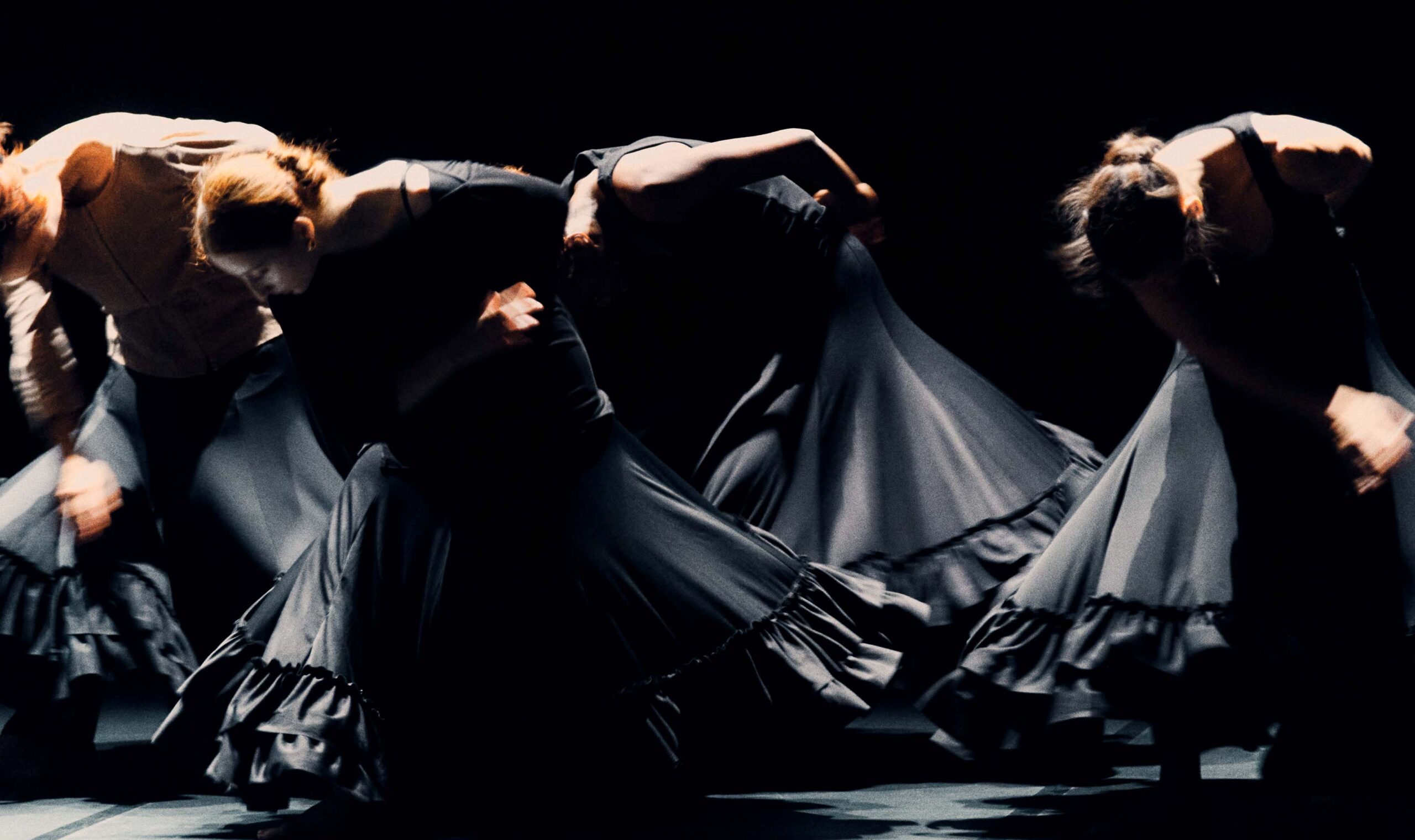
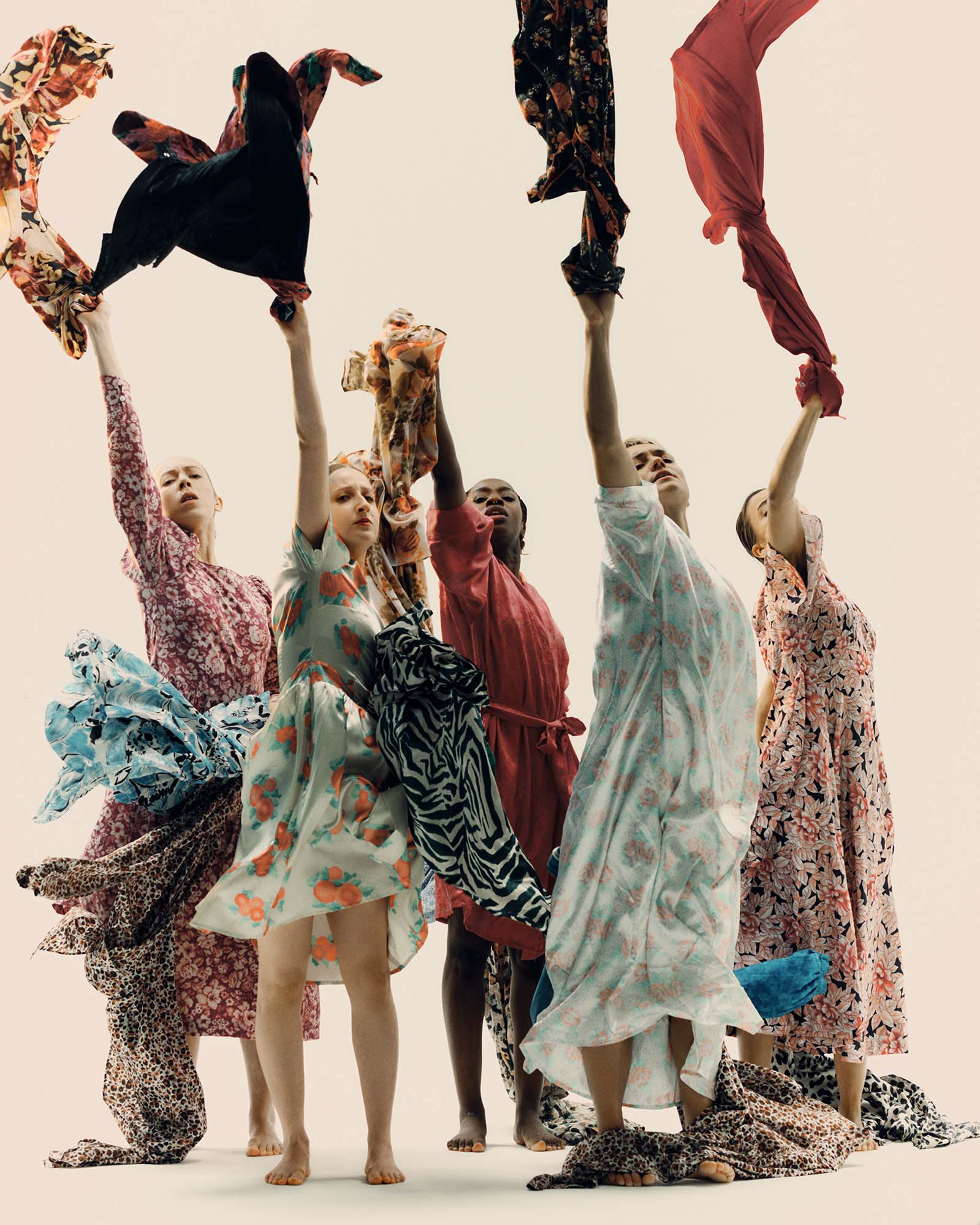
Leïla’s own first choreographic work, Pode ser, was created in 2018 and has since been performed more than 200 times. Her latest, Maldonne, was prebooked for 50 dates even before she had finished creating it. It features five female dancers wearing a total of 40 dresses, and it explores a recurring theme throughout her work—the condition of women and female stereotypes.
This February, Maldonne will be presented twice as part of the second edition of the Dance Reflections by Van Cleef & Arpels festival at the New York Live Arts theater. During the monthlong event, audiences will also get the chance to discover another of Ka’s works, C’est toi qu’on adore, which will be performed at L’Alliance New York by students from the Choreographic Ensemble of the Paris National Conservatory of Music and Dance. “Leïla belongs to a generation of artists who have ventured beyond the teaching of their predecessors to develop their own choreographic style,” says Serge Laurent, Van Cleef & Arpels’ director of dance and culture programs. “With Maldonne, she develops a unique dance vocabulary, relying on the energy of movement and breathing, while exploring the themes of fragility, rebellion, and the plurality of female identities.”
What was the atmosphere like in your home when you were growing up?
It was very lively. We were five sisters and were quite close in age, so we played together all the time and had a lot of freedom. We didn’t have a lot of games, so we played by inventing pretend worlds. There was a lot of room for imagination. We created characters, and I think that’s what I’m still doing today. I try to tell stories on the stage and present characters who don’t speak but who have things to say. They’re animated by desire, fear, and various emotions.
Your father is an artist. Your sister is Zaho de Sagazan, a famous singer. How present were art and culture?
My parents didn’t push us to work in the arts. I have two sisters who are not at all in the field. My oldest sister is a nurse, and another is an engineer. But we had enormous freedom in how we could play. We could put music on at full volume, ride a bike in the living room, draw on the walls of our bedrooms, paint, and do what we wanted. There wasn’t a lot of furniture. So we had a lot of space to play and create.
What was the impact of growing up in such a female environment on your work?
There was this very strong sorority. We were always together. When I created my piece Maldonne, I wanted to recapture the atmosphere of five women, a bit like with my sisters. The question that preoccupies me are how to find your place as a woman in society.
What was the role of dance before you decided to attend the hip-hop course as a teenager?
When we were small, we’d dance together. But it was just playing. I also did improv theater, a lot of it without words. So it was already, perhaps, a form of dance. I was very shy as a child, and it was a way to express myself without words.
What drew you to hip-hop?
It was a little by chance. It was a school vacation, and we had to do some kind of activity. So I signed up for the course. But it could just as well have been a sailing course! The people in it were really cool. When you’re 15, that means a lot. I think it was more about them; they made me want to continue.
What is the influence of hip-hop on your work today?
First of all, I think it’s the way I communicate with the public. In hip-hop, there’s something very direct. In terms of movement, there’s also a certain attack, a precision, a rapidity, which perhaps comes from hip-hop, too.
Which other choreographers have influenced you? Some critics have seen your work as a homage to Pina Bausch.
Nobody in particular. I don’t see many shows, and in any case, there’s no desire to make references in my shows to other artists or movements. On the other hand, one thing that does inspire me is urban dance that I see on social media.
What else inspires you?
The things I experience in life and what I observe around me. In Maldonne and my other short pieces, the characters on stage are animated by a desire for freedom. They want to free themselves from all shackles and have a kind of rage, a positive anger. Those are feelings I experience in my life and that I see in people around me.
How did you end up joining Maguy Marin’s company?
After high school, I did management studies for two years in Nantes. I didn’t really like it very much. I went on to study dance in Lille and Paris and then bummed around for a few years. At some point, I saw an ad for Marin’s company, sent an application, and was selected. It was a complete surprise, because I didn’t have academic training and hadn’t started dancing at a young age. Maybe she saw in me a yearning—
a burning desire—to dance.
What did you take away from that experience?
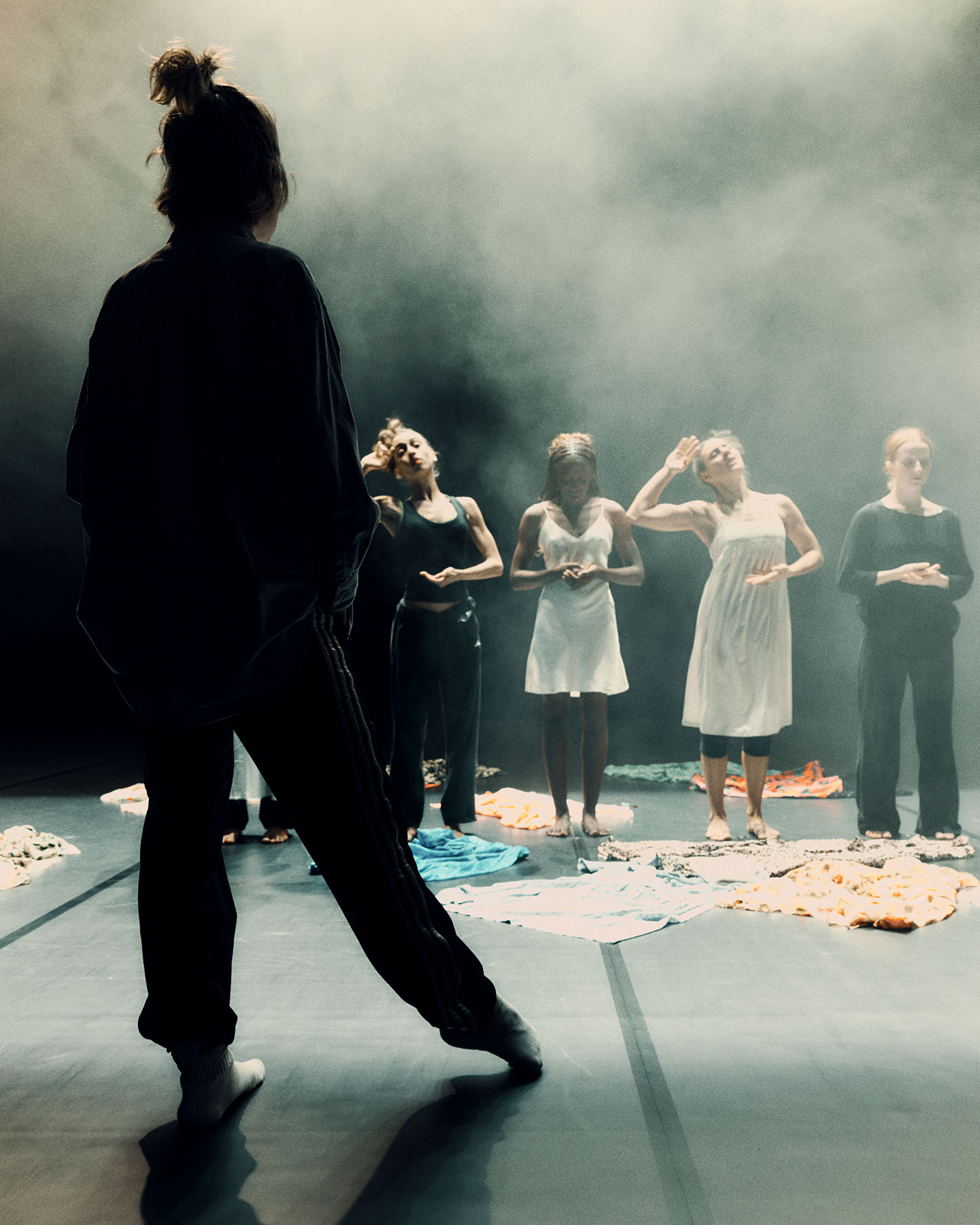
A great amount. I think I learned rigor—to do and redo a movement, to rehearse a lot. I also learned about the relationship to music from her, and above all, she gave me confidence in myself. It gave me little wings. After having danced with Maguy, I naïvely said to myself, “I’m going to create a piece like her.”
That first piece, a solo one, is called Pode ser. How did it begin?
I’d already had the pink dress I use in Pode ser at home for some time. I took it and started doing things—in my room and other spaces where I could dance. I was back living with my parents in Saint-Nazaire at the time, and there was an old theater that was no longer used. I asked the director if I could go rehearse in its small hall. There was no heating, not a lot of light—it was almost abandoned. I spent a lot of time there. Then, when I had little videos or small excerpts of the piece, I applied to a lot of competitions all over Europe to present the solo. Doors opened for me in Germany, Spain, Italy, and Poland, where I participated in lots of small festivals. Then I knocked on doors in France, and some of them opened up. It involved a lot of failure and a lot of work.
What themes did you explore in Pode ser?
The starting point was the pink tulle dress, a bit like a ballerina’s dress or a princess’s dress. The costume is this dress with a jogging suit underneath and sneakers. At that time, I was a little angry. It’s a question of identity, of how we build our own while juggling what we’re expected to be, what we really are, and what we dream of being. The dress represents the cliché of the woman who dreams that she is going to become a princess. It’s soft and gentle. I lift it up. At one point, you see my pelvis. At another, I put the dress on my head, so it becomes a veil. It’s as if I’m trying to take off the dress in order not to be reduced to what it represents.
Why the name Leïla Ka? Why not keep your real surname?
“Ka” is the French pronunciation of the letter K, which is the first letter of one of my sister’s names. I didn’t keep my surname because my father is an artist, and in the house where we grew up, his universe is very present. I love what he does but wanted to carve out my own path.
You’ve performed in all the pieces you’ve created, and spoken about a love of dance. Why do you like it so much?
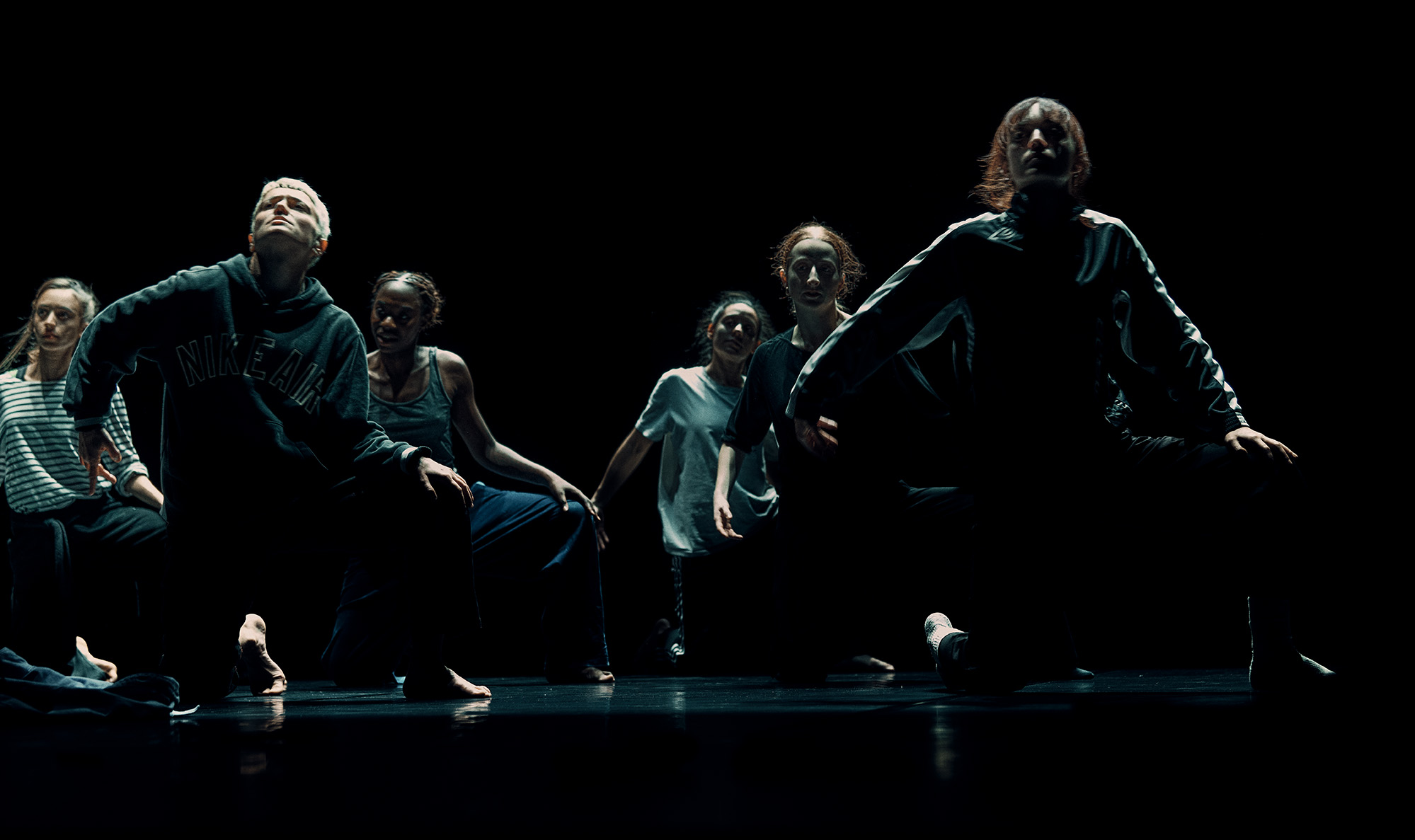
It’s being able to say things—to scream, to spit—without words, just with the body: everything I can’t say in real life.
How would you describe your choreography?
I think that maybe when you see my shows, you don’t need to know a lot about choreography or the history of dance. It’s accessible, theatrical, with lots of actual dance. I’m attached to precision, to everything being in unison, to making the movement perfect.
There’s often a lot of repetition of the same movement.
I like loops of movement, which evolve little by little. I like playing with the same movement. Depending on the tilt of the head or the posture of the body, it will mean different things. If something small changes, everything changes.
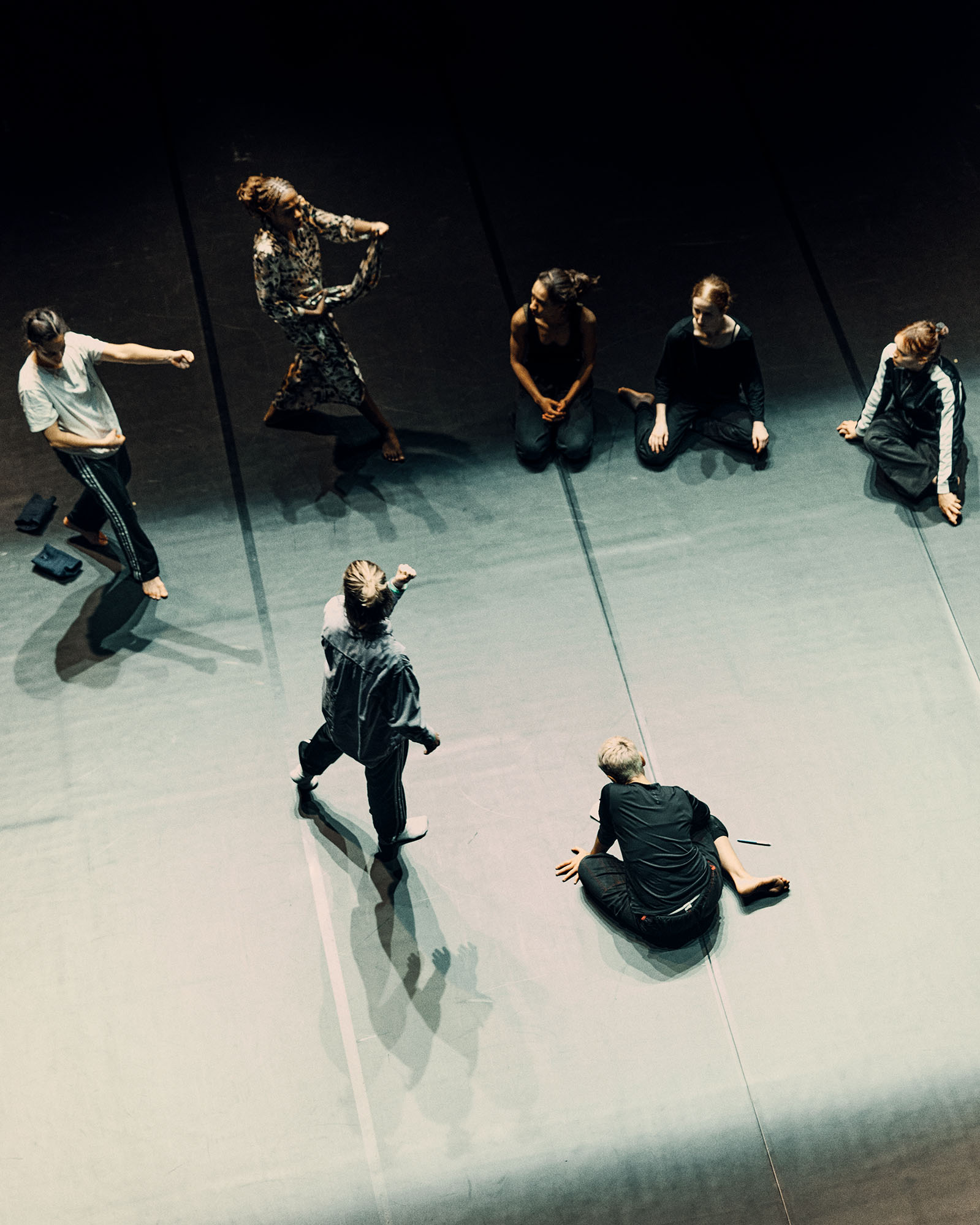
For me, there’s a frenzy and anguish to many of them.
I’d say anger. Anger or revolt. Inside the bodies of the dancers, you need to feel there’s a little fire burning and that everything could explode. I ask my dancers to embody that, so you sense that at any moment, they could jump on the audience or throw everything to the wind, despite their little flowery dresses. Each time, I ask my dancers that there be this ambiguity between feminine stereotypes—fragility, docility, gentleness—and at the same time, that they are badass.
Do your characters manage to escape from those stereotypes and find freedom? How is that expressed in Maldonne?
In the last scene, we have all the dresses on—five or six dresses, one on top of the other. We take them off, and at the end, we end up in baby dolls. It’s as if we’re free from the fetters, as if we’d managed to escape from all the roles, all the injunctions, all the memories of women we carry within us. It’s as if we were in little white dresses, ready to move on, freed from all possible constraints.
Costumes are very important to you. What part do they play in Maldonne?
The starting point was that I wanted to choreograph tears, and I wanted us to be in dresses. I had a lot of dresses I’d found in thrift stores. Every time there was a rehearsal, I took new dresses. We gave them all names. There’s Frida, Nicole, Heidi, Rosa.
Where does the title of the show come from?
In French, when you play cards and there’s maldonne, it’s when the cards are dealt incorrectly, and someone has more cards than the other players. So it’s not fair. You put all the cards back, they’re shuffled and dealt again in an equitable way. When you look at the situation of women in the world, there’s still maldonne. The cards have not been dealt fairly. They need to be redealt in an evenhanded fashion. There’s also the fact that Maldonne sounds like Madonna in French, and I like that, too.
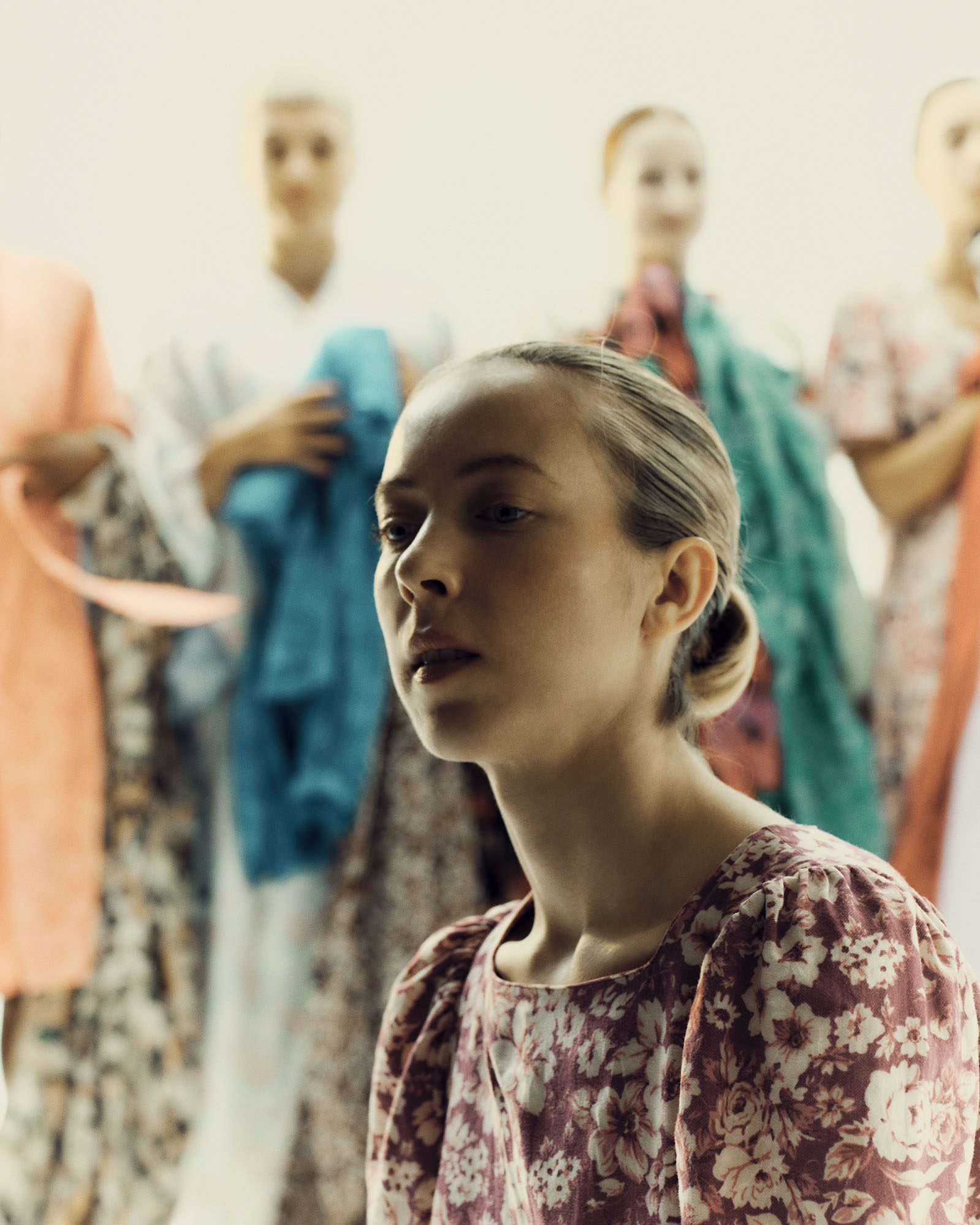
So far there have been only female dancers in your shows. Is that likely to change?
I’m starting to work on a new creation, where there will only be women, too. There will be eight. However, last summer, I was invited to create a piece for the Chilean National Ballet, and there I chose to work with both male and female dancers. For the moment, within my company, I haven’t wanted to work with men yet, but the time will come.
The music you work with is very diverse—from classical to pop to electronica. How do you make your choices?
For Maldonne, I wanted to use a very popular song that everyone knows, more or less. In the piece, the music adds extra layers of narration. It explains the emotions in the minds of the dancers. There’s Lara Fabian, Leonard Cohen, Vivaldi, and the electro group The Stickmen Project.
In your pieces up until now there aren’t any sets. Is that an aesthetic choice or guided more by practical concerns?
There are budgetary reasons. Traveling by train makes things affordable. In order to go on tour, you need to travel light. Plus, I don’t know any set designers. My pieces are a bit of cobbling things together. I make do with what I have around me, and until now, I’ve not known a set designer. I also like the notion that you can convey emotions just through the body, music, and light.
What impact would you like to have on the audience?
In the feedback we get, there’s something we hear that I like a lot. A lot of people say they wanted to get up on stage and dance with us.
What’s next?
The new show we’re working on with eight dancers will premiere in November. And there are quite a lot of other projects on the side. I’ve been lucky enough to collaborate with a number of musicians, such as Zaho and Beyoncé.
How did you come to work with Beyoncé?
There’s a clip of Maldonne that I put on Instagram. It had 14 million views and was shared all over the world. One day, I was contacted by Beyoncé’s team, who told me that she loved my work. At first, I thought it was a prank.
What was it like working with her?
When you have a deal with Beyoncé, there are a lot of confidentiality clauses. There are a lot of things you can’t mention. All I can say is I was at the Stade de France when she was performing in Paris, and it was an incredible experience.
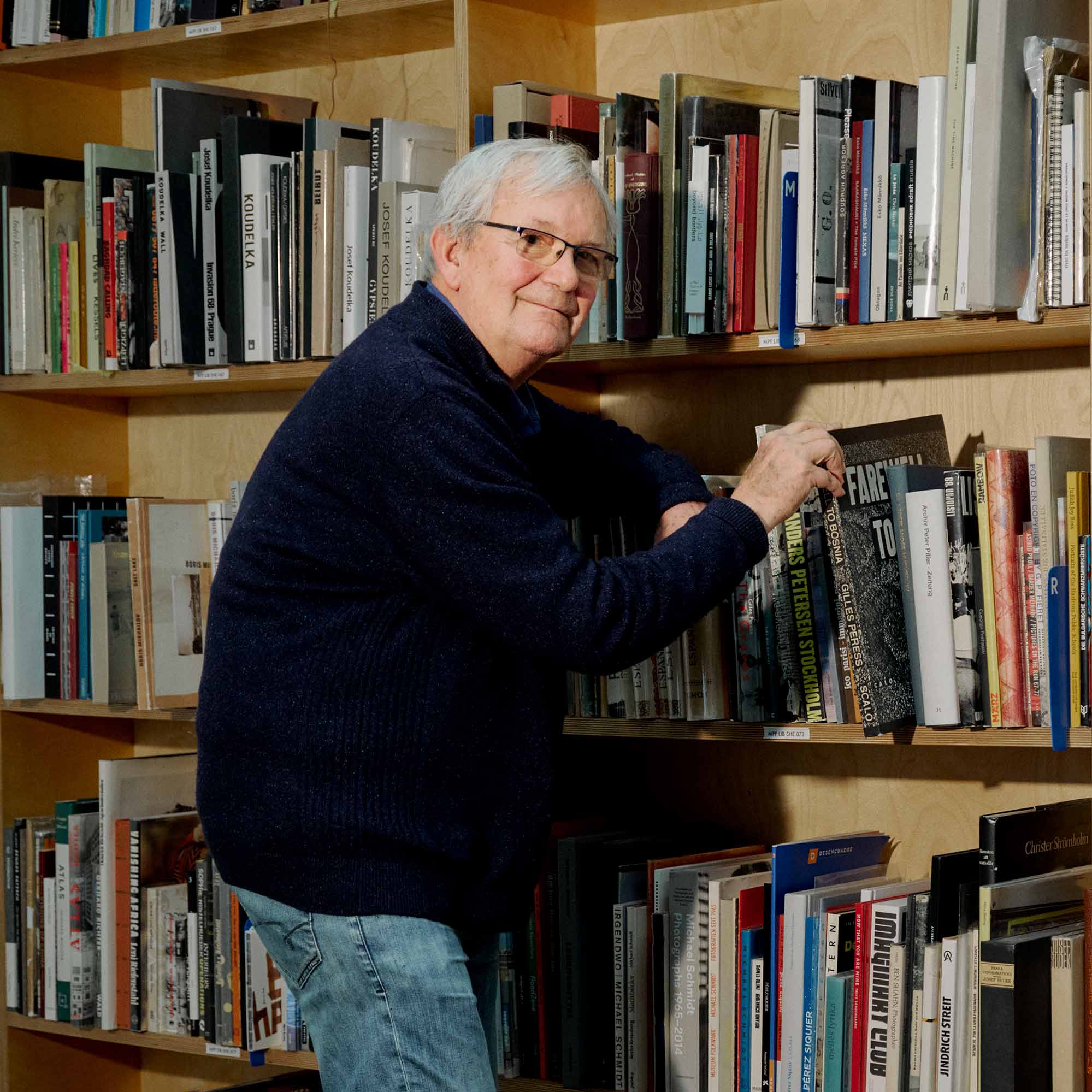
British photographer Martin Parr knew how to observe and highlight aspects of culture and contemporary life in both humorous and refreshingly honest ways.
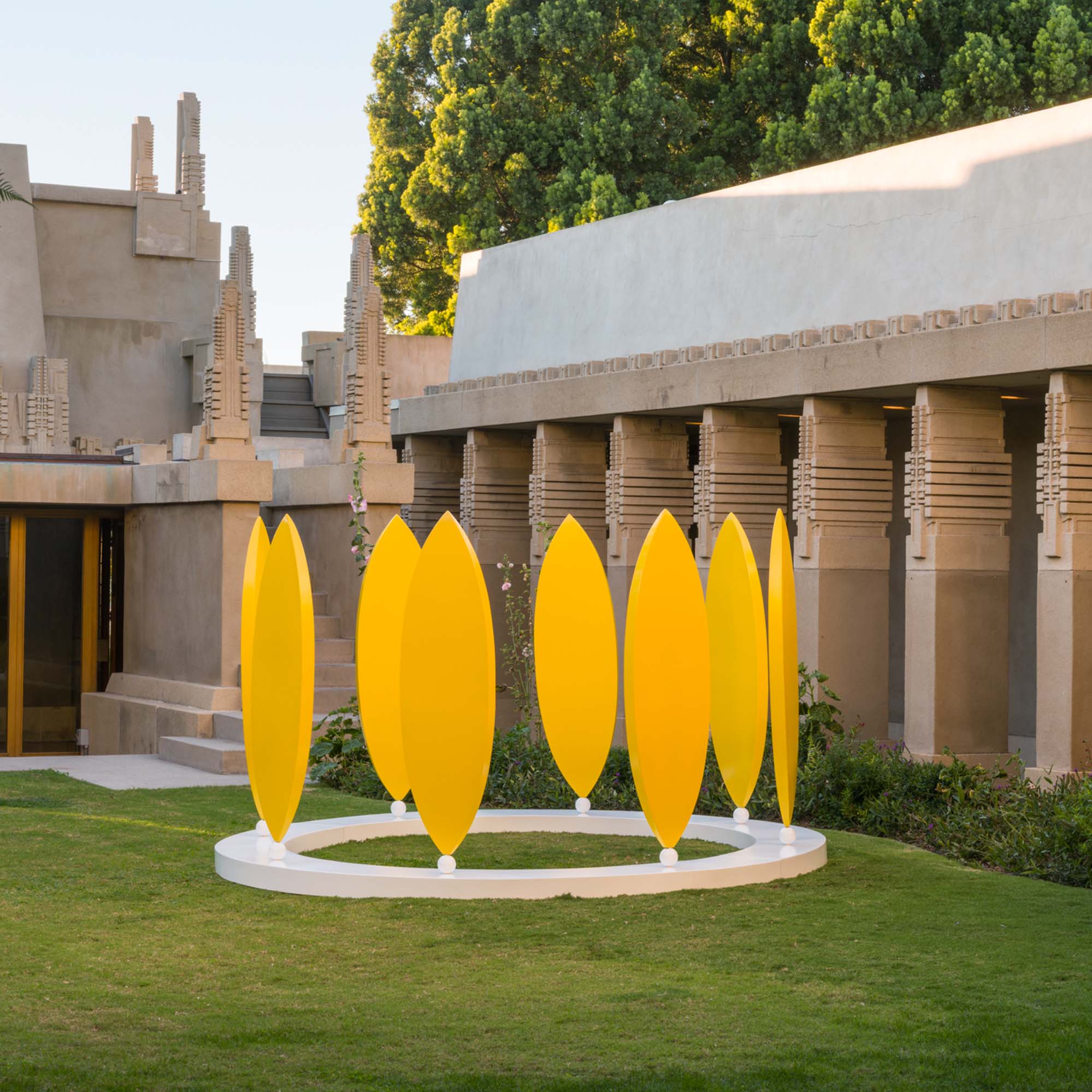
One of L.A.'s architectural treasures is taken over by an artist that uses color and design; India Mahdavi creates outerwear that makes rainy days a joy; and Jeanne Gang builds a recreational center in Brooklyn that's sorely needed.
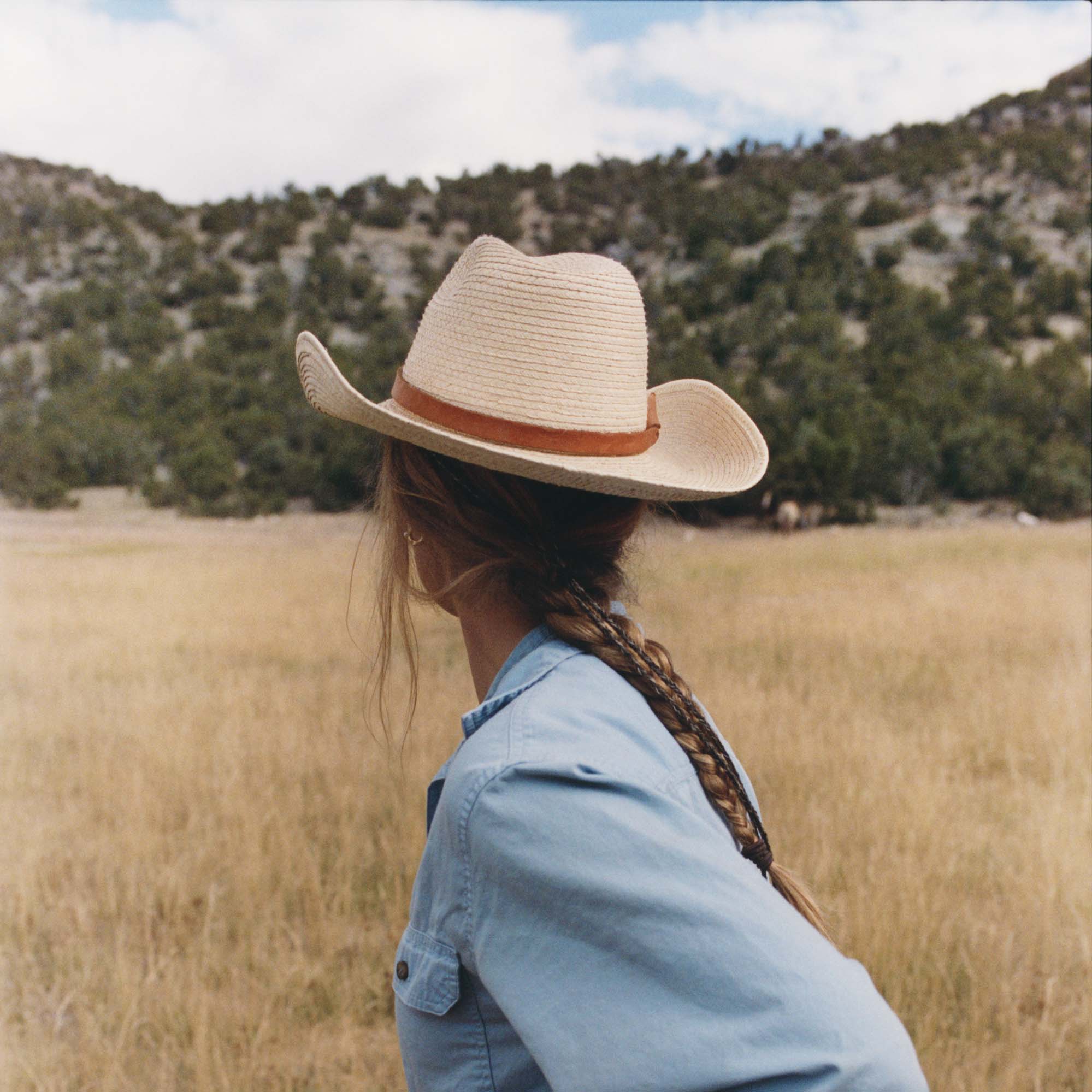
One of the most exciting parts of traveling today? The ability to disconnect. On this episode, we explore Ranchlands, a massive land management business in the American West that includes the remote Paintrock Canyon Ranch in Wyoming that offers experiences for travelers of all stripes.