Design’s New Mood in the Swiss Alps
There's a new generation of Swiss hospitality rising in the Bernese Oberland, with drab interiors and old-world formality making way for chic spaces and warm smiles.
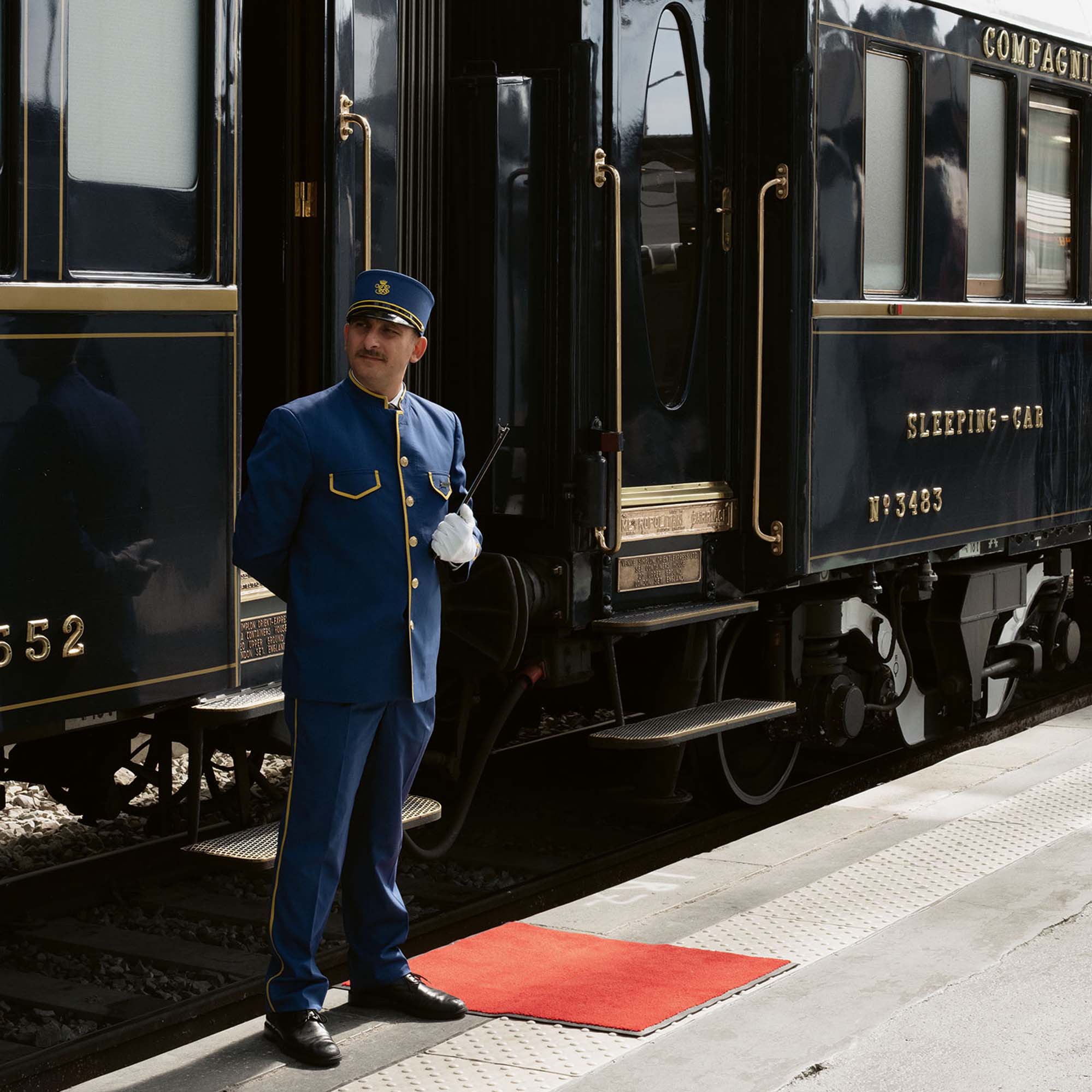
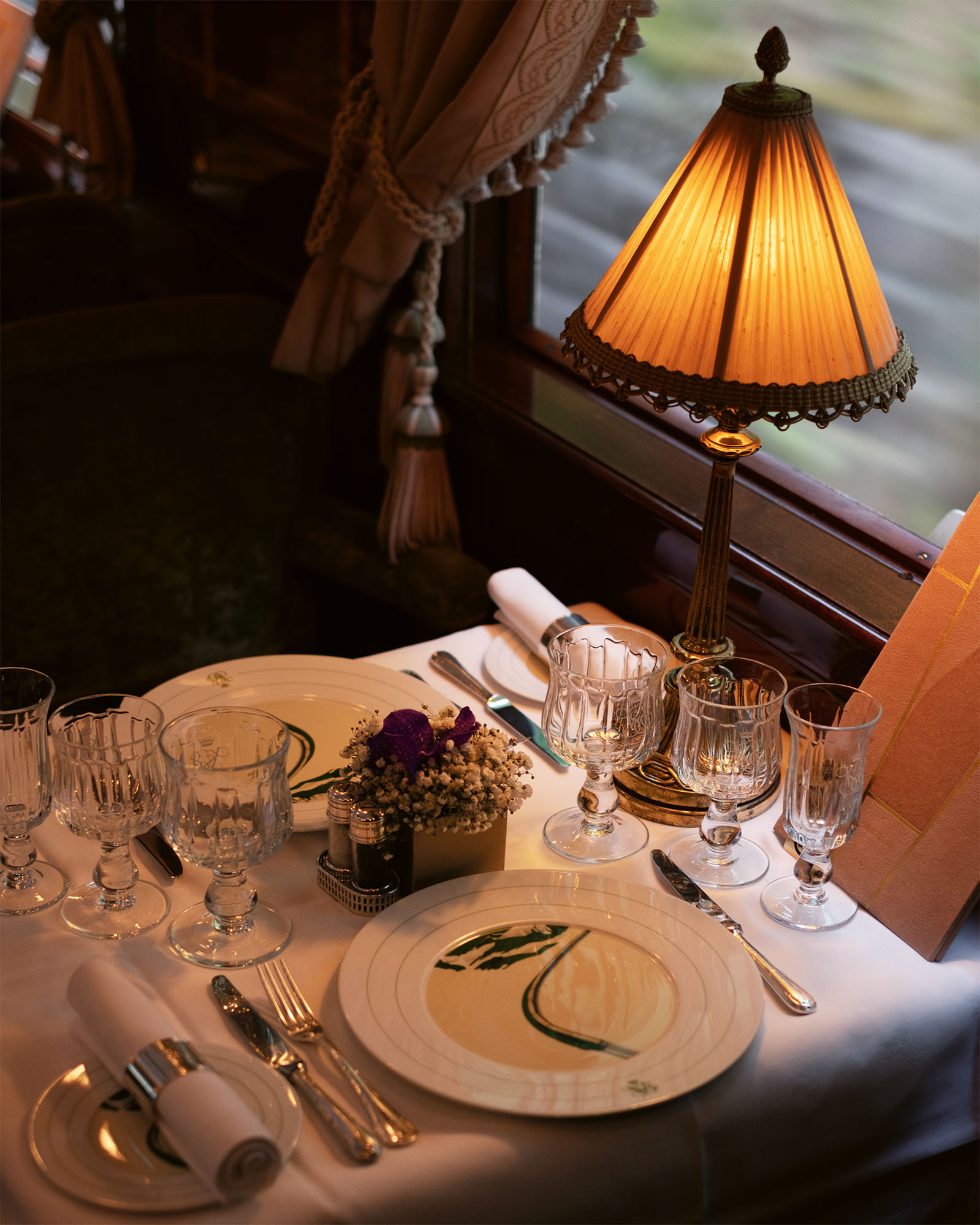
Life may move faster than ever, but when it comes to travel we all yearn to slow down and experience the ride. On this episode, Dan takes you on board a true phenomenon of luxury today: the Venice Simplon-Orient-Express. Now a part of the blockbuster travel group Belmond, the famous train and its sister rides across the globe are part of a rewiring of how we think about getting away from it all. Speaking with Belmond’s Arnaud Champenois, Dan explores the line’s history, its sister hotels that work in fabulous combination with VSOE’s journeys, plans for the group’s future, and much more.
TRANSCRIPT
Arnaud Champenois: And it’s really about time being the biggest luxury today. The fact that you are on a train and that it’s going to take 24 hours to go to Venice. The journey is as important as the destination and that you’re going to be able to enjoy lavish dinner and parties in the train and you will be able to retire into your cabin and have this incredible sleep. It’s really something which you’ve never experienced before.
Hi, I’m Dan Rubinstein and this is The Grand Tourist. I’ve been a design journalist for more than 20 years and this is my personalized guided tour through the worlds of fashion, art, architecture, food, and travel…all the elements of a well-lived life.
As some of you may know, before I started The Grand Tourist, I was the home and design editor at the late Departures magazine. During my six years there, I was able to really dive into the worlds of luxury travel and how design was at the center of it all. From a rise in traditional interiors to entire business plans being rethought during the pandemic.
As the saying goes, time is money. And for the busiest people, time spent traveling isn’t always about seeing a country for the first time per se, but making sure the time spent is something they’ll truly appreciate and remember. For the upcoming spring print issue of The Grand Tourist, out this May, I sent our very own creative director, Matthias Ernstberger, on a journey that exemplifies that pinnacle of slow travel.
The Venice Simplon-Orient-Express. That’s right, it was a tough assignment, but luckily for us, Matthias was up to the task. And he brought his camera.
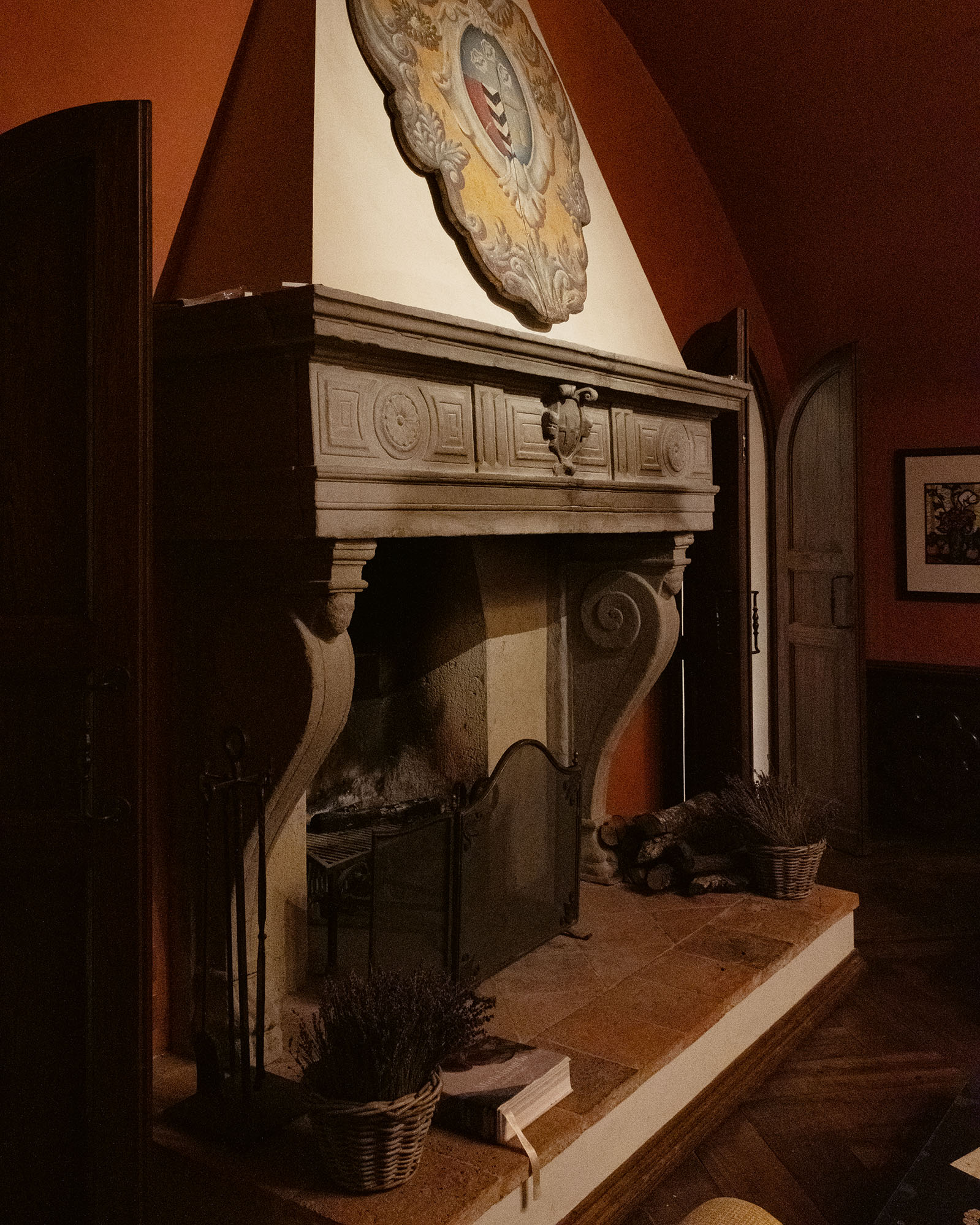
He boarded the legendary sleeper train in Paris on its way to Florence. And once there in Tuscany, he stayed at the incredible Castello di Casole, a medieval castle-turned-hotel which, in the 1950s, hosted the famous Italian film director, Luchino Visconti, where he entertained numerous famous friends. Both the legendary overnight train and the hotel are owned by the travel and hospitality powerhouse group Belmond, which has dozens of properties that exemplify this new lifestyle-driven vision of travel with not only hotels, but trains, boats, and safaris.
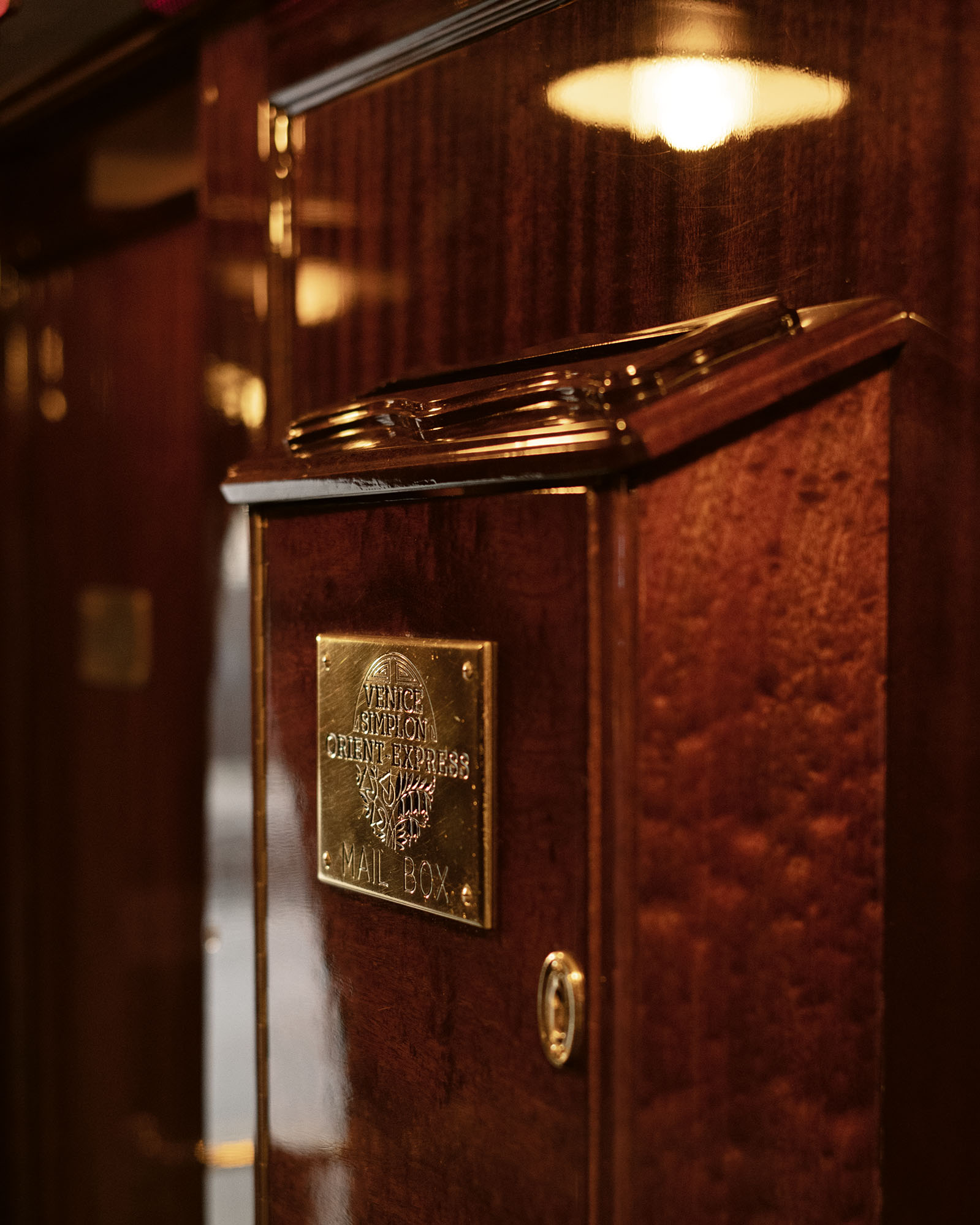
Of course, the crown jewel of their fleet of trains, which is also found everywhere from the British Isles to South America, is the Venice Simplon-Orient-Express, or the SOE for short. The famed line started its modern era in the early 1980s and today is more popular than ever. In 2019, its parent company Belmond joined the luxury conglomerate, LVMH, and since then has grown exponentially.
To help understand this incredible and enviable journey, a real five-star experience on wheels, I decided to chat with Arnaud Champenois, the CMO of Belmond, to discover this legendary train’s rich history, how they’re looking to revive the golden age of travel, the culinary experiences found on board, more about the peaceful Castello di Casole in Florence, future plans for the fabulous group, and much more.
You’ve been with Belmond for a decade now. Can you tell me a bit about your own journey in the company and how Belmond has evolved?
Indeed, I joined almost a decade ago. It’s been an amazing journey with different moments, because actually at the beginning, when I joined, the company was stocked at the New York Stock Exchange. It was listed there.
We had a board and it was a completely different approach to now, where we are part of LVMH. The acquisition was in 2018. Since then, it has been an amazing journey, working with the group on how to shape the future of travel.
So, me being a brand guy has been very rich in learnings and also embracing contemporary culture, which is very, very important for us at Belmond today.
What kind of positions did you have before Belmond?
Actually, I started my career at Cartier, the jeweler in London, where I was product manager. My big career is at L’Oréal. I worked 12 years for L’Oréal, managing fragrances, mostly licensed fragrances like Giorgio Armani, Ralph Lauren, but I really worked with also a lot of young designers like Victor & Rolfe. I don’t know if you know Flowerbomb. I created Flowerbomb.
Oh, okay. All right. We have a celebrity with us.
Yeah, and it was an amazing creative journey with them. I worked with Martin Margiela, with different fashion designers at L’Oréal for their fragrance and beauty brands. And then one day, a headhunter called me and said, hey, what about travel?
And I’ve always been passionate about travel, so I said, why not? And so I joined Starwood, the American group, SPG, and I was actually based in Asia, and I worked on the synergies for luxury collection, W Hotels, and I launched their brand and their positioning across Asia Pacific. So it was really like booming time for hospitality and travel in that part of the world.
So I was based in Singapore, and it’s been very rich for me because I was traveling everywhere in China, in India, in Indonesia, in Taiwan, and so it was fantastic. And then from that, I moved to Belmond, where they were looking for a chief brand officer, and I joined to manage and develop the completely everything, the brand platform, the programming, the guest experience, and this is where we are today.
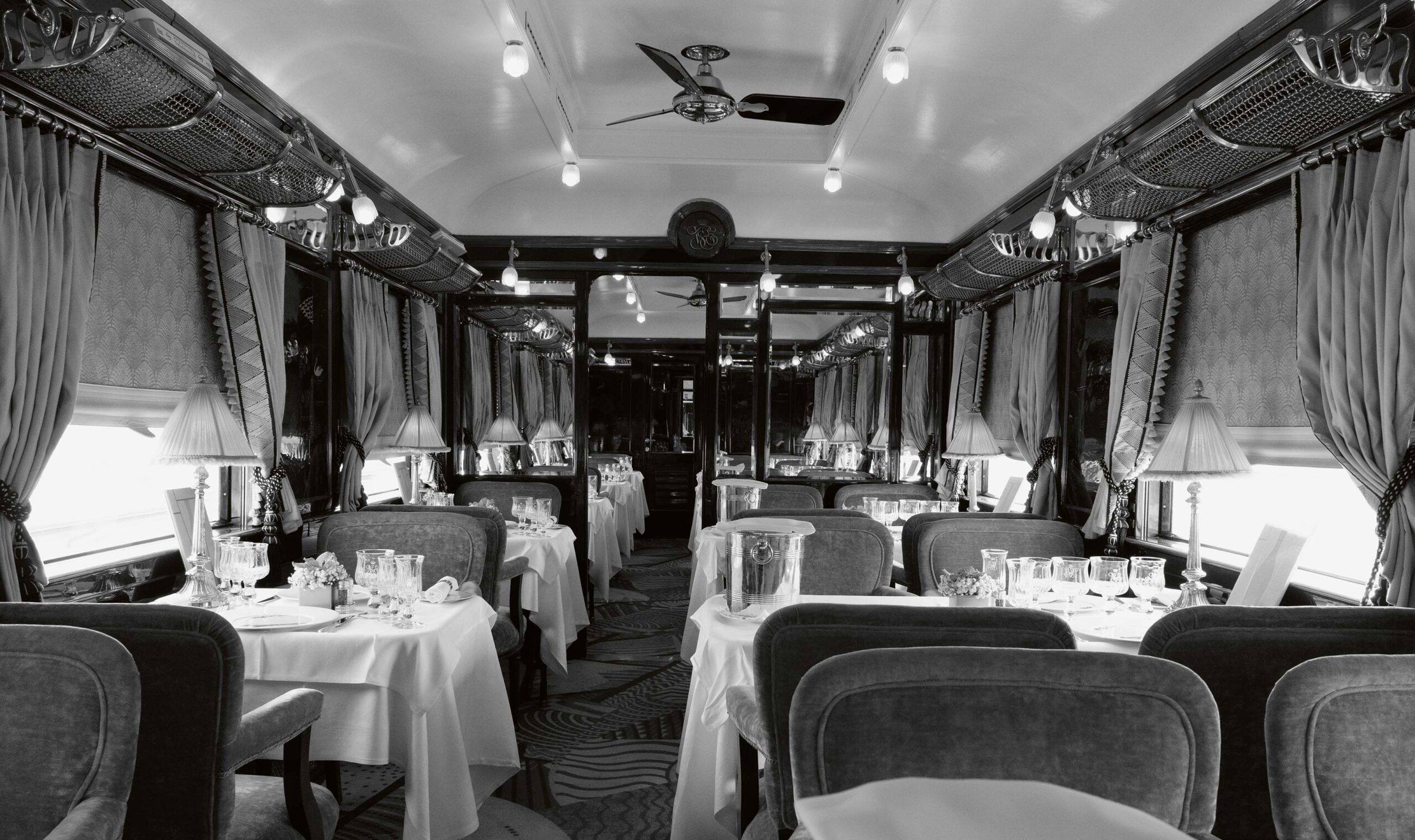
And Belmond is quite unique in the world of travel, at least from my point of view, in that it includes many different kinds of travel and modes or experiences, if you will. There’s hotels and trains and safaris and boats. So on the one hand, it’s so wonderful in terms of its variety, but I’m sure it’s also quite the challenge just from a travel universe point of view, both in how you communicate this idea of the quote-unquote Belmond way, or is there a Belmond way or a vision of how this is all, how you guys think of yourselves in this way, because in travel, it’s usually you’re either, you know, just cruising or just hotels or just something else, and you guys do everything. So it’s quite extraordinary.
So what I try to do with the brand is to position the brand as a lifestyle brand, first of all. So it’s about travel, but it’s also about gastronomy, it’s about wellness, it’s about contemporary culture as well. So I think what is the beauty of the brand today is that we try to shape the future of travel and to perpetuate this legendary art of travel.
Think golden age of travel, but reinvented for a new generation of guests. And this is really what we want to do today. And recently, we really embraced this concept of slow luxury, which is this idea to disconnect.
And when you travel with Belmond, try to take your time, invest your time in the experiences we build for you and discover a new pace of travel. And this is, I think, where we are very different from other brands. We invest a lot in experiences where we want people to disconnect, to reconnect to what matters the most for them, nature, culture, their own well-being, and also the idea of celebration, celebration with their friends, with their family, how they can really kind of have a good time with us and enjoy wonderful destinations, but also time with their very own friends and family.
And speaking about the golden age of travel, what does that mean to you? I mean, to me, it means like sort of jet, the early days of jet travel and before the internet.
I think, yeah, I think actually before the internet, and I think it’s a time where you had time to enjoy the travel. And it was not only about the destination and going there. It was also about the journey to go there.
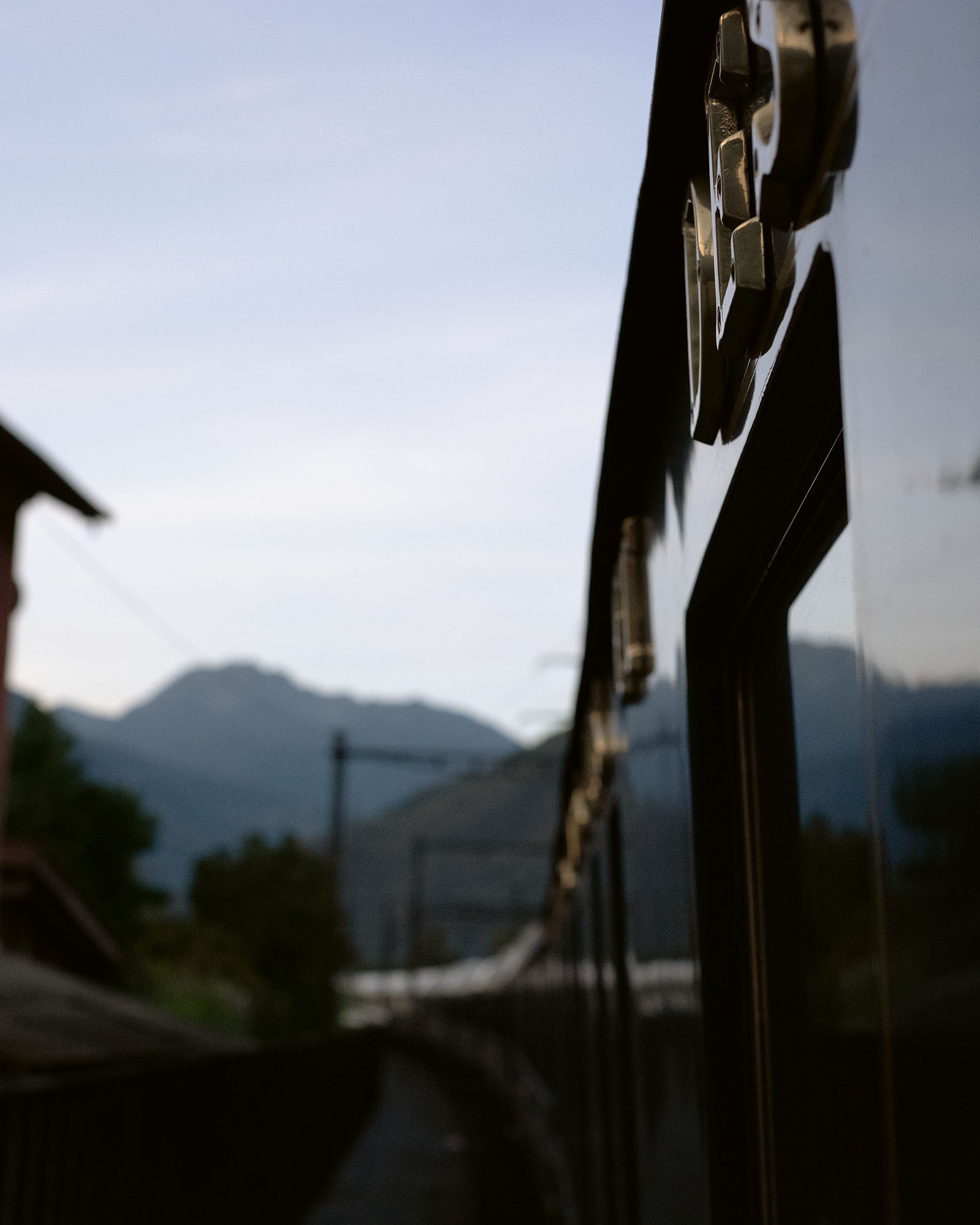
And I think at Belmond, it’s very important because the journey is as important as the destination. And the best example for that is our legendary trains. So, you know, we own the Venice Saint-Bernard Express that we have completely restored and we keep restoring all the time.
It’s absolutely legendary travel. And it’s really the perfect example of how you disconnect to have a fantastic journey in almost in a time capsule, you know? And this is for me what really is interesting with the brand and the experience we offer to our guests and travelers around the world.
And, you know, bringing up the Orient Express, tell me a little bit about the history of this particular line and how it came into Belmond’s hands, because it is a fascinating history.
Yeah, so actually the group has been funded by an American eccentric, Jim Sherwood, and his wife, Lady Sherwood, and together they build this exquisite portfolio of properties around the world. And the founding act of the group is when they acquired the Cipriani in Venice, and they collected 17 original carriages from the original Orient Express from the 20s, 30s, and they started to restore this train. And they relaunched it in 1982 with Liza Minnelli, actually, who was one of the first passengers on board.
And the idea of the group was really how you can connect through trains, boats, all these different properties across the world, and travel with your friends and families. So it was actually a quite personal journey for them. And this is the story of the train, completely restored by them, and that we kept engineering and reinventing with many, many initiatives over the past few years.
But this is kind of like how the founding act of the group, and the incredible story of the Venice-Saint-Plan-Orient Express that we operate today.
And tell me, how many trains are there, just to get to the nuts and bolts? How many carriages does Belmond operate?
Today we have seven trains. So we have this legendary train from Paris to Venice to actually 20 destinations in Europe, and the legendary trip to Istanbul twice a year. But we also have a day train called the British Pullman. We recently had an amazing collaboration with Wes Anderson, who decorated one of the carriages. We have just launched a new train in the UK called the Britannic Explorer, which is a train going to England, Wales, but also the Lake District. And really, it’s a journey because you have experiences on board, but also off-board to discover the countryside of the UK. We have incredible trains in Peru. Peru has always been a very big market for us, and we have five hotels and two trains. One train is going to the Machu Picchu, and the other train is crossing the Andes. It’s at 4,000 meters, so you better be fit and comfortable with oxygen. But it’s an amazing journey and experiences from Arequipa to Cusco, passing through the Lake Titicaca. It’s the incredible landscape and amazing experiences. And then we also have a train in Southeast Asia called the Eastern and Oriental Express from Singapore to Malaysia, going into the jungle, going to Penang, which is an amazing foodie destination. So it’s also an offline, on-board and off-board experience. So these are kind of like the portfolio of our trains. And we also have one in Scotland, which I almost forgot, which is incredible from Edinburgh to the Highlands, North Highlands. And it’s like really the beauty of a journey again, but also discovering the incredible landscapes of the North of Scotland, which are epic. And each of these journeys are very, it’s adventure.
Adventure with champagne.
[SPONSOR BREAK]
Because, you know, looking at the photos that we had taken for the second issue of The Grand Tourist magazine, which will be coming out probably around the time that this is ready for download, it is not just a nice train. It is sort of a luxury hotel on wheels that is sort of like a five-star hotel on wheels, essentially, right? I mean, how many people work on each train? Give me an idea for people that have never been, like, the kind of the staff that’s required. It’s quite extraordinary.
On the Venice-Simplon-Orient-Express, which is a hotel, but it’s almost like a museum on wheels, you know? It’s like proper marquetry, it’s like, it’s history, because you even have a heritage cabin, which are like bunk beds, you know? So it’s like really kind of part of the history of travel.
And that golden age of travel was what I was mentioning. And it’s very well maintained by a fantastic team of, you know, engineers and conductors and stewards on board with their iconic blue uniform. Actually, the uniform was designed by Balenciaga at the beginning of the century.
We have chefs on board. So in total, we have about 100 passengers on board. And I would say we have maybe 50 staff, a great team of passionate people.
And they are very professional. And it’s sometimes, more often, actually quite often, it’s like from generation to generations, we have many stewards who have in mind this guy Rory, his father and his grandfather were also stewards in the Venice-Simplon-Orient-Express. So there is something almost like a family transmission, you know, in our staff, which is beautiful to see.
But what is so special about the train is really that it’s almost like a legendary time capsule. You step aboard the train, and it’s almost like you’re part of a legend. And it’s behind these closed doors. You have this kind of, the team and the guests, it’s almost a play is going to happen. You know, you have these characters, staff and guests. You have this notion of time, which is very precise. It’s like 24 hours journey. And you have like this train, which is quite narrow, actually. So you have the corridors where you can bump into people and staff. You have your rooms, you have the restaurants, you have the bars. So there is almost like a decor and a scenery, which is very interesting for a special atmosphere. And everything can happen in the Venice Simplon-Orient-Express.
And why do you think, you know, because the switch from Belmond to join LVMH was like a year or two before the pandemic. And now, in this era, the sort of post-pandemic age, things like these trains are so popular and so successful. And just the idea of it is very romantic and very appealing lately. Why do you think that is? Why do you think people are flocking to a train when they could easily fly in a of the time?
I think it’s really about slowing down. And it’s really about time being the biggest luxury today. And people are really living, and especially high-net-worth individuals in a very hectic world. And when they travel, they want to really sever this notion of time. So the fact that you are on a train, and that it’s going to take 24 hours to go to Venice, instead of a couple of hours. And that the journey is as important as the destination, and that you’re going to be able to enjoy lavish dinner and parties in the train. And you will be able to retire into your cabin and have this incredible sleep with the sound of a train. It’s really something which you’ve never experienced before. So I think you say romantic, and I think it’s a beautiful word to use for this experience. Because it’s really what travel represents for me. It’s kind of an experience which is almost imaginary. And this is what I love so much about our train journeys. And this idea of slow travel, and to really take the time to disconnect, to slow down, to absorb the surroundings of a place. To just look through the window and see. On that journey, you cross the Dolomites, for instance, which are incredible mountains. You have journeys where you go through multiple countries, from France, to Austria, to Italy, up to Turkey. So it’s like really crossing Europe. It’s an imaginary but legendary travel, which is a beautiful experience.
And our creative director, as I mentioned, Matthias Ernstberger, had quite the journey from Paris to Florence on the train. Can you describe the journey a bit, and that particular journey?
Yeah. So actually, on that particular journey, you board the train in Paris. So it’s like middle of the afternoon, you’re going to go into your cabin to rest and to change, then you will have a very nice afternoon tea with champagne. Then you will dress up. So we highly encourage people to wear black tie. But of course, it can be like modern black tie, so very elegant and romantic, to go back to that word that I love. But jacket required. Jacket required. Then you have a great culinary experience.
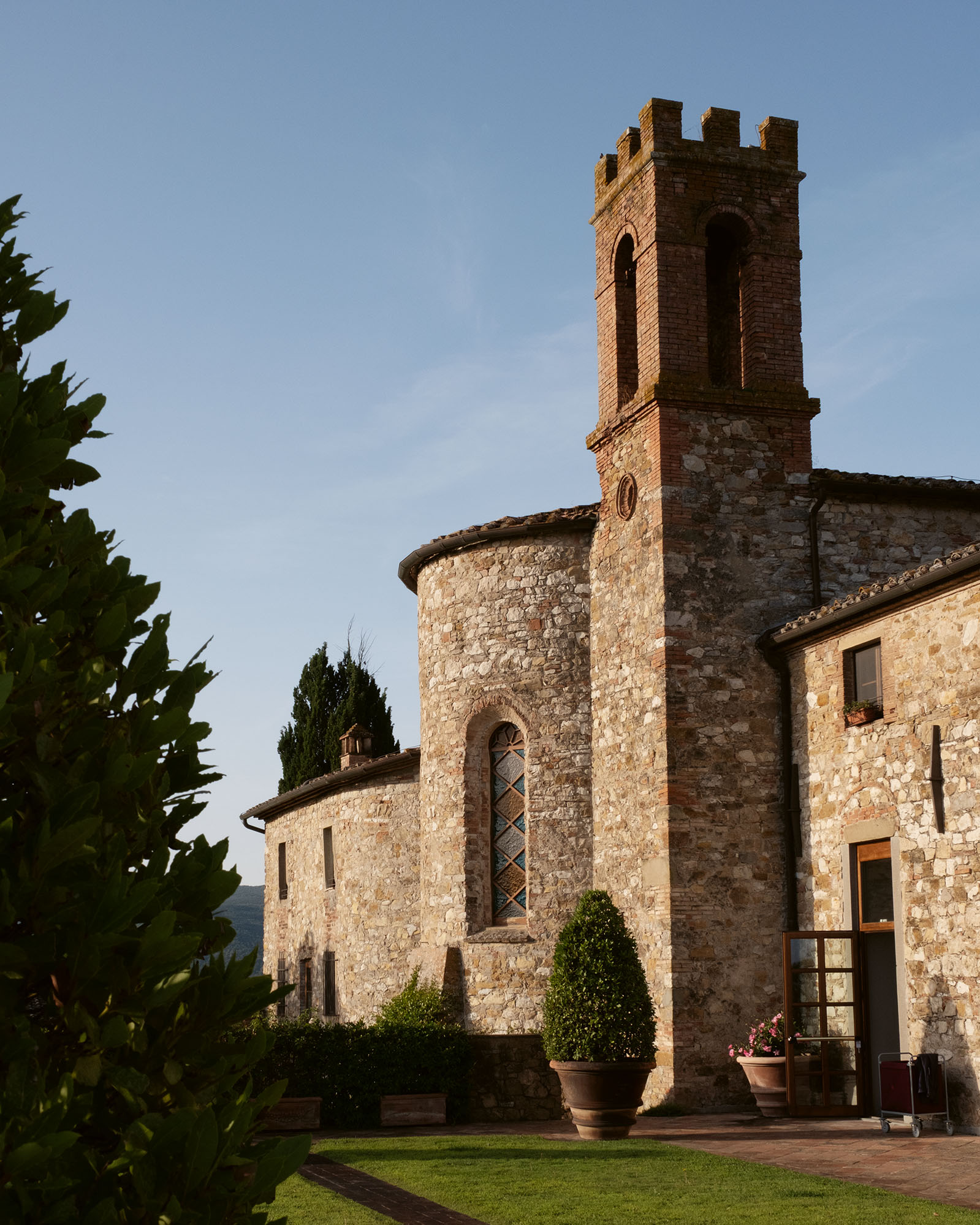
You can have a nightcap at the bar with musicians. There is a piano bar. So it’s always really, really happening. Then you retire to your cabin and you have this kind of like moment in your cabin to feel the movement of the train, the adventure of the night as well. It’s quite adventurous, that train. And then the next day, you’re going to wake up with a lovely brunch with lobsters. And then you’re going to go through a fantastic landscape, arriving to, in his case, to Tuscany. And you will cross the Tuscan landscape and the hills of Tuscany. And it’s going to be a very special arrival near one of the hotels close to Siena, Castello di Casole, where he stayed for, I think, two nights. So the beauty of these new trips that we are launching across Italy is like they’re coupled with some of our legendary hotels. So of course, initially, we had the Venice-Saint-Bernard Express going to Venice at the Cipriani Hotel, which is really a journey because you take the train, then you take the boat to reach the Cipriani. So it’s really like all about this idea of travel. But we also have a journey on the Amalfi Coast going to a hotel on the Amalfi Coast in Ravello called Caruso. We have the one that your editor, our director did, which is from Paris to Tuscany to Castello di Casole. And yeah, this new village tour by train, how we call them, it’s like always linked to a train experience. And then on the Venice Simplon-Orient-Express, and you reach one of our properties in Italy. And the last one we are launching is the one going to Florence, where you will reach Villa San Michele in Fiesole, which is on the hills of Florence. And it’s going to be the big launch next year because we are completely renovating the Villa San Michele, which is an amazing property. And it’s going to be the big relaunch of next year in April 26.
And obviously, there’s a lot of the journey revolves around service and food. And is there sort of a culinary point of view to these trains that might differ from kind of an ordinary sort of hotel experience? Or what is the food? Someone just said, what is the food like? Because so much of it revolves around that sort of cycle of dining and everything.
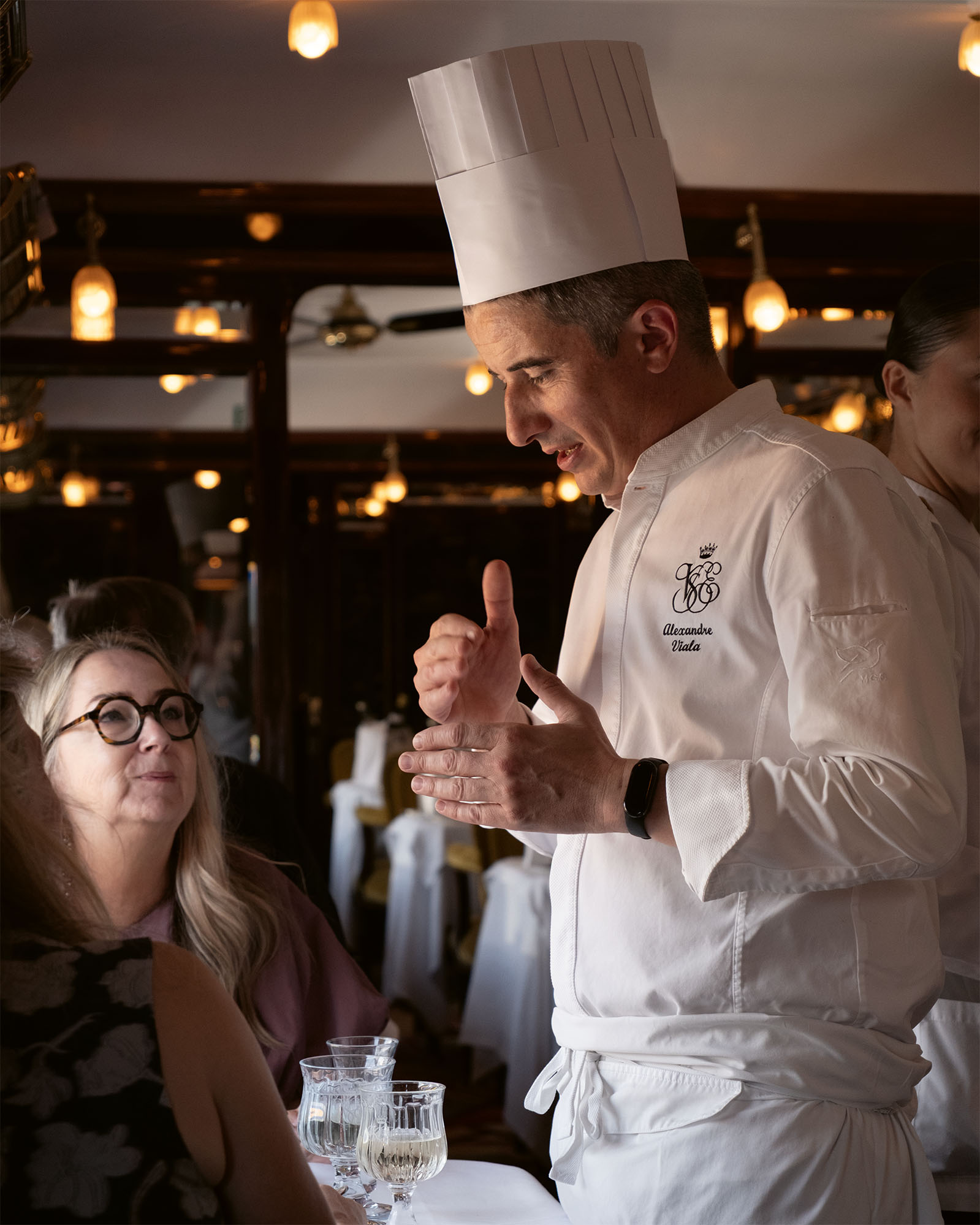
Yeah, I think today the culinary experience on boards is different from train to train, but we try to be authentic and relevant and most of the time linked to the countries we are crossing. So for instance, French and Italian for the Venice-Saint-Bernard Express, or British with a twist in the Britannic Explorer, more Peruvian in Peru. I think a good example is in Southeast Asia. On the Eastern and Ontario Express, we work with Andre Chong, who is this incredible chef from Taipei. And his passion is about spices and especially pepper. And he’s done this curation of a fantastic gastronomic experience around the spices of Asia. And so we always try to invite celebrity chefs for long term or for pop-up to kind of offer a very genuine and authentic experience linked to the food of the countries we are crossing.
[SPONSOR BREAK]
And, you know, speaking of this sort of slow romantic vision of the world, Belmond has quite the program with books, which is in a very atypical way, a very non-typical way that you would see, and it’s quite artfully done. Can you explain this program for me?
Yeah, I think, you know, what is interesting is that for us, print is back. And I’m so happy actually you’re launching your magazine now. It’s the second edition because you started as a podcast and now it’s becoming a print. So I think print is back and this is something about publishing beautiful books where people can, again, slow down and experience a moment where they can read and touch paper and discover like a destination, in our case, in a different way. So we have, with my team, we publish three collections of books. The first one is on contemporary photography. So I’ve been lucky enough to work with very, very talented photographers around the world, from François Allard to Rosi Marx to Jack Devinson to Chris Rhodes. But we also have a photography residency where we encourage young photographers from all around the world to apply. And once a year, with a jury of experts, we pick one winner. And actually the winner last year was Cece Young. And she did the residency at the Castello di Casole in Tuscany. And I will send you her book, but the way she captured weather, lands, daring lands, the beauty of the region and the hotel and the food and the wine and the community is very, very, very beautiful. This year, we just announced the new winner of the residency. She’s Indian and she will shoot and do a retreat in our property in Sicily, at the Villa San Andrea on the beach. And she will discover the sea and the gods of Sicily.
So this is our first collection, which is in partnership with a Parisian publisher called RVB. And it’s called Asin By, where we invite contemporary photographers from all around the world to shoot our destinations and our properties. The second collection is around cookbooks.
And we partner with Apartamento, the Spanish publisher. Of course, yes.
Nacho’s over there. Yes.
And so we work with them on, it’s really about food and it’s about terroir. And so we pick very specific destinations. We did one, like the last one, which we launched is El Baejo. It’s the region of San Miguel de Allende in Mexico. And we really work with the best chef and contributors there. And we, because we have a property, Casa de Sierra Nevada. And it’s, we go to farms and suppliers and we really try to understand the food and the region of, the food and what they cook, what they eat, what they drink. We’ve done one in Penong. We’ve done one in Campania, which is the region of the Amalfi Coast, where they produce the best mozzarella, lemon groves. And, you know, we’ve done one in Liguria, which is the region around Portofino, where we have the legendary Splendido. And it’s also a fantastic food experience. So this is the second collection of books, cookbooks, but always with a party around photography as well, where we invite great photographers to capture the food region through their lens. And the last collection is with Assouline. And they were on your podcast very recently.
Yeah, Francois Halard as well.
Yeah. Oh, okay. So we work with Prosper and Martine on a new collection focusing on our destinations. The first one we’re launching is on Splendido, which is our legendary hotel in Portofino, just restored by Martin Brudnizki. And the legendary Villa Beatrice, which is this incredible villa at the tip of the peninsula. And it’s really beautiful. It’s a villa that we are renting. You can have a full buyout of a villa with five bedrooms and suite and private pool, access to the sea. It’s really an exceptional villa, one of the most beautiful villas in Italy. And the second book we are launching with the Asselin family is on Peru. So we were talking about the trains in Peru. So here it’s the trains in Peru, but also the hotels in Peru. We have Monasterio in Cusco, which is an old monastery. We have Palacio Nazarenas, where we have an amazing hidden palace. And we have a great chef. We have Pia Leon. I don’t know if you know Pia Leon. She’s one of the best female chef in the world. And she’s with us at Palacio Nazarenas. So three collections of books, photography, food, and I would say heritage and legendary travel. And why we do so, it’s really to connect with different agencies across the world. We want to reach different types of agencies according to their passion points. So if you’re a foodie, if you’re into photography, or if you’re into heritage, you can connect with us through our beautiful book collections.
And as you mentioned, the hotel that also owned and run by Belmond, the Castello di Casole, which is where Matthias stayed when he got to Italy, is also an incredible property with a really strong sense of place. And it links up with the Orient Express so well. It joined, I think, Belmond around 2019, just right after the group joined LVMH. Can you tell me what makes the property like a Belmond property?
Well, most of our properties are heritage properties. And we try to revamp them to make them relevant for a new generation of guests. But in that case, it’s really the fact that you feel at home in Tuscany. And it’s a restored 10th century castle. Actually, it was a village initially with the school, the church, the working farm, producing olive oil, wine, wheat, cheese, and we kept that spirit. So this is still very much a village with different buildings. Actually, this hotel was owned by Edoardo Visconti, which is the brother of the filmmaker Luchino Visconti, where they hosted the lavish parties. So there is so much history on that place. Most of our hotels around the world have this kind of history and background. But at the same time, you feel at home in our hotels. You feel something very special and very genuine. It’s also our teams and our staff. They don’t act. They are very proud of where they work and they are full of personality. They like to engage with our guests in a very genuine way. Our guests, a lot of times they remember their names and they come back to interact again with our teams and to have this very personal connection with our staff and our teams around the world.
It’s quite the relaxing sort of classical Tuscan getaway in some ways. But how would you spend a weekend there personally if you had a good three days in Castello di Casole?
There are plenty of things to do there. First of all, you are between Siena, which is an amazing city, where you have Il Palio in July and August, which is this very impressive horse race. I think Madonna actually just experienced that for her birthday last August. You can check online. But you have fantastic wellness experiences at the hotel. You have great food. Stargazing is a very, very big thing there because the sky at night is really dark because there is no light in the countryside. So you can really experience an amazing sky. And I think this is something very, very special for walks by night, but also maybe at sunrise, like a first light experience, which can be very, very beautiful. There are lots of animals in the land. So it’s a big land. So we can also experience the fauna and the flora of a beautiful region. And in the fall, there is something which is really important, it’s like truffle hunting. So you go with the dogs, walking cocker spaniel, and you go and hunt for truffle, black truffles. And then you bring them back to the chef and you can cook the truffles you found with the chef and have delicious pasta and amazing Italian food.
And of course, the Tuscan wines. So we have incredible cellars where you can experience the best Tuscan wines at the hotel. So I would say it’s a very complete experience between nature, culture, and also gastronomy.
And obviously, as one of my last questions, so much of luxury travel today revolves around preserving legacy, a sense of place, storytelling, obviously, especially with these books, and the sort of unrushed romantic charm we’ve been talking about that people feel like the world outside in 2026 generally lacks. So I’m wondering if there’s some future plans for Belmond that might help us understand this moment we’re in.
When it comes to brand programming, restoring our heritage, reinventing, reimagining, perpetuating this legendary art of travel, I think we are very dynamic as a brand. I would mention two things. You mentioned contemporary heritage. We have a fantastic hotel in Mount Nelson in Cape Town in South Africa. It’s called the Mount Nelson. And it’s a pink hotel, completely pink. And it’s a 100 years old hotel. And we keep rethinking and reinventing and inviting contemporary artists to bring a new perspective on travel. And we are inviting this winter, Thebe Magugu. I don’t know if you know him. He’s like this incredible African fashion designer. Anna Wintour really loves him. Michelle Obama is a big fan of his collections. Thebe Magugu. And he’s designing a suite for us. And he’s also opening Magugu House, which is going to be part retail, but part art galleries on site on this hotel. Another big launch for us is the launch in April 26. I mentioned it earlier, but this is really an amazing property with the facade is designed by the Michelangelo School. It’s an old monastery again, and it’s like going to be a complete reinvention of this property with a gala spa, with the gardens are going to be completely reinvented as well. And so it’s a perfect retreat in the heart of Florence. And it’s also a place which really embodies slow luxury. And slow luxury, as we said at the beginning of the call, is really all philosophy. How you invite people to discover a place of travel, to disconnect and reconnect with nature, culture, their own self and celebrate life with their friends and their families. And I think Villa San Michele is going to really embody that. We also have the relaunch of the Copacabana Palace, which is also 100 years old in Rio de Janeiro. And we have two wings there. We have the historical wings and we have the pool wing. And we are restoring the pool wings with the best craftsmen from Brazil. Lots of Amazonian marquetry, which will be displayed everywhere in the building and in the rooms. And the pool is going to be really the energy center of the hotel with a new bar, some retail component, a new restaurant, a dual spa, big fitness. So it’s going to be like really kind of a wellness center for the city of Rio. And we are really looking forward to relaunch the Copacabana Palace in November 26.
Well, I’m going to ask you, as my last question, I’m going to ask you the most difficult question. This summer, what if you had to choose one of the experiences or any property or any experience from Belmond to personally take for a week vacation this summer, where would you go?
Well, let’s go back to the Venice International Express. I think you take the train from Paris and you go to Venice, you discover the Cipriani. The Cipriani is actually being renovated by Peter Marino this summer, where we open a completely renovated Oro restaurant, one star Michelin, we will have a new dual spa.
So it’s going to be a fantastic way to rediscover Venice in one of the most famous hotel in the world. Sicily is always a good idea. I think our properties in Taormina are great and we are revamping also the Villa Timeo, which is part of the Grand Hotel Timeo.
I think the White Lotus and it’s where season two was shot and it’s really a very, very special destination connected to nature, but also to the Greek theater next door. We have a secret passage from the hotel to the Greek theater. So it’s very special.
And the city of Taormina is the best view over Vietnam and the sea. So we have plenty to offer. We have about 45 hotels, trains, safaris, and boats around the world, 20 countries. So you have plenty to choose from.
You would choose the Orient Express to Venice to see the new Cipriani?
Yeah, I think it’s the founding act of the brand and it’s a once in a lifetime trip.
Thank you to my guests, Arnaud Champenois, as well as to everyone at Karla Otto PR for making this episode happen. The editor of The Grand Tourist is Stan Hall. To keep this going, don’t forget to visit our website and sign up for our newsletter, The Grand Tourist Curator at thegrandtourist.net. And follow me on Instagram at Dan Rubinstein. And follow The Grand Tourist on Apple Podcasts, Spotify, or wherever you like to listen and leave us a rating or comment. Every little bit helps. Till next time!
END OF TRANSCRIPT
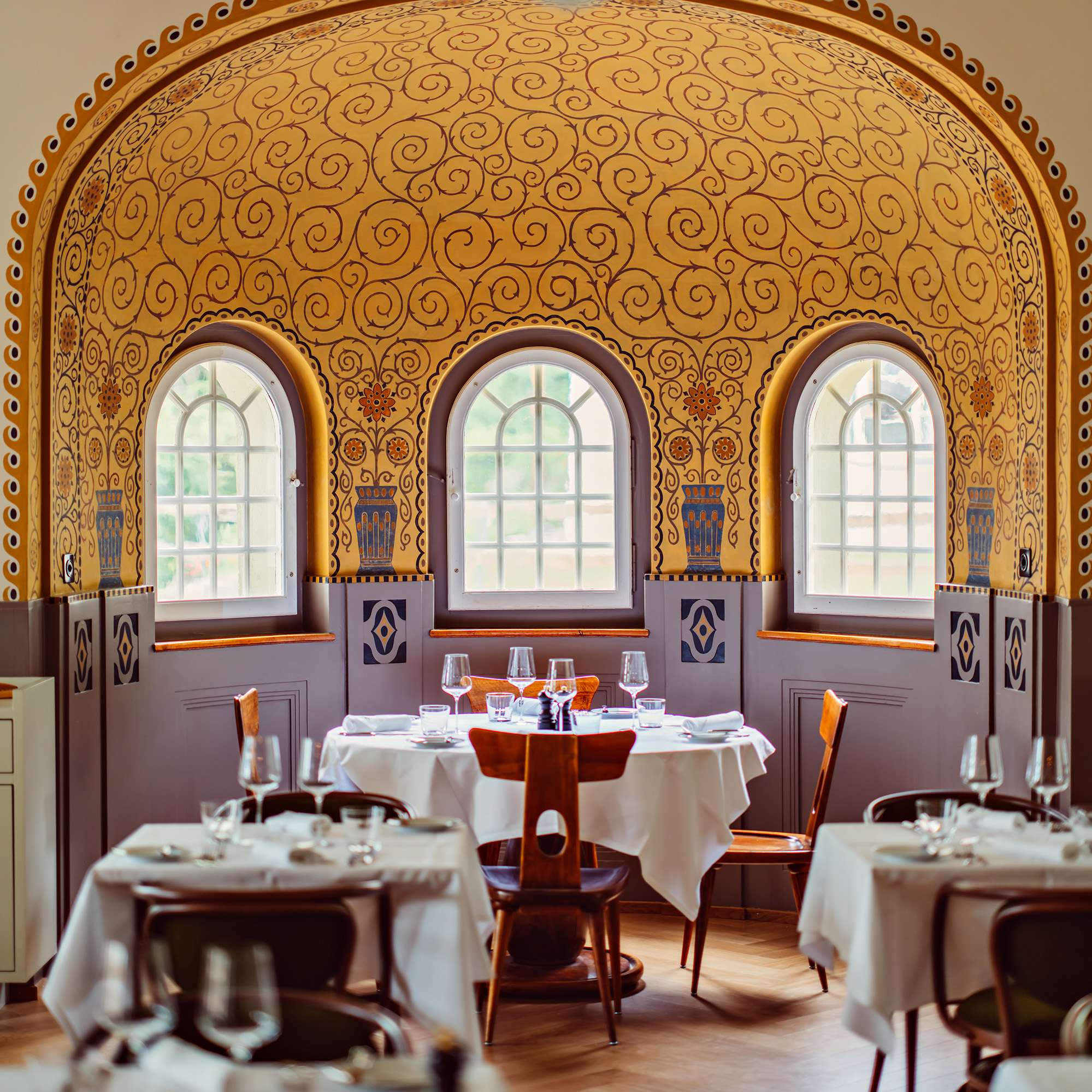
There's a new generation of Swiss hospitality rising in the Bernese Oberland, with drab interiors and old-world formality making way for chic spaces and warm smiles.
Few designers have influenced the way American men dress in the 21st century as much as this Midwestern designer has. Celebrating his brand's 15th anniversary, Dan and Todd explore his creative journey any entrepreneur can relate to.

When artists and designers require the highest level of expertise, they call upon Aska Yamashita of Chanel's Atelier Montex to make their dreams into reality.