Boucheron Showcases Nearly 170 Years of High Jewelry at Christie’s
The renowned house looks back on its vibrant history and its incredible pieces that have pushed the boundaries of craftsmanship.

Welcome to The Curator, a newsletter companion to The Grand Tourist with Dan Rubinstein podcast. Sign up to get added to the list. Have news to share? Reach us at hello@thegrandtourist.net.
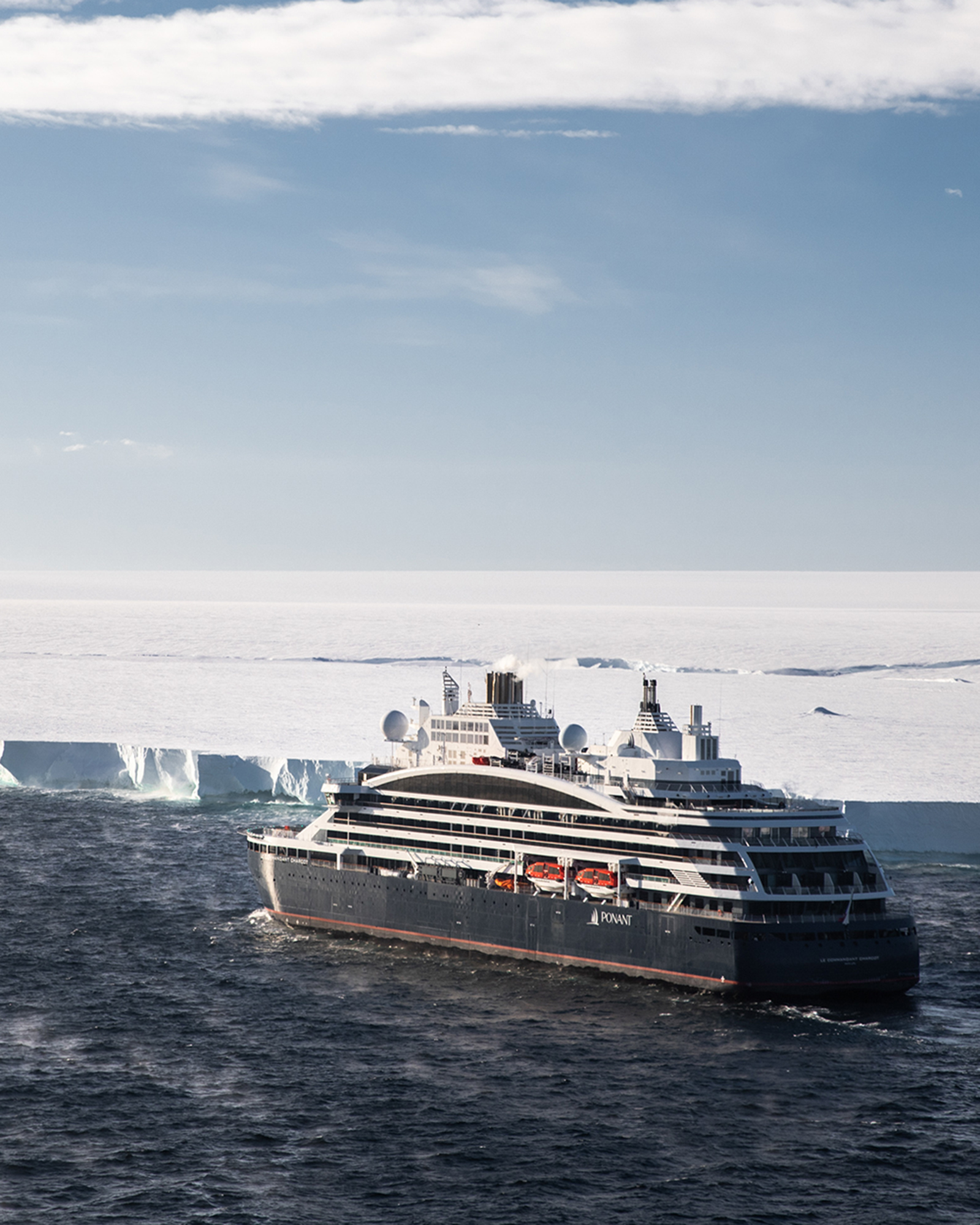
Once a far-fetched destination, Antarctica has seen tourism more than double over the last decade. Leading the charge is the veteran French cruise line Ponant Explorations which has carried daring vacationers to the polar regions for over two decades. Their Antarctic itineraries now range from shorter Peninsula sailings to expeditions down the coast into the icier waters of the Ross and Weddell Sea. The expeditions also carry scientists and experts, who not only give lectures to guests but conduct essential research from taking ice samples to mapping the ocean floor. This year, Ponant announced their most ambitious itinerary yet, the first-ever full circumnavigation of Antarctica in 2028. Over 62 days, guests aboard the Le Commandant Charcot, the only passenger ship that can break ice almost 8 feet thick, will cover all of the nearly 14,300 miles of one of the world’s most unique landscapes.
The expedition quickly sold out, proving that some vacationers are looking to trade Instagram’s more sunny destinations for icier latitudes. We spoke with Samuel Chamberlain, CEO of Ponant Explorations Americas, who explained what makes the Le Commandant Charcot so unique, the challenges of operating in one of the world’s most fragile environments, Americans’ travel preferences, and next year’s itineraries you should probably book now.
Your career in the travel industry has taken you from the Hilton and Waldorf Astoria to the Four Seasons Yachts, and even the aviation company Wheels Up. How did you find yourself at Ponant?
I would argue that there’s a thread of continuity across the luxury traveler and their needs, so it actually was a pretty natural transition to go from hotels to private aviation to yachts to now, expedition cruising with Ponant Explorations. The core values of genuine service, unscripted hospitality, and discovery or wanting a rarefied experience are the same. Ponant is a 38-year-old French luxury cruise company, but wasn’t as well known in the United States. I always worked for established brands, and when I looked at Ponant, the core ingredients were very focused on exploration and on going where no one else goes. We have beautiful ships and tonnage (carrying capacity), which structurally is a good thing to have. And then French flair and educational travel is very well-timed right now in the US market. Building brand awareness with that heritage we have, but then tailoring it for international travelers is quite the fun opportunity.
Over your time in the industry, have you seen the popularity of expedition cruises change?
The customer’s needs and wants are changing. A lot of cruise lines and travel products market the product itself. They market the hotel room and the ship. What we’re really marketing is that our small luxury ships are the conduit to go to these very remote areas, places you can only discover via a small ship: the Indonesian archipelago, the South Pacific, some of Japan’s southern islands we call on. I think that’s what’s picking people’s imagination. To us, that’s the trend. The table stakes are the hardware.

What has Ponant learned from its decades of operating in Antarctica?
Tenure really matters. There have been a lot of new entrants in the expedition category, it’s a competitive, niche segment now. But our longstanding expertise in the poles is important for the expertise of our captains, naturalists, and guides and longstanding relationships with local communities. Le Commandant Charcot has amplified that. It’s Polar Class 2, meaning it has one of the thickest hulls in expedition cruising. It goes through the ice, to the extent where we drop the gangway on the ice and guests can get off. It goes deeper and further earlier than any other expedition ship in the polar regions like in Greenland, where for example we were the first ship to come and see some of the Inuit communities and bring them supplies. We have a lot of itineraries in the Weddell Sea, past the Antarctic Peninsula, while 95% of Antarctic itineraries call on the peninsula. Reaching the Weddell Sea allows us to go see the emperor penguins and their nesting grounds. And now we’re doing a circumnavigation of Antarctica over 62 days, which no other line is executing, where we go westward from Ushuaia to Hobart, Tasmania, then back to Ushuaia.
Ponant puts a lot of emphasis on research on its voyages. What’s it like on Le Commandant Charcot?
Le Commandant Charcot has two laboratories on board. We work with a couple of third parties like Woods Hole Oceanographic Institution, where we send a request for proposal and scientists and academic institutions will send us their research bids. And then we leverage that to match the scientific endeavor, the scientists, and the research to the right itinerary. We’ve looked at microplastics in the Arctic ocean, we’ve taken ice samples in Antarctica, we’ve supported research to map the ocean floor at the poles. Last year, we hosted over 86 scientific missions and represent around a 2.8 million euro grant for scientific endeavors.
Who is the typical passenger who decides to travel on a cruise to Antarctica?
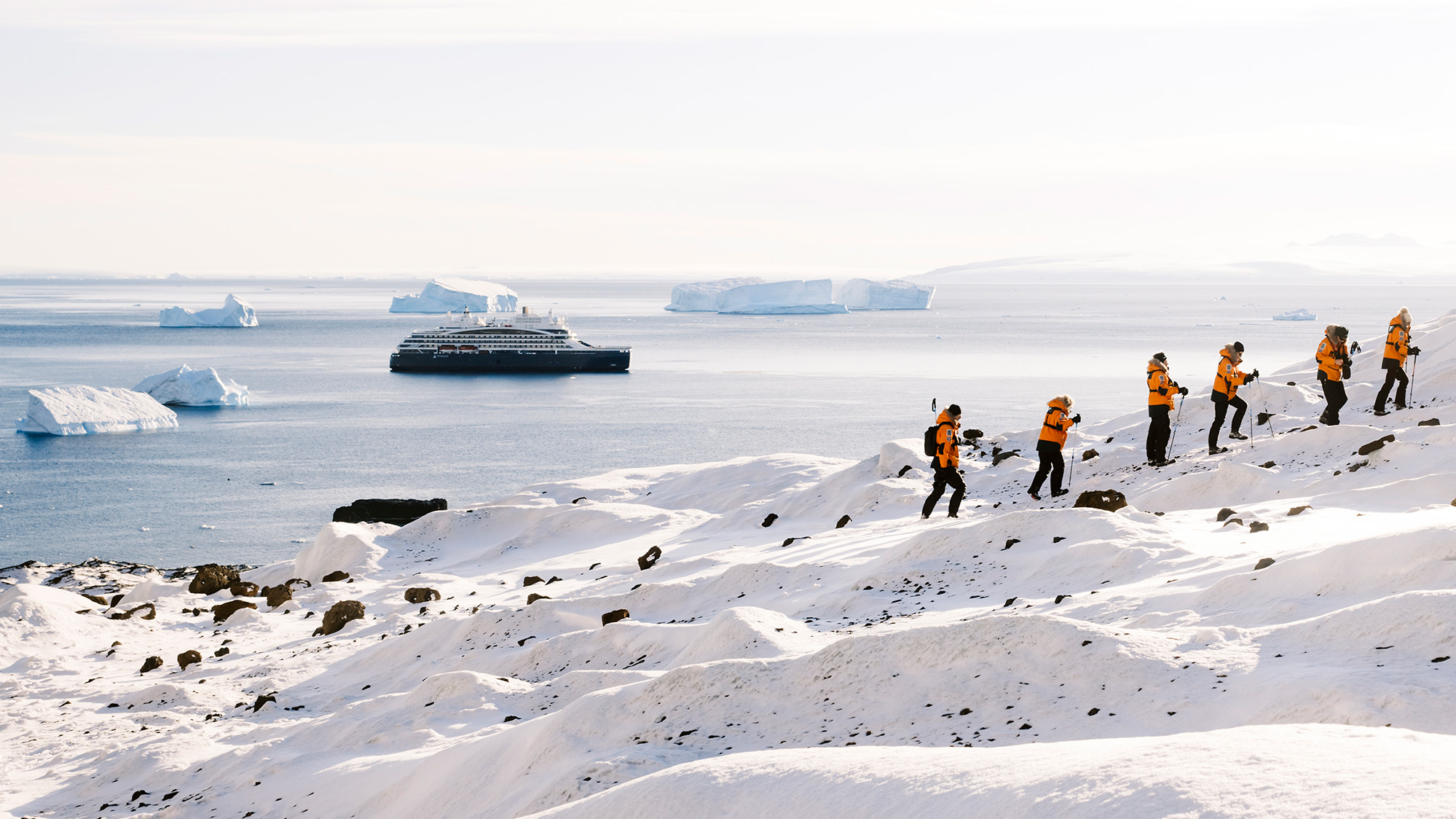
Antarctica is an interesting one because there’s no single typical guest. They have some common traits, like they’re curious, well-traveled, motivated by more of these rarefied luxury experiences. Some want the wildlife experiences that Antarctica offers, others are drawn to the history of polar exploration and the historical monuments like Shackleton’s hut. Some are drawn by photography. There are bucket list travelers who want to check off their last continent. A lot of solo travelers. The demographic on Le Commandant Charcot is a little bit younger. Usually 26% of our guests are under 56 years old because these expeditions are very active, you’re hiking and snowshoeing.
Have you ever been on Le Commandant Charcot yourself?
Yes! I was on the St. Lawrence River and in the harbor of Saguenay during the boreal winter. We were the first ship to go there and we were going through about eight feet of ice in some areas.
Was there anything that surprised you?
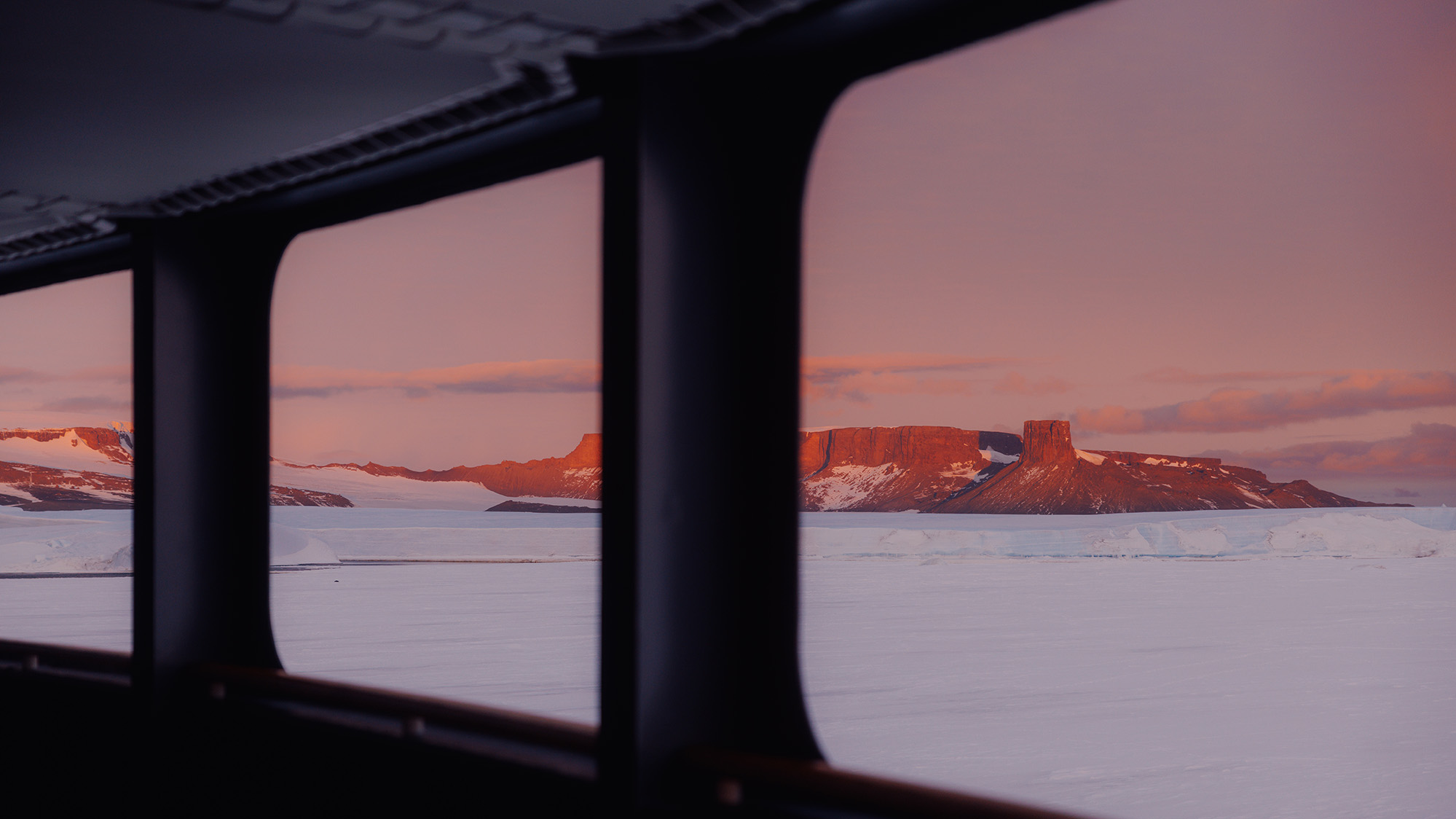
The breaking of the ice, it’s almost meditative. It was very smooth and you heard this constant crunch of the ice and then you would see, in the back of the ship, it would just refreeze right after.
How did you spend your days on board?
One of the most interesting things about small ship luxury cruising is just the people you meet on board. Le Commandant Charcot, for example, has a maximum of 245 passengers. It takes a very specific customer to have the time, money, and means, and then want to then spend their leisure time to go to the geographic North Pole or Antarctica. It self-selects a very interesting group of people.
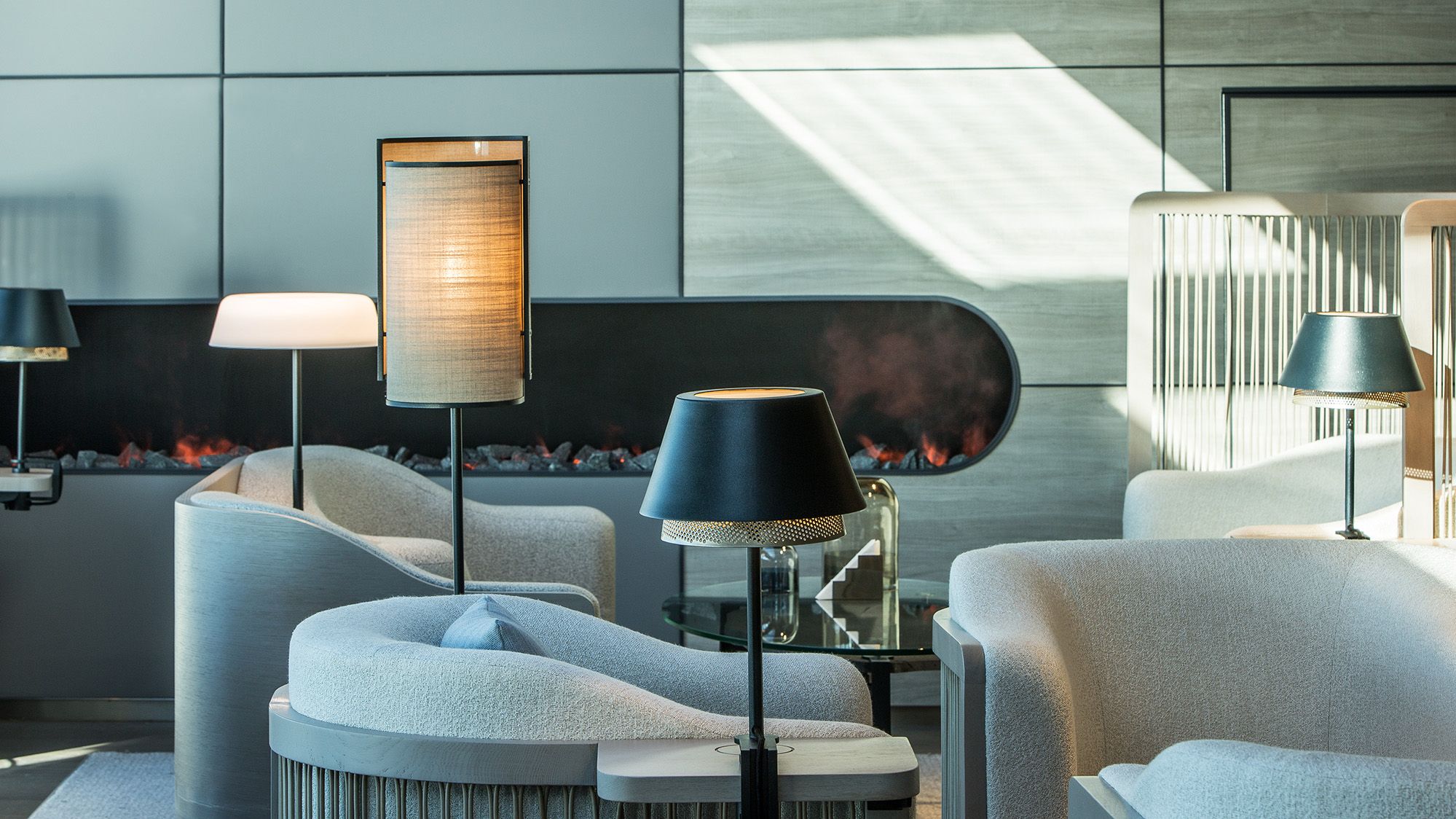
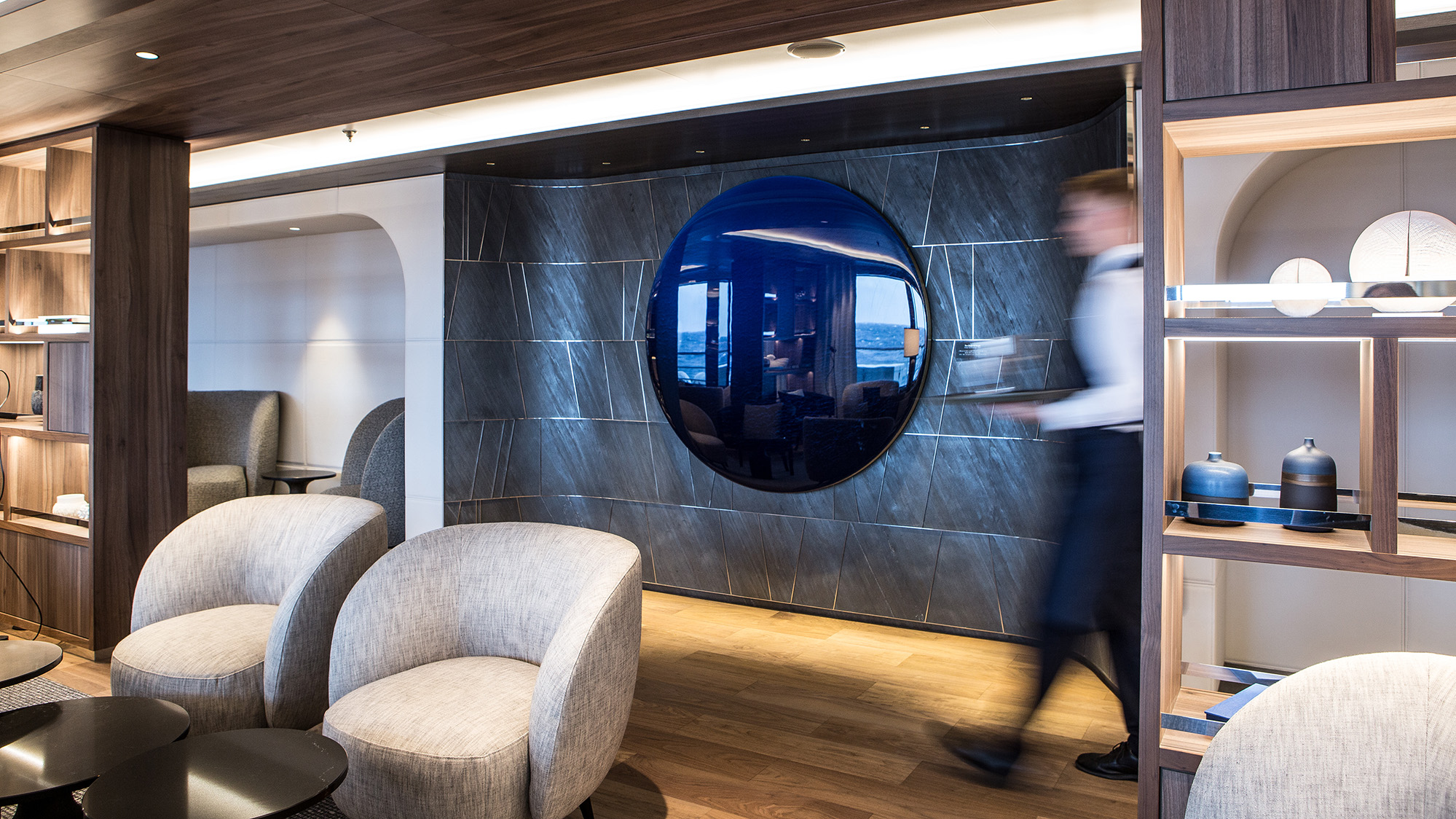
On the ship, having a coffee on your balcony and looking at the ice, taking a slow morning is always one of the nice things to do on an expedition. After you take that slow morning, going up to the observatory lounge, having a beautiful breakfast, we usually have a lecture that’s the briefing for that day’s activities.
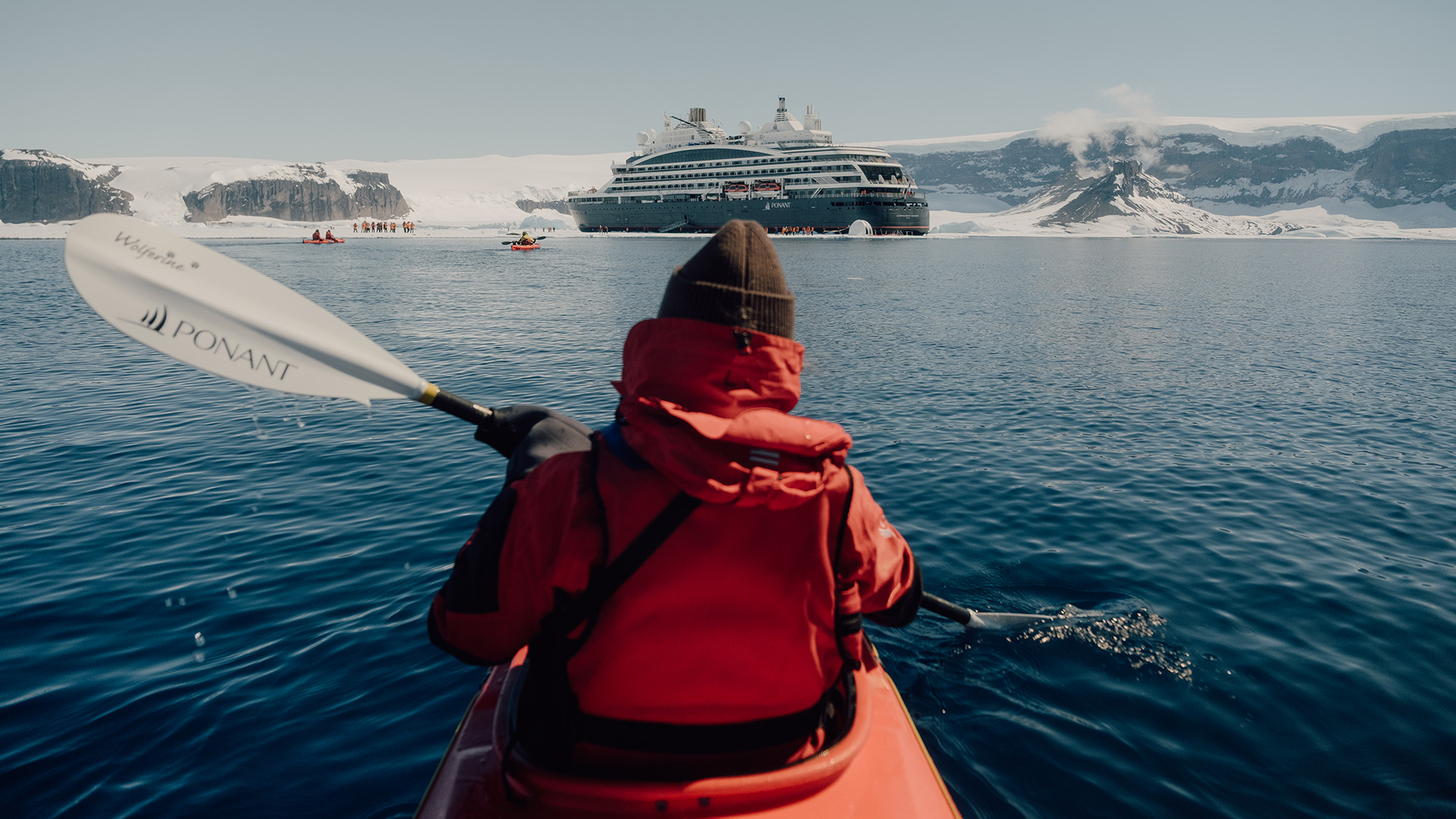
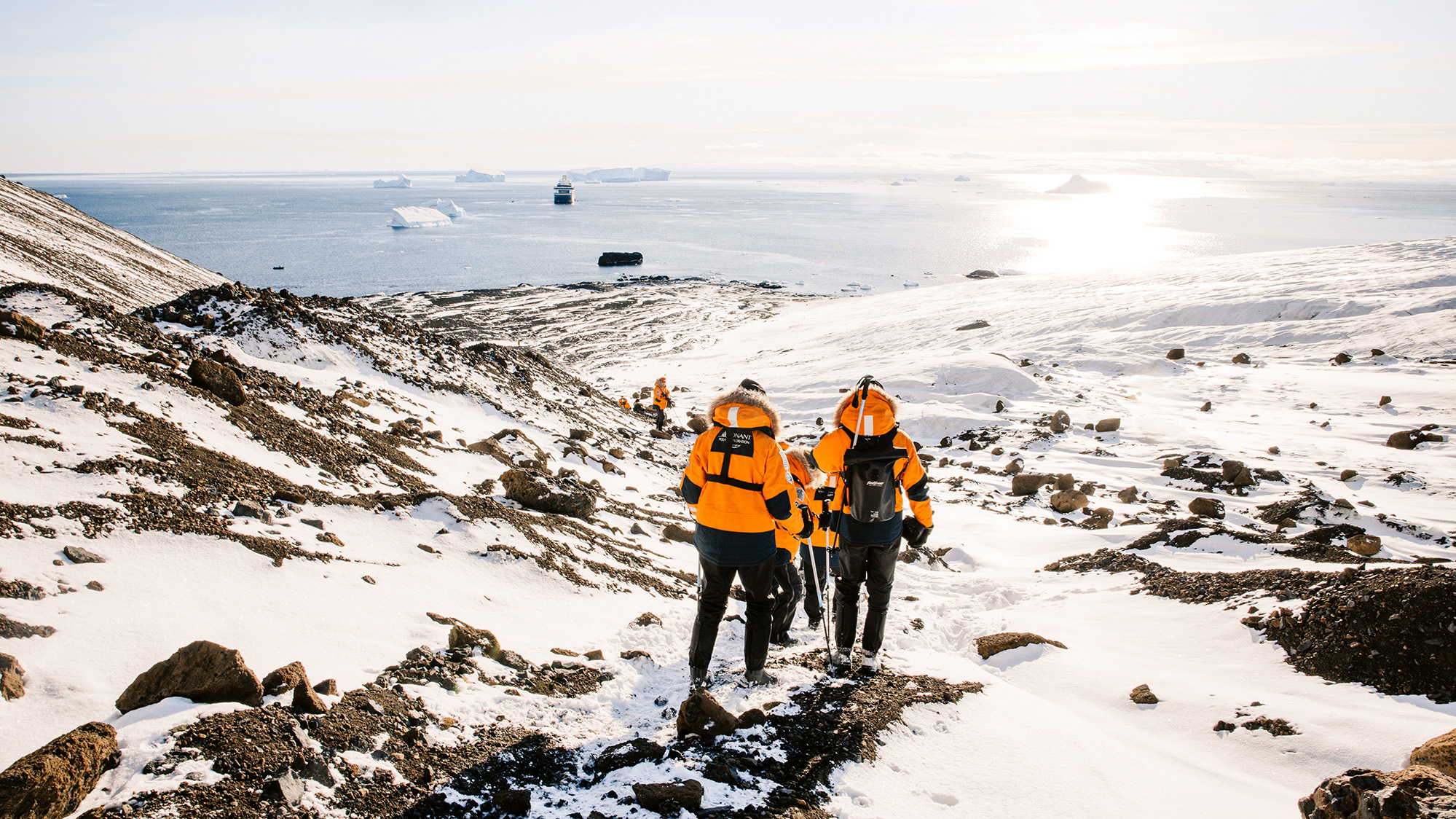
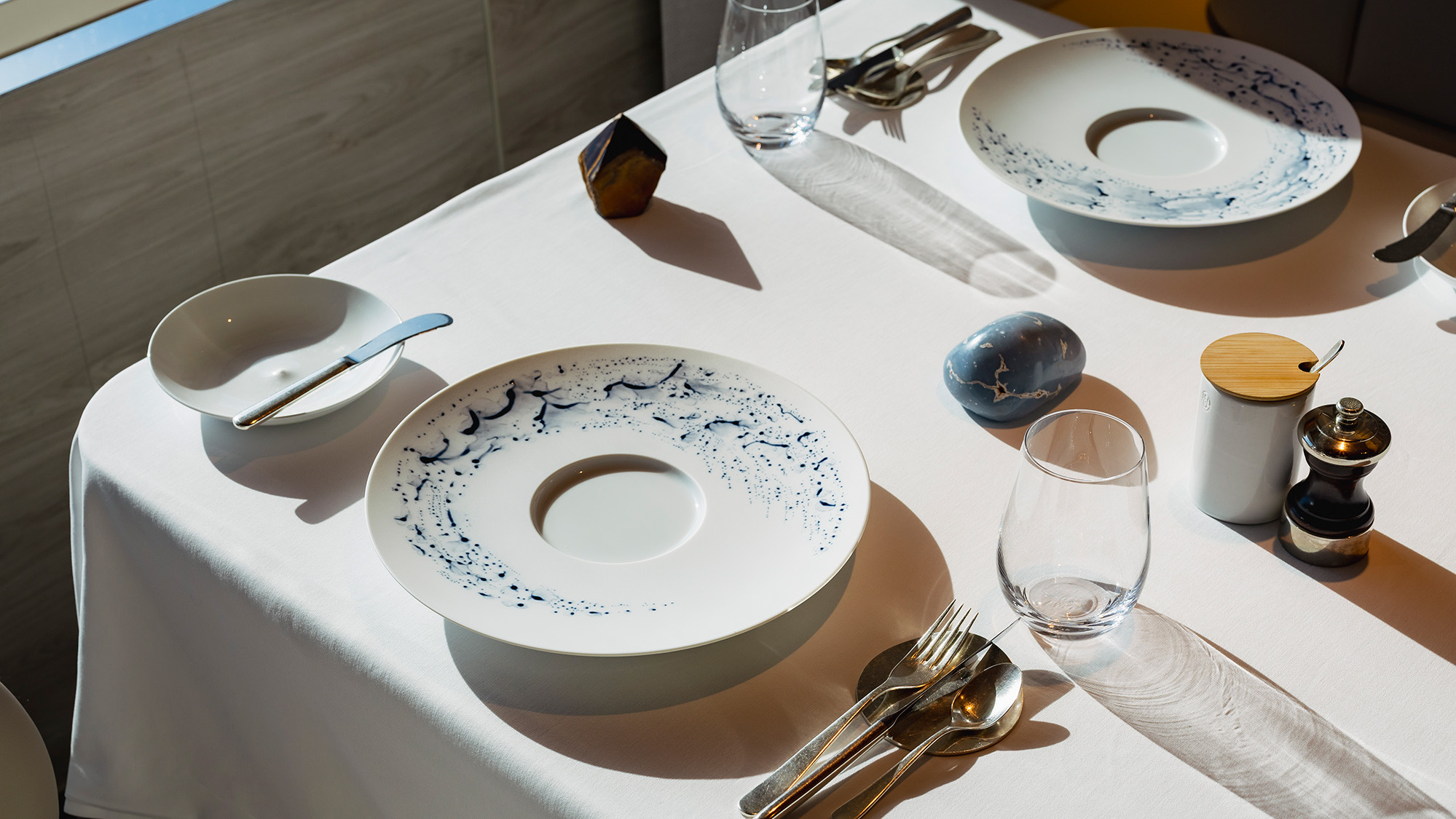
If you’re in Antarctica, hopefully you’ll make one or two landings where you’ll go on the shore, go see the penguins or go on a snow hike, and then you’ll come back and have a beautiful lunch. We have two amazing restaurants on board. One of them is the only Alain Ducasse restaurant at sea. It’s a good juxtaposition, eating fine French food with the provenance of wines, butters, croissants, Champagne, in some of these world’s most remote areas. And then we have a beautiful spa, a pool, a sauna, and ironically, an ice room if you didn’t get enough ice. The misconception with Antarctica is that you get bored, but really the time flies.
When it comes to navigating a fragile environment, what are some of the challenges there?
Getting to Antarctica itself, there’s the notorious Drake Passage, also known as the Drake Shake or the Drake Lake. It’s very improbable at times. The good news is with modern ocean technology the expertise of our captains, the Drake is much more tolerable. The Drake is a right of passage and it allows you to have that anticipation. On day one, you go through it, day two you start to see small ice, then you start to see bigger icebergs, then you start to see more and more ice.
The polar regions are very unpredictable and fragile. So, our first principle at Ponant is the humility behind recognizing that nature sets the terms. The ice, the weather, the wildlife, everything changes very quickly, which is why expertise is important. There’ll be times the captain could completely rotate the itinerary if they see weather and go a different way.
Le Commandant Charcot runs on liquefied natural gas. It’s one of the few using that latest technology. It’s also battery powered, if you can believe it. A lot of Tesla batteries, basically. We actually turn the ship on battery mode when we’re getting near wildlife, and it’s almost completely silent.
What feedback or stories have you heard from passengers after they return from Antarctica?
Antarctica has a surprising repeat rate. There are people who go back because they fall in love with the ice and the remote nature of what small ship luxury expedition cruising delivers. I think people think it’s just white ice, cold, inhospitable. The reality is Antarctica is very dynamic. There’s wildlife and the light itself—some days, depending on the season, it’s bright all the time or you can have these dramatic landscapes of sun and sunsets. It’s a very emotional experience and that’s why, because of the scale, the silence, the remoteness, it becomes very powerful.
Since you’re in charge of the U.S. for Ponant, is there something that you found resonates differently with American clients?
There’s a lot of things we’re doing that have internationalized Ponant, let’s say, from the service standpoint. We made itineraries more specific to the US traveler just by their length because Americans are more time-crunched. For example, the North Pole itinerary used to be around a three week affair, but we introduced a shorter 12 night itinerary to make the North Pole accessible to a two-week holiday. So small tweaks and adjustments make it very tangible for the US audience.
What advice do you have for someone curious about traveling to Antarctica?
These circumnavigations are very popular. I know they’re long, but we sold out for 2028. We just launched the 2029 circumnavigation for again, 62 days and 60 nights. You get to sail 14,300 miles around the continent. That’s one of those things that you could really only do with us, so I’d book before it sells out!
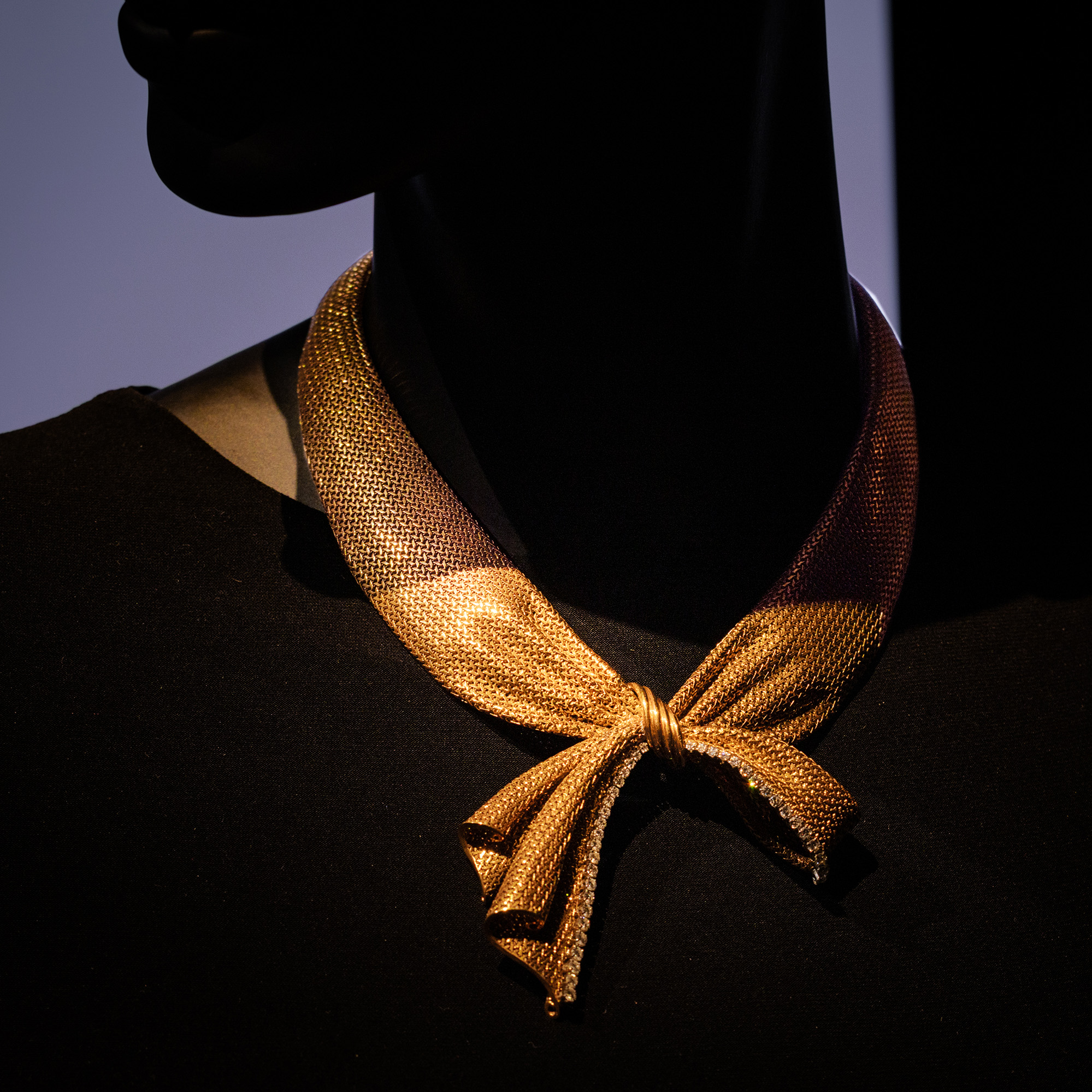
The renowned house looks back on its vibrant history and its incredible pieces that have pushed the boundaries of craftsmanship.
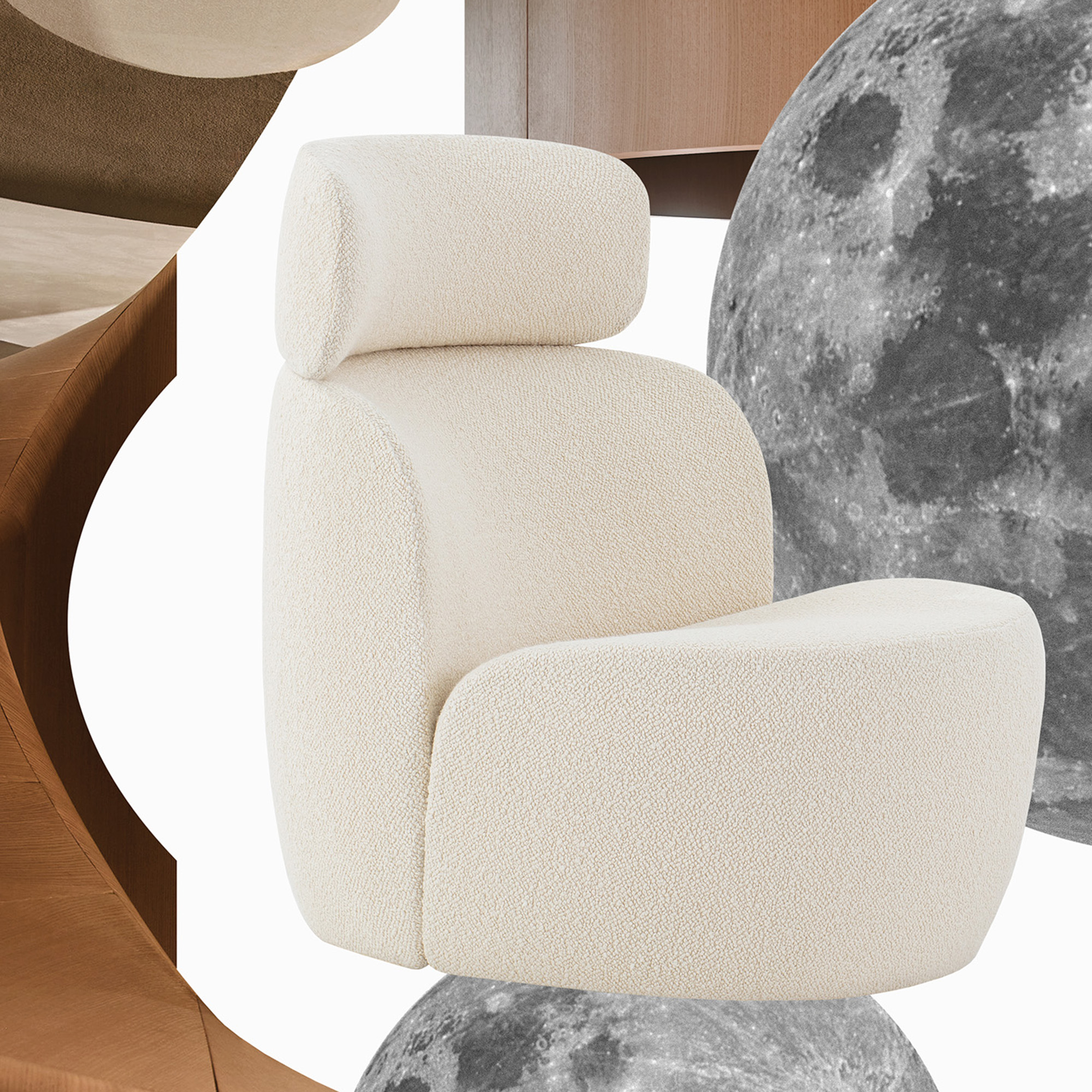
In Milan, we sat down with the brand's Laura Anzani to discuss the family business over coffee, and what it has planned for New York and beyond.
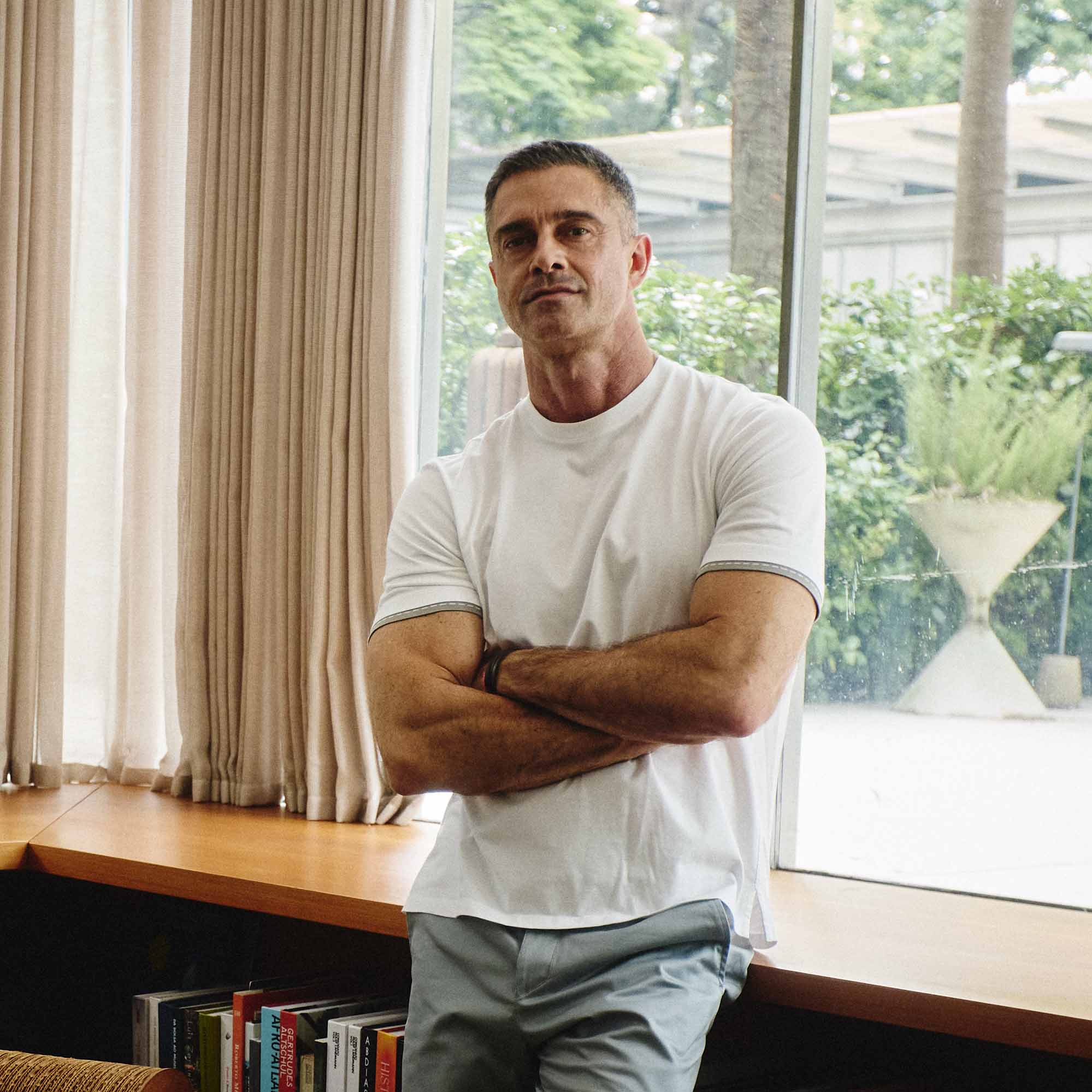
The Brazilian interior designer has quickly risen the ranks of New York design with a vision shaped by his father, the celebrated product designer Oswaldo Mellone, his first job with Robert A.M. Stern, and much more.