Go Inside the Collection From Poliform That Heralds Design’s Future
In Milan, we sat down with the brand's Laura Anzani to discuss the family business over coffee, and what it has planned for New York and beyond.

This article is from our Spring 2026 print issue. Sign up to our newsletter for updates on how to purchase your own copy.
Over two and a half decades, Pierre Yovanovitch has positioned his growing studio around a single creative axis: the designer’s distinct vocabulary and interpretation of French savoir faire. That’s changing: In 2024, Yovanovitch quietly acquired Ecart International, the furnishings company Andrée Putman founded in 1978. At the brand’s outset, Putman was not yet a household name—her famed interior for Morgans Hotel was still six years away—though she had worked in the design industry since the 1950s. Ecart was born out of her desire to make the pieces she loved from the 1920s and 30s more available. “My supreme reward was to realize that my work as an amateur archaeologist of my century made famous names that I once had to spell, with rage, even to art historians,” Putman once told House Beautiful.
Taking up this mantle expands Yovanovitch’s practice into a broader historical conversation. As Ecart’s new maestro, Yovanovitch put his own stamp on the storied line in January through a newly revamped Ecart showroom in Paris; in a few months, Ecart will reissue three chairs by interwar French architect Robert Mallet-Stevens.
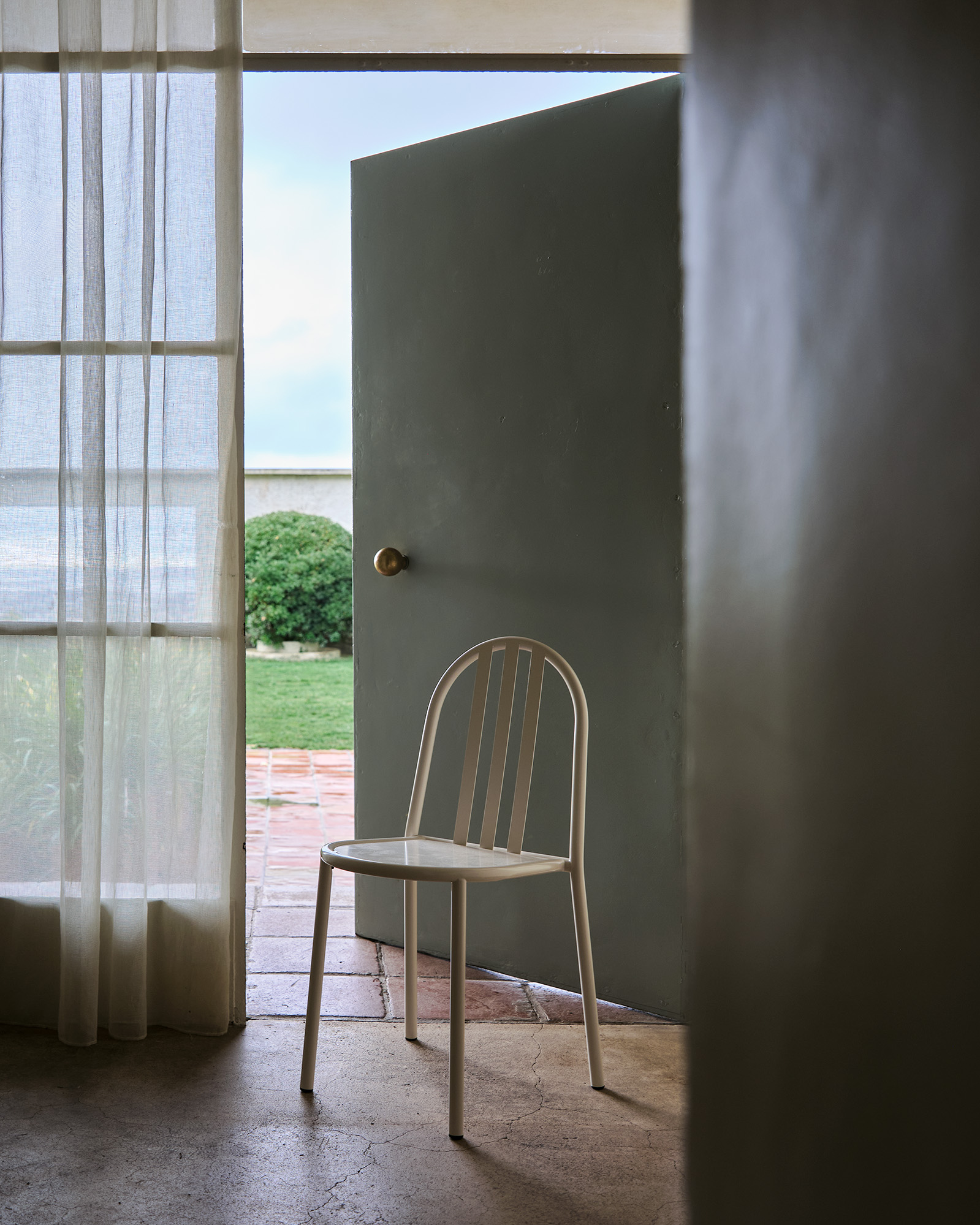
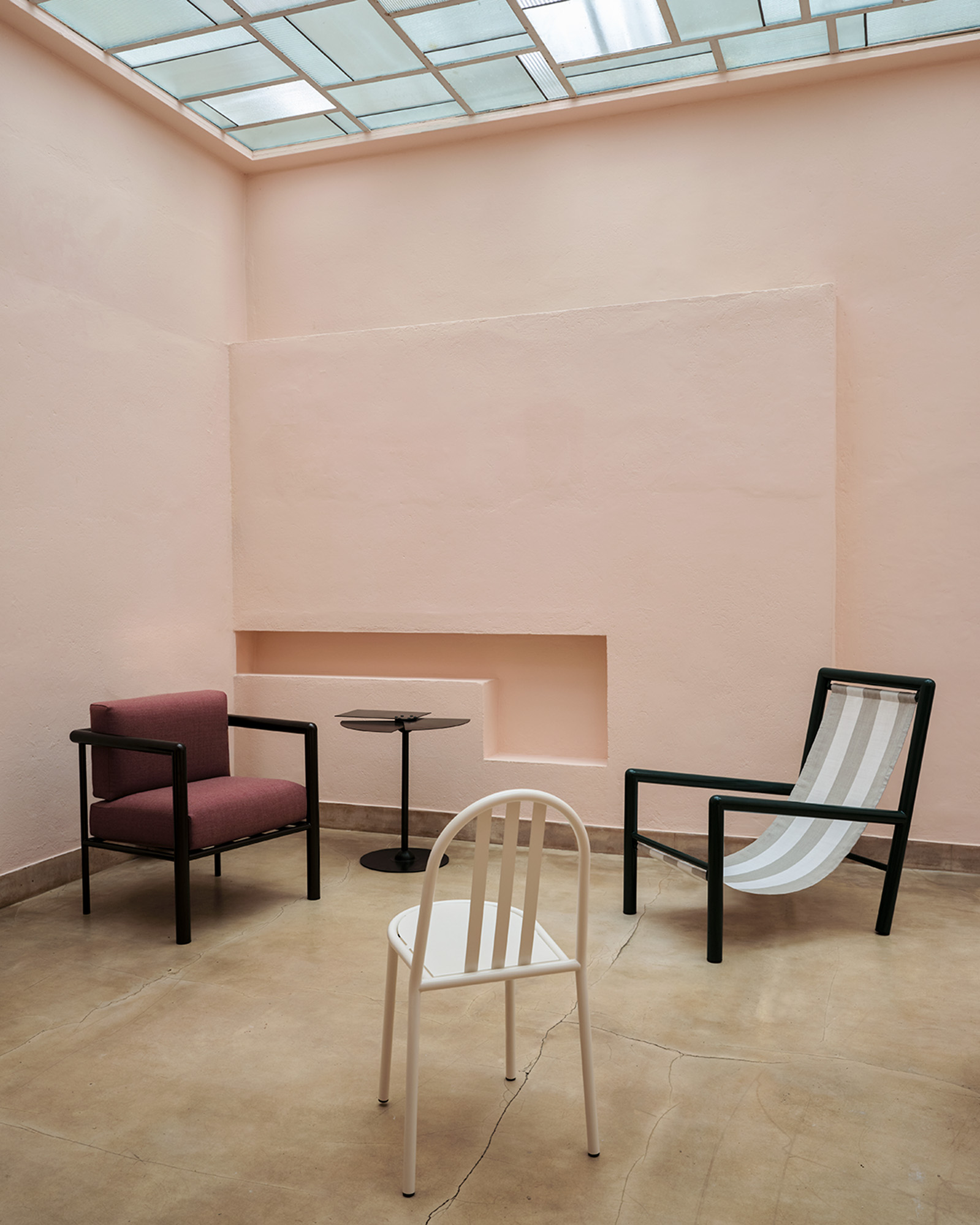
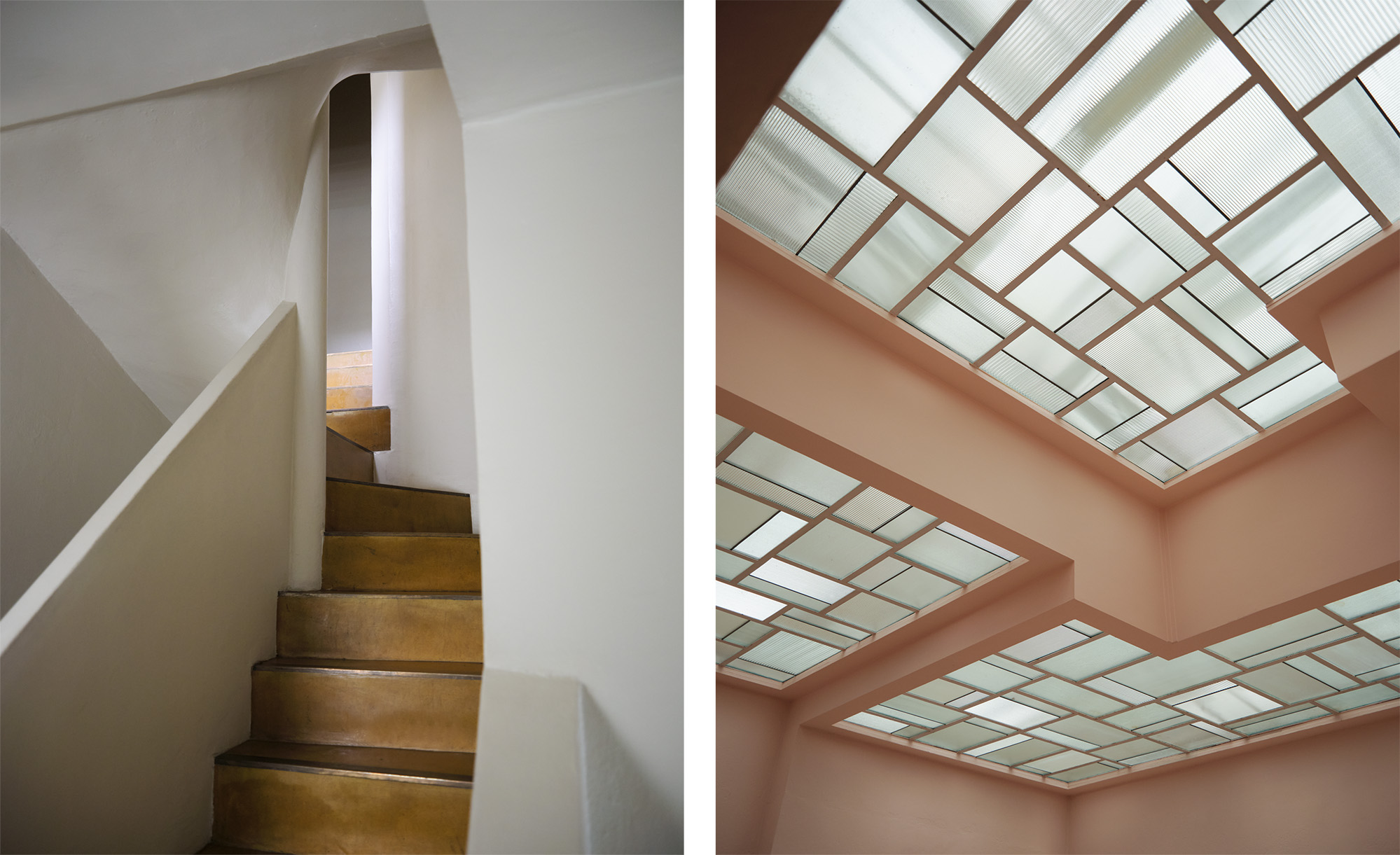
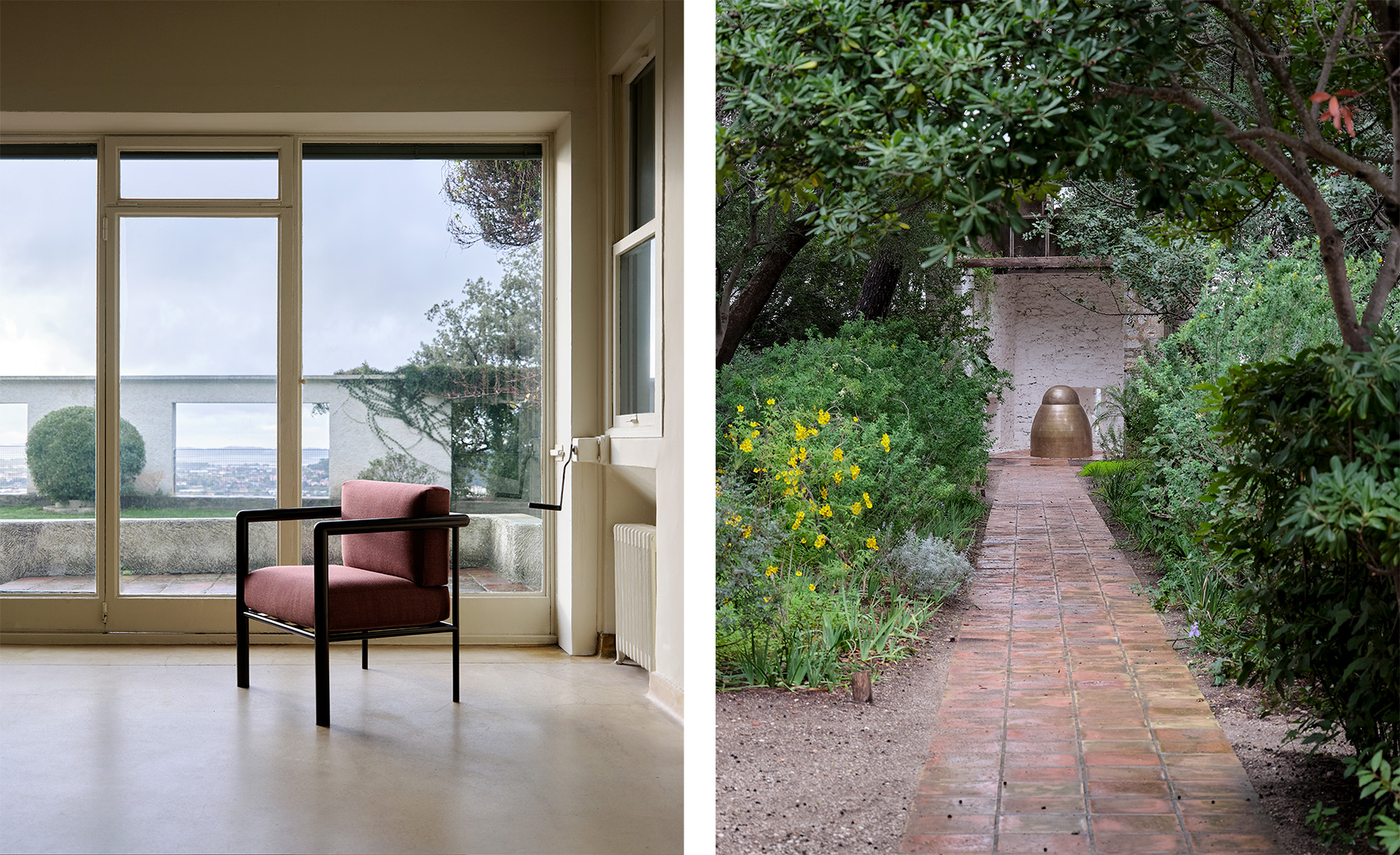
The Mallet-Stevens chairs include Transat, a sling seat suspended between windowpane geometries; the spare, metal-and-wood Chaise; and the proud, upholstered Fauteuil armchair (shot here at the Villa Noailles, one of Mallet-Stevens’s more famous architectural works). All three are in good company—the house of Ecart also includes works by Jean-Michel Frank, Mariano Fortuny, and Eileen Gray, among others.
Close followers of design history are likely aware of Ecart; but for many, the line has been something of a Sleeping Beauty since Putman’s passing in 2013—making Yovanovitch its Prince Charming. Historic as the brand is, the Frenchman is determined not to freeze Ecart in time. Following these introductions, the brand will continue to evolve, adding new names to its roster. As it does, Yovanovitch (alongside Ecart CEO Cédric Morisset) is going to great lengths to honor the original vision of the designers. He’s also sharpening the quality of production—a feat made possible by his acquisition of D’Argentat, Ecart’s manufacturer. Yovanovitch and Morisset spoke with me about the trajectory of the brand since Putman’s death, and the company’s identity as a repository of high-voltage design.
For those who are unfamiliar with it, can you explain what Andrée Putman was trying to accomplish with Ecart when she launched it? What made her approach to reissuing furniture different from what others were doing at the time?
Pierre Yovanovitch: Well, Andrée Putman established her company to show and reissue historical designs that were very difficult to find at the time. Jean-Michel Frank was super difficult to find and was also already super expensive. The idea was to give more people the opportunity to have beautiful things and to rediscover some pieces that had been forgotten.
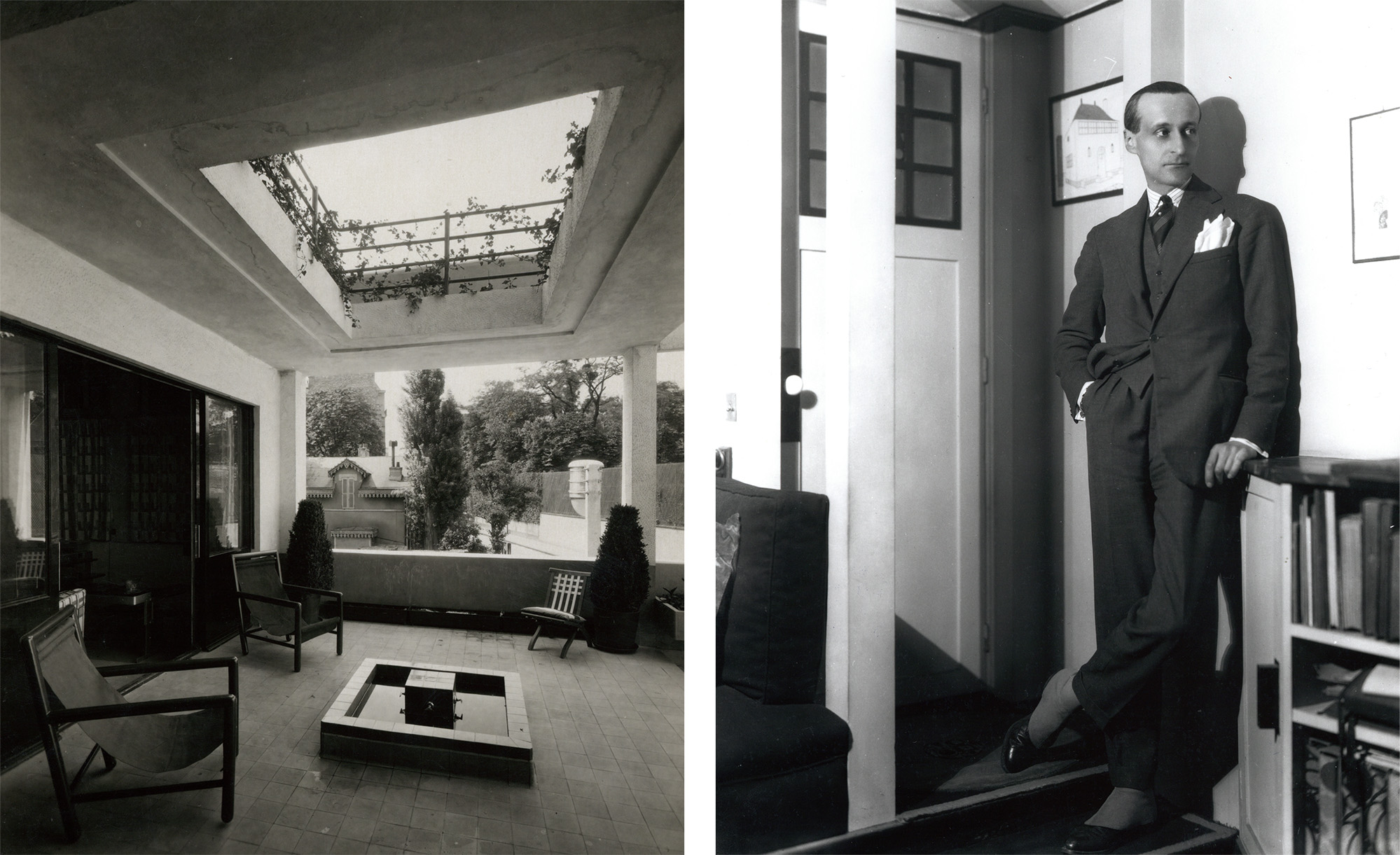
Cédric Morisset: Art Deco was not in fashion at all; nobody cared about it. And because of her education, Andrée Putman was influenced by all of these important designers and wanted to give them a new life. Without Putman, Eileen Gray wouldn’t be who she is today in terms of recognition in design history. That was very important—the fact that Putman reissued Eileen Gray, Jean-Michel Frank, Pierre Chareau, and many others, giving them recognition.
What has Ecart been up to since Putman’s passing?
CM: It has always been an important brand. It was super famous in the U.S. Putman started the company just a few weeks after Didier Grumbach was put in charge of opening all the Saint Laurent stores in America. And he decided to place some pieces by Ecart in the Saint Laurent stores. That was how the brand was launched. And then Ralph Pucci started to represent Andrée—they were really close, and gallerist Ralph Pucci made Ecart famous. It’s a brand that has been a little forgotten, but a lot of people still remember it. Since Andrée passed away, Ecart was acquired by someone else, but he didn’t develop it in terms of image, new additions, marketing strategy, or quality. What Pierre is doing now is relaunching the brand with higher standards.
Obviously, you already have a successful studio practice, furniture line, and now you have D’Argentat as well. What about Ecart specifically made you want to take this on?
PY: I always love a challenge. It’s a new story for me to not be starting from scratch and also to be introducing new designers in the company. After this call, we’re going to meet another family that might join the Ecart catalogue. For me, it’s interesting to go very close to the story of the designer. I try to have people I love in the catalogue—I want to give them new life.
CM: On one hand, Pierre has his own design and a contemporary furniture line; on the other, it’s heritage furniture. And it’s great to have it as a complement.
With this being your first time bringing outside designers into the fold, where do you see alignment with your own sensibility, and where do you diverge?
PY: Most of what we’re going to have in the catalogue are pieces I could also include in projects with my own furniture in the mix. I love eclecticism.
CM: The divergence is that Pierre Yovanovitch—the furniture and interior design studio—is all about Pierre’s personal creativity and art direction. For Ecart, Pierre is more of a curator. It’s more editing, curating, picking the right designers, the right pieces, finding the right finishes.
PY: In the very beginning of our conversations, I said I wanted to be as close as possible to the original designs in terms of the finishes, the color of the wood, the size, the thickness; when it’s not possible, we’d decide not to reissue the product because we’d be too far from the original design.
There’s a fine line between preservation—which maybe this is to some extent—and ossification. How do you avoid freezing it in amber? How do you encourage it to speak to the moment that we’re in?
PY: You don’t want to be too old-school—you have to choose the right design to produce. I don’t like the word timeless, or not knowing the date something was designed. I don’t want this company, which is very modern, to be too focused on the past. We are, in that it’s all historical design, but the design reissues are so relevant that I think it’s all still interesting today.
CM: Also, Pierre selects the fabrics. Because at the time, clients could select the fabrics by themselves—it wasn’t Eileen Gray or Jean-Michel Frank. And I think that brings a new vision to these historical designs. It’s pieces of the past with the right proportions, the right quality, and made the way they were before, but with a new dimension through fabric choices and sometimes even finishes. In 1925, some chairs were made with three different finishes; here, it’s like, okay, perhaps we choose only one because it’s the right one for our time.
I’m curious what a reissue actually means in practice for you. What materials are you working from—original drawings and old prototypes?
PY: Well, for example, the new pieces were already in the catalogue, but we’ve tried to upgrade the quality. For example, the Jean-Michel Frank cabinet: Before, there was a varnish on the wood, but it wasn’t Frank’s original intention. He wanted something very matte, very brut, very rough. So we’re going back to that for the new piece we’re developing. We can only put a piece in the catalogue if we have enough detailed drawings, with help from the family or the estate that represents the designer. For example, we are looking at a new designer—a Frenchwoman with pieces I like very much. But the problem is that it’s going to be difficult to find all the drawings. We want to be really respectful of the intention of the designer.
CM: There are two ways we go about it. Either we have a piece coming directly from the family that they’re giving us on loan, or we have original drawings. The only other opportunity is to find the pieces somewhere—either in a museum or in an auction house—where we can take pictures, take measurements, and sometimes put them through a furniture scan.
PY: Take the Jean-Michel console—six months ago, an original one went to an auction house. Some members of the team went to see it to get as close as possible to the dimensions, the finishes, and the patina. And now this console is in the office, and it’s really amazing; it looks like the original one.
CM: At the very beginning of Ecart, Bruno Moinard—who’s a very famous interior designer today—was the first furniture designer hired by Andrée Putman. He was looking for the original works and did the same. For instance, the very famous Satellite Mirror by Eileen Gray that is in our collection was redesigned by Bruno Moinard—but from the original. There was only one model, and he took all the measurements and redrew everything by hand in the late 70s, early 80s. We’re using the same methods today.

You mentioned starting with the right pieces—what made you select the three Robert Mallet-Stevens chairs as your entry point?
PY: Mallet-Stevens was already in the catalogue, and I have vintage Mallet-Stevens chairs in my country house in the south of France. I find them very comfortable. They’re stackable and very light. The design was radical at the time he designed it, and it’s still very nice.
CM: Pierre consulted a Mallet-Stevens specialist who participated in the renovation of Villa Cavrois in the north of France, and he worked with him on the original colors. It’s always difficult to know which color to apply. This specialist did a lot of research on the original palettes.
And of course, we’re shooting these pieces at Villa Noailles, the early Modernist house Mallet-Stevens designed for Charles and Marie-Laure de Noailles in Hyères, France. That’s a natural choice, given its authorship, but it’s also a decision that emphasizes architectural context. What is important to you about showing these pieces in situ?
PY: I worked on the 100th anniversary of Villa Noailles; they asked me to do scenography for it as if Marie-Laure de Noailles were still living in the house. I put in historical pieces that she loved, and we also had some contemporary furniture. Villa Noailles is so graphic—it’s very recognizable and also a style of Modernist, minimal design—that it makes sense to be there.
CM: This is where the chairs belong, right? They were made for Villa Noailles, so it totally makes sense.
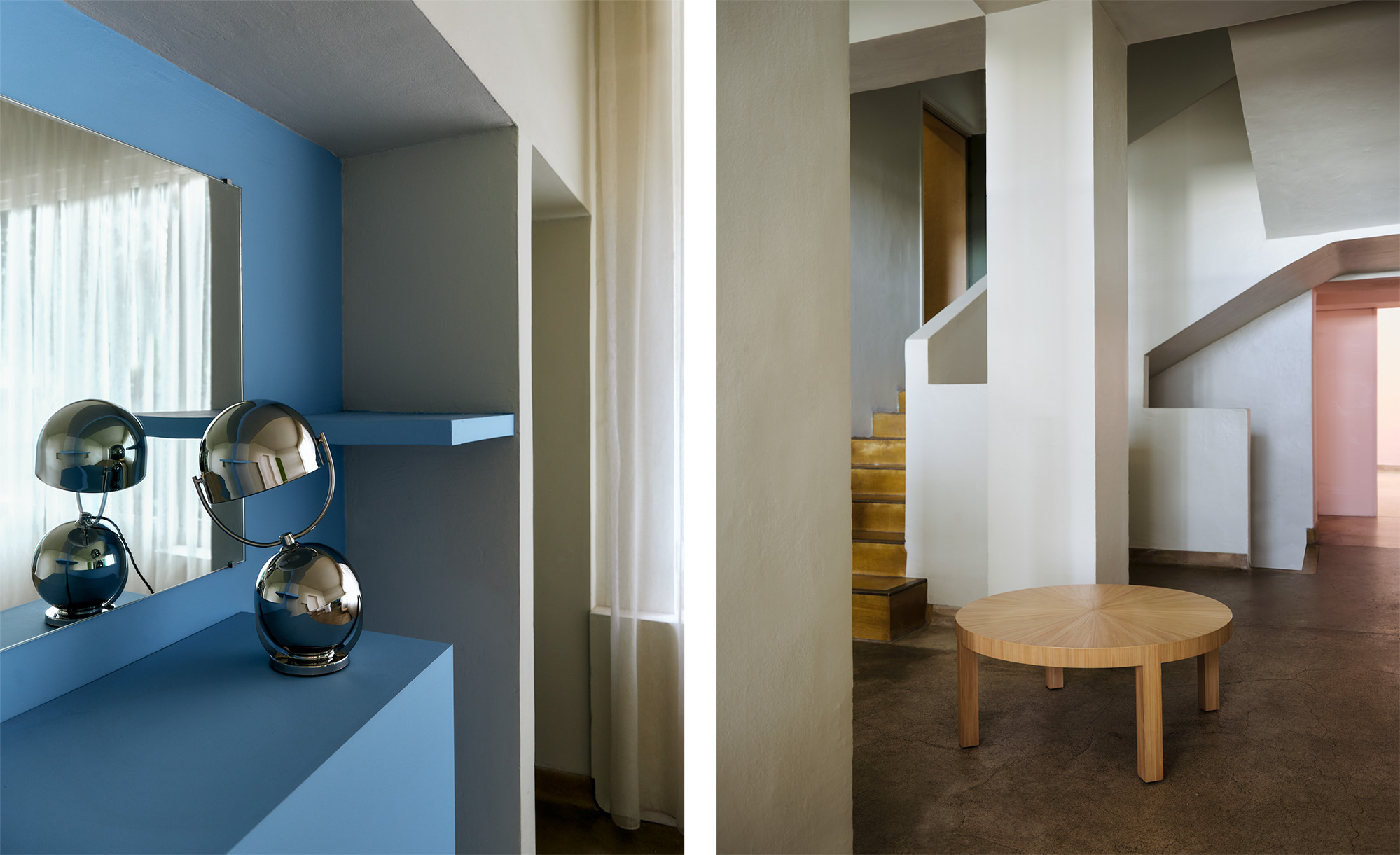
You’re bringing them home! There are going to be three other pieces alongside those reissues: the Boule lamp, the Soleil coffee table, and the Fan table, too—three other pieces in the Ecart line.
PY: It’s the quintessence of Art Deco from that era, but approached in a Modernist, radical way. At the time, there was more ornament, more precious material. But this was a more radical design. Villa Noailles was also super radical—so the point is to be very sharp. And it shows what we can do with Ecart. We can do metal or a sophisticated wood, all thanks to D’Argentat, the manufacturer.
Putman had a very particular point of view. Ecart produced mostly work by French designers and mostly interwar Modernism. Do you see yourself maintaining those boundaries, or are you planning to expand the definition of what belongs in the line?
PY: We’ll try to have a through line. Andrée Putman liked clean design. But I want to be contemporary also. I hope to find different designers and different styles. This year, we’re going to show Paul László, a Hungarian designer who is quite famous in the U.S., but less so in France. He had a different point of view—it’s a different material, a different shape, and very recognizable also. I think it’s interesting to add these new collections—I don’t want to be stuck in time.
Right, treating Ecart like a living organism, not a museum.
CM: Of course, Andrée had her own vision, and Pierre has his. The idea is to keep a connection, but there will be new choices made. We will mostly reissue French designers for 2026 and 2027, but we’re also planning for international designers. There’s a big history of design to tell and people that are less known to show.
Pierre, you started with a design studio, but now it almost feels like you’re building a small design house. Is that something that you’ve thought about or are actively pursuing with your business?
PY: I didn’t think about that, but from the beginning—from when I started 25 years ago—I was always drawing furniture for my own projects. For more unique pieces I couldn’t find the proper size. Then I thought it was a good idea to do limited editions of my own furniture and to have pieces that are not in my own projects; people could buy directly from our gallery. I like that, too—to see my furniture in a project that I didn’t design. To have a company like Ecart makes sense for me, too. I want to have that savoir faire—why not buy a fabric company and make my own textiles one day? I want to continue in this way with the know-how and craftsmanship.
Five years from now, what does a successful Ecart look like?
PY: I hope to open a new gallery in Paris or London. To have some great designers, to meet their families, and speak with them. It’s so interesting to see how designers were working in their times—sometimes you think that the designer was a big brand, but actually, he was by himself with three or four people working for two or three clients. That’s not the business model we have: We’re a large team and doing a lot of projects. But I want to grow. I want to have good-quality designs, and I want to reach a younger audience.
CM: A younger audience is a great idea, and I’d add that I’d love to see Ecart recognized as a heritage brand. In the past years the company fell asleep a little. It’s time to wake it up.
In Milan, we sat down with the brand's Laura Anzani to discuss the family business over coffee, and what it has planned for New York and beyond.
The Brazilian interior designer has quickly risen the ranks of New York design with a vision shaped by his father, the celebrated product designer Oswaldo Mellone, his first job with Robert A.M. Stern, and much more.

This lavishly photographed tome gives readers a closer look at the colorful and lively destinations and resplendent interiors across the Indian region.