Siena’s Bronze Treasures Land in New York for a First-of-Its-Kind Exhibition
The show brings together about 40 Renaissance masterworks, many of which have never been presented outside of Tuscany.

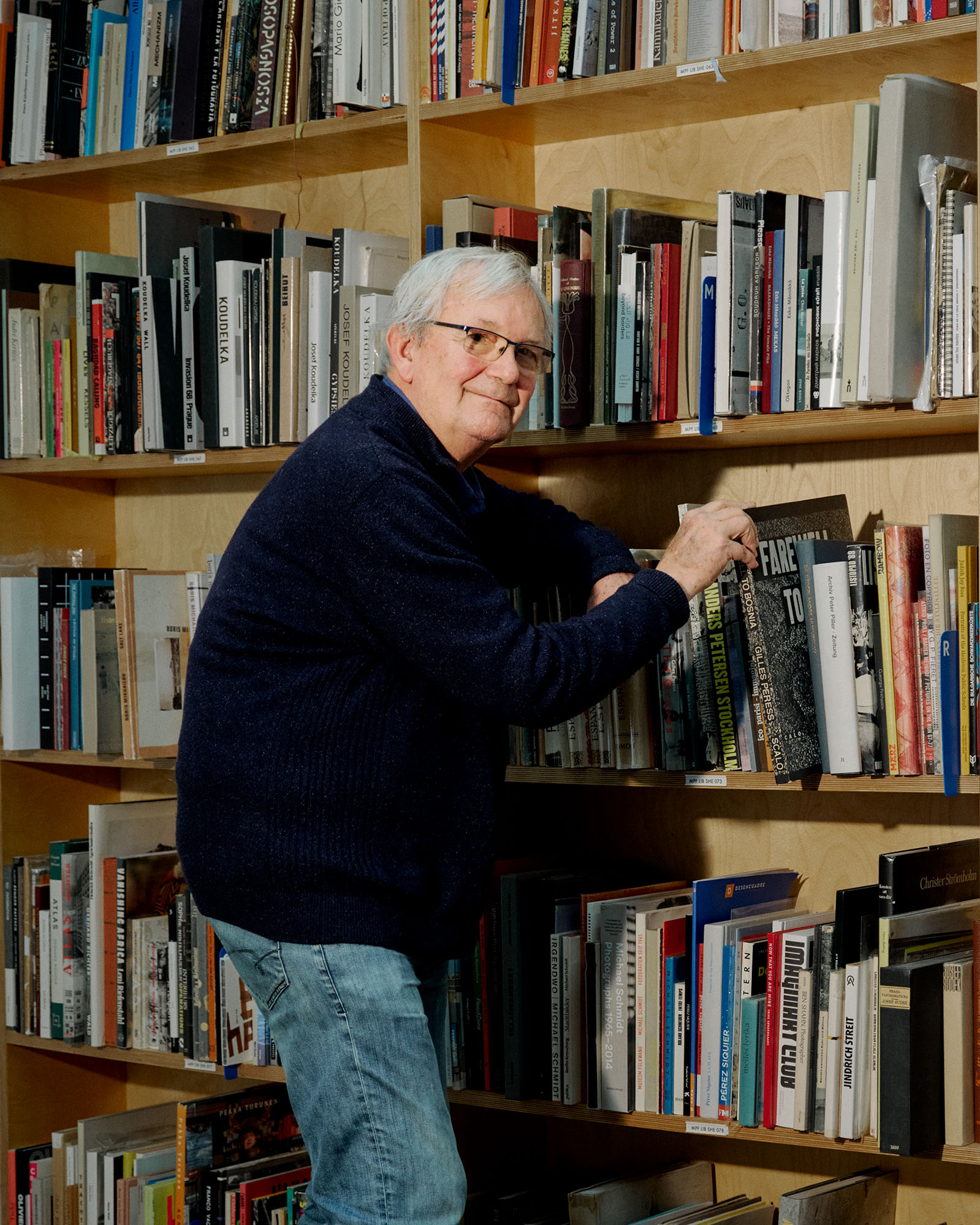
British photographer Martin Parr knew how to observe and highlight aspects of culture and contemporary life in both humorous and refreshingly honest ways. On this episode, Dan speaks with the legend about how he got his start, stories behind some of his more storied projects and books, why he started his own foundation in Bristol, his latest book from Rizzoli that gives an overview of his incredible career, and much more.
TRANSCRIPT
Martin Parr: You know, we have 5,000 photography students turn out every year here. Most of them fail in photography, certainly photography of their own work, you know. They think photography is easy, but it’s not.
Dan Rubinstein: Hi, I’m Dan Rubinstein, and this is The Grand Tourist. I’ve been a design journalist for more than 20 years, and this is my personalized guided tour through the worlds of fashion, art, architecture, food, and travel, all the elements of a well-lived life.
The history of photography, a young art form comparatively to others, is marked by those who push the boundaries of what constitutes a compelling and meaningful image, oftentimes merging the profound with the mundane.
My guest today is one of those artists who used his camera to portray, sometimes harshly, sometimes humorously, sometimes both, to uncover a slice of everyday life that didn’t tend to make the front page of any newspaper or magazine, British photographer Martin Parr. Like most of his works, from shooting young women in fur coats in a Russian McDonald’s, to ornate and proper middle-class bedrooms, Martin Parr elevated the ordinary world in ways few others could. Sadly, Martin Parr lost his battle with cancer shortly after our interview.
But as you’ll hear in this episode, he truly experienced the well-lived life through his numerous books, his family, and his own foundation in Bristol that makes great photography accessible to all, and continues to this day. Like so many Brits, and very much like his own photographs, I found Martin to be witty, concise, charming, and forthcoming. Luckily for his fans, and to anyone looking to explore his incredible career, we can now learn so much about the trajectory of his life and work in a new book out in March from Rizzoli titled, Utterly Lazy and Inattentive, Martin Parr, My Words, My Photographs, which we’ll get into.
I spoke with the artist from his foundation to speak about how his family gently encouraged him to pick up a camera, how his early projects were first ignored by publishers, his transition to color, how he famously got accepted to the Magnum Photo Agency amidst controversy, the one photograph that got away, and much more.
And I’d love to start at the beginning, because that’s actually, the book kind of goes through your life and career and the way that these things kind of intertwine. And I read that you were raised, you were sort of born in Epsom, which is kind of south of London, is that right?
That’s right. In Surrey, the county of Surrey, it’s a quite boring place. And the only advantage of having been born in a boring place is that everywhere else feels quite exciting.
What did your parents do, by the way?
Well, both my father was a civil servant, but a very keen birdwatcher. My mother did a bit of part-time work, but looked after the kids as well.
Ah, okay. And I read that both your parents sort of volunteered and did things in the war and stuff like that.
Yes, that’s right. Yeah, yeah. I think my father was in the communications. He learned Morse code and such like.
Oh, okay.
I don’t know exactly. I think he was in the department. Well, later on, he was in the Department of the Environment. So I’m not exactly sure what he was in way back in the war.
And was it a kind of a strict household? Was it or anything like that?
Yeah, quite strict. I mean, we didn’t get caned or anything. I have a sister seven years younger. But what we didn’t do is go to seaside resorts. If we went to the seaside, it’d be to spot waders. So that’s where my pent-up affection for the seaside has come from. I’m trying to catch up with all those lost trips in my childhood.
And obviously, the book is called Utterly Lazy and Inattentive, which is detailed in why it’s called that in the book. It’s sort of one of your report cards.
Yeah, my French teacher wrote this. I was pretty useless at French, there’s no doubt about it. But that phrase, of course, immediately rang a bell.
And I took the report back to my parents and my mother tore it up. But luckily, I had the sense to actually sell it up again. And that’s what you see in the book is the original report.
And what kind of memories of bird watching, did they like bring you on those things? Or is that something that you did on your own?
They did. We went to, as I mentioned, new places like Pagham Harbour. But every Saturday, my father would go to Hirsham Sewage Works. Hirsham Sewage Works was on the main line between Bristol, no, between Bournemouth and London. So trains were going by, so I started being a train spotter. But on these, so he would put these nets up where birds would fly in. And they’d put little metal rings on and then you trace migration through that system. And there’s a whole pile of shit. And on this shit were tomato plants, because tomatoes go right through the human system. But they never ripened, they’re always green. But we used to pick them. My mother would make green tomato chutney. But only after the tomatoes have been thoroughly washed.
Oh, I hope so. I hope so. And I read that your grandfather was an amateur photographer. And he got you your first camera. Is that right?
Indeed, yeah. He lent me a camera. Went out shooting, processed film, made prints. So I think by the age of 13 or 14, I decided by then I was going to be a photographer.
And like, what kind of camera was it?
I think it was something like an Agfa or something or other. It was a roll film camera. I think I’ve got it somewhere, but I don’t know where it is exactly.
Yeah, so it’s pretty basic, but it did the job.
What kind of pictures did your grandfather take?
Quite romantic ones. He was in the bromoil circle. Bromoil is a process where you bleach out the picture on matte paper and then re-ink it. And so you can control the tones very easily. So it’s a bit like an early version of Photoshop, but done manually.
And when you got your own camera and when you were alone, maybe you borrowed your grandfather’s. Like, what did you, what kind of first photos did you take? Because some of them are detailed in the book.
Well, in the book, there’s a picture of a horse, a tree, and a woman. And that’s one picture I thought, wow, this is exciting. You know, it doesn’t look too bad even now.
But back in the day, I was over the moon about this picture. I thought, right, there’s really something here to explore. And that’s what I’m going to do.
So that’s exactly what I did over the next 60 years.
And the book kind of mentions that your family was somewhat involved in religion and somewhat religious. And so I think we were called Sunday School.
Methodist background, yeah.
Yes. And you kind of, like, rebelled a little bit against that. Is that, how did that go?
Yeah, I guess so. I, you know, I liked arguing with the Sunday School teachers about religion. So that was quite fun, you know. And that sort of honed your ability to argue in public and think things through. So, yeah, I quite enjoyed it being, you know, an awkward.
And one of the things I didn’t know about, I guess I could say, post-war British history was the Great Freeze of 1962, which it mentions that was kind of one of your first little photo outings. I think there’s a picture of your dad or something.
The first photo I remember taking is of my father stood on the frozen stream in, I think, 60, 62 or 63. And it was very cold winter. I mean, exceptionally cold.
And I do remember that. I remember taking the picture of him stood on the local stream with his binoculars on.
And sort of when it came time to go to school, I think you had something published in sort of like a school journal or something like that, that before you went to study photography. What was, do you remember that essay or what was published?
Yes, it was an essay about Thames Ditton, which is the area where the school was. And we had a very good craft teacher who liked photography. He bought this magazine called Creative Camera. And this would show the American photographers from the 60s, you know, Winogrand, Frank, et al. So that was the way I got to see some of those amazing American photographers, who of course were leading the way at that point in time in terms of language and photography.
And what was the kind of, like when you looked at these photos, I think it was like a Robert Frank book that you had been really obsessed with. And like, what spoke to you about them? Like what made them?
Well, they’re just great photos. You know, I recognized immediately why they were good and how they were good. So, you know, these were my heroes.
Once you saw it published in this sort of magazine that kind of inspired you to go to study in Manchester, correct?
Well, I knew then, you know, solidly. So, yeah, I wanted to go to a photography course and study, you know, BA in photography. So I got places in three colleges.
But my first choice wouldn’t let me in because I only got one A level and you need two. So I had to go to Manchester, which in a sense was a great blessing because, you know, Manchester opened up all these opportunities for me. If I had gone to my other college, I don’t know what I would have done. I don’t think I’d be sat on the couch here right now.
What was it about Manchester like in the way that they taught?
Well, it’s more than people I was with, you know, because in my year there was someone called Daniel Meadows. Two years above me was Brian Griffin. You may not know these names, but they’re very famous here. And so we had a great time, you know, working and talking together. And, you know, the teachers were fine, but it gave me a chance to go and do big projects I did one on a press, which mental hospital over a long period. It’s probably the most thorough, the first thorough project that I did. And I did in college time, of course.
And like, what was the photography world like when you were studying? Were they were they more training you to be, you know, fine art photographers or the training you to be sort of commercial?
Commercial was the name of the game. And, you know, I had no desire to be a commercial photographer, even though I am one now. So I just got on with my own work and almost ignored that. But yeah, they were all, you know, they wanted you to be an assistant to a photographer and then become a photographer in your own right.
And what do you think it was about that group of people that were all going there at the same time? Like, what was what was I think?
First, we all love photography. And secondly, I guess we didn’t have a particular interest in earning a living photography by doing advertising or such like.
It was there anyone at the time that you were kind of looking up to while you were in school that you someone famous or anything like that, that kind of like said, gave you a little bit of inspiration to know what you.
I guess Tony Jones was a British photographer who went over to America to study the same people I’ve just been talking about and came back with the sort of modern photographic language that he’d learned in America. And then he applied it to the UK, in particular in England, and did a great body of work in the late 60s. But sadly, he died in 62, very young of leukemia. So I never met him. But he’s left behind, you know, an amazing body of work, which I still look up to now. It’s one of the best bodies of work about Britain in the postwar at all.
And one of your first projects that’s kind of described in the book and kind of your kind of walk through it is called The Nonconformists. And it sort of documents a mill town. Again, it’s like a Baptist Methodist community there, which must have felt slightly familiar for you. How did that project come about?
Well, I moved to Hebden Bridge, you know, two years after college, and I thought this is my chance to photograph the community and the sense of community. And I suppose I’d experienced that in a positive way through my grandfather. So I started looking at the Nonconformist chapels around and found this to be an interesting subject matter. And in the end, chose one particular chapel to concentrate on. And this is run by farmers who are all getting on a bit. But it gave me a chance to meet them, go back to their farms and photograph their farming life as well as their chapel life.
And what is the Nonconforming part of it to like an American?
Well, I guess it’s do you not have Nonconformist chapels in America?
Not that I’m aware of.
But then again, I mean, it’s they’re getting away from the Church of England with a more rigorous or say Catholic. You know, it’s much more open. It’s just not as serious and intimidating as the Church of England or the Catholic Church.
Oh, I see. OK. And what about them kind of like fascinated you?
Well, just the people who went there, the older generation, generally speaking, you know, and photographing during services was a very good opportunity. And then they had for the anniversary, which is their birthday, they would have, you know, they would have an afternoon tea. I always photograph this, not in Crimsof D, but in other places. So, yeah, there’s plenty going on for me to photograph.
[Speaker 2]
And so in the early 90s, you kind of start traveling more and you’re shooting in places like Helsinki and Russia and these kind of eastern locales. How did that happen?
Well, I guess first off, I became a professor of photography in Helsinki. I gave me easy access to, you know, St. Petersburg. You can get a train to it.
And I guess by then, you know, I was, you know, a European photographer rather than just a British one. And we’re starting to get the work out and being shown in Europe after particularly the 1986 Isle Festival. Isle being a very important place to launch books and work.
So that’s the thing that really sort of kicked me into being a European appreciative photographer.
And like, what were those? I’m just curious what Russia was like when you were there in the early 90s, because it was such a…
Well, I look at the photographs, you know, it’s pretty grim, really. I photograph the queue at McDonald’s. It’s the only time they’ve allowed me to photograph there.
I mean, I do go to McDonald’s occasionally and photograph. And if they see you, you’d just be thrown out. Yeah, there’s plenty more McDonald’s wherever you are.
And there’s an amazing photo of what looks like a kind of a small room or an attic with a window at the end of it, kind of brightly lit. And there’s a bunch of sort of middle-aged men in chairs. And it’s called The Ancient Order of Henpecked Husbands.
That’s right.
Tell me of what that… It says in the book that you were allowed to only experience the first part of the meeting.
Indeed, yeah, because I wasn’t actually married.
Ah, okay. What was this group about?
They were basically taking the piss out of the Freemasons. And this is how they did it. So they invented this thing. And of course, it goes back to the idea that women are henpecking the men all the time. And they had to have a note from their wife to say they wouldn’t be henpecked on this particular day.
Okay, that sounds amazing. And what about that moment? Did you kind of feel like, oh, it sticks out in your mind that you want to have it in the book?
Yeah, I mean, we did the book much later. I tried to get it published at the time, but no one would buy it. So I think 20 years later, we got the book out.
My wife, who’s a very good writer, wrote the text. And that was it. We were able to put all this information in.
And when you first tried to show people around The Nonconformists, what kind of feedback did you get? If you tried to get it published, what did people say?
Well, I mean, they just didn’t want to do it. Simple as that. Well, you didn’t get any bad feedback, at least. Well, I mean, when the book came out eventually, then I got quite good feedback, in fact.
Yeah, I’m sure you did. These are amazing photos. It kind of surprises me that no one jumped at the opportunity the first time around. And in this early part of your career, what was your bread and butter? How were you paying the bills?
First off, I did some teaching in a school. And then I went and did teaching in colleges. So teaching, really. Certainly when I joined Magnum, I was able to drop the teaching to the extent that I don’t do it now, in fact.
And what kind of teacher were you back in those days?
Supportive. Looking for things in people’s work which could be built on or improved on. In the early 80s, the sort of switch to flash and color photography kind of begins in your work and also in the book. And there’s a little bit of going back and forth with black and white, I think, for a little bit.
Did you kind of do you remember that time in terms of switching over to color? And what was that like?
That was a big event, really. I mean, again, we’d seen the color pictures from, you know, the likes of Eggleston, Stephen Shore, Meyerowitz, from America. So that gave us the confidence to think you could take a photograph in color and still have it exhibited. And they just introduced this Plaubel camera, which is a medium format, six by seven. It had a wide angle one, which I bought. And this is a perfect camera for me to start shooting New Brighton, the seaside resort just down the road.
And did you was it challenging to kind of go into color if it had been new for the time? Or did you kind of just I find it pretty easy to slip into it.
So it was no problem. I did very few projects after that in black and white.
I more or less just stayed to color. I think two or three years, I did a few in black and white, and then it’s color all the way. And it’s been color ever since.
Did you have to change any way in which you worked or how you took photos or?
No, no. I’m surprisingly, I did the contact prints in black and white, but I couldn’t afford to do color ones. So I judged the pictures on how they looked graphically and just expect the colors to come in and contribute.
And, you know, you brought up, you know, one of your most well-known projects. It’s so beautifully documented in the book, The Last Resort. Tell us about this New Brighton and like this part of the world.
Yeah, New Brighton is pretty shabby. You know, it’s during the Thatcher period. So it’s really run down litter everywhere. And, but still people went there for their day trip with the kids and everything. So I wanted to contrast the sort of shabby backdrop with the, you know, the children being entertained and, you know, going paddling and doing all the other things that kids do. So it’s that contrast that I was trying to show.
And there are these photos where you remarked that people didn’t realize that you were there. Like no one was kind of like too aware of the camera.
Yeah, it wasn’t a big hassle really. People from Liverpool, scousers they call are very friendly. I photographed kids. I mean, in a way now you couldn’t do the same because children, you know, we understand why, you know, if you start photographing them, parents want to know what exactly you’re up to.
You mentioned that like the book, you got some criticism for sort of documenting working class people.
Did they, did people think, oh, hey, you’re, you’re criticized. You’re kind of making fun of them or you’re kind of exploiting. I don’t know, trying to point out something.
What was their criticism about?
Yeah, it was basically what you just said. Yeah, yeah. And that particularly was the case. We showed the work first in Liverpool and then it went down to the Serpentine in London. That’s when, you know, people really criticized it.
And obviously there was another, oh gosh, I’m forgetting the name of the other, the project that kind of showed the flip side of that, that comes after in the book. The Cost of Living. Tell me about that. Because that was also a Thatcher period and kind of this new.
No, because people said, you know, how does middle-class photographer photograph the working class? And, you know, I thought there’s a valid point there. So I’d like to photograph the middle class, my own class, if you like. And in order to achieve that, you know, because Liverpool’s the least middle-class city in the country, probably, we decided we need to move. So Susie looked for another job and got a job in Bristol, which is an ideal city to land in.
And like the, you know, The Cost of Living, what was that kind of, what were you trying to sort of capture or get across with that, with that series? I was just showing what, you know, life was like for middle classes. Is there a, is there a photo from The Cost of Living that, you know, that maybe you put in the book that you kind of thought really captured that?
Not, not particularly. I mean, you need the whole pictures together to make sense of it or it’s no good singling out one photo.
And when, when, when coming up with like a photo project like this, whether it’s The Cost of Living or The Last Resort, how do you know when to, it might sound like a silly question, but like, how do you know when to end and how much you need to make a project really?
You sort of know when it’s, you’ve got to saturation and you think, you know, I’ve said all I need to say now, and now’s the time to give it out in the world. So I don’t hang around and linger on these projects. I tend to get them out pretty, pretty sharpish. And that’s why I’ve done so many books.
And I also, in the book, it mentions that you had an incident in Albania where you were arrested.
That’s right. Yeah.
Oh gosh. So what was, why were you in Albania?
Well, it was just after the wall had fallen in Germany. And of course, at that point, the speculation was what other countries are going to, you know, are they going to crumble? And the one that no one really knew the answer to was Albania. It’s probably the strictest communist regime in Europe. So it’s very difficult to get to Albania as a journalist or anything. So there was advertised a coach trip of Roman ruins of Albania. I signed up for that. And lo and behold, when I met everyone at the, you know, to join the bus, everyone was a journalist.
Oh gosh.
Okay. A whole lot. So none of us were interested particularly in Roman Albania. So we did go around and then, you know, in the breakfast, you know, in the mornings and in the evenings, we’d be able to go out and photograph, you know, and that’s how I got arrested. But of course they couldn’t, they didn’t, they didn’t speak English. They didn’t know what to do with me. So they just took me back to the hotel and dumped me there.
Did you remember what you were taking a picture of when they arrested you? I can’t, no. But was it anything like sensitive or anything like that?
No, I don’t think so. No, no. No. I mean, North Korea is the country where you’re not allowed to go out without a police escort or without a guide with you. Right. But in Albania, they didn’t mind. And I just walked into places. I’d walk into barbers, I’d walk into snooker halls, walk into bakers and no one better than I did really. And of course they couldn’t, they were intimidated by the fact that I was this big, tall European who couldn’t speak Albanian.
That’s funny. Were you happy with the, did they let you keep the film that you had shot?
Yes, sure, yeah.
They didn’t like dramatically spool it out of your camera and expose the film or anything…
No, no, no, it was fine.
Lovely. And in the book, you mentioned your uniqueness in Magnum Photos and how you had been, I think, like a member.
Admitted twice. Yes.
Tell me about that process because it sounds like.
Well, you know, Magnum Photographers, to become a member and an associate, you need 66% of the vote. So that’s of members who are active. And so I just scraped in both when I became an associate and when I became a member. But the membership thing, you know, I phoned up and they said, yes, you’re in. And then half an hour later, someone phoned up and said, I’m sorry, you’re out because someone’s walked in and voted against you. And then Burt Glinn came in from his sickbed. He had food poisoning and voted for me. So I finally got in. Hence, entering it twice.
How did the idea for the book start?
Well, this is Wendy Jones, who I met, and she had done a biography of Grayson Perry about eight or 10 years ago. And she said, why don’t we do one of me? And so she came down to Bristol. She asked some questions, but my answers were very short. And therefore, we concluded that this wasn’t going to work. And then she came back eight years later and suggested that I select 150 pictures. We put them on the screen and then I would talk about them. And that turned out to be a lot better. That’s basically what it is. So it’s, you know, she transcribed it. She knocked it all together, made sense of it all. And that’s the book.
In the world today of street photography, there’s so much talk when people kind of like create content about, you know, how to be a street photographer or how to how to document, how to be a documentary photographer, you know, how to be how to be inobtrusive, how to disappear, how not to become noticed in a way that affects your work. Is there a sort of a Martin Parr way of doing that or the way you kind of naturally do it that you think has worked for you?
I don’t know, really. I mean, I just people say I don’t look very visible. You know, I’m tall and I got a big camera. I just hang around really sort of pointlessly, seemingly. But there’s always purpose there.
Does it require a certain kind of patience, I’m assuming?
Well, of course, you know, patience is a key part of photography and as is luck, you know. So, you know, we all want to take good photos. Those iconic ones that are so rare. But if you went out in the morning and said, I’m really going to take good photos today, you wouldn’t start because, you know, you have to get wound up. You have to get the momentum going and then the photos may happen.
And over time, is there any kind of particular camera or format that you just kind of took to for the majority of your work?
I guess, you know, in black and white, I use a 35mm camera with a 35mm lens and, you know, I had the Plaubel, then later on the Mamiya 6. Now I just use a boring Canon 5D. A reliable camera.
And how was that sort of transition to digital for you?
No problem, actually. 2008. Just when they started making full frame cameras. So that became, you know, became a lot easier.
Were you an early adopter? Did you kind of…
No, not early. I was mid distance. Some people, you know, to this very day haven’t converted. And some people convert back, as you know.
That is very true. And I’ve interviewed other photographers that’s like, oh, it’s just there’s too much. They’re complaining about digital photography. There’s so much you can do digitally that it kind of ruins the art form in some way. Do you agree with that?
Not really, no. I think, you know, we’re all storytellers. So the stronger the story, the better the work, generally speaking.
And obviously, in putting together this book that kind of goes step by step in a lot of milestones and memories in your life, now that it’s all collected in one place, you know, and you can really kind of sit down and literally flip through the entire thing. Is there anything that now you realize looking back about your life or career that maybe you didn’t realize before?
Well, I guess the biggest thing is just keeping at it. It’s so easy to stop and also doing work for yourself as opposed to just commissions. That’s important.
And like, did you ever consider stopping? Because you only because you mentioned.
No, not really. Why? No, I have no desire at all to stop. I’ve got the bug. And, you know, I’m a lifer. I go on until I have to stop. I mean, I’ve got cancer now. I’ve got myeloma.
Oh, no, I’m so sorry.
I may be forced to stop at some point. Who knows? At the moment, I’m OK.
Good to hear. Are you are you someone who kind of carries a camera around with you?
No, no. I have my iPhone with me and they’re good enough now to get a half decent photograph on, but they wouldn’t blow up to a meter by meter and a half, which is what I need for a big print sale.
And so tell me about the Martin Parr Foundation, like why you started it.
We opened in 2017. We’re a space where we promote and give access, you know, publicity to other British documentary photographers and Irish ones. And we do three shows a year. We have a membership scheme. We have a gallery. We have an archive with 10,000 prints in. And we have all the magazines and all the main British books on photography.
And when when you first had this idea to do it, like what was the main driver?
Why was I think other British photographers are underrated? I’ve been very lucky. You know, I’ve had a good career and I’ve accumulated the money to do a project like this.
And why do you think there’s sort of so many British photographers haven’t been able to get a certain kind of recognition or?
I just don’t know. I don’t understand it, really. I mean, you know, Americans, none of us would ever have shows in America.
I mean, Killip lived in America for many, many years. But, you know, I would never get a museum show in America, full stop. While there’s, you know, I’ve had museum shows in every European capital, more or less, in places like Paris, more than one. I mean, you tell me why why are the Americans so disinterested in other people?
[Speaker 2]
Oh, gosh, how much time do we have? Yeah, we’re we’re endlessly fascinated with ourselves, perhaps. And so, therefore, that is and there’s there’s too many of us to disagree on everything on just about everything. So it’s kind of hard to find.
I was only joking. Well, I don’t know.
Nowadays, you never know. But later in the book, there’s a spread on on Black Lives Matter protest in London, where a statue was torn down to kind of famously and thrown into the into a river. And you kind of describe it as like a real, like a sort of greatest regret in your career that it kind of haunts you.
Yes, because that was in Bristol. And I met everyone at the place where they congregated. Then they marched off into the town. And I got like 10 minutes along. And I thought, there’s nothing more to see here. I’m going to go home. And that’s when the moment they tore down the statue and threw it in the dock here in Bristol. So I missed the biggest international story coming from Bristol in the last 50 years. Like two minutes away from it, for me actually catching it.
[Speaker 2]
So it was really more the Bristol aspect, perhaps. Yeah, I see. And how would you describe sort of your career?
You know, how phenomenal standing.
How do you kind of choose projects now? And kind of like what interest?
Well, I get offered projects and I choose where to go. It’s as simple as that. And so I give priority to my own work. But at the same time, you know, I take on, I do fashion, I do documentary, I do portraits. I do, you know, surprisingly, quite a lot of editorial assignments, given that they’re meant to disappeared. So, yeah, I have a pretty good, I have a pretty good, I mean, I have a pretty good life anyway, because, you know, I’ve traveled the world being a photographer.
I’ve collected all the books from all over the world. I’ve had a fantastic career. And it’s still going on. I can’t, I can hardly believe it. I’m doing my hobby and someone’s paying me to do it.
And when it comes to fashion, there are some amazing fashion photos in the book.
Little bits here and there. Lots of stuff on the beach, of course.
Like, do you like that kind of, do you take to it? Is it fun for you? Or is it a lot of like, you know?
No, no, I like doing fashion.
And what was your first one? Do you remember?
I’ve done a whole book of fashion photographs. Have you seen it? I haven’t seen that one.
No. Fashion Faux Pas, it’s called.
Oh, OK.
First one was Amica magazine. They were the people that first gave me that fashion project. We went to Rimini. And I think there’s one of those in the book.
Yes. There’s like a guy in a Speedo flexing and there’s a woman next to him.
That’s right. In a beautiful gown, if I’m remembering correctly.
And so what’s next for you after this book? This is, have you thought like?
Another book. I’m doing somethiung in Paris in January, in Jules de Pomme, which is an amazing gallery. And there we’re going to look at the politics of my work a lot closer. So that’s a new project. So I’m looking forward to that. I’ve just currently got on in Nuremberg in Germany, a big project called Grand Hotel Parr.
Where they converted the gallery into a hotel. And around the hotel, they have all my books. Like I’ve done 170, if you include the ones I’ve edited. So they have every single one in that exhibition.
And if you had to give a bit of advice to someone who wants to pick up a camera. And as I’m sure people ask you this all the time.
Every time, every time. But I have to ask. All I say is find the right subject. Make the connection to the subject. Start shooting. Possibly something’s going to happen.
And if you had to. But most people fail, remember. It’s accepting. I mean, you know, we have 5,000 photography students turn out every year here. Most of them fail in photography. Very few of them do photography. Certainly photography of their own work, you know.
Why do you think that is?
I mean, God knows how many students are shown out in America. Must be triple that number, don’t you think?
At least, yes.
And do most of them do photography? No.
Why do you think is the most common reason why people can’t make a career out of it or?
Oh, they don’t work hard enough. It’s just as simple as that. They think photography is easy. But it’s not.
What’s the hardest thing about photography to you?
Yeah, well, keeping it going, really. And, you know, digging down and finding the essence of the project you’ve undertaken.
Has there ever been a project where you really struggled to find that essence?
No. Or if there is, I wouldn’t show it. There aren’t really.
Do you ever go on projects where you kind of go, hey, this didn’t work? I tried it and it just….
No, no.
That’s interesting.
I mean, some work better than others, but generally it all works.
Because once you’ve committed to the idea, you know, you’ve got something. Is that it?
Well, if the idea is strong, then you should. Yeah, yeah.
And if you had to describe yourself in sort of three separate words, like happy, sad, confused. What would you say?
You know, hardworking, obsessive, humorous.
This episode is dedicated to the memory of Martin Parr. To join the Martin Parr Foundation or to make a donation, visit martinparrfoundation.org. And thank you to everyone at Rizzoli and his foundation for making this episode happen. The editor of The Grand Tourist is Stan Hall. To keep this going, don’t forget to visit our website and sign up for our newsletter, The Grand Tourist Curator at thegrandtourist.net. And follow me on Instagram at Dan Rubinstein. And follow The Grand Tourist on Apple Podcasts, Spotify, or wherever you like to listen. And leave us a rating or comment. Every little bit helps. Till next time!
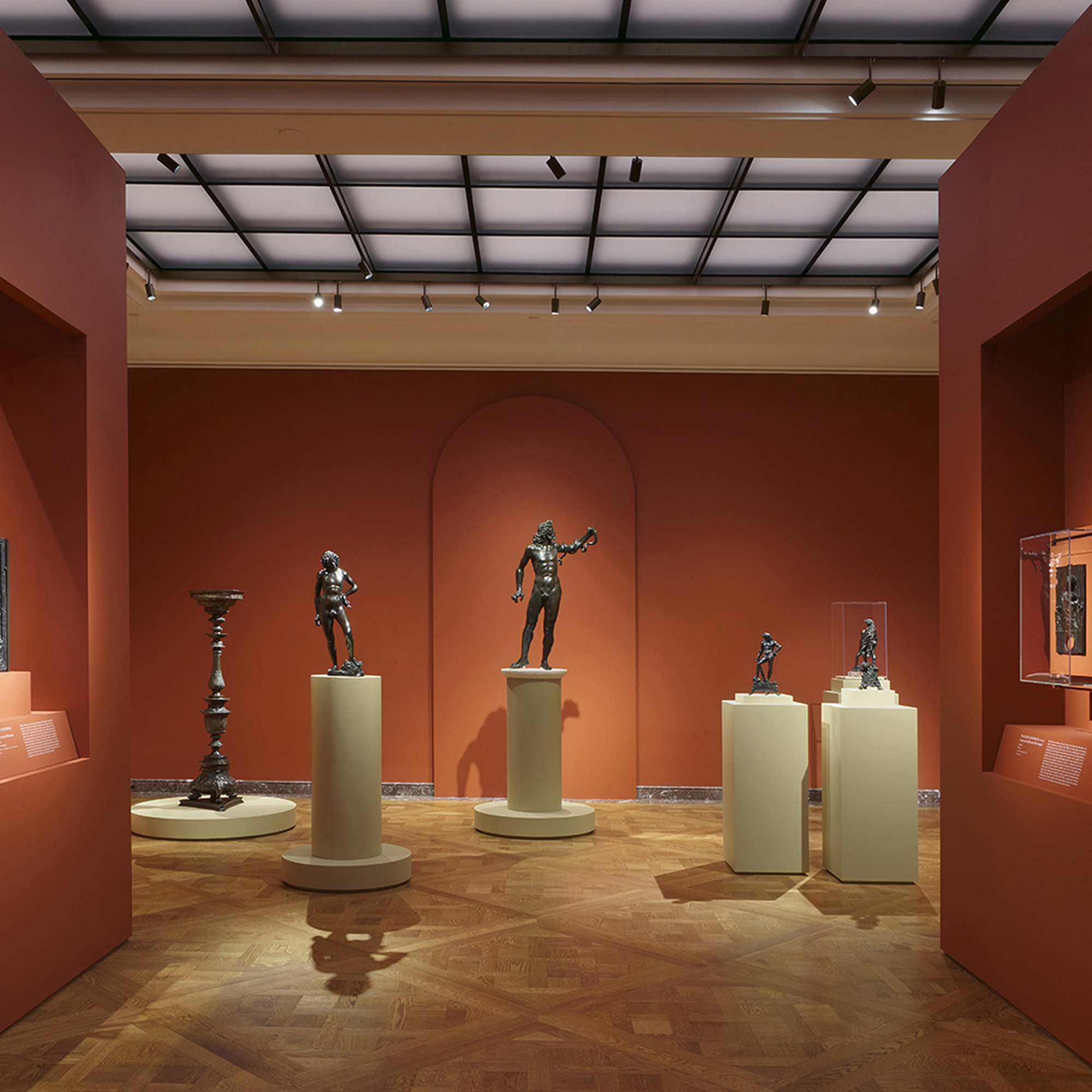
The show brings together about 40 Renaissance masterworks, many of which have never been presented outside of Tuscany.
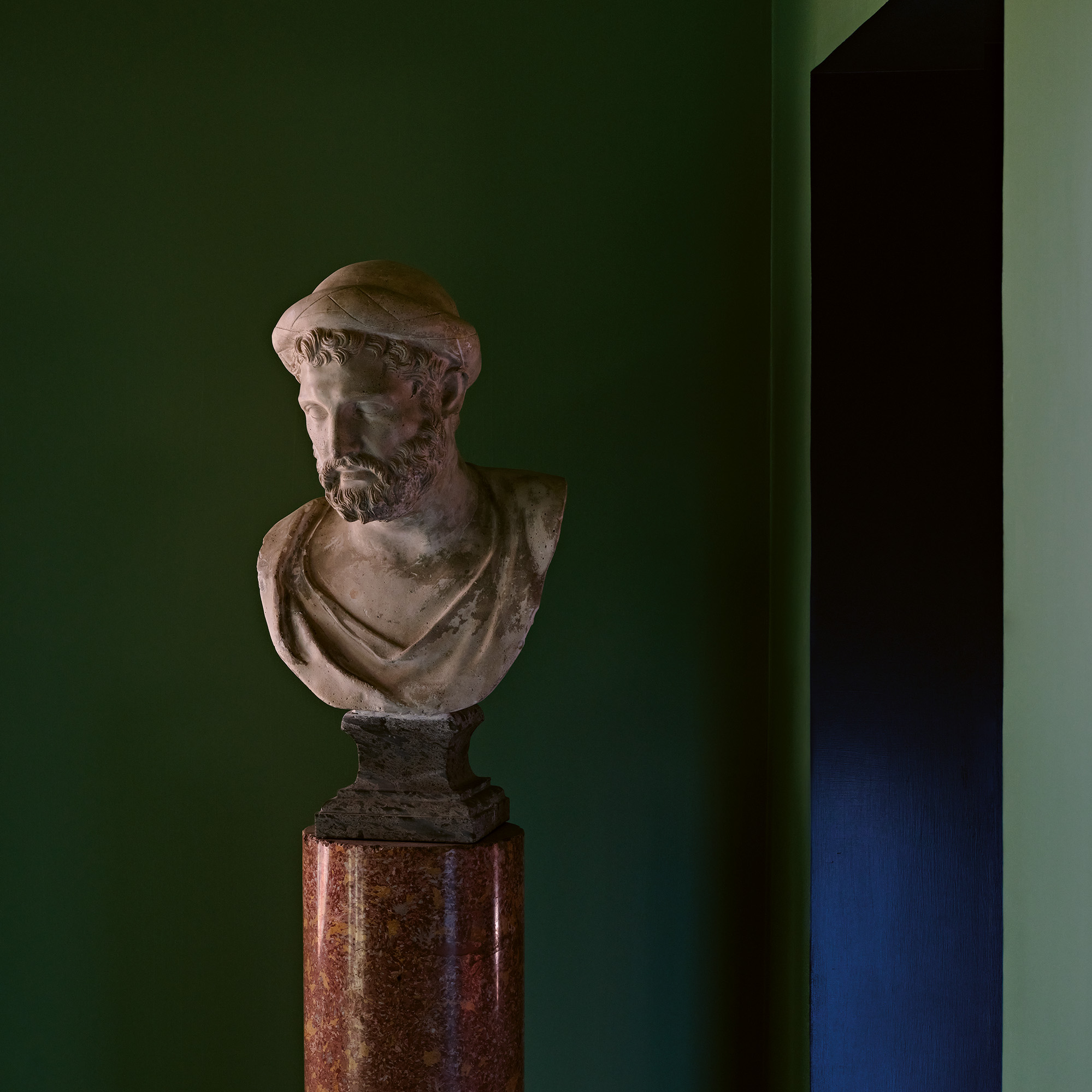
Ludovica Serafini and Roberto Palomba breathe new life into a long-forgotten apartment, wrapping its walls in a rich green and filling it with 17th-century paintings from the owners’ collection.
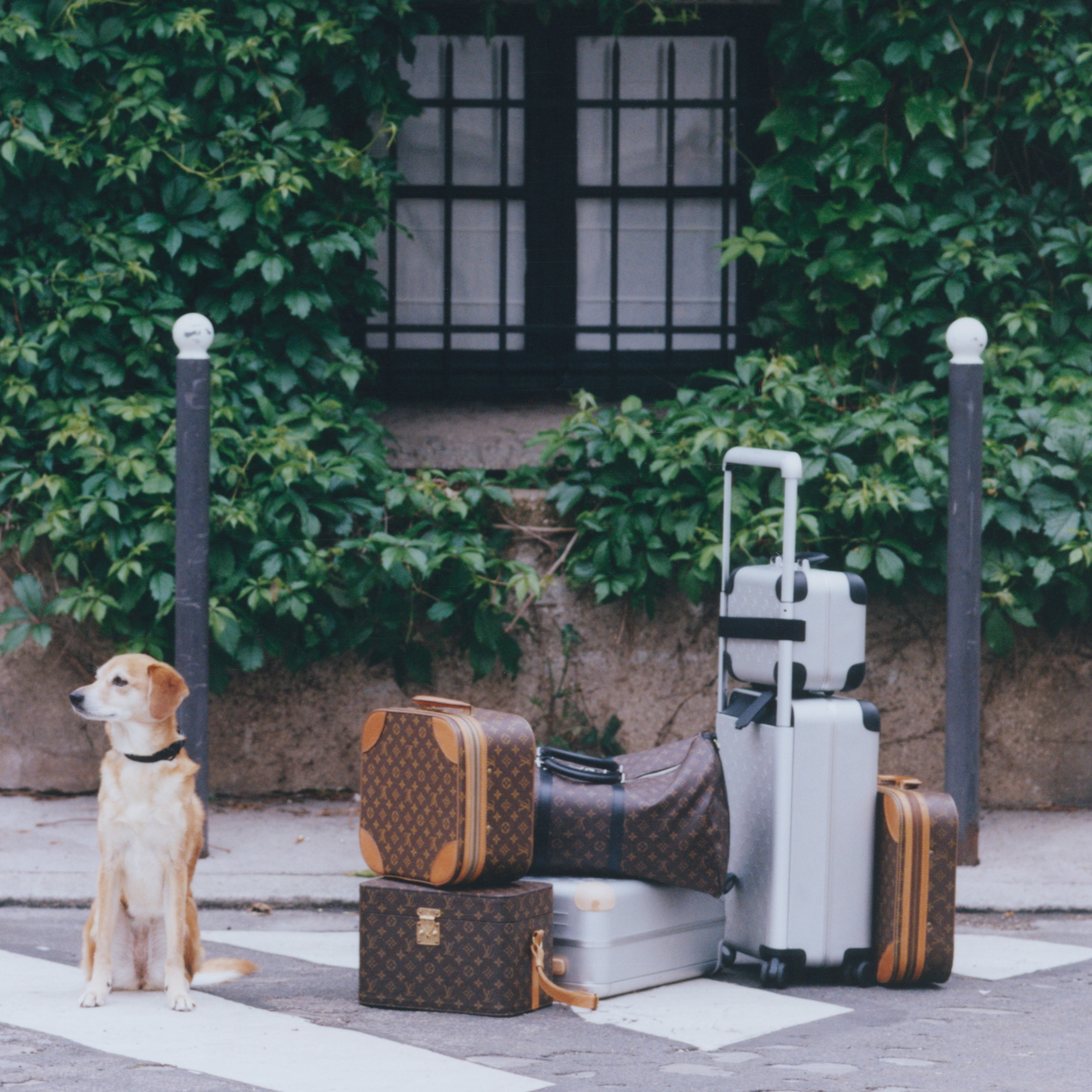
As the Horizon suitcase returns in aluminum, the Louis Vuitton founder’s descendant reflects on its legacy, the mystery of the Monogram, and how he packs for a trip.